What Is a Standing Seam Metal Roof?
Thinking about a new roof can feel overwhelming, especially when you start diving into all the different options out there. It's easy to get lost in technical jargon and feel like you need a degree in roofing just to understand what people are talking about. One term you've likely come across, and perhaps even considered, is "standing seam metal roofing." This guide is here to demystify what a standing seam metal roof truly is, explaining its components, benefits, and what makes it such a popular choice for homeowners today.
Understanding the Basics of Standing Seam Metal Roofing
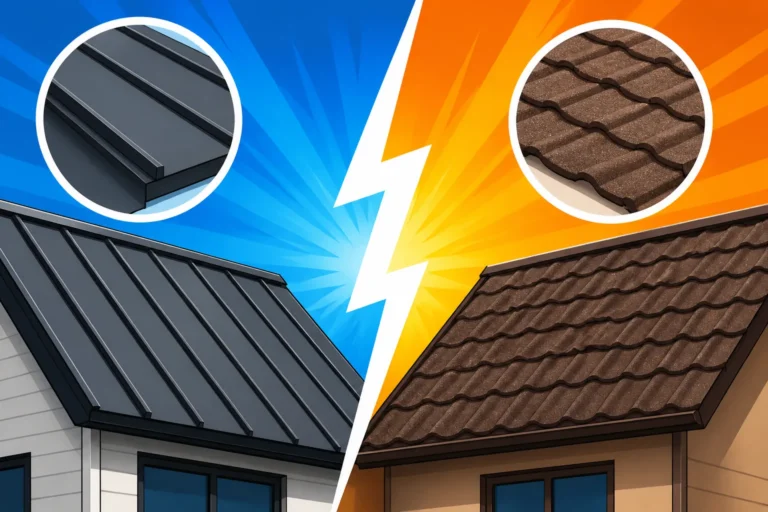
When you first hear "metal roof," you might picture corrugated panels on a barn or an industrial building. But standing seam is a whole different ballgame. It's a premium roofing system known for its sleek lines, durability, and often, its higher price point compared to other metal roofing options. Let's break down what exactly this sophisticated roofing type entails.
What Exactly is "Standing Seam"?
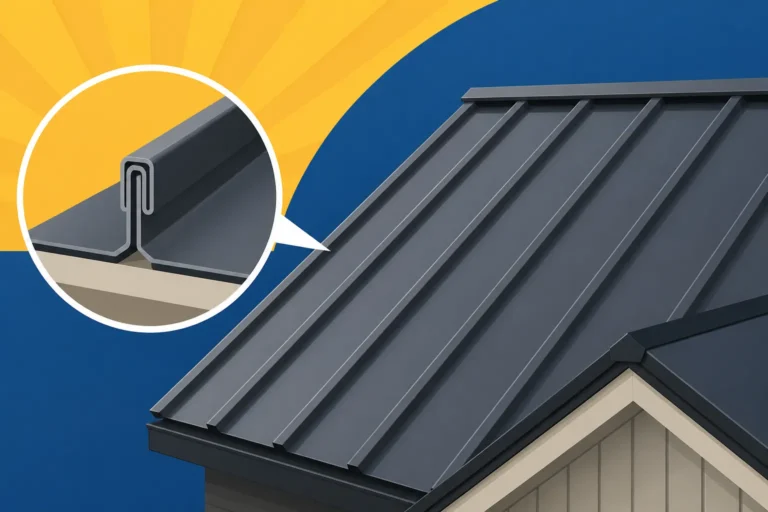
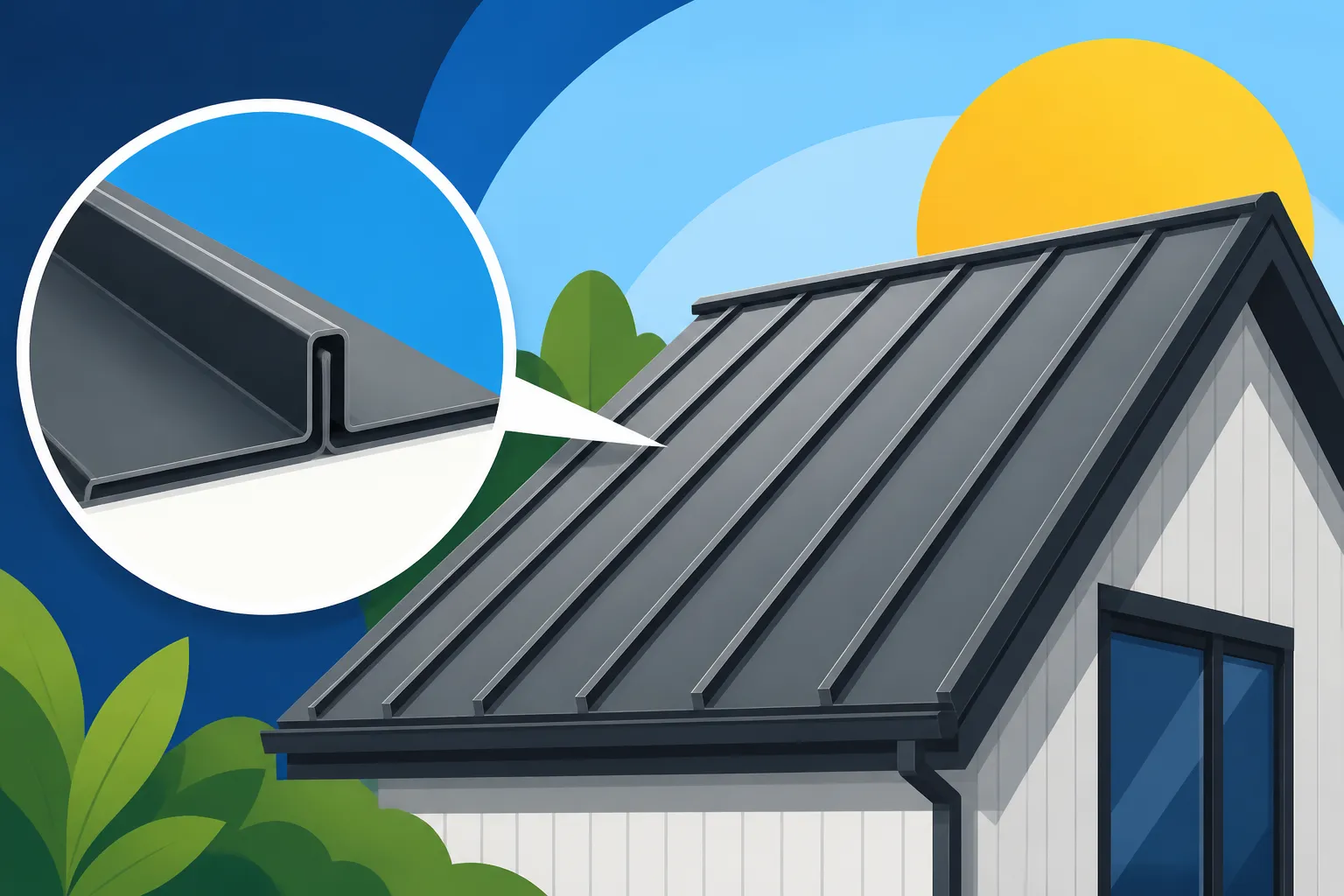
At its heart, a standing seam metal roof is characterized by its hidden fastener system and the distinct, raised vertical seams where panels interlock. Unlike exposed fastener metal roofs where screws are driven directly through the panel and into the roof deck, standing seam panels are attached to the roof deck using concealed clips. These clips are then covered by the interlocking panels, creating a smooth, uninterrupted surface. This design not only gives the roof a clean, contemporary look but also offers significant functional advantages.
Imagine panels of metal, often 12 to 24 inches wide, running from the eaves all the way up to the ridge of your home. Each panel has an edge that is designed to either snap together or be mechanically seamed (folded and crimped) with the adjacent panel. This creates those distinctive vertical "standing" seams that are typically 1.5 to 2 inches tall. This elegant method of attachment means no fasteners are exposed to the elements, significantly reducing potential leak points and enhancing the roof's longevity. It's a design that speaks to both form and function, offering robust protection while elevating your home's curb appeal with its crisp, architectural lines.
The Core Components of a Standing Seam System
A standing seam metal roof isn't just a bunch of metal panels; it's a meticulously engineered system of various components working together. Understanding these parts helps paint a clearer picture of its construction and why it performs so well.
Firstly, you have the metal panels themselves. These are the stars of the show, typically made from steel (often Galvalume or Galvanized), aluminum, copper, or zinc. The choice of material impacts everything from cost to durability and aesthetic. For example, a homeowner in a coastal region might lean towards aluminum due to its superior corrosion resistance, while someone looking for an ultra-long-lasting, prestigious look might consider copper. These panels are custom-fabricated or cut on-site to fit the specific dimensions of your roof, ensuring a tailored fit.
Next, and critically important for a standing seam system, are the hidden clips and fasteners. These are what secure the panels to the roof deck. The clips are typically attached to the purlins or decking, and then the metal panels are either snapped into place over them or crimped around them. This allows for thermal movement – the natural expansion and contraction of the metal panels due to temperature changes – without putting stress on the fasteners or panels themselves. This flexibility is a huge factor in preventing wear and tear over decades of use. You'll also find various flashing and trim pieces around edges, chimneys, skylights, and valleys. These specialized components, often fabricated from the same metal as the roof panels, seal vulnerable areas, directing water off the roof and protecting against leaks. High-quality sealants are also used in conjunction with these components to create a watertight barrier. Each element plays a crucial role in the overall integrity and performance of the standing seam roof.
Why Homeowners Choose Standing Seam for Their Homes
So, why are so many homeowners, from those with modern architectural masterpieces to traditional homes, increasingly opting for standing seam metal roofs? It truly boils down to a combination of unparalleled performance, enduring beauty, and long-term value that other roofing materials often struggle to match.
Durability and Longevity That Lasts
One of the absolute biggest draws of a standing seam metal roof is its incredible durability and lifespan. We're talking about a roof that can easily last 50, 60, even 70 years or more with proper installation and minimal maintenance. This isn't a roof you'll be replacing every 15-20 years like traditional asphalt shingles. Imagine the peace of mind knowing that your roof is likely to outlive you! This exceptional longevity comes from several factors. The robust metal materials, like steel or aluminum, are inherently tough. They resist cracking, shrinking, and eroding that can plague other roofing types.
Moreover, the hidden fastener system is key to its resilience. By keeping screws and other attachment points protected beneath the panels, they aren't exposed to UV rays, rain, snow, or wind, which are common causes of fastener failure and leaks in exposed fastener systems. This drastically reduces potential points of water intrusion. Metal roofs are also incredibly resistant to fire, rot, mildew, and pests, offering a superior protective shell for your home. In areas prone to extreme weather, such as hurricanes or severe hailstorms, a standing seam roof often offers superior performance against high winds and impact damage. This translates to not just a sturdy roof, but potentially significant savings on your homeowners insurance premiums, as discussed in our detailed guide on Metal Roof Insurance Savings & Discounts. When considering the long-term protection of your most valuable asset, the durability of standing seam is hard to beat.
Aesthetic Appeal and Design Versatility
Beyond its practical advantages, a standing seam metal roof offers a distinct and sophisticated aesthetic that can dramatically enhance a home's curb appeal. The clean, crisp lines of the raised seams create a modern, architectural look that many homeowners desire. This sleek appearance complements a wide range of home styles, from contemporary and minimalist designs to traditional farmhouses and even some historic properties, where metal roofing has deep historical roots. It’s not just a roof; it’s a design statement.
The versatility in design doesn't stop at the profile. Standing seam panels come in an incredible array of colors, from classic grays, bronzes, and blacks to vibrant reds, blues, and greens. Many manufacturers, such as Englert, offer a broad spectrum of colors with high-performance paint finishes that resist fading and chalking, maintaining their beauty for decades. You can choose a color that perfectly complements your home's exterior, adding significant visual appeal. Furthermore, the ability to custom-cut panels means the roof can be tailored to complex rooflines, ensuring a seamless and high-end finish. This marriage of high performance and stunning aesthetics makes standing seam a top choice for those looking to elevate their home's appearance and increase its market value. A well-installed standing seam roof can certainly make your home stand out in the neighborhood, contributing to a strong return on investment. You can learn more about how it impacts your home's value by checking out our article on Does a Metal Roof Increase Home Value?.
Maintenance and Energy Efficiency Advantages
Living in a home often means dealing with ongoing maintenance, and roofs are typically no exception. However, a huge benefit of standing seam metal roofs is their remarkably low maintenance requirements. Because the panels are smooth and non-porous, they don't trap debris like granular asphalt shingles do. Rain often washes away dust and leaves, keeping the roof looking clean with minimal effort. There are no granules to shed, no asphalt to break down and curl, and no nails to pop out over time. An occasional visual inspection and clearing of gutters are often all that's needed to keep a standing seam roof in top shape. This ease of care frees up homeowners from the tedious and sometimes costly cycle of roof repairs and frequent replacements.
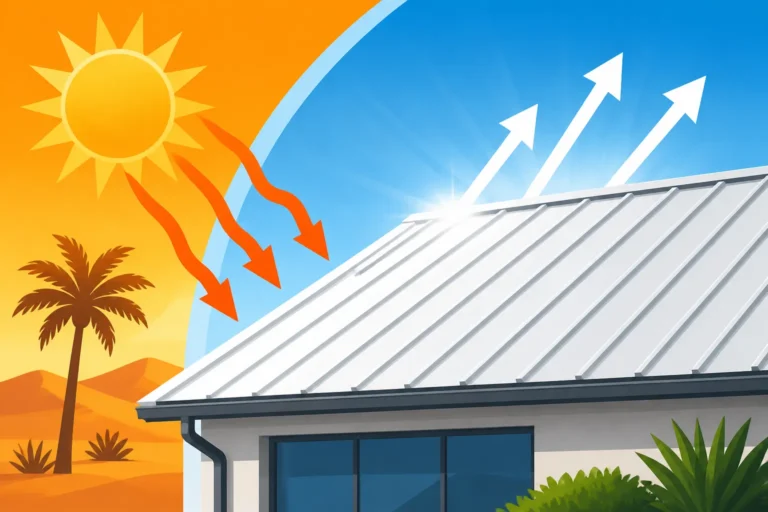
In addition to low maintenance, standing seam metal roofs are champions of energy efficiency. The metal material itself is highly reflective, meaning it bounces a significant portion of the sun's radiant heat away from your home, rather than absorbing it. This can lead to a cooler attic and, consequently, lower air conditioning bills during hot summer months. Many metal roofing products come with cool roof coatings, like those with PVDF (Kynar 500) finishes, which further enhance their solar reflectivity and emissivity. These coatings are designed to release any absorbed heat quickly, keeping your home more comfortable and reducing your carbon footprint. In fact, many metal roofs qualify for energy efficiency tax credits and incentives in various regions. This combination of minimal upkeep and tangible energy savings truly adds to the long-term value and appeal of choosing a standing seam system for your home. You can even explore different energy-saving options by looking into a platform like Modernize, which can connect you with contractors specializing in energy-efficient solutions.
Different Types of Standing Seam Panels
When we talk about standing seam, it’s important to realize it’s not a monolithic category. There are distinct differences in how the panels connect, which affects both the installation process and the final appearance and performance of the roof.
Mechanical Seam vs. Snap-Lock Systems
The two primary types of standing seam systems are defined by how their seams are formed: mechanical seam and snap-lock (or snap-together).
Mechanical seam roofing involves panels that are seamed together using a specialized tool. After the panels are laid, a roofer uses a seaming machine to fold and crimp the edges of adjacent panels together, creating a robust, weather-tight seal. This process can involve a single fold (single-lock) or a double fold (double-lock), with double-lock offering an even more secure and watertight connection. Mechanical seam systems are generally considered the most durable and weather-resistant option, often preferred for commercial buildings or residential projects in areas prone to extreme weather, like high winds or heavy snow. The installation is more labor-intensive and requires highly skilled professionals, which can contribute to a higher labor cost. However, the resulting seam is incredibly strong and virtually impenetrable, making it a top choice for maximum protection and longevity. The tight seal also helps prevent issues like oil canning, a wavy aesthetic deformation that can sometimes occur in metal panels.
Snap-lock systems, on the other hand, are designed for easier and quicker installation. These panels feature an interlocking male leg and female receiver, which simply "snap" together when pressed firmly. No special seaming tools are typically required beyond hand crimpers for finishing details. This makes snap-lock a popular choice for residential applications where ease of installation can help manage costs. While slightly less robust than a double-lock mechanical seam, a high-quality snap-lock system still provides excellent weather protection and boasts the same hidden fastener advantages. They are also highly durable and can withstand significant weather events. The choice between mechanical seam and snap-lock often comes down to budget, the specific demands of the local climate, and the aesthetic preference for the seam profile. For a deeper dive into the cost implications, check out our guide on Standing Seam vs Corrugated Cost Comparison.
Panel Profiles and Material Options
Beyond the seaming method, standing seam roofs offer variety in panel profiles and material options, each with its own set of characteristics.
Common panel profiles include:
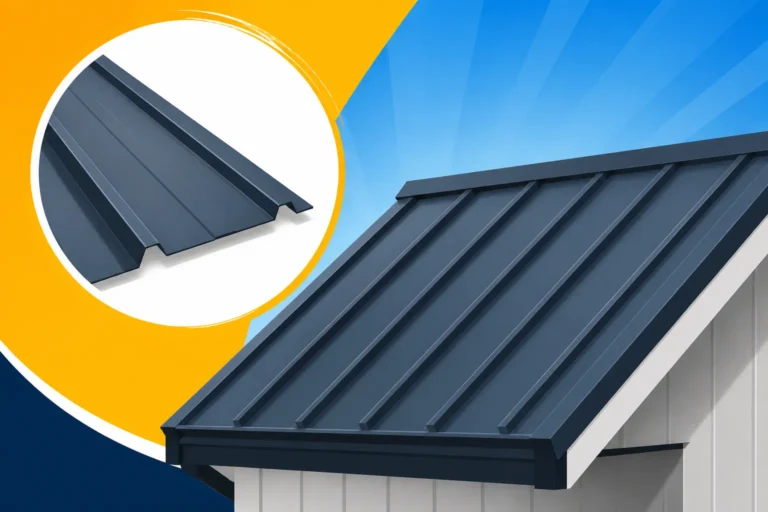
- Architectural Panel: Often found in residential applications, these typically have wider flat areas between seams, offering a very clean, contemporary look.
- Structural Panel: These are more rigid and can span greater distances between supports, sometimes even eliminating the need for a solid roof deck in certain applications. They might have stiffener ribs within the flat pan to improve rigidity and reduce oil canning.
The materials used for standing seam panels are also diverse, each bringing unique properties:
- Steel: By far the most common, steel panels are typically coated with Galvalume (an alloy of zinc and aluminum) or Galvanized (zinc only) to prevent rust. They are strong, durable, and come in a vast array of colors. Steel is a cost-effective choice for its strength and weather resistance.
- Aluminum: Lighter than steel and naturally corrosion-resistant, aluminum is an excellent choice for coastal environments where salt spray is a concern. It's also a great option for complex roof designs due to its malleability. However, it can be slightly more expensive than steel.
- Copper: The Cadillac of metal roofing, copper is renowned for its unparalleled lifespan (100+ years), beautiful natural patina that develops over time, and prestigious aesthetic. It's also very soft, making it suitable for intricate detailing. The main drawback is its significantly higher cost. For those dreaming of a copper roof, our article on Copper Roof Cost provides an in-depth look.
- Zinc: Another premium option, zinc offers exceptional longevity, natural corrosion resistance, and a self-healing patina. Like copper, it's very durable and ages gracefully, but it also comes with a higher price tag.
Each material and profile choice influences the overall cost, appearance, and long-term performance of your standing seam roof. It's crucial to weigh these factors against your budget, aesthetic goals, and local environmental conditions. When you're ready to get specific estimates, platforms like Modernize can help you connect with qualified professionals who understand these nuances and can guide you to the best material for your home.
Common Misconceptions and Important Considerations
Even with all the benefits, there are often misunderstandings about standing seam metal roofs, particularly concerning cost and installation. Addressing these can help you make a more informed decision.
Addressing Cost Concerns
One of the most frequent questions people have about standing seam metal roofs is, "How much does it cost?" It's true that the initial investment for a standing seam metal roof is generally higher than for traditional asphalt shingles or even other types of metal roofing like corrugated panels. You might be looking at anywhere from $9 to $18 per square foot installed, sometimes more for premium materials like copper or zinc. This can be a significant upfront cost, leading some homeowners to immediately dismiss it as too expensive. However, this perspective often overlooks the bigger picture of long-term value and return on investment.
Think of it this way: while you might pay more upfront, you're investing in a roof that could last 2 to 3 times longer than an asphalt shingle roof. This means avoiding multiple costly roof replacements over the decades. When you factor in the potential for lower energy bills due to its reflective properties, reduced maintenance costs, and often, discounts on homeowners insurance, the lifetime cost of a standing seam roof can actually be lower. Furthermore, a metal roof significantly boosts your home's resale value and curb appeal, making it a wise investment if you plan to stay in your home for a long time or sell in the future. It’s not just an expense; it’s an asset that continues to pay dividends. Our comprehensive guide on Metal Roof Cost: Complete 2026 Guide delves into all the factors affecting pricing.
Installation Complexity and Finding the Right Professional
Installing a standing seam metal roof is a complex process that requires specialized skills, tools, and experience. This is not a DIY project for the faint of heart, nor is it a job for just any general roofer. The precision required for panel alignment, seaming, flashing details, and ensuring proper thermal movement is critical for the roof's long-term performance and watertight integrity. A poorly installed standing seam roof can lead to issues like leaks, oil canning, and premature failure, negating all the benefits of the material.
Therefore, finding a highly experienced and reputable metal roofing contractor is paramount. Look for contractors who specialize specifically in metal roofing, especially standing seam systems. Ask to see examples of their previous work, check references, and verify their licensing, bonding, and insurance. They should be familiar with local building codes and manufacturer-specific installation guidelines. Some manufacturers even offer certification programs for installers, which can be a good indicator of their expertise. Choosing a certified installer can also be crucial for preserving your warranty. Don't be afraid to ask detailed questions about their installation process, the team that will be on your roof, and what kind of workmanship warranty they offer. Investing in a quality installation by a skilled professional is just as important as investing in the quality materials themselves, ensuring your standing seam roof performs as beautifully and reliably as it's designed to. You can find more helpful advice in our article on How to Hire a Metal Roofing Contractor.
| Feature | Mechanical Seam Standing Seam | Snap-Lock Standing Seam |
|---|---|---|
| Seam Formation | Panels are folded and crimped together using a seaming tool | Panels snap together using an interlocking male/female leg |
| Installation | More complex, requires specialized tools and expertise | Easier, generally quicker, less specialized tools required |
| Durability | Highly robust, extremely weather-tight (often double-locked) | Very durable, excellent weather protection |
| Cost (Labor) | Generally higher due to specialized labor and time | Generally lower due to simpler installation |
| Thermal Movement | Excellent, clips allow panels to float | Excellent, clips allow panels to float |
| Applications | Commercial, high-wind areas, high-end residential | Residential, light commercial |
| Aesthetic | Very clean, distinct raised seams | Clean, distinct raised seams (can be slightly less pronounced) |
Disclaimer
Please remember that the information provided in this article is intended for general guidance and informational purposes only. While we strive to offer accurate and up-to-date content, roofing projects are complex and can vary significantly based on location, specific building codes, material choices, and individual property conditions. Always consult with qualified and licensed metal roofing professionals for personalized advice, detailed estimates, and to ensure compliance with all local regulations and safety standards for your specific project.