What License Does a Roofer Need in Tennessee
Oh, the headache of trying to figure out who's legitimate when it comes to home improvements! It's one of the biggest frustrations homeowners face, especially when you're looking to invest in something as significant as a new roof. You want peace of mind, knowing the person on your roof knows what they're doing and is operating by the book. This guide is all about cutting through that confusion, specifically for homeowners in the Volunteer State, by clearly explaining what license a roofer needs in Tennessee to work legally and competently.
Navigating the Licensing Landscape in Tennessee
It can feel like a minefield trying to understand all the rules and regulations that govern contractors. You’ve probably heard stories, or maybe even experienced firsthand, the pitfalls of working with someone who isn't properly credentialed. In Tennessee, the waters can be particularly murky because the state doesn't have a specific "roofing contractor license" like some other states do. Instead, it often falls under a broader general contractor license, which adds a layer of complexity for homeowners trying to do their due diligence.
Why Licensing Matters More Than You Think
When you hire a licensed roofer, you're not just getting a piece of paper; you're gaining a layer of protection and assurance that is absolutely invaluable. Think about it: a license often means the contractor has proven a certain level of competency, passed exams, met financial requirements, and carries the necessary insurance. This isn't just bureaucracy; it's a safeguard for you, the homeowner.
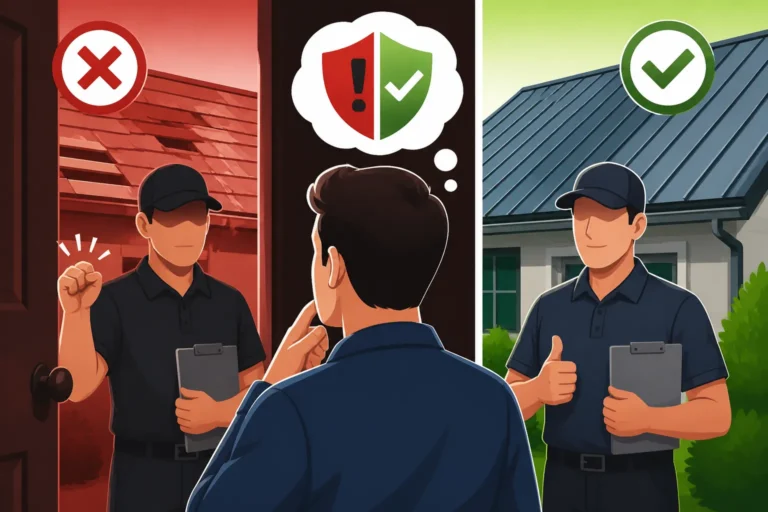
Imagine a scenario where an unlicensed roofer, perhaps one who approached you after a storm, does a shoddy job. They might promise a low price, but what happens when the first heavy rain reveals leaks, or even worse, structural damage? Without a license, they often don't have the proper insurance. If someone gets hurt on your property, or if your home is damaged, you could be held liable. It's a risk no one should have to take. A licensed contractor, on the other hand, typically carries general liability insurance to cover property damage and workers' compensation insurance to protect their crew, shielding you from potential lawsuits.
Furthermore, legitimate contractors are often bonded, providing an additional financial guarantee that they'll complete the work as per the contract and local building codes. This financial backing and insurance coverage are huge benefits, often overlooked until something goes wrong. Choosing a licensed professional minimizes these risks, giving you confidence in both the quality of the work and your financial protection. This is why understanding Metal Roof Contractor Licensing, Bonding & Insurance is so important before any project begins.
The Specifics: General Contractor vs. Roofing License
In Tennessee, the state generally requires contractors to hold a license from the Board for Licensing Contractors (CLB) if the total cost of the project (materials and labor) is $25,000 or more. This threshold isn't just for new home builds; it applies to renovations and repairs too. So, if your new metal roof is going to cost $30,000, which many do, your contractor absolutely needs a state license.
What's tricky is that there isn't a standalone "roofing license." Instead, roofers typically need a "general building contractor" license (classification BC) with a specific subclassification that permits roofing work. This means a contractor might have a general license but not the specific roofing endorsement. It’s crucial to verify they have the right classification for the job. Some smaller roofing projects might fall under the $25,000 threshold and thus not require a state license, but this doesn't mean they can operate without any oversight. Local municipalities often have their own registration or permit requirements, even for smaller jobs, which we'll dive into next. Always ask about their specific qualifications, as outlined in guides like Questions to Ask a Metal Roofing Contractor Before You Hire.
Understanding Tennessee's Licensing Requirements for Roofers
Navigating the nuances of Tennessee's licensing requirements can feel a bit like reading legal jargon. It’s not always straightforward, but understanding the key players and their mandates will empower you to make an informed decision. The state aims to protect consumers, and these requirements are the framework for that protection.
Contractor's License Board (CLB) Requirements
The Tennessee Board for Licensing Contractors (CLB) is the primary authority for state-level contractor licensing. For any project exceeding $25,000, a contractor must hold a license issued by this board. To get this license, a company typically needs to meet several stringent requirements:
First, they must pass a trade exam and a business and law exam. These aren't easy tests; they demonstrate a comprehensive understanding of construction practices and legal obligations. Second, they need to show financial solvency, proving they have the capital and financial stability to run a business and complete projects reliably. This often involves submitting financial statements. Third, and critically important for you, they must provide proof of general liability insurance and workers' compensation insurance (if they have employees). This ensures that if accidents happen on your property, or if a worker is injured, you aren't left holding the bag. Without these, you're essentially gambling with your home and your personal liability. You can learn more about verifying licenses in guides like How to Verify a Roofing License by State.
For roofing specifically, a contractor needs a classification that permits that work. This often falls under the "BC – Building Construction" classification, which encompasses various types of construction work, including roofing. However, some larger or specialized roofing companies might even have a specific "C-39 – Roofing" subclassification under a general license. Always double-check their specific classification to ensure it aligns with the work you need done.
Local City and County Specifics
Even if a roofer has a valid state license, that’s not always the end of the story. Many cities and counties in Tennessee have their own additional registration, permitting, and sometimes even licensing requirements. This is particularly true for larger metropolitan areas like Nashville (Davidson County), Memphis (Shelby County), Knoxville (Knox County), and Chattanooga (Hamilton County).
For example, in Nashville, even smaller roofing projects that might not hit the $25,000 state threshold still require a local permit from the Metropolitan Department of Codes and Building Safety. This local permit process ensures that the work adheres to local zoning ordinances and building codes specific to that area, which can sometimes differ from state-level codes. These local requirements often exist regardless of the project's size, aiming to maintain safety standards and quality of construction within their jurisdiction.
So, while a state license is vital for larger projects, never assume it negates local rules. Always ask your prospective contractor about all necessary local permits and registrations. A reputable company will be transparent about this and typically handle the permit application process for you. If they balk or seem unsure, that's a significant red flag. This also ties into who pulls the permit, which is typically the responsibility of the contractor. You should always ensure the contractor handles this, as discussed in Who Pulls the Permit: Contractor or Homeowner?.
Essential Endorsements and Classifications
To clarify further, let's talk about the specific classifications you might encounter. The CLB offers a variety of classifications to ensure contractors are qualified for the specific types of work they undertake. For roofing, as mentioned, the "BC – Building Construction" classification is common. However, within this broad category, there can be specific endorsements or sub-classifications that clearly indicate their authorization for roofing work.
Some contractors may specialize and acquire a "C-39 – Roofing" classification. This specific designation means they’ve demonstrated expertise specifically in roofing. While a general BC license might cover roofing, a C-39 classification often indicates a deeper specialization and commitment to the trade. When interviewing potential roofers, don't hesitate to ask for their specific CLB license number and the classifications listed on it. You can then cross-reference this information directly with the Tennessee Board for Licensing Contractors website.
Think of it this way: you wouldn't want a plumber installing your electrical system, even if they're a licensed general contractor. Similarly, you want to ensure your roofer has the specific authorization for roofing. A contractor associated with a platform like Modernize, for instance, often takes care to present their qualifications clearly, helping homeowners connect with vetted professionals. This diligence ensures they are not only licensed but have the right kind of license for your metal roofing project.
The Application and Verification Process
Understanding the requirements is one thing, but knowing how roofers acquire these licenses and, more importantly, how you as a homeowner can verify them, is crucial. This is where you empower yourself to make safe and smart choices.
Step-by-Step for Prospective Roofers
For a roofer looking to become licensed in Tennessee, the process with the CLB is quite thorough. It starts with an application that details their business structure, financial standing, and work experience. This isn't a quick form; it requires significant documentation.
Next, they must pass the required examinations. This usually includes a "Business and Law" exam to ensure they understand the legal and administrative aspects of running a contracting business, and a "Trade" exam specific to their classification (e.g., building construction). These exams are designed to test their knowledge of building codes, safety standards, and general best practices. After passing the exams and demonstrating financial stability, they need to provide proof of insurance coverage, specifically general liability and workers' compensation. Finally, once all these steps are cleared, the CLB issues the contractor's license, complete with a unique license number and specific classifications. This rigorous process is exactly why a licensed contractor is often a safer bet than an unlicensed one.
How Homeowners Can Verify a License
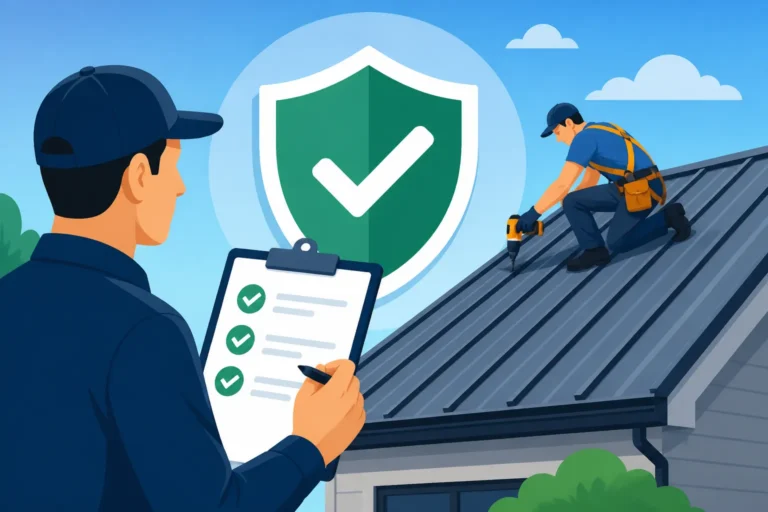
This is perhaps the most important part for you! Never take a contractor's word for it. Always verify their license. It's surprisingly easy and can save you a world of trouble.
Here's how:
- Get the License Number: When you're talking to a prospective roofer, ask for their Tennessee Contractor's License Number. A legitimate contractor will readily provide this.
- Visit the CLB Website: Go to the official website for the Tennessee Board for Licensing Contractors. They have a public search portal where you can enter the contractor's license number or even their company name.
- Check the Details: Once you pull up their record, verify the following:
- Is the license currently active? Licenses can expire or be revoked.
- Does the name on the license match the company you're dealing with? Sometimes unscrupulous individuals try to use a different company's license.
- Are the classifications appropriate for roofing work? Look for "BC – Building Construction" or "C-39 – Roofing" specifically.
- Is there any disciplinary action listed? This can give you insights into their past conduct.
It's also a good idea to check with your local city or county building department for any local registrations or permits required. A quick phone call to their offices can confirm if the contractor has met local requirements. If a contractor is hesitant to provide their license number or you can't find them on the official database, consider that a major red flag, potentially signaling a Metal Roofing Scams and Red Flags to Avoid. Remember, a licensed contractor will appreciate your due diligence because it shows you're a serious homeowner.
The Risks of Hiring Unlicensed Roofers
When you're trying to save a buck, it can be tempting to go with the lowest bid, especially if it comes from an unlicensed individual. However, what initially seems like savings can quickly turn into a financial nightmare. The risks associated with hiring an unlicensed roofer far outweigh any potential upfront savings, leaving you vulnerable on multiple fronts.
Financial and Legal Ramifications
One of the biggest financial risks is that an unlicensed contractor typically doesn't carry proper insurance. If a worker gets injured on your property, or if your property is damaged during the roofing project, you could be held personally liable. This means you could be on the hook for medical bills, property repairs, or even lawsuits, which could easily cost tens of thousands of dollars—far more than any "savings" you might have gained.
Furthermore, if the work is shoddy or incomplete, you'll have very little legal recourse. State licensing boards offer channels for consumer complaints and arbitration, but these channels are generally unavailable when dealing with an unlicensed individual. You might end up paying another, legitimate contractor to fix the mistakes of the first one, essentially paying for the roof twice. You’ll also find it very difficult to sell your home if you have to disclose major structural repairs performed by an unlicensed contractor. Mortgage lenders and home insurance companies might refuse coverage or financing if the work isn't done by a licensed professional. This is a topic often covered when discussing How to Avoid Roofing Contractor Fraud.
Quality of Work and Warranty Issues
Unlicensed roofers often lack the necessary training, expertise, and adherence to industry standards that licensed professionals are required to uphold. This directly translates to a higher risk of poor-quality work. They might use inferior materials, cut corners on installation, or simply not understand complex roofing systems, especially for specialized metal roofs. This can lead to premature leaks, structural issues, and a significantly shortened lifespan for your roof.
Moreover, manufacturer warranties for roofing materials often stipulate that the installation must be performed by a licensed and, in some cases, manufacturer-certified installer. If an unlicensed roofer installs your roof, your material warranty could be voided from day one. Imagine investing in a beautiful new standing seam metal roof that promises 30-50 years of life, only to find out the warranty is useless because of improper installation. This is why it’s critical to understand Metal Roof Warranties: Workmanship vs Manufacturer and ensure your contractor meets those criteria.
Beyond manufacturer warranties, most reputable licensed contractors offer their own workmanship warranties, providing you with peace of mind. An unlicensed roofer, however, offers no such guarantees. If their work fails, they’re often nowhere to be found, leaving you with no one to call for repairs. The long-term cost of dealing with constant repairs and voided warranties easily surpasses any initial savings, making licensed work the far more cost-effective and secure option.
| Requirement/Action | Description for Roofer | How Homeowner Verifies |
|---|---|---|
| State License (CLB) | Required for projects > $25,000 (materials & labor) | Check TN CLB website for active license and correct classifications (e.g., BC, C-39) |
| Trade & Law Exams | Must pass CLB-administered exams | Indicated by active CLB license |
| Financial Solvency | Demonstrate financial stability | Indicated by active CLB license |
| General Liability Insurance | Protects against property damage | Ask for Certificate of Insurance (COI) |
| Workers' Compensation | Protects workers from injury | Ask for Certificate of Insurance (COI) |
| Local Permits/Registration | Required by city/county (even for small jobs) | Check with local building department; verify permits are pulled |
| Specific Classifications | Ensure license covers roofing work | Verify "BC – Building Construction" or "C-39 – Roofing" on CLB website |
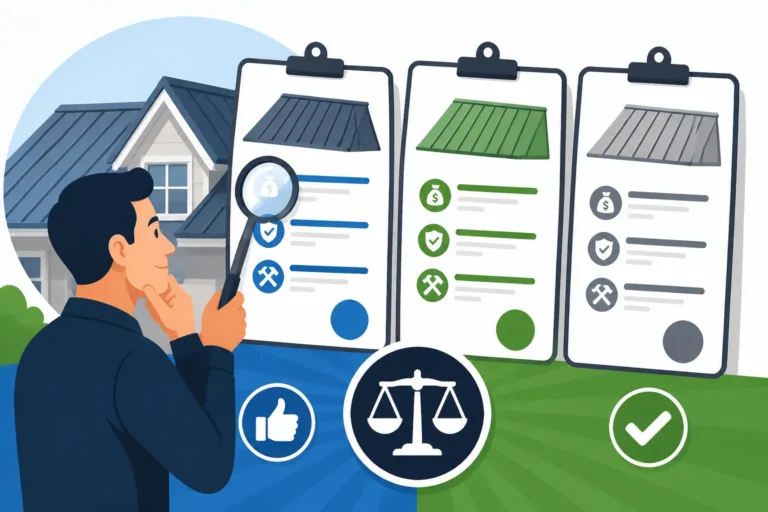
Choosing a reputable, licensed metal roofing contractor in Tennessee is arguably the most important step in securing a long-lasting and worry-free roof. Platforms like Modernize can help homeowners connect with pre-vetted contractors who meet these crucial requirements, streamlining the process of finding trustworthy professionals. Before signing any contract or agreeing to any Normal Deposit and Payment Schedule for a Roof, always confirm their credentials, read reviews, and get everything in writing. This diligence will protect your investment and ensure your home is in capable hands. Don't be afraid to ask for a detailed How to Get a Metal Roof Estimate from multiple licensed contractors to compare apples to apples.
Disclaimer
Please note that licensing requirements can change, and local regulations may vary significantly. This article provides general information and should not be considered legal advice. Always verify current licensing requirements directly with the Tennessee Board for Licensing Contractors and your local municipal building department before engaging any contractor.