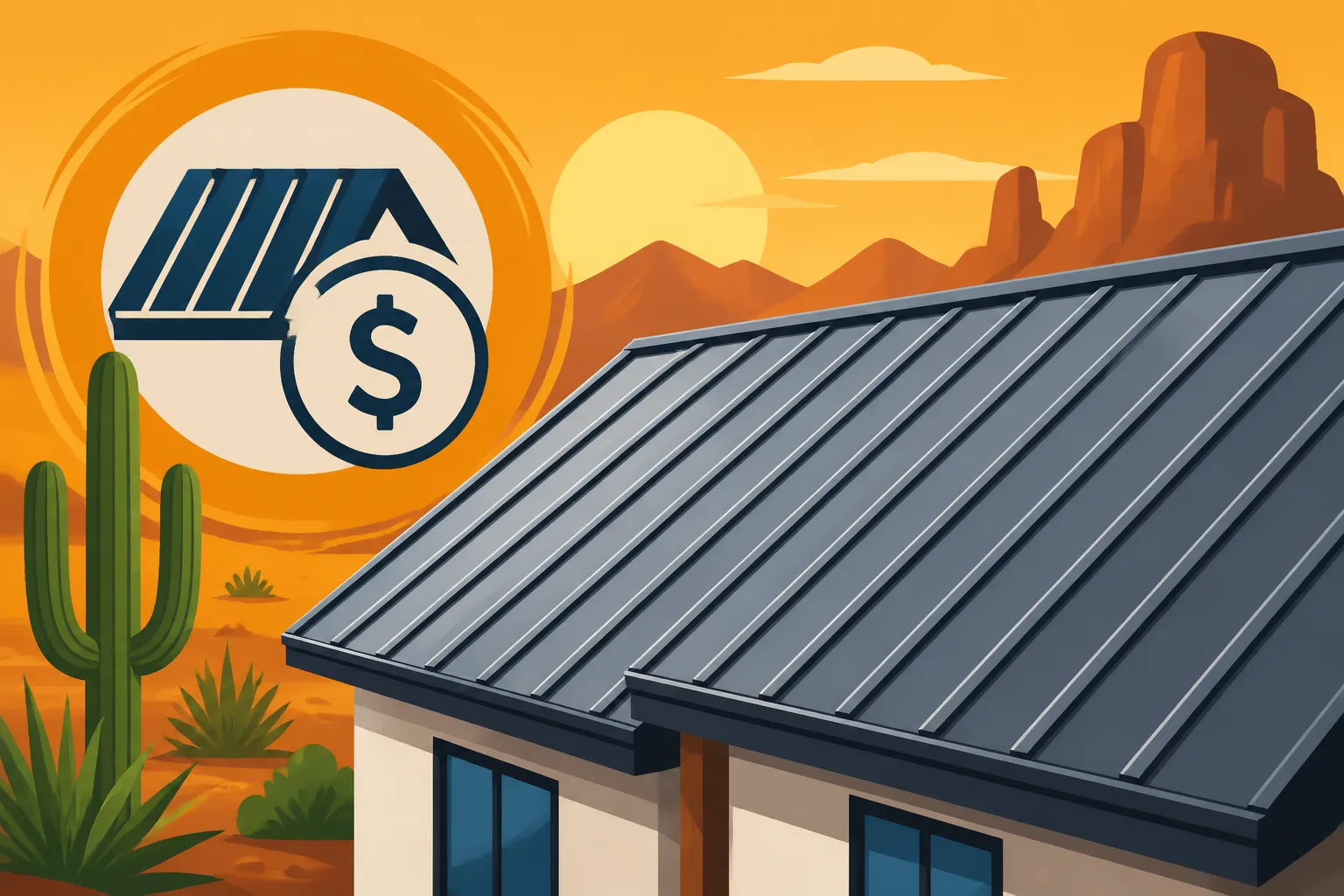
Metal Roof Cost in Arizona
Living in the Grand Canyon State means your home is constantly under siege by some of the most intense UV radiation and heat in the country. Many homeowners find that their traditional asphalt shingles become brittle and fail in as little as 10 to 12 years, leading to a cycle of expensive replacements and rising cooling bills. This guide breaks down the realistic Metal Roof Cost in Arizona, helping you navigate material choices, local labor rates, and the long-term energy savings that can finally take the sting out of a desert summer.
Understanding the Factors of Metal Roof Cost in Arizona
When you start looking for quotes, you’ll quickly realize that Arizona isn't a "one size fits all" market. The costs you see in a Metal Roof Cost: Complete 2026 Guide might give you a baseline, but local variables like the extreme climate in Yuma versus the snow loads in Flagstaff shift the numbers significantly. Generally, you can expect to pay anywhere from $10,000 to $40,000 for a standard residential home, but the "why" behind those numbers is where things get interesting.
Material Selection and the Heat Factor
In the desert, material choice is about more than just aesthetics; it is about thermal performance. If you are comparing Metal Roof Cost by Material: Steel vs Aluminum vs Copper vs Zinc, you have to consider how these metals handle expansion and contraction. In places like Phoenix or Lake Havasu, where temperatures can swing 40 degrees between day and night, the metal is constantly "moving." Steel is the most common choice, usually in the form of Galvalume, which offers a great balance of durability and price. However, if you live in a high-salt environment near some of the man-made lakes or if you simply want the best rust resistance, aluminum is a premium alternative that handles the heat exceptionally well without corroding.
Labor Availability and Regional Pricing
The Metal Roof Labor Cost in Arizona is heavily influenced by the season. Trying to get a roof installed in July in the Salt River Valley is not only difficult but can sometimes be more expensive because contractors have to start at 4:00 AM and stop by noon to prevent heat stroke among their crews. This "split-shift" labor can drive up the hourly rate. Conversely, in the winter months, labor might be more readily available in the southern part of the state, while Flagstaff and Prescott contractors might be limited by snow and ice. When looking specifically at the Metal Roof Cost in Phoenix, you'll find a highly competitive market with many installers, whereas Metal Roof Cost in Tucson might be slightly different due to local permitting fees and smaller pool of specialized standing seam installers.
Roof Complexity and Pitch
Arizona architecture ranges from the flat roofs of mid-century modern homes to the high-pitched, complex gables of Mediterranean-style estates in Scottsdale. A simple "up and over" gable roof is going to be significantly cheaper than a roof with multiple valleys, dormers, and skylights. Each transition requires custom flashing and more intricate labor. Furthermore, the pitch (the steepness) of your roof affects how safely a crew can move. If your roof is particularly steep, the contractor will need to use specialized fall protection equipment, which adds to the overall time and cost of the project.
Breakdown of Metal Roofing Costs by Material and Style
To give you a better idea of what you might see on an itemized estimate, we’ve put together a comparison of the most common options found in the Arizona market. Prices include both materials and professional installation for a standard 2,000-square-foot home.
| Metal Type | Estimated Cost Per Sq. Ft. (Installed) | Expected Lifespan in AZ | Best Use Case |
|---|---|---|---|
| Corrugated Steel (Exposed Fastener) | $5.50 – $8.50 | 30 – 40 Years | Barns, Garages, Modern Industrial |
| Standing Seam (Steel/Galvalume) | $12.00 – $18.00 | 50+ Years | Residential Homes, High Value |
| Aluminum Panels | $14.00 – $20.00 | 50+ Years | Coastal or high-moisture areas |
| Stone-Coated Steel | $11.00 – $16.00 | 50+ Years | HOAs requiring a "Tile" look |
| Copper | $25.00 – $40.00 | 100+ Years | Historic homes, Luxury accents |
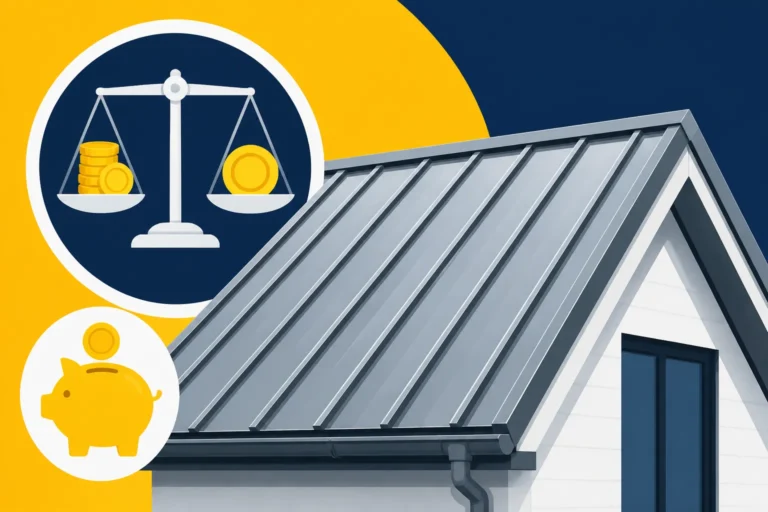
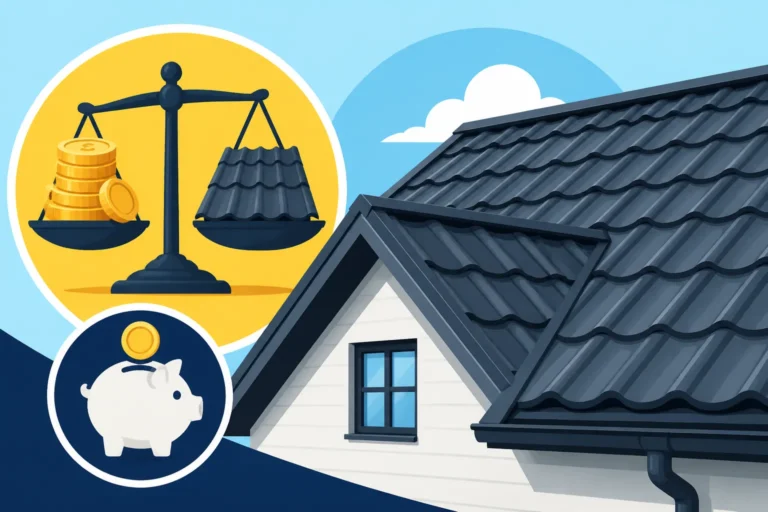
If you are currently debating Metal Roof Cost vs Architectural Shingles, keep in mind that while shingles may cost $4.00 to $6.00 per square foot, you will likely replace them three times in the lifespan of a single metal roof. In the Arizona sun, that's a massive difference in total cost of ownership.
Standing Seam vs. Exposed Fastener
For most Arizona homeowners, the choice comes down to the fastening system. A Standing Seam Metal Roof Cost is higher because the fasteners are hidden beneath the panels, allowing the metal to slide as it expands in the sun. This is the gold standard for residential work. Exposed fastener systems (like corrugated metal) are cheaper but require more maintenance. In the desert heat, the rubber washers on those exposed screws can dry rot and crack every 10 to 15 years, leading to potential leaks if they aren't replaced.
Stone-Coated Steel for HOA Compliance
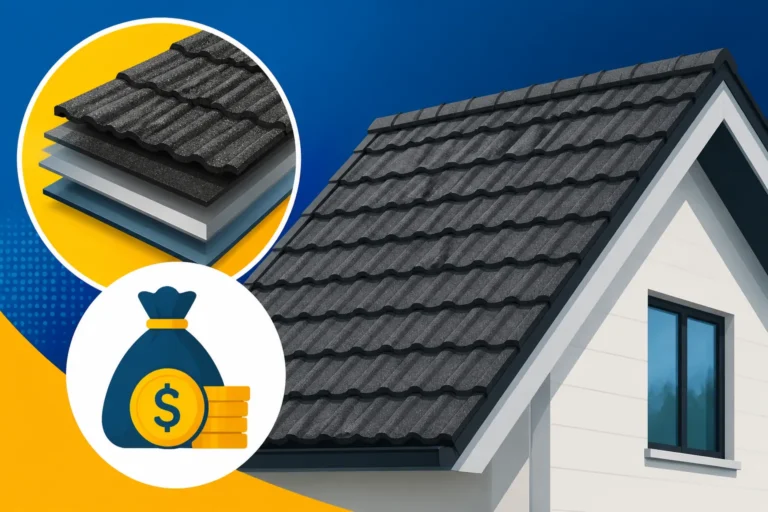
Many neighborhoods in the Valley of the Sun have strict Homeowners Association (HOA) guidelines that require homes to maintain a specific "Spanish Tile" or "S-Tile" look. If you find yourself asking Can My HOA Stop Me From Getting a Metal Roof in Arizona?, the answer is often found in stone-coated steel. These panels are stamped into the shape of traditional clay tiles but are made of high-grade steel with a stone chip coating. They satisfy the aesthetic requirements while providing the durability of metal, often at a price point that is competitive with high-end concrete tile.
The Long-Term Return on Investment in the Desert
While the initial check you write for a metal roof is larger than what you’d pay for shingles, the return on investment (ROI) in Arizona is among the highest in the country. This isn't just about how long the roof lasts, but how much money it keeps in your pocket every single month.
Energy Efficiency and the "Cool Roof" Effect
Arizona utility companies like SRP and APS have high peak-hour rates during the summer. A metal roof with a PVDF (Kynar 500) paint finish acts as a giant mirror for infrared radiation. While asphalt shingles absorb heat and radiate it down into your attic (and eventually your living space), a cool-rated metal roof can reflect up to 70% of the sun's energy. Homeowners often report a 20% to 30% reduction in their cooling costs after switching. When you calculate Is a Metal Roof Worth It? ROI, Resale & Payback, these energy savings are a critical part of the math. Over twenty years, the roof can practically pay for the price difference between it and a shingle roof through electricity savings alone.
Insurance and Resale Value
Living in a state prone to monsoons and hailstorms (especially in the higher elevations like Prescott or Payson) means your roof is a major liability for insurance companies. Many providers offer a Metal Roof Insurance Discount in Arizona because metal is classified as a Class 4 impact-resistant material. This can lead to a reduction in your annual premiums. Furthermore, if you decide to sell your home, a metal roof is a massive selling point. In a market where buyers are terrified of a "bad roof" showing up on a home inspection, having a 50-year transferable warranty on a standing seam roof can justify a higher asking price and a faster sale.
Maintenance Requirements in Arizona
Another "hidden" saving is the lack of maintenance. While you should still do a basic annual inspection, you won't be dealing with missing shingles after a microburst or cracked tiles after a repairman walks on your roof. Metal is incredibly resilient to the wind speeds common during Arizona’s monsoon season. While an asphalt roof might start shedding granules and curling under the 115-degree sun, the metal remains structurally sound. This means fewer Saturday mornings spent on a ladder and fewer calls to a repairman for "tune-ups."
Navigating the Installation Process in Arizona
Once you’ve decided that the investment is right for you, the next step is finding the right partner for the job. Not all roofing contractors are created equal, and in Arizona, the "storm chaser" phenomenon is real. After a major hail event in places like Scottsdale or Glendale, out-of-state contractors often flood the area, offering "too good to be true" prices.
Permitting and Local Codes
Every municipality in Arizona has different rules. For example, the City of Phoenix has specific requirements for underlayment and ventilation that might differ from Maricopa County's unincorporated areas. A reputable local contractor will handle all the permitting for you. They will also be familiar with the "Secondary Water Resistance" codes that are becoming more common, requiring specific high-temp ice and water shields under the metal panels to prevent leaks during the torrential downpours of a desert monsoon.
Selecting the Right Gauge
In Arizona, the "gauge" (thickness) of the metal is vital. We generally recommend 24-gauge steel for residential standing seam. While 26-gauge is cheaper and commonly used on agricultural buildings, it is more prone to "oil canning" (a wavy appearance) when it expands in the intense heat. Investing a little more in a thicker 24-gauge panel ensures a flatter, more professional look that can withstand the occasional stray golf ball or heavy hail without denting as easily.
Ventilation and Underlayment
Because the attic can reach 150 degrees in an Arizona summer, your metal roof system must be designed with ventilation in mind. A ridge vent system combined with proper soffit intake allows the hot air to escape. Additionally, the underlayment used must be "high-temp" rated. Standard felt paper or cheap synthetic underlayments can literally bake and stick to the bottom of the metal panels, or worse, melt and lose their waterproofing ability. Ensure your contractor is using a premium, high-heat self-adhered underlayment that can handle the 200+ degree temperatures that occur directly under the metal surface.
Final Thoughts on Arizona Metal Roofing
Choosing a metal roof in Arizona is a strategic move to protect your most valuable asset from a harsh environment. It turns a recurring maintenance headache into a one-time investment that pays dividends in comfort, security, and lower utility bills. By understanding the local nuances of labor, material, and HOA regulations, you can move forward with a project that not only looks stunning but stands up to the relentless desert sun for decades to come.
Disclaimer
This guide is for informational purposes only. Local building codes, material availability, and labor rates are subject to change. Always consult with a licensed, bonded, and insured roofing professional in the state of Arizona to get an accurate, on-site estimate for your specific property. Your actual costs may vary based on the specific conditions of your home and the current market prices for raw metals.