Metal Roof Cost Increase From Steel Prices 2026
Homeowners frequently face "sticker shock" when a roofing quote from six months ago suddenly jumps by thousands of dollars due to global market shifts. If you are planning a renovation for 2026, understanding why metal roofing prices are climbing is essential for your budget. This guide breaks down the steel market trends, labor impacts, and how to lock in pricing before the next hike.
Why Global Steel Markets Dictate Your Local Roofing Quote
The steel used to protect your home from the elements does not exist in a vacuum. It is a globally traded commodity, and its price is influenced by everything from iron ore mining in Australia to energy costs in Europe. When you see a news headline about a surge in industrial demand, you can bet that your local roofing contractor is seeing a corresponding price hike from their suppliers. This creates a stressful environment for families trying to plan a major home improvement project, as a quote provided on a Monday might be invalid by the following Friday.
The Ripple Effect of Raw Material Costs
The primary driver for the Metal Roof Cost: Complete 2026 Guide is the cost of iron ore and coking coal, the two main ingredients in steel production. As we look ahead, global infrastructure projects and the automotive industry’s transition to electric vehicles are consuming vast quantities of high-grade steel. When demand outpaces supply, the price of the coils used to roll-form your roofing panels climbs. I have seen many instances where a homeowner in a city like Charlotte or Phoenix waits just a few months to make a decision, only to find that the raw material surcharge has added $1,500 to their total bill.
Furthermore, the energy required to run steel mills is a significant factor. With fluctuating natural gas and electricity prices, mills often pass these operational costs down to the consumer. This isn't just about the metal itself; it’s about the entire supply chain. From the moment the ore is pulled from the ground to the moment the finished panels arrive at your driveway, every energy-intensive step is vulnerable to inflation. This makes the Metal Roof Cost by State and City vary significantly based on how far the materials have to travel.
Trade Policies and Import Tariffs in 2026
Trade regulations and tariffs play a massive role in what you end up paying for a roof. In recent years, domestic steel production has been protected by various trade barriers designed to bolster local industry. While this can be good for national economic security, it often means that cheaper imported steel is not an option for contractors. For the 2026 outlook, we are seeing a continuation of these policies, which keeps domestic steel prices at a premium.
If you are looking at a Standing Seam Metal Roof Cost, you are essentially buying a high-end architectural product that relies on specific grades of steel. When tariffs limit the pool of available suppliers, domestic mills have more leverage to keep prices high. It’s a frustrating reality for many homeowners who feel they are caught in the middle of international trade wars. I always tell my clients to keep an eye on federal trade announcements, as even a small shift in tariff percentages can lead to a noticeable change in the per-square price of roofing materials.
The Impact of Green Steel and Carbon Taxes
One of the more recent developments affecting the Metal Roof Cost Increase From Steel Prices 2026 is the shift toward "Green Steel." Steel production is traditionally a high-emission industry. To meet new environmental regulations and carbon-reduction goals, many mills are investing in electric arc furnaces and hydrogen-based smelting. While these technologies are better for the planet, the initial capital investment is enormous. These costs are inevitably baked into the price of the panels you buy.
In addition to production changes, many regions are introducing carbon taxes or border adjustment mechanisms. These fees are designed to penalize high-carbon imports, effectively raising the floor price for all steel products in the market. If you are aiming for a sustainable home, you might appreciate the "green" aspect, but your wallet will certainly feel the pinch. This is why many people are now looking closely at Metal Roof Financing Options to spread out the higher initial investment over several years.
Breaking Down the Components of a Metal Roof Estimate
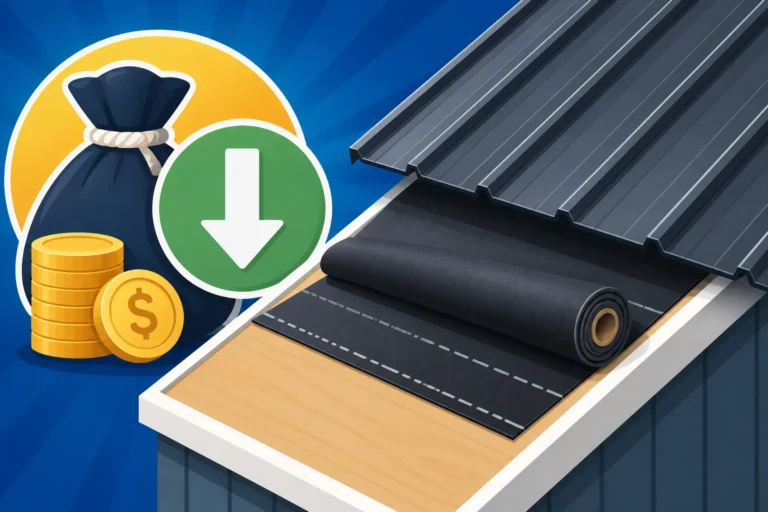
It is important to realize that the metal panels themselves are only one part of the equation. A comprehensive estimate includes fasteners, underlayment, trim, and, most importantly, the skilled labor required to put it all together. When steel prices rise, it often triggers a "sympathetic" price increase in other components. For example, the screws used to secure your roof are also made of steel and will see similar price hikes.
Steel vs. Other Metals: Why Material Choice Matters
While steel is the most common residential metal roofing material, it is not the only one. When steel prices become too volatile, some homeowners begin to look at alternatives like aluminum or even copper. However, 2026 is seeing price pressure across the entire metals spectrum. If you are comparing a 24 vs 26 Gauge Metal Roof: Cost Difference, you'll find that the thicker 24-gauge steel—while more durable—will be hit harder by per-pound price increases.
Aluminum is often considered in coastal areas like Miami or Tampa because it doesn't rust, but it is also subject to global aluminum market fluctuations. Interestingly, during some periods of steel price spikes, the gap between high-end steel and entry-level aluminum narrows. This makes it more important than ever to have your contractor provide a tiered quote. I’ve seen homeowners upgrade to a better material simply because the price of "budget" steel rose so fast it almost caught up to the premium options.
Manufacturing and Transport Inflation
The process of turning a raw steel coil into a finished roofing panel happens in a roll-forming facility. These facilities are also facing higher costs for labor, machine maintenance, and packaging. The specialized pallets and protective films used to prevent scratches on your new roof are made from petroleum products, which have their own price cycles. By the time the panels are ready for delivery, the manufacturing "markup" has been compounded by several layers of industrial inflation.
Shipping these heavy materials is the next hurdle. Logistics companies have dealt with a shortage of drivers and rising diesel prices, leading to higher freight surcharges. If you live in a rural area or a state far from major steel hubs, your Metal Roof Labor Cost might stay the same, but your delivery fees will climb. I recall a project in a remote part of Colorado where the delivery fee alone jumped 20% between the time the homeowner signed the contract and the delivery date, simply because of a fuel price surge.
The Rising Cost of Installation Labor
Even if steel prices were to magically stabilize, the cost of a new roof would still be rising because of the labor market. Installing a metal roof is a specialized skill. It requires more precision than laying asphalt shingles, especially for hidden-fastener systems. As we move forward, the shortage of skilled tradespeople continues to drive up wages. A reputable contractor has to pay their crew a living wage, cover workers' compensation insurance, and invest in safety training.
When you look at a Metal Roof Cost for a 2,000 Sq Ft House, remember that you are paying for expertise. If a quote seems suspiciously low despite rising material costs, the contractor might be cutting corners on labor or insurance. This is a dangerous gamble. I’ve heard horror stories of "budget" installs resulting in leaks that caused thousands of dollars in interior damage. Validating a contractor's experience is just as important as the price they quote you.
| Material / Profile Type | Estimated 2024 Cost (Per Sq) | Estimated 2026 Cost (Per Sq) | Primary Price Driver |
|---|---|---|---|
| Corrugated Steel (29 Gauge) | $5.50 – $8.00 | $6.50 – $9.50 | Raw Steel & Transport |
| Standing Seam (24 Gauge) | $12.00 – $18.00 | $14.50 – $21.00 | Labor & Specialized Steel |
| Stone-Coated Steel | $10.00 – $15.00 | $12.00 – $17.50 | Manufacturing Complexity |
| Aluminum Panels | $11.00 – $16.00 | $13.00 – $19.00 | Bauxite & Energy Costs |
| Copper (Premium) | $25.00 – $40.00 | $30.00 – $48.00 | Global Copper Demand |
Practical Strategies to Mitigate Rising Metal Roof Costs
Waiting for prices to go down is a strategy that rarely pays off in the construction world. Most homeowners who waited "for the market to cool" in 2022 and 2023 ended up paying 20% more in 2024. Instead of waiting, you should focus on smart planning and aggressive negotiation to ensure you get the best value possible in a rising market.
Timing Your Purchase and Quote Lock-ins
One of the most effective ways to beat the Metal Roof Cost Increase From Steel Prices 2026 is to secure your material early. Many contractors can "lock in" a material price with their supplier once a deposit is paid. If you know you need a roof in the next 12 months, don't wait until the leak gets worse. Sign the contract, pay the material deposit, and have the supplier hold your order. This protects you from any price hikes that occur between the signing date and the installation date.
Furthermore, consider the "off-season." In many parts of the country, roofing demand drops in the late fall or early winter. While the metal panels won't necessarily be cheaper, contractors might be more willing to negotiate on their labor rates to keep their crews busy. I’ve seen homeowners save thousands by scheduling their install for a time when the phone isn't ringing off the hook for the contractor. Just be sure to ask How to Read and Compare Metal Roof Quotes to ensure you are truly getting a deal and not just a stripped-down service.
Choosing the Right Gauge and Profile for Your Budget
If the initial estimate for a standing seam roof is higher than you expected, you don't have to give up on metal entirely. You can adjust the "specs" of your roof to find a better balance between cost and performance. For example, while 24-gauge steel is the gold standard, a 26-gauge panel is still incredibly durable for most residential applications and uses less raw steel, making it less sensitive to market spikes.
You can also look at different profiles. An exposed-fastener ribbed panel is significantly cheaper to manufacture and install than a snap-lock standing seam system. While it requires more maintenance over its life (replacing screws every 15-20 years), the upfront savings can be the difference between getting a new roof now or waiting and risking more water damage. Always ask your roofer for a "good, better, best" scenario so you can see where your money is actually going.
Financing and Insurance Savings to Offset Higher Prices
Since the upfront cost is rising, it is time to look at the "back end" savings. Many insurance companies offer significant discounts for homeowners who install a Class 4 impact-resistant metal roof. In states like Texas or Oklahoma, these Metal Roof Insurance Savings & Discounts can be as high as 25% to 35% off your annual premium. Over ten years, that discount can effectively pay for the price increase you're worried about today.
Additionally, don't overlook the long-term ROI. When you ask Is a Metal Roof Worth It? ROI, Resale & Payback, the answer is almost always yes for those staying in their home for more than a decade. A metal roof can increase your home's resale value by up to 6% compared to an asphalt roof. If you are struggling with the 2026 price hike, look into specialized home improvement loans or PACE financing (Property Assessed Clean Energy) which may be available in your area. These programs often have lower interest rates because they are tied to the energy efficiency and durability of the upgrade.
Metal Roof Cost Increase Disclaimer
The pricing information and market forecasts provided in this guide are based on current industrial trends, historical data, and projected economic indicators for 2026. However, the steel market is notoriously volatile and can be influenced by unpredictable global events, including political shifts, natural disasters, or sudden changes in trade policy. Actual quotes from local contractors may vary significantly based on your specific location, roof complexity, and the availability of materials. This guide is intended for informational purposes and should not be considered financial or legal advice. Always obtain multiple written estimates from licensed and insured professionals before beginning any roofing project.