Standing Seam vs Corrugated Cost Comparison
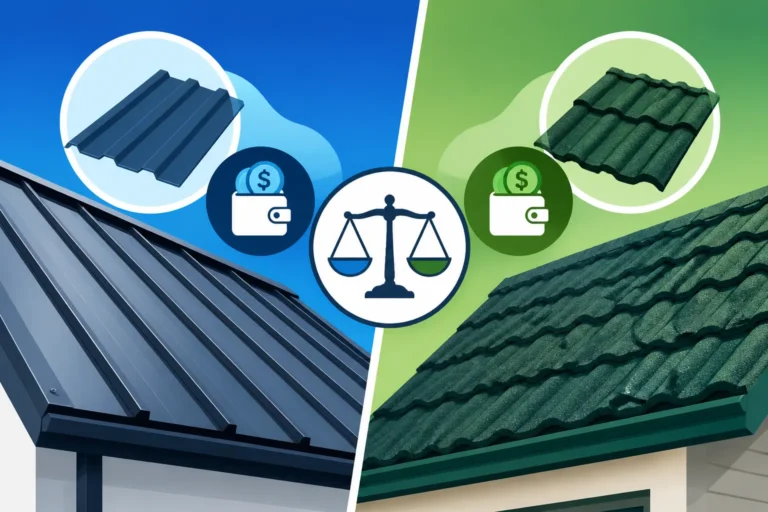
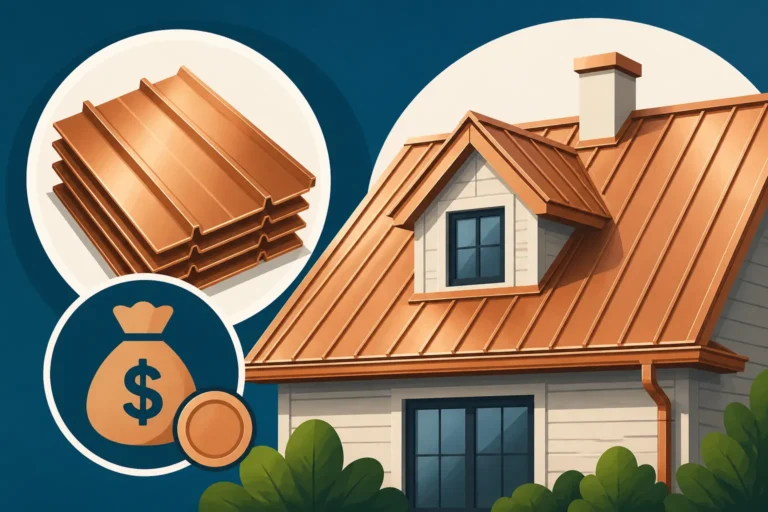
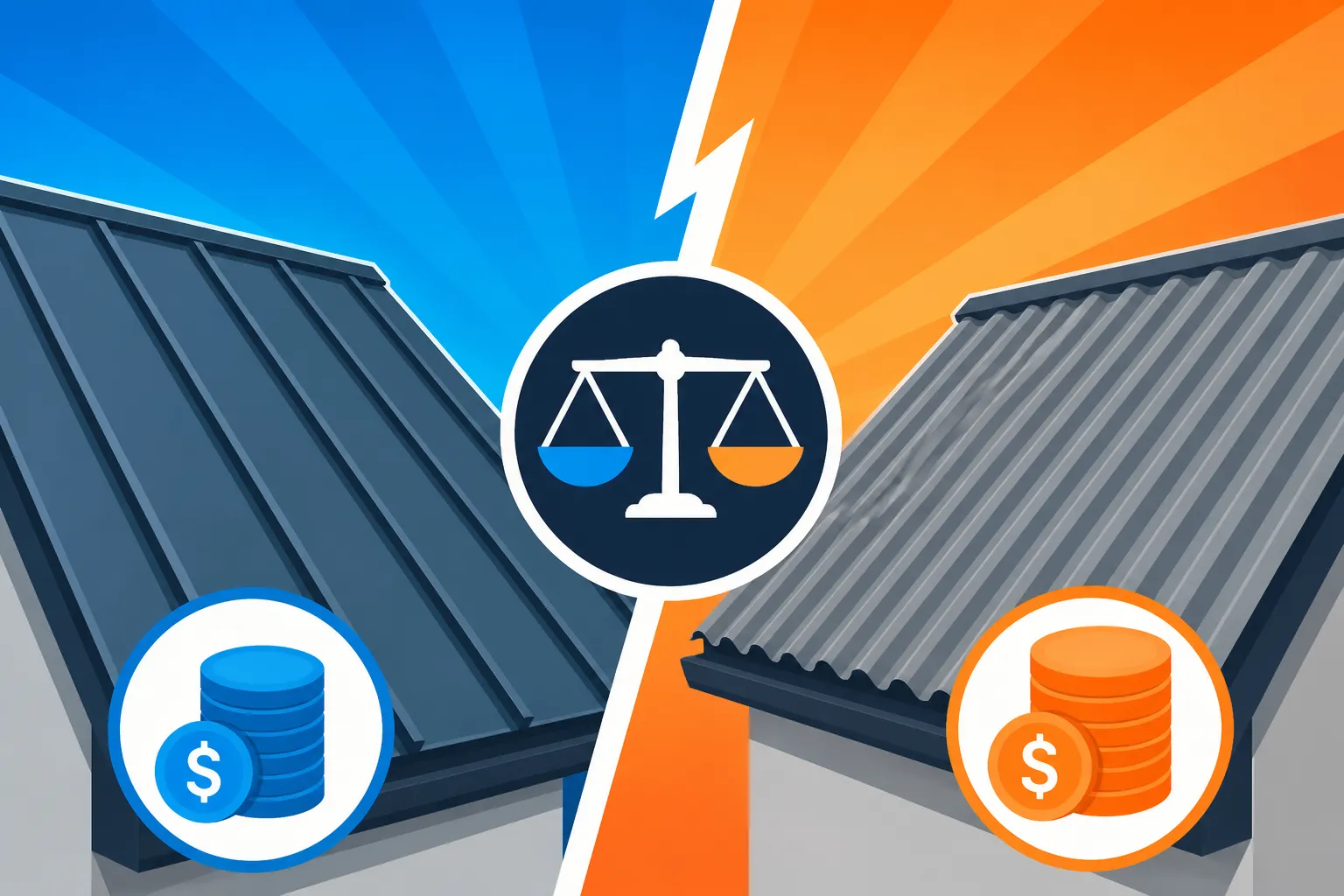
Deciding on a new metal roof for your home is a big step, and if you're like most homeowners, the cost is a huge factor. You've likely heard of both standing seam and corrugated metal roofing, and while both offer fantastic benefits, their price tags can differ significantly. This guide is here to unravel the mysteries of "Standing Seam vs Corrugated Cost Comparison," helping you understand the financial implications of each so you can make an informed decision for your home.
Understanding Standing Seam Metal Roof Costs
Standing seam metal roofing is often seen as the premium choice in the metal roofing world, and its cost generally reflects that. But what exactly goes into that higher price point, and is it truly worth the investment for your particular situation?
Initial Investment for Standing Seam
When you look at the upfront cost, a standing seam metal roof will almost always be more expensive than a corrugated one. You're typically looking at an installed price range that can vary quite a bit, often falling between $9.00 and $18.00 per square foot. This price can swing widely depending on where you live, the specific type of metal, and the complexity of your roof. For example, a homeowner in a high-cost-of-living area like coastal California might see prices at the higher end, while someone in a more rural part of the Midwest might find more competitive rates. The initial outlay covers not just the panels themselves, but also the specialized labor, the fastening system which is hidden for a sleek look, and all the necessary trim and flashing components. This system is known for its interlocking panels that connect at raised seams, concealing the fasteners from the elements and creating a very clean, modern aesthetic.
Factors Influencing Standing Seam Pricing
Several key elements contribute to the overall Standing Seam Metal Roof Cost. First off, the material itself plays a huge role. Steel (often Galvalume coated) is a common and relatively affordable option, but if you opt for something more exotic like copper or zinc, your costs will skyrocket. Aluminum is another popular choice, especially in coastal areas where salt air is a concern, and it generally sits somewhere between steel and the premium metals in terms of price. The gauge of the metal is another critical factor. Thicker gauges, like 24-gauge, are more expensive but offer superior durability and impact resistance compared to lighter 26-gauge panels.
Beyond the raw materials, the panel profile can also influence the cost. Mechanically seamed panels, which require a specialized seaming tool during installation, often have higher labor costs than snap-lock panels, which are designed for quicker, easier installation. The complexity of your roof is a massive driver. A simple gable roof on a ranch house will be far less expensive to install than a multi-pitch, multi-dormer roof with numerous valleys and skylights. Each cut, bend, and custom piece of flashing adds to the labor time and material waste, pushing up the final price. Don't forget the cost of tear-off if you're replacing an existing roof, which adds significantly to the overall project. If you're wondering how these details affect your bottom line, our guide on What Affects Metal Roof Cost: Gauge, Pitch, Complexity & Tear-Off dives much deeper.
Long-Term Value and ROI
While the initial cost of a standing seam metal roof might give you pause, it’s crucial to consider the long-term value. These roofs are renowned for their exceptional lifespan, often lasting 40-70 years, sometimes even longer with proper maintenance. This durability means you're unlikely to need another roof replacement in your lifetime, a significant saving compared to asphalt shingles, which typically need replacing every 15-30 years.
Furthermore, standing seam roofs offer excellent energy efficiency. Their reflective surfaces can significantly reduce cooling costs in warmer climates by bouncing sunlight away from your home, making your AC unit work less overtime. Many homeowners also find that a standing seam metal roof increases their home's resale value, making it a sound investment rather than just an expense. This isn't just about curb appeal, although that's certainly a factor; it's also about the peace of mind that comes with a long-lasting, low-maintenance roof. For a detailed look at the financial benefits, check out our article, Is a Metal Roof Worth It? ROI, Resale & Payback.
Breaking Down Corrugated Metal Roof Costs
Corrugated metal roofing, with its distinctive wavy or ribbed profile, has a long history, particularly in agricultural and commercial settings, but it's gaining popularity in residential applications for its rustic charm and, often, its more approachable price point.
Upfront Expenses for Corrugated Panels
Generally speaking, corrugated metal roofs are the more budget-friendly option compared to standing seam, especially in terms of initial material and installation costs. You might expect to pay an installed price ranging from $5.00 to $12.00 per square foot, which is quite a bit lower than standing seam. The reason for this cost difference often comes down to the manufacturing process, the panel design, and the installation method. Corrugated panels, along with other exposed fastener systems like R-panel or 5V Crimp, are typically easier and quicker to produce. The installation also tends to be less labor-intensive because the fasteners go directly through the panel and into the roof deck or purlins, meaning less specialized equipment and less intricate seaming.
This affordability makes corrugated roofing a very attractive option for homeowners who want the benefits of a metal roof without the higher initial investment. It’s a fantastic choice for sheds, workshops, garages, and even primary residences where a more industrial or rustic aesthetic is desired. For a deeper dive into these specific costs, you might want to read our article on Corrugated Metal Roof Cost.
Key Price Drivers for Corrugated Roofing
Just like standing seam, several factors influence the final price of a corrugated metal roof. The material is paramount. Galvanized steel (G-60 or G-90 coatings) is a common and economical choice, offering good protection against rust. Galvalume steel, a popular choice for many metal roofs due to its superior corrosion resistance, typically costs a bit more but offers enhanced durability. Aluminum corrugated panels are also available and provide excellent rust resistance, making them suitable for coastal environments, though they will be pricier than steel.
The gauge is another important consideration. While 29-gauge and 26-gauge are common for corrugated panels, a thicker 24-gauge can be found but will increase material costs. The paint finish also plays a role in the price and longevity. High-quality paint systems like PVDF (Kynar 500) offer superior fade and chalk resistance compared to SMP (Silicone Modified Polyester) coatings, meaning a longer-lasting, more vibrant roof, but at a slightly higher cost.
Finally, the installation process, while simpler than standing seam, still has its cost drivers. The number of penetrations (skylights, vents, chimneys), the steepness of your roof pitch, and whether a tear-off of old materials is required will all impact the labor hours and thus the total cost. Keep in mind that while simpler, proper installation is still crucial for longevity and preventing leaks.
Cost-Effectiveness Over Time
While corrugated roofs might not boast the 50-70 year lifespan of some premium standing seam systems, a well-installed corrugated metal roof with a good quality coating can still easily last 20-40 years, often outperforming traditional asphalt shingles significantly. This extended lifespan means fewer roof replacements over the ownership period, translating to long-term savings.
The energy efficiency benefits are also present with corrugated metal, especially if you choose lighter colors with reflective paint finishes. This can lead to lower cooling bills, much like with standing seam. While corrugated metal might not offer the same high resale value bump as standing seam in all markets, its durability and low maintenance still add tangible value to your home. When you factor in the lower initial investment and respectable lifespan, corrugated metal often presents a very compelling cost-effective solution for many homeowners, providing excellent protection without breaking the bank.
Direct Cost Comparison: Standing Seam vs. Corrugated
When it comes down to brass tacks, most people want to know how these two popular metal roofing options stack up against each other directly, especially on the wallet. It's not just about the sticker price; it's about what you get for that investment.
Material and Installation Cost Differences
The primary difference in cost between standing seam and corrugated metal roofing lies in their material and, critically, their installation.
- Materials: Standing seam panels are typically custom-fabricated to the exact length of your roof, which reduces waste but adds to the manufacturing cost. They also often use a heavier gauge metal (24-gauge is very common) for enhanced durability and rigidity, which contributes to higher material costs. Corrugated panels, on the other hand, are often manufactured in standard lengths, which can be more economical to produce. While 26-gauge and 29-gauge are common, even 24-gauge corrugated panels tend to be less expensive than their standing seam counterparts due to simpler profiling.
- Installation: This is where the biggest cost gap often emerges. Standing seam systems feature hidden fasteners, which means the panels interlock or are mechanically seamed together. This process is highly specialized, requires specific tools (like a mechanical seamer), and takes more time and skilled labor to execute properly. Every piece needs to be precisely aligned and secured to ensure a watertight seal. Corrugated panels use exposed fasteners – screws that go directly through the panel and into the roof structure. This method is much faster and less labor-intensive, driving down installation costs significantly. While exposed fasteners mean more potential points of failure over time if not installed correctly or maintained, the upfront savings are undeniable. For a clearer picture on how labor factors in, take a look at our Metal Roof Labor Cost guide.
Here's a quick comparison table to summarize the general cost ranges:
| Feature | Standing Seam Metal Roof | Corrugated Metal Roof |
|---|---|---|
| Installed Cost | $9.00 – $18.00+ per square foot | $5.00 – $12.00 per square foot |
| Material Cost | Higher (often custom lengths, heavier gauge) | Lower (standard lengths, lighter gauges common) |
| Labor Cost | Higher (specialized tools, intricate installation) | Lower (simpler, faster installation) |
| Fasteners | Hidden (mechanical seam or snap-lock) | Exposed (screws with washers) |
| Lifespan | 40-70+ years | 20-40 years |
| Aesthetics | Modern, sleek, clean lines | Rustic, traditional, industrial |
Factors Affecting the Price Gap
The actual difference in price between a standing seam and a corrugated roof can vary based on several localized factors. In regions with a high demand for modern aesthetics and where skilled standing seam installers are plentiful, the price gap might narrow slightly. Conversely, in areas where corrugated metal is extremely common (e.g., agricultural states), you might find an even larger cost difference due to competitive local pricing and readily available installers.
Another factor is the gauge comparison. If you're comparing a 24-gauge standing seam to a 29-gauge corrugated roof, the price gap will be substantial. However, if you're looking at a 26-gauge standing seam against a 26-gauge corrugated, the material cost difference might be less pronounced, though installation costs will still likely lead to a standing seam premium. Our article on 24 vs 26 Gauge Metal Roof: Cost Difference goes into more detail on how gauge impacts pricing and performance. The choice of coatings and finishes also plays a role. A premium PVDF finish on a corrugated roof will narrow the gap with a standing seam roof that uses a similar high-end coating.
When Each Option Makes Economic Sense
Choosing between the two ultimately boils down to your budget, aesthetic preferences, and long-term goals.
-
Standing Seam Makes Sense When:
- You have a higher upfront budget and are looking for the absolute best in durability and longevity.
- You prioritize a sleek, modern, and clean aesthetic that boosts curb appeal.
- You want hidden fasteners for maximum protection against leaks and minimal maintenance over decades.
- You plan to stay in your home for a very long time, allowing the extended lifespan and energy savings to fully pay off.
- You live in an area with extreme weather where superior wind resistance and waterproofing are paramount.
- You want to maximize your potential Metal Roof Insurance Savings & Discounts due to its superior impact and wind resistance ratings.
-
Corrugated Makes Sense When:
- You need a durable metal roof but are working with a more restrictive budget.
- You prefer a more traditional, rustic, or industrial look for your home or outbuilding.
- You're comfortable with exposed fasteners, understanding that they may require occasional inspection and maintenance over the roof's lifespan.
- You are looking for a reliable, long-lasting roof that offers good value for its cost, even if its lifespan isn't quite as long as standing seam.
- The overall project scope (e.g., a barn, workshop, or cabin) might not justify the higher investment of standing seam.
Ultimately, both are excellent choices for metal roofing, but their cost profiles and the benefits they offer cater to slightly different needs and priorities.
Final Considerations for Your Roofing Investment
Making a decision as significant as a new roof requires looking beyond just the immediate price tag. It's about securing your home for the future, ensuring comfort, and often adding value.
Beyond the Price Tag: Durability and Aesthetics
While cost is a huge factor, it's rarely the only factor. Consider the long-term durability you expect from your roof. Standing seam, with its hidden fasteners and robust panel design, inherently offers superior resistance to water penetration and expansion/contraction issues, often leading to a longer, more trouble-free lifespan. Corrugated, while durable, relies on exposed fasteners that, over many years, can be a point of maintenance as their washers degrade. However, modern exposed fastener systems have vastly improved, and with quality installation and materials, they perform exceptionally well.
Aesthetically, these two roof types offer very different vibes. Standing seam provides a clean, contemporary look with crisp lines that complement modern architectural styles. It's often chosen for its high-end appearance. Corrugated metal, on the other hand, brings a classic, utilitarian, or rustic charm, fitting perfectly on farmhouses, bungalows, or homes with a more industrial-chic design. Think about which style truly speaks to you and enhances your home's overall character. You can find out more about the different looks and performances in our guide, Metal Roofing Types Explained: Profiles & Panels.
Professional Installation: A Non-Negotiable
Regardless of whether you choose standing seam or corrugated, professional installation is absolutely critical. While some DIY enthusiasts might consider installing corrugated panels due to their simpler fastening method, mistakes can lead to costly leaks and premature roof failure. Standing seam installation is almost always best left to experienced, certified professionals due to the specialized seaming equipment and precision required.
A reputable contractor will ensure proper flashing, correct fastening, and adherence to local building codes, all of which are paramount for the longevity and performance of your metal roof. They will also be able to advise on the best underlayment for your specific climate and roof type. Skipping on professional installation to save a few dollars upfront can quickly turn into a nightmare of repairs and lost warranties down the line. We highly recommend consulting our comprehensive guide on How to Hire a Metal Roofing Contractor to make sure you select the right team for the job. You might also want to ask them specific questions about their experience with different metal roof types, as detailed in Questions to Ask a Metal Roofing Contractor Before You Hire.
Ultimately, both standing seam and corrugated metal roofs are fantastic options that offer superior protection, energy efficiency, and longevity compared to traditional asphalt shingles. Your choice will come down to balancing your budget with your desired aesthetic and long-term performance expectations.
Disclaimer
Please remember that all cost estimates provided in this article are approximate and can vary significantly based on location, material availability, specific contractor rates, roof complexity, and current market conditions. It is always recommended to obtain multiple detailed quotes from local, reputable roofing contractors to get the most accurate pricing for your specific project. This article is for informational purposes only and should not be considered professional financial or construction advice.