How Much Does a Metal Slate Metal Roof Cost
Oh, the dream of a slate roof! It's undeniably gorgeous, exuding a timeless elegance that instantly elevates any home. But then you look at the price tag for natural slate, and your heart sinks faster than a brick in a swimming pool, right? It's a common frustration, feeling like you have to sacrifice that sophisticated aesthetic for something more budget-friendly. Well, what if I told you there’s a fantastic alternative that gives you that luxurious slate look without the astronomical cost or the structural headaches? This guide is all about breaking down the real costs of a metal slate metal roof, so you can confidently budget and plan for this stunning and practical upgrade.
Understanding Metal Slate Roofing
Let's dive into what makes metal slate such an appealing choice for homeowners who want that classic appeal with modern performance. It’s not just a pretty face; there’s some serious engineering behind its charm.
What Exactly is Metal Slate?
When we talk about metal slate, we're really discussing metal roofing panels or shingles that are specifically designed and manufactured to replicate the appearance of traditional, natural slate tiles. Think about the rich textures, the varied colors, and the distinct edges of real slate – metal slate aims to capture all of that visual appeal, often with impressive accuracy. These aren't just flat metal sheets; they're typically pressed, stamped, or formed into individual shingles or modular panels that mimic natural slate's individual pieces.
The magic mostly lies in the materials and coatings. Most metal slate roofs are made from either steel or aluminum. Steel, often galvanized or Galvalume-coated, provides incredible strength and durability, while aluminum offers superior corrosion resistance, making it an excellent choice for coastal areas. These metal bases are then typically coated with multi-layer paint systems, like PVDF (Kynar 500) or SMP (Siliconized Modified Polyester), which provide the color, UV protection, and often a textured finish that perfectly mimics natural slate's matte look. This sophisticated manufacturing process means you get the aesthetic you desire, but with the inherent advantages of a metal roofing system.
Why Choose Metal Slate Over Traditional Slate?
This is where the rubber meets the road for many homeowners. Natural slate is beautiful, no doubt, but it comes with significant drawbacks, primarily its weight and cost. Traditional slate is incredibly heavy, often requiring extensive, costly structural reinforcements to your home's framing before installation even begins. It's also notoriously fragile and expensive to install, requiring specialized skills that drive labor costs sky-high.
Metal slate, on the other hand, is a game-changer. It's significantly lighter than natural slate, typically weighing only a fraction as much per square foot. This means you usually don't need those expensive structural upgrades. Beyond that, metal slate boasts incredible durability, standing up to harsh weather, hail, and high winds much better than its natural counterpart. It won't crack or chip like natural slate, and it offers excellent fire resistance. The installation, while still requiring skilled professionals, is generally less labor-intensive than natural slate, which translates to lower costs and a quicker project timeline. Plus, you get the benefit of a long-lasting roof that can easily last 50 years or more, providing long-term value that often outweighs the initial investment compared to other roofing materials. When you consider the full picture, from ease of installation to long-term performance, it's clear why metal slate is such a compelling option for those seeking the ultimate blend of beauty and practicality.
Breaking Down the Costs: What You Can Expect to Pay for a Metal Slate Roof
Alright, let's get down to the numbers, because that's what everyone really wants to know. The cost of a metal slate roof isn't a single, straightforward figure; it's a combination of materials, labor, and a few other necessary expenses. Understanding these components will help you get a clearer picture for your own project.
Material Costs for Metal Slate Panels
The material cost for metal slate panels typically ranges quite a bit, generally falling between $4.00 and $12.00 per square foot, or approximately $400 to $1,200 per square (a "square" equals 100 square feet). This wide range depends heavily on the specific metal used, the complexity of the panel design, and the quality of the finish.
- Steel-Based Metal Slate: Steel is often the more budget-friendly option, usually landing on the lower to mid-end of the scale. You might see pricing for quality steel panels in the $4.00 to $8.00 per square foot range. These panels are robust and come with excellent protective coatings like Galvalume, which is a blend of zinc and aluminum, offering superior corrosion resistance compared to galvanized steel. For a 2,000 sq ft house, your material costs alone could be anywhere from $8,000 to $16,000 for steel metal slate.
- Aluminum-Based Metal Slate: Aluminum panels tend to be on the higher end, typically from $6.00 to $12.00 per square foot, and sometimes even higher for premium systems. The increased cost is largely due to aluminum's lighter weight and exceptional resistance to rust and corrosion, making it ideal for homes in coastal regions or areas with heavy rainfall. For that same 2,000 sq ft house, aluminum metal slate materials could run you $12,000 to $24,000.
The aesthetic quality, how perfectly it mimics natural slate, and the warranty offered on the finish (often 30-50 years or more) also play a role in material pricing. Manufacturers like DECRA and Gerard Roofing offer high-quality stone-coated steel options that mimic slate, and their pricing might reflect the advanced engineering and long-term performance.
Installation Labor Costs
Labor is a significant portion of any roofing project, and metal slate is no exception. Because installing these specialized panels requires a higher degree of skill and precision than, say, basic asphalt shingles, the labor costs will reflect that expertise. You can typically expect to pay anywhere from $5.00 to $10.00 per square foot for labor, or $500 to $1,000 per square.
Several factors influence this range:
- Roof Complexity: A simple, straightforward gable roof will naturally cost less to install than a roof with multiple valleys, dormers, skylights, or a steep pitch. Each angle and interruption adds time and complexity, requiring more cutting, fitting, and flashing work.
- Geographic Location: Labor rates vary significantly from state to state and even city to city. What you pay in a high-cost-of-living area like Los Angeles or New York will be substantially higher than in a more rural or lower-cost region.
- Contractor Experience: Highly experienced and manufacturer-certified metal roofing contractors, who specialize in intricate installations like metal slate, often command higher rates. However, their expertise also ensures a proper, long-lasting installation, which is crucial for maximizing your roof's lifespan and warranty. It's often worth the extra investment to find a reputable, specialized installer, and you can learn more about this by checking out my guide on How to Find a Standing Seam Roof Specialist, as many specialized metal roofers also excel at metal slate.
- Seasonality and Demand: During peak roofing seasons, or after major storm events when demand for roofers is high, labor costs can temporarily increase.
So, for our hypothetical 2,000 sq ft home, installation labor could range from $10,000 to $20,000. When combined with material costs, you're looking at a total installed cost of roughly $9.00 to $22.00 per square foot.
Hidden and Ancillary Costs
When budgeting for a new roof, it's easy to focus only on the main materials and labor, but there are several other costs that can quickly add up. Ignoring these can lead to unpleasant surprises later on.
- Underlayment: This protective layer is crucial beneath your metal roof. High-quality synthetic underlayment, which is often recommended for metal roofs due to its durability and moisture resistance, can add $0.50 to $1.50 per square foot to your material costs. This is an area where cutting corners can lead to big problems down the line, so it's worth investing in a good product. You can dive deeper into this topic with my post on Metal Roof Underlayment Cost.
- Flashing and Trim: These are essential components that protect vulnerable areas of your roof, like around chimneys, skylights, valleys, and eaves. They prevent water intrusion and ensure a clean finish. The cost for flashing and trim can vary widely based on the complexity of your roofline, but it's a non-negotiable expense that can add hundreds or even thousands of dollars to the total.
- Fasteners and Sealants: Metal slate panels are secured with specialized fasteners, often concealed, and sealed appropriately. The cost of these items is typically rolled into the material or labor estimate but can sometimes be broken out. Using the correct, high-quality fasteners is vital for the longevity and performance of your roof.
- Permits: Nearly every major roofing project requires a permit from your local municipality. The cost of a permit varies significantly by location, from less than $100 to over $1,000 in some larger cities or counties. Your contractor should handle securing the permit, but the cost will be passed on to you. Neglecting a permit can lead to fines and potential issues with insurance or resale later.
- Debris Removal: Tearing off your old roof means generating a lot of waste. The cost of hauling away old shingles, felt, and other debris can range from a few hundred dollars to over $1,000, depending on the size of your roof and local disposal fees.
- Structural Reinforcement: While metal slate is much lighter than natural slate, some older homes, or homes with existing structural issues, might still require some level of reinforcement. This is less common but can be a significant unexpected cost if not identified during the initial inspection. A good contractor will flag this early in the process.
Factors Influencing Your Metal Slate Roof's Price Tag
It's clear that there's no one-size-fits-all price for a metal slate roof. The final bill can swing widely based on a handful of critical factors. Understanding these will help you make more informed decisions and accurately interpret quotes.
Roof Size and Complexity
This is often the biggest driver of cost. It's not just about the total square footage; it's also about how many "extras" your roof has.
- Square Footage: Naturally, a larger roof requires more materials and more labor, increasing the overall cost. A 3,000 sq ft home will cost more than a 1,500 sq ft home. If you're looking for a ballpark figure for a specific size, you might find my article on Metal Roof Cost for a 2,000 Sq Ft House helpful, as the principles apply to metal slate as well.
- Roof Pitch: A steep roof (a high pitch) is more difficult and dangerous to work on. This means installers often require specialized safety equipment and more time, which translates to higher labor costs. It also makes material transport up the roof more challenging.
- Valleys, Dormers, and Chimneys: Every break in the roof plane, like a valley where two roof sections meet, a dormer window, or a chimney penetration, adds complexity. These areas require meticulous cutting, fitting, and flashing to ensure watertight seals, significantly increasing labor time and material waste. Think of it like tailoring a custom suit versus buying off the rack – the more intricate the design, the higher the cost.
Material Type and Gauge
As we touched on, the type of metal you choose for your slate panels, and its thickness (gauge), directly impacts both cost and performance.
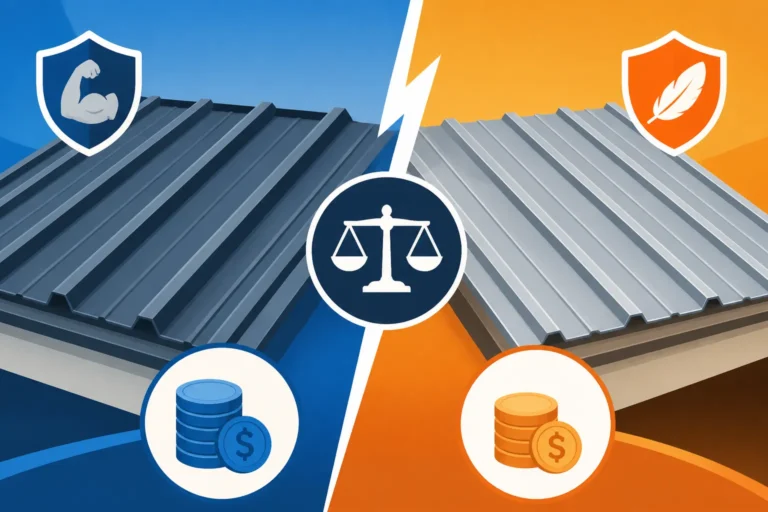
- Steel vs. Aluminum: Steel is usually more affordable, offering excellent strength and dent resistance. It's a great all-around choice. Aluminum, while pricier upfront, shines in its corrosion resistance, making it the preferred option for homes near saltwater or in very humid environments where rust is a major concern. It's also lighter, which can sometimes slightly reduce labor or structural costs.
- Gauge: The gauge refers to the thickness of the metal. A lower gauge number indicates a thicker metal (e.g., 24-gauge is thicker than 26-gauge). Thicker panels are more rigid, more durable, and less prone to denting or oil canning (a visual waviness in the flat panels). They also cost more. For residential applications, 26-gauge is common, but 24-gauge is often recommended for premium metal slate systems, offering enhanced durability. You can explore this further in my guide on 24 vs 26 Gauge Metal Roof: Cost Difference.
- Coatings and Finishes: The quality of the protective and aesthetic coating also plays a role. High-end PVDF (Kynar 500) coatings, known for their superior color retention and durability, typically add to the cost compared to standard SMP coatings. These coatings are essential for maintaining the beautiful slate appearance for decades.
Geographic Location and Contractor Rates
Where you live can have a surprising impact on your total roofing costs. This isn't just about local material supply chains but also about labor markets.
- Regional Cost of Living: Areas with a higher cost of living generally have higher labor rates for skilled trades like roofing. Contractors need to cover their own overhead, including wages, insurance, and operating expenses, which are higher in these regions. For example, a metal slate roof in a bustling city like Seattle or Portland might cost more than in a less densely populated area.
- Local Demand: If there's high demand for roofing contractors in your area, particularly for specialized metal roofs, prices can be driven up. This is especially true after major weather events.
- Competition: Conversely, an area with a healthy number of reputable metal roofing contractors might see more competitive pricing, as businesses vie for your project. Always get multiple quotes – I usually recommend at least three – to ensure you're getting a fair price and comparing apples to apples, a concept discussed in How to Read and Compare Metal Roof Quotes.
Existing Roof Removal and Decking Issues
Before your shiny new metal slate roof can go on, the old one usually has to come off, and the underlying structure needs to be sound.
- Tear-Off Costs: Removing an existing roof, whether it's asphalt shingles, old metal, or even natural slate, adds to the project cost. This includes the labor for removal and the fees for disposal. The heavier or more complex the old roof, the higher the tear-off cost. Sometimes, you can install a metal roof over existing shingles, which can save on tear-off costs, but this isn't always advisable or code-compliant, and it's something to discuss thoroughly with your contractor. You might want to read Tear-Off vs Metal Over Shingles: Cost Difference for more details.
- Decking Repairs: Once the old roof is removed, the roof decking (the plywood or OSB sheathing beneath) is inspected. If there's any water damage, rot, or structural issues, these will need to be repaired or replaced before the new metal roof can be installed. This is often an unknown cost until the tear-off is complete but is crucial for the integrity of your new roof. Expect to pay extra for any necessary decking repairs.
Is a Metal Slate Roof a Good Investment? Understanding the Value
Looking beyond the upfront costs, a metal slate roof offers significant long-term value that can make it a very smart investment for your home. It’s not just about spending money; it’s about investing in your property's future.
Long-Term Savings and Durability
One of the biggest advantages of metal slate is its incredible lifespan and low maintenance requirements. While asphalt shingles typically last 15-30 years, a high-quality metal slate roof can easily last 50 to 75 years, or even longer. This means you'll likely never have to replace your roof again, saving you the significant cost and hassle of multiple re-roofing projects over your lifetime.
Beyond sheer longevity, metal roofs are known for their energy efficiency. Their reflective surfaces can significantly reduce heat absorption, especially lighter colors, keeping your home cooler in the summer and potentially lowering your air conditioning bills. Many metal slate products are ENERGY STAR® certified. This long-term saving on utility bills, combined with minimal repair needs, truly underscores the lifetime value of a metal slate roof. This aspect is often detailed in discussions like Metal Roof Cost vs Lifespan Value.
Home Value and Curb Appeal
There's no denying the immediate "wow" factor of a metal slate roof. Its sophisticated appearance instantly boosts your home's curb appeal, making it stand out in the neighborhood. For potential buyers, a metal slate roof is a huge selling point. It signals quality, durability, and a virtually maintenance-free exterior for decades to come.
Numerous studies and real estate experts suggest that a metal roof can significantly increase your home's resale value. In some markets, homeowners recoup a very high percentage of their investment, sometimes even over 100%, when selling their home. This is especially true for premium options like metal slate, which combine aesthetic appeal with superior performance. It's a tangible asset that adds desirability and financial return to your property. To understand more about this, you can check out my article on Does a Metal Roof Increase Home Value?.
Insurance Benefits
Believe it or not, a metal slate roof can actually save you money on your homeowners insurance premiums. Because metal roofs are highly resistant to fire, hail, and high winds – often qualifying for a Class A fire rating, Class 4 impact resistance rating, and high wind uplift ratings – many insurance companies offer discounts.
These discounts can vary widely by insurer and location, but they can be substantial, especially in areas prone to severe weather. For example, in states like Texas or Florida, where hail and hurricane winds are a concern, a metal roof can lead to significant savings. Always check with your insurance provider before installation to see what specific discounts you might qualify for, which is a great tip found in Metal Roof Insurance Savings & Discounts. The long-term savings on insurance, combined with energy efficiency and avoided replacement costs, truly solidify a metal slate roof as a smart financial decision.
Average Metal Slate Roof Cost Comparison
To give you a clearer picture, here's a table comparing the typical installed cost ranges for different metal slate material types. Remember, these are averages, and your specific project costs may vary based on the factors we've discussed.
| Metal Slate Material Type | Material Cost Per Sq Ft | Labor Cost Per Sq Ft | Total Installed Cost Per Sq Ft | Average 2,000 Sq Ft Home Cost (Installed) | Key Benefit |
|---|---|---|---|---|---|
| Steel Metal Slate (26-ga) | $4.00 – $7.00 | $5.00 – $8.00 | $9.00 – $15.00 | $18,000 – $30,000 | Excellent strength, good value |
| Steel Metal Slate (24-ga) | $5.00 – $8.00 | $5.00 – $9.00 | $10.00 – $17.00 | $20,000 – $34,000 | Enhanced durability, dent resistance |
| Aluminum Metal Slate | $6.00 – $12.00 | $6.00 – $10.00 | $12.00 – $22.00 | $24,000 – $44,000 | Superior corrosion resistance, lighter |
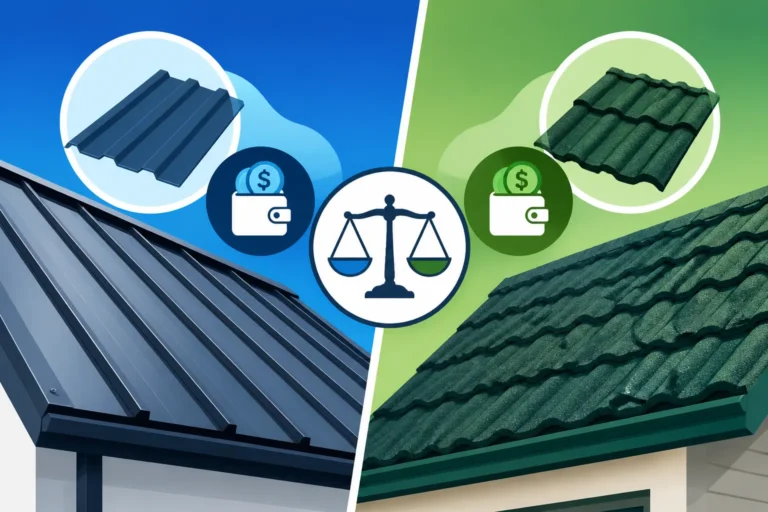
| Stone-Coated Steel Slate | $5.00 – $10.00 | $6.00 – $9.00 | $11.00 – $19.00 | $22,000 – $38,000 | Realistic texture, impact resistance |
Note: These ranges are estimates and can fluctuate based on specific product lines, regional pricing, and individual contractor rates. Always get a detailed quote for your unique project.
Disclaimer
Please remember that the information provided in this guide is intended for general informational purposes only and should not be considered professional financial, construction, or legal advice. Roofing costs are subject to significant variation based on location, specific materials chosen, contractor rates, roof complexity, and current market conditions. Always consult with qualified, local metal roofing professionals for accurate quotes and expert advice tailored to your specific project needs. Pricing mentioned is illustrative and can change.