Metal Roof Insurance Discount in Georgia
Investing in a metal roof for your Georgia home is a significant decision, and for many homeowners, the high upfront cost can feel like a daunting hurdle. You're looking for every possible way to make this smart, long-term investment more manageable, and one of the most common questions that comes up is whether a metal roof will actually lower your homeowners insurance premiums. It’s frustrating to hear about potential savings only to find the process of actually getting those discounts opaque and confusing. This guide is here to shed light on metal roof insurance discounts specifically for homeowners in Georgia, explaining what to expect, how to maximize your chances, and what factors insurers truly care about.
The Reality of Metal Roof Insurance Discounts in Georgia
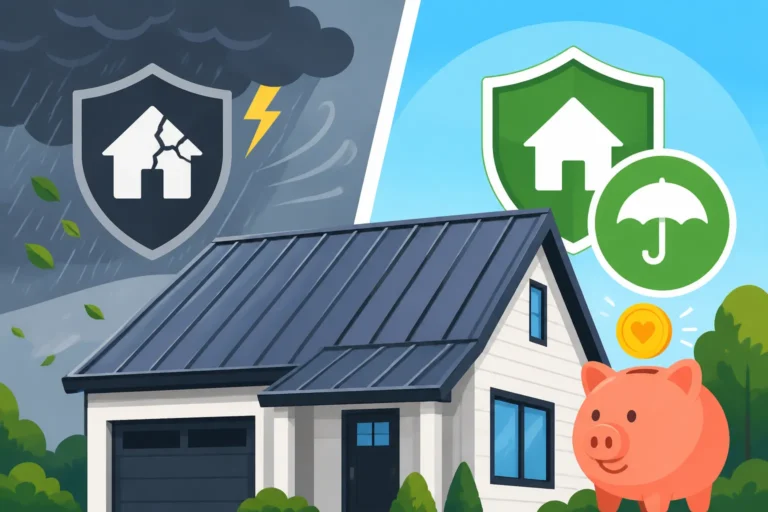
Let's be real: you've likely heard that metal roofs are incredibly durable, fire-resistant, and can stand up to extreme weather far better than traditional asphalt shingles. This is absolutely true, and these inherent qualities should translate into lower insurance premiums because your home is less risky to insure. However, the path to seeing those savings on your monthly bill isn't always as straightforward as simply installing a metal roof.
While some states, particularly those frequently impacted by hurricanes like Florida, have specific mandates or strong incentives for insurers to offer discounts for resilient roofing, Georgia’s landscape is a bit different. We experience our fair share of severe weather, from heavy thunderstorms and tornadoes to occasional tropical storm remnants and hailstorms that can really do a number on conventional roofs. Because of these risks, many insurance carriers do voluntarily offer discounts for metal roofs in Georgia, recognizing their superior protection against wind damage, hail, and fire. The key is knowing what to ask for and what documentation to provide. It's not usually an automatic discount that just appears on your policy; you often have to proactively seek it out and make a strong case.
Why Insurers View Metal Roofs Favorably
Think about it from an insurance company's perspective. Their goal is to minimize payouts for damage. A roof that is less likely to be damaged by common perils means fewer claims, and that's good for their bottom line.
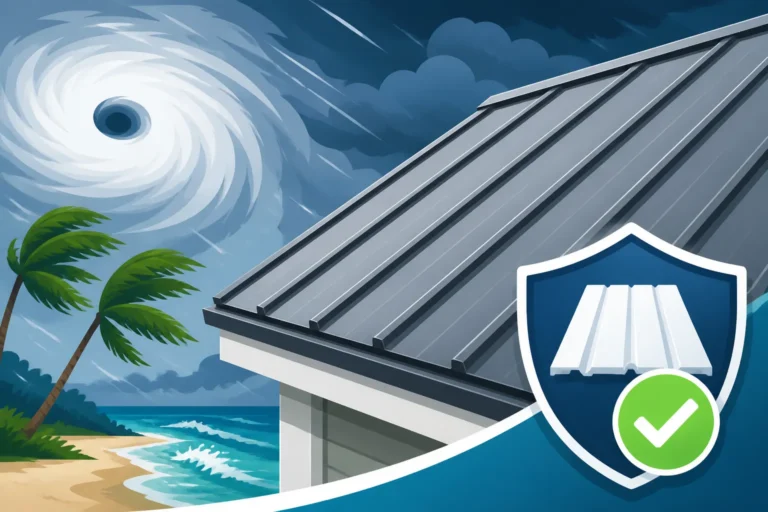
- Wind Resistance: Metal roofs, especially those with concealed fastener systems like Standing Seam Metal Roof Cost, are incredibly resistant to high winds. Unlike shingles that can be lifted and torn off one by one, metal panels are typically secured with heavy-duty fasteners, making them far less susceptible to wind uplift. In Georgia, where strong winds are a real concern during summer storms and even tornado season, this is a huge advantage.
- Fire Resistance: Metal is non-combustible. This gives metal roofs a Class A fire rating, the highest possible. While house fires might not start on the roof, a metal roof can prevent embers from a nearby fire (like a wildfire or a neighbor's house fire) from igniting your home. This is a significant safety factor that insurers appreciate.
- Impact Resistance (Hail): While a metal roof isn't impervious to hail, many types, particularly Stone-Coated Steel Roof Cost and thicker gauges of standing seam, can withstand hail impact much better than asphalt shingles. Shingles often incur significant damage from even moderate hail, leading to costly replacements. A metal roof might show cosmetic dents from severe hail, but its structural integrity is usually maintained, reducing the likelihood of leaks and complete roof replacement claims.
- Longevity: Metal roofs last a really, really long time – often 40-70 years. This means fewer roof replacements over the lifespan of your home, reducing the risk of claims related to an aging, failing roof.
These factors combined paint a picture of a more resilient home, which theoretically should lead to lower premiums. However, the exact discount amount and eligibility criteria can vary widely between different insurance providers.
What Factors Influence Discounts and How to Qualify
Getting a metal roof insurance discount in Georgia isn't just about having a metal roof; it's about having the right kind of metal roof, installed correctly, and being able to prove it. Insurers look at several specific characteristics of your metal roofing system to determine eligibility and the extent of any discount.
Roof Material and Type
The type of metal roof you choose can absolutely play a role. While most metal roofs offer inherent advantages, some are considered more robust than others.
- Steel vs. Aluminum vs. Copper vs. Zinc: Each metal has different properties that can impact its durability and, by extension, its insurance appeal. Steel, often galvanized or Galvalume-coated, is very strong and widely used. Aluminum is lighter and highly corrosion-resistant, making it excellent for coastal areas, though Georgia isn is mostly inland, it's still a robust choice. Copper and zinc are premium options known for extreme longevity and unique aesthetic but come at a much higher Copper Roof Cost or Zinc Roof Cost. Generally, any of these materials will be better than shingles in an insurer's eyes, but specific benefits (like corrosion resistance for aluminum) might not be explicitly factored into a standard discount if your home isn't in a high-corrosion zone.
- Panel Profiles: Standing Seam Metal Roof Cost systems, with their concealed fasteners and interlocking panels, are often seen as the gold standard for durability and weather resistance. They are typically more expensive to install but offer superior protection. Corrugated Metal Roof Cost or R-panel systems, which use exposed fasteners, are also very durable but might be considered slightly less robust in extreme wind events compared to standing seam, as the exposed fasteners are the roof's weakest point. Metal Shingle Cost options, designed to mimic traditional roofing materials, also provide excellent protection. The key is often in the installation and adherence to manufacturer specifications.
Insurers in Georgia will want to know the specifics. Did you opt for a robust 24-gauge standing seam system, or a lighter 29-gauge corrugated panel? The thicker gauges (lower numbers) generally mean more durability and potentially better discounts. This is why understanding Metal Roof Gauges Explained: 22, 24, 26 & 29 is so important.
Wind Resistance and Ratings
Wind damage is a primary concern for insurers in Georgia, especially with the potential for hurricanes and severe thunderstorms. Metal roofs excel here, but it's not just about the material; it's about how it's installed.
- Uplift Resistance: Insurers will want to know how well your roof is secured to the decking and if it can withstand significant wind uplift pressures. This often comes down to the fastening system and proper installation. A mechanically seamed standing seam roof, for instance, offers incredible uplift resistance.
- Installation Standards: The quality of the installation is paramount. A poorly installed metal roof, even with the best materials, won't perform as expected. This is where a reputable, experienced contractor comes in. They should be installing the roof according to manufacturer specifications and local building codes, which are designed to ensure the roof can withstand expected wind loads.
- Wind Mitigation Reports: While not as common a requirement in Georgia as in Florida, some insurers may offer additional discounts if you have a wind mitigation inspection. This report details the various features of your home that make it more resistant to wind damage, including your roof's age, deck attachment, and the roof-to-wall connection. Even without a specific state mandate, proactively getting a wind mitigation report can sometimes demonstrate to your insurer that your metal roof meets higher standards, potentially unlocking further savings. You can learn more about Metal Roof Wind and Fire Ratings Explained to understand these metrics.
Fire Resistance
As mentioned, metal roofs are non-combustible and carry a Class A fire rating. This is a big deal for insurers because it drastically reduces the risk of your home catching fire from external sources.
- Class A Rating: This is the highest fire resistance rating a roofing material can achieve. It means the roof can withstand severe fire exposure from external sources without spreading flames or becoming significantly damaged.
- Verification: To qualify for a fire resistance discount, your insurer will likely need proof of your roof's Class A rating, which can typically be found in the manufacturer's product specifications. They may also look for information on Metal Roof Building Codes Explained to ensure local compliance.
Impact Resistance (Hail)
Hailstorms can be incredibly destructive, and Georgia sees its fair share. A metal roof's ability to resist hail damage is a major plus for insurers.
- Class 4 Impact Resistance: This is the highest impact resistance rating a roof can achieve, tested to withstand the impact of 2-inch steel balls dropped from 20 feet without cracking or puncturing. While not all metal roofs achieve this, many Stone-Coated Steel Roof Cost options do, and even some thicker gauge standing seam panels offer excellent impact resistance.
- Cosmetic vs. Structural Damage: It's important to differentiate. A metal roof might get cosmetic dents from large hail, but these often don't compromise the roof's integrity or lead to leaks. Asphalt shingles, however, often crack, bruise, and lose granules from hail, requiring full replacement. Insurers might still cover cosmetic damage if you have the right policy, but the reduced likelihood of structural damage is where the real premium savings come from.
If your metal roof carries a Class 4 impact resistance rating, be sure to highlight this to your insurer. It can lead to significant discounts, especially in hail-prone areas of Georgia.
Installation Quality and Certifications
A metal roof is only as good as its installation. Even the highest quality materials can fail prematurely if not installed correctly. Insurers know this, and they often give preference to roofs installed by certified professionals.
- Licensed and Insured Contractors: Always work with a roofing contractor who is licensed and fully insured in Georgia. This protects you from liability if an accident occurs on your property.
- Manufacturer-Certified Installers: Many metal roofing manufacturers offer certification programs for installers. A Manufacturer-Certified Metal Roof Installers Explained means they have undergone specific training directly from the manufacturer on how to properly install their products. This often comes with extended warranties and signals to insurers that the installation quality is top-notch.
- Permits and Inspections: Ensure your contractor pulls all necessary permits for your metal roof installation. In many Georgia cities and counties, a permit is required for a new roof, and this often involves inspections by local building officials. These inspections verify that the roof was installed to code, providing an independent stamp of approval that insurers appreciate. This also ties into the general topic of Do You Need a Permit for a Metal Roof?.
A shoddy installation might save you money upfront, but it could void warranties, lead to premature roof failure, and certainly won't get you any insurance discounts. Don't cut corners here.
Navigating Insurance Companies in Georgia
Getting that discount often feels like a negotiation, and you need to come prepared. Here’s how to effectively work with insurance providers in Georgia.
Gathering Documentation
Before you even pick up the phone, get your paperwork in order. The more proof you have, the better your chances.
- Sales Contract and Receipts: Keep detailed records of your purchase and installation. This should include the type of metal (steel, aluminum), profile (standing seam, corrugated), gauge, color, and any special coatings.
- Manufacturer Specifications: Get a copy of the product specifications from your roofing material manufacturer. This document will detail the roof's Class A fire rating, wind uplift resistance, and any impact resistance ratings (like Class 4). For example, if you chose a product from a brand like McElroy Metal or Englert, their spec sheets are invaluable.
- Installation Records: Your contractor should provide documentation of the installation, including details about the fastening system, underlayment used (Metal Roof Underlayment and Ventilation Guide), and any compliance with local building codes.
- Permit and Inspection Certificates: If a permit was pulled (and it should have been), you'll have documentation from your local building department confirming that the installation passed inspection. This is critical for proving a compliant, safe installation.
- Wind Mitigation Report (Optional but Recommended): As discussed earlier, an official wind mitigation report, even if not strictly required, can provide concrete data to your insurer about your home's wind resistance.
Speaking with Your Agent
Your insurance agent is your primary point of contact. Be prepared to educate them, as not all agents are equally familiar with the nuances of metal roofing.
- Proactive Communication: Don't wait for your policy renewal. Call your agent as soon as your metal roof is installed.
- Highlight Key Features: Don't just say "I got a metal roof." Specifically mention its Class A fire rating, its superior wind resistance (and any wind-rated certifications), and if applicable, its Class 4 impact resistance for hail.
- Provide Documentation: Offer to send all the documentation you've gathered. Don't assume they'll automatically look it up.
- Ask Specific Questions:
- "What specific discounts do you offer for metal roofs in Georgia?"
- "What documentation do I need to provide to qualify for these discounts?"
- "Are there additional discounts for Class A fire ratings or Class 4 impact resistance?"
- "Will a wind mitigation inspection further reduce my premiums?"
- "How much will my premium decrease with these discounts applied?"
Be patient but persistent. Sometimes, it might take a bit of back-and-forth for them to process the information and adjust your policy.
Comparing Quotes
Never settle for the first offer. Insurance rates, and the discounts offered, can vary significantly between different carriers in Georgia.
- Shop Around: Get quotes from multiple insurance providers. Companies like State Farm, Allstate, Travelers, Farmers, and local Georgia Farm Bureau agents all operate in the state and may have different approaches to metal roof discounts. Online comparison tools can be helpful, but it's often best to speak directly with an agent to ensure your metal roof's specific benefits are accounted for.
- Apples-to-Apples Comparison: When comparing quotes, make sure you're looking at comparable coverage levels, deductibles, and endorsement. A lower premium isn't a good deal if it means drastically reduced coverage. This is similar to how you would How to Read and Compare Metal Roof Quotes when choosing a contractor.
- Mention Your Metal Roof Early: When getting new quotes, immediately inform prospective insurers that you have a metal roof and provide all the relevant details. This ensures they factor it into their initial pricing. You want to make sure they know about your premium roof from the start.
By shopping around, you stand a much better chance of finding a carrier that truly values the resilience and longevity of your metal roof and offers competitive Metal Roof Insurance Savings & Discounts.
Here’s a quick overview of how a metal roof generally stacks up against common insurance discount categories:
| Discount Category | Metal Roof Performance | Potential for Discount |
|---|---|---|
| Wind Mitigation | High wind uplift resistance due to durable fasteners, interlocking panels (especially standing seam). | High |
| Fire Resistance | Non-combustible, Class A fire rating (highest). | High |
| Impact Resistance (Hail) | Good to excellent, depending on material/profile (e.g., stone-coated steel often Class 4). | Moderate to High |
| Age of Roof | Brand new installation with a 40-70 year lifespan, reducing future claims. | Moderate |
| Roof Deck Attachment | If installed to modern code, often superior attachment. | Moderate |
| Secondary Water Resistance | Can be achieved with proper underlayment, important for leak prevention. | Moderate |
Beyond Discounts: Long-Term Value and Considerations
While insurance discounts are a welcome bonus, the true value of a metal roof extends far beyond just lower premiums. When considering the full financial picture for your Georgia home, remember the profound long-term benefits that ultimately save you money and headaches.
Potential Claims and Repair
One of the most compelling arguments for a metal roof is its ability to simply avoid claims altogether or mitigate their severity. Instead of dealing with the stress and hassle of roof damage after every major storm, a metal roof offers a greater sense of security.
- Reduced Frequency of Claims: Metal roofs are less prone to common issues like missing shingles, granular loss, or leaks that plague asphalt roofs after a severe thunderstorm or hailstorm. This means you're less likely to file claims, which can help keep your insurance premiums stable over time and prevent you from hitting your deductible repeatedly.
- Durability in Severe Weather: In regions of Georgia prone to strong winds or large hail, a metal roof can significantly reduce the severity of damage. While extreme events can still cause issues, the structural integrity of a metal roof often remains intact, even if there's cosmetic damage. This means fewer instances of total roof replacement. For example, understanding how to handle Metal Roof Storm, Hail & Wind Damage is crucial.
- Easier, More Targeted Repairs: When issues do arise (which is rare), metal roof repairs can sometimes be more targeted. For instance, if a panel is damaged, it might be possible to replace just that panel rather than a large section of the roof. This can translate to lower repair costs, potentially staying below your deductible.
The Full Financial Picture
The initial Metal Roof Cost: Complete 2026 Guide can be higher than traditional roofing, but it's essential to look at the total cost of ownership over several decades. When you factor in insurance savings, reduced maintenance, and exceptional longevity, a metal roof often becomes the more economical choice in the long run.
- Superior Lifespan: A metal roof can easily last two to three times longer than an asphalt shingle roof. While an asphalt roof might need replacing every 15-20 years in Georgia's climate, a metal roof can comfortably last 40-70 years, often outliving the homeowner. This means you avoid multiple expensive roof replacements over your home's lifetime.
- Reduced Maintenance: Metal roofs generally require very little maintenance. Beyond periodic cleaning and inspections (which are good practice for any roof), you won't be dealing with loose shingles or granular erosion. This saves you money on ongoing upkeep and potential repair costs.
- Energy Efficiency: Many metal roofs, especially those with reflective coatings, can significantly reduce your home's cooling costs in Georgia's hot summers by reflecting solar radiation. Some energy companies even offer rebates for energy-efficient roofing, further adding to your savings.
- Increased Home Value: A metal roof is a significant upgrade that can increase your home's resale value and curb appeal. Potential buyers appreciate the durability, low maintenance, and energy efficiency benefits. This contributes to a positive Is a Metal Roof Worth It? ROI, Resale & Payback when you decide to sell your home.
When you weigh the potential insurance discounts against the long lifespan, minimal maintenance, energy savings, and enhanced protection, a metal roof stands out as a smart investment for any Georgia homeowner. It’s not just about what you save today, but what you preserve for decades to come. Don't forget to ask your potential contractors about their experience and certifications; a good place to start is knowing Questions to Ask a Metal Roofing Contractor Before You Hire. And always remember to get How Many Metal Roof Quotes Should You Get to ensure you're getting the best deal for both the installation and potential insurance savings.
Disclaimer
Please remember that insurance policies and discounts can change, and eligibility may vary based on your specific insurer, location within Georgia, and the exact specifications of your metal roof. This article provides general information and should not be considered professional financial or insurance advice. Always consult with a licensed insurance agent to get accurate information regarding your specific policy and potential savings.