Can HOA Restrict Metal Roof Color?
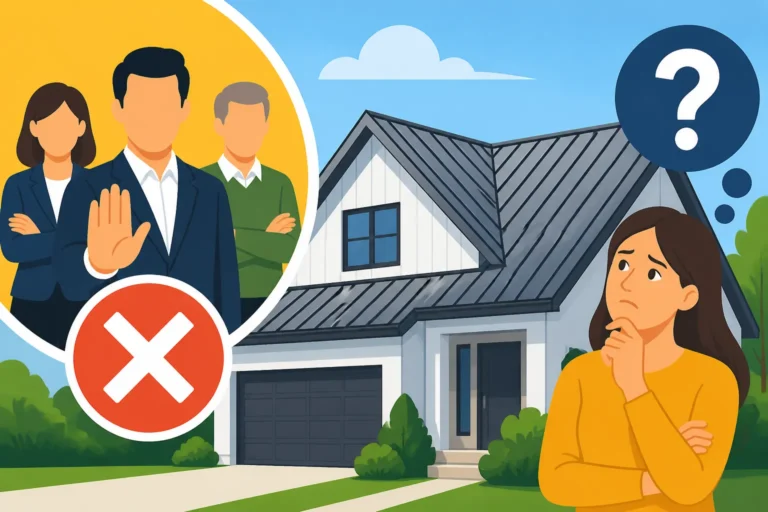
It's incredibly frustrating when you're ready to make a significant upgrade to your home, like installing a durable, beautiful metal roof, only to hit a roadblock with your homeowner's association. Many homeowners wonder if their HOA truly has the power to dictate something as specific as the color of their new roof. This guide is here to untangle the complexities of HOA regulations regarding metal roof colors, helping you understand your rights and the pathways to securing approval.
Understanding HOA Authority and Metal Roofs
Homeowner's associations are often seen as a necessary evil, maintaining neighborhood aesthetics and property values, but sometimes they feel more like an overzealous landlord. When it comes to something as visible as your roof, especially a metal one that can make quite a statement, HOAs tend to have a keen eye on the details, including color.
The Legal Basis of HOA Power
HOAs derive their power from a set of documents that every homeowner agrees to when they purchase property within that community. These documents typically include the Declaration of Covenants, Conditions, and Restrictions (CC&Rs), bylaws, and specific architectural guidelines. The CC&Rs are the most foundational, essentially forming a contract between you and the HOA. They outline what is and isn't allowed, from fence heights to mailbox styles, and yes, often roofing materials and colors.
When you signed those closing papers, you likely agreed to abide by these rules, even if you didn't read every single page. This legal framework gives the HOA's architectural review committee (ARC) the authority to approve or deny exterior modifications. Their goal, from their perspective, is to maintain a consistent aesthetic across the community, which they believe protects property values. If you're looking into a new metal roof, it's crucial to understand your HOA's specific stance on things like materials, profiles, and, most notably for our discussion, colors. Before moving forward, you might find it helpful to review topics like "HOA Rules and Metal Roofs: What's Allowed" to get a broader understanding.
Why HOAs Care About Roof Colors
You might think, "It's just a roof color, why the fuss?" But for an HOA, the color of your roof is a significant component of your home's exterior appeal and, by extension, the overall aesthetic harmony of the neighborhood. Imagine a street where every house has a wildly different roof color – one bright blue, another vibrant orange, a third neon green. While individualistic, it could lead to a chaotic appearance that many HOAs fear would detract from the community's desirability and property values.
Common reasons HOAs impose color restrictions include:
- Maintaining Architectural Harmony: Most HOAs have a specific architectural style or aesthetic they aim to uphold, whether it's modern farmhouse, traditional suburban, or Mediterranean. Certain roof colors are seen as complementing this style, while others clash.
- Property Value Protection: The belief is that a cohesive, visually appealing neighborhood maintains or even increases property values. An "out-of-place" roof color could, in their view, negatively impact that.
- Resale Appeal: When homes go on the market, buyers often prefer a neutral or classic aesthetic that doesn't require immediate changes. Bold roof colors might limit the pool of potential buyers.
- Preventing "Eyesores": While subjective, HOAs often operate under the assumption that they are preventing homes from becoming "eyesores" that might upset other residents.
For many homeowners, choosing a metal roof is a decision driven by longevity, durability, and energy efficiency. The desire to customize with a specific color is a natural extension of that personal investment. However, these considerations often take a backseat to the HOA's aesthetic mandates.
Common Metal Roof Types and Aesthetic Concerns
Metal roofs come in a dazzling array of styles and finishes, far beyond the traditional grey or brown. From sleek standing seam panels to charming metal shingles designed to mimic slate or shake, the visual impact can be quite diverse. This variety, while a huge benefit to homeowners, can be a headache for HOAs trying to maintain a uniform look.
- Standing Seam Metal Roofs: These roofs feature continuous panels with raised seams, offering a modern, clean look. While often seen in muted tones, they are also available in bolder colors that can make a strong architectural statement. The clean lines of a standing seam roof can be very appealing, but an unusual color might stand out more than the HOA prefers.
- Corrugated Metal Roofs: More often associated with barns or commercial buildings, corrugated panels are becoming popular for their rustic or industrial aesthetic on some residential homes. They come in many colors, but their distinct wavy profile combined with a bright color can be a significant point of contention for an HOA.
- Stone-Coated Steel Roofs: These are designed to emulate traditional roofing materials like clay tiles, cedar shakes, or asphalt shingles, but with the durability of steel. Their textured surface and often multi-tone finishes tend to blend in more easily with existing neighborhood aesthetics, making them generally more HOA-friendly in terms of visual impact, especially if chosen in earthy or muted tones.
- Metal Shingles, Tiles, Slates, and Shakes: These profiles are specifically designed to mimic conventional roofing materials, making them a popular choice for homeowners transitioning from asphalt shingles who want the benefits of metal without a drastic change in appearance. Many HOAs are more amenable to these styles, particularly if the colors chosen are within traditional palettes.
Each type offers different aesthetic possibilities, and thus different potential points of friction with an HOA's architectural review process. Understanding the specific visual impact of your chosen metal roof type and color is the first step in anticipating potential HOA concerns. For a deeper dive into the options, you might explore "Metal Roofing Types Explained: Profiles & Panels."
Navigating Color Restrictions in Your HOA
So, you're set on a metal roof, and you have a particular color in mind. Your next step, before getting too far down the planning road, is to understand exactly what your HOA's rules say about roof colors. This isn't always as straightforward as it sounds.
Locating Your Specific Governing Documents
The absolute first thing you need to do is get your hands on a current copy of your HOA's governing documents. These include the Declaration of CC&Rs, the bylaws, and, most importantly for this discussion, the architectural guidelines or design review manual. Don't rely on memory or what your neighbor thinks the rules are. Obtain the official, most up-to-date versions.
You can usually get these documents from:
- Your HOA Management Company: If your community employs one, this is often the easiest route.
- The HOA Board of Directors: If it's a self-managed community, a board member should be able to provide them.
- Your Property Deed or Closing Documents: The CC&Rs are often recorded with your property deed.
- Community Website or Portal: Many modern HOAs maintain a digital repository of their documents.
Once you have them, dedicate time to reading the sections pertaining to exterior modifications, roofing materials, and color palettes. Look for specific language. Do they list approved colors? Do they specify "earth tones" or "natural hues"? Do they allow for specific ranges (e.g., "shades of gray, brown, and muted green")? The more precise the language, the clearer your path forward will be. If the documents are vague, that could be either a blessing or a curse, depending on how the architectural review board interprets flexibility.
Interpreting Color Palettes and Approval Processes
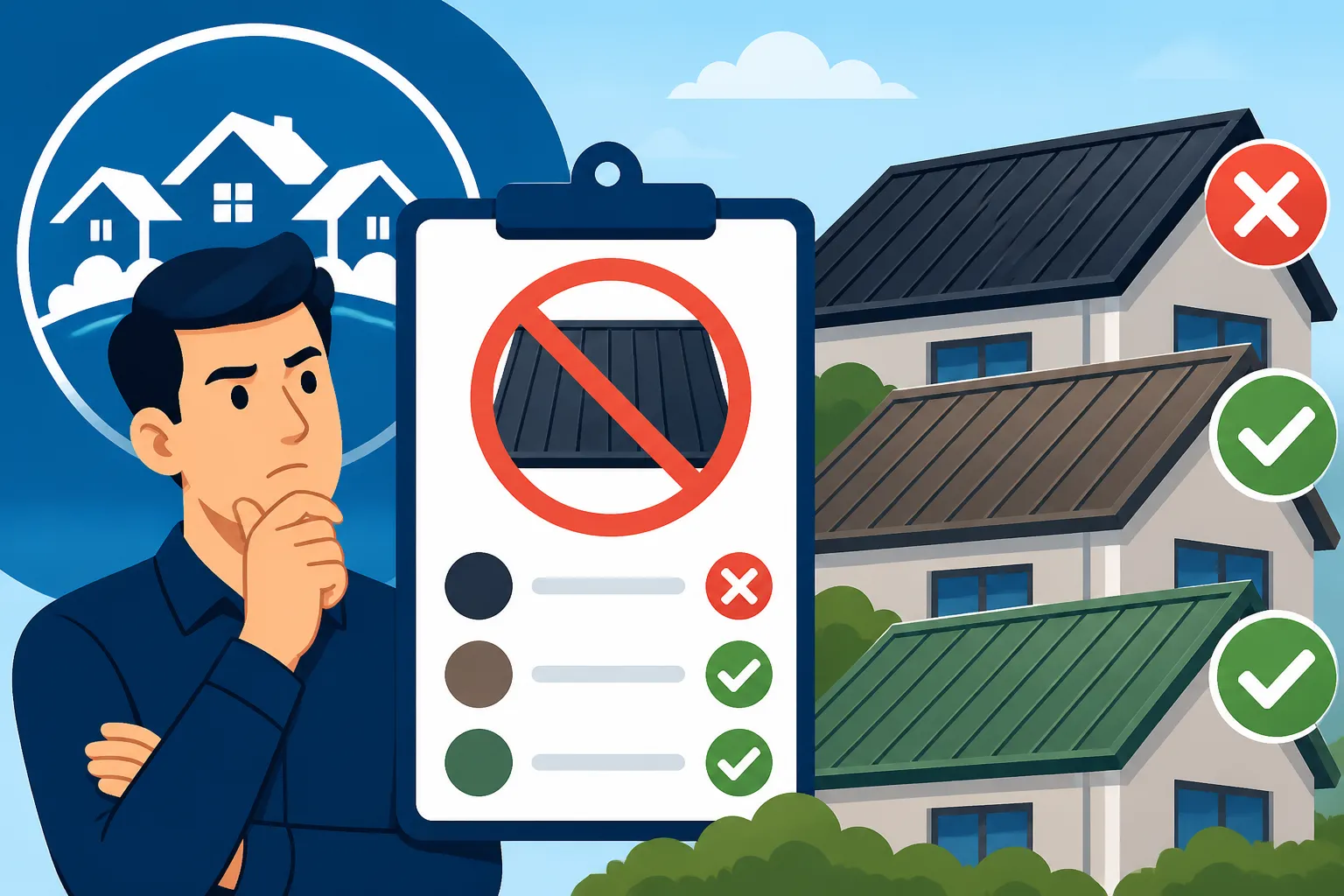
Many HOAs will have a pre-approved color palette for roofs. This can range from a very narrow selection of 3-5 colors to a broader spectrum of perhaps 10-15. These palettes are often carefully curated to ensure visual consistency and prevent stark contrasts. For metal roofs, you might find that certain vibrant reds, blues, or even some darker charcoal grays are explicitly excluded if the community favors lighter, more traditional roofing materials.
The approval process usually involves submitting an architectural review request. This typically includes:
- A detailed description of the proposed changes: What type of metal roof are you installing? What profile?
- Samples or swatches of the material and color: Your contractor should be able to provide these. Actual physical samples are always better than digital images, as colors can look different on screen.
- Drawings or renderings: Sometimes required to show how the new roof will look on your specific home.
- Contractor information and licensing: Many HOAs require proof of an insured and licensed contractor.
The architectural review committee (ARC) will then review your submission against their guidelines. They might approve it, deny it, or request modifications. This process can take anywhere from a few days to several weeks, so factor that timeline into your roofing project. It’s always best to secure approval before purchasing materials or scheduling installation, saving you potential headaches and costs. If you need guidance on the specific steps, "How to Get HOA Approval for a Metal Roof" could be a very useful resource.
What to Do If Your Preferred Color Isn't Approved
It's a common scenario: you've fallen in love with a specific metal roof color – maybe a deep forest green or a classic terra cotta – only to find your HOA's guidelines either explicitly prohibit it or your request is denied. This can be incredibly disappointing, but it's not necessarily the end of the road.
First, understand why it was denied. Was it a blanket rule against that color family? Did it violate a specific aesthetic standard? Was it deemed too bright or non-conforming? Getting clear feedback is crucial.
Next, consider your options:
- Re-evaluate Your Color Choice: Perhaps there's an alternative within the approved palette that still achieves the aesthetic you're going for, or at least one you can live with. Many manufacturers like Boral or McElroy Metal offer extensive color selections, often including many neutral and earth-toned options that fit most HOA guidelines. For instance, a "dark bronze" might pass where a "classic red" won't.
- Request a Variance: If you believe your chosen color, despite being outside the standard palette, still aligns with the spirit of the community's aesthetic, you can request a variance. This often requires a compelling argument and might be reviewed by the full HOA board.
- Review the Appeal Process: Your HOA documents should outline a formal appeal process if your initial request is denied. This usually involves presenting your case to the full board.
- Seek Clarification/Negotiate: Sometimes, the denial is based on a misinterpretation or a lack of understanding of modern metal roofing options. For example, some HOAs might associate metal roofs only with shiny, utilitarian finishes, not realizing the vast improvements in matte finishes and subtle color options available today.
Remember, patience and a respectful, well-researched approach will always serve you better than confrontation.
Strategies for Seeking Approval or Waivers
Even if your dream metal roof color isn't explicitly listed in the HOA's approved palette, there are still ways you can advocate for your choice. This requires a bit of research, a solid presentation, and sometimes, a little negotiation.
Presenting Your Case: Aesthetics, Durability, and Energy Efficiency
When requesting a variance or appealing a denial, focus your presentation on compelling, objective benefits that align with the HOA's stated goals (maintaining property values, community aesthetics, and homeowner well-being).
- Enhanced Aesthetics: If your chosen color is slightly outside the norm but complements your home's architecture and landscaping, demonstrate that. Provide high-quality renderings or photoshopped images of your house with the proposed roof color. Show how it harmonizes rather than clashes. You might argue that your chosen color is a modern take on a classic hue, offering a sophisticated look that enhances curb appeal.
- Superior Durability and Longevity: Emphasize that metal roofs are a long-term investment, lasting 40-70 years, far outstripping traditional asphalt shingles. This translates to fewer roof replacements over time, reducing disruption in the neighborhood and ensuring a consistently good-looking roof. Highlight the Metal Roof Lifespan: How Long Do They Last?. This is a win for the homeowner and the community.
- Energy Efficiency Benefits: Many modern metal roofs, especially those with lighter colors or reflective coatings, significantly reduce heat absorption, leading to lower cooling costs for you and contributing to a "cooler" community overall. This is a powerful argument, particularly in warmer climates like Florida or Texas. You can explain how specific finishes, even in darker shades, can have high reflectivity and emissivity ratings, making them energy-efficient. This can be a strong counter-argument to an HOA that traditionally favors lighter roof colors for energy reasons.
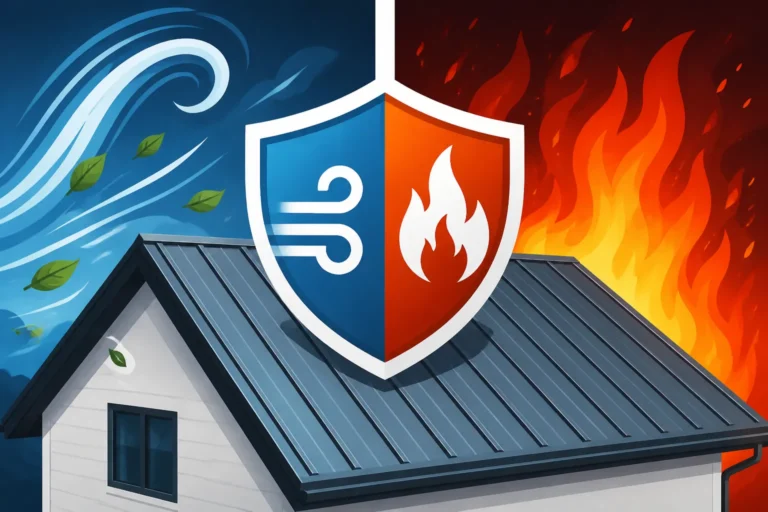
- Fire and Wind Resistance: Metal roofs offer superior protection against fire and high winds, both important for community safety and resilience, especially in storm-prone areas. Highlighting a metal roof's Metal Roof Wind and Fire Ratings Explained can demonstrate its value beyond just aesthetics.
When presenting your case, bring samples of the actual metal panel in your desired color. Explain the material's benefits, provide specifications from the manufacturer (e.g., PVDF coating for color retention, reflectivity ratings), and be prepared to answer questions.
Seeking Variances or Amendments
A variance is an official exception to an HOA rule, granted in specific circumstances. To successfully obtain a variance for your roof color, you'll usually need to prove one of the following:
- Undue Hardship: That enforcing the rule would create an unreasonable or impractical burden on you. This is a high bar, often related to unique property conditions, not just personal preference.
- Unique Circumstances: That your property or proposed modification presents unique circumstances that justify an exception. Perhaps your home's unique architectural style genuinely calls for a different roof color than the standard.
- No Adverse Impact: That granting the variance will not negatively impact the community's aesthetic, property values, or other residents. This is where your well-researched presentation on aesthetics, durability, and energy efficiency comes into play.
Another approach, though more challenging, is to lobby for an amendment to the architectural guidelines themselves. If you find that the existing color restrictions are outdated, overly restrictive, or don't account for modern, aesthetically pleasing metal roofing options, you could gather support from other homeowners and propose a change to the rules. This usually requires a community vote and can be a lengthy process, but it addresses the root cause for future homeowners as well.
The Appeal Process and Legal Considerations
If your request for a variance is denied, your HOA documents should outline a formal appeal process. This typically involves:
- Written Notice of Appeal: Submitting a formal letter stating your intent to appeal, often within a specific timeframe (e.g., 30 days of denial).
- Hearing with the Board: You will likely be granted a hearing before the full HOA board. This is your opportunity to present your case again, perhaps with additional information or a refined argument. Be calm, professional, and well-prepared.
- Final Decision: The board will issue a final decision.
If all appeals are exhausted and you still believe the HOA's decision is unreasonable, discriminatory, or exceeds their authority as defined in the CC&Rs, you might consider legal consultation. This is usually a last resort due to cost and potential for prolonged disputes. However, if an HOA is acting arbitrarily or inconsistently applying its rules (e.g., approving similar colors for other homes but not yours), you may have grounds for a challenge. Before taking legal action, ensure you understand all aspects of "Metal Roof Contractor Licensing, Bonding & Insurance" and have thoroughly documented all communications with your HOA.
Choosing the Right Metal Roof Color with HOA in Mind
Ultimately, a good strategy is to choose a metal roof color that you love and stands a good chance of gaining HOA approval. This often means striking a balance between your personal aesthetic preferences and the community's established guidelines.
Popular HOA-Friendly Metal Roof Colors
Many metal roof colors are widely accepted by HOAs because they blend seamlessly with various architectural styles and traditional neighborhood aesthetics. These often mimic colors found in traditional roofing materials or complement natural surroundings.
Here are some commonly approved metal roof colors:
- Grays: From light silver to charcoal gray, these are often safe bets. They offer a modern, sophisticated look that pairs well with many exterior paint colors. Light grays can also be highly energy-efficient.
- Browns/Bronzes: Earthy browns, coppers, and rich bronzes are excellent for a natural, classic look, especially for homes with brick or stone elements. They provide warmth without being overly bold.
- Greens (Muted/Forest): While some vibrant greens might be a no-go, deep forest greens or muted olive tones can be quite beautiful and are often accepted, particularly in communities with lush landscaping.
- Blues (Muted/Slate): Similar to greens, very bright blues are usually out, but a subtle, slate-blue or deep navy can be an elegant choice and is often approved.
- Black/Dark Bronze: These colors offer a dramatic, contemporary look. They can be very sleek but might be scrutinized by HOAs if the community primarily features lighter roofs. However, advancements in paint technology mean that many dark metal roofs now have excellent solar reflectivity.
When looking at samples, remember that the color can appear different under natural light compared to inside a showroom. Always try to view samples on your actual roof or against your home's exterior under varying lighting conditions.
How Color Affects Energy Efficiency and Curb Appeal
Beyond HOA approval, the color you choose for your metal roof has practical implications for your home's energy efficiency and long-term curb appeal.
- Energy Efficiency: Lighter colors, especially those with advanced reflective coatings (like those using Kynar 500® or Hylar 5000® resins), reflect more sunlight and absorb less heat. This can lead to significant cooling cost savings, particularly in sunny regions. However, even darker colors can be highly energy-efficient if they have high emissivity and reflectivity ratings, often referred to as "cool colors." This is a strong argument to make to your HOA if they have general concerns about dark roofs increasing heat absorption. You can check the Solar Reflectance Index (SRI) for specific colors.
- Curb Appeal and Resale Value: A well-chosen roof color enhances your home's overall curb appeal. It should complement your home's exterior paint, stone, brick, and surrounding landscape. For example, a crisp white house might look stunning with a dark bronze metal roof, while a rustic cabin might shine with a muted green or deep brown. An attractive, well-maintained metal roof can also significantly increase your home's value and appeal to future buyers, as discussed in Does a Metal Roof Increase Home Value?. A good contractor will guide you on the best metal roof colors for your house.
Working with Contractors and HOA Liaisons
Your metal roofing contractor can be an invaluable ally in navigating HOA regulations. Experienced contractors often have prior dealings with local HOAs and might even be familiar with your specific community's architectural review board.
- Ask Your Contractor: When getting quotes, ask potential contractors if they have experience working with HOAs in your area. They might be able to advise you on which colors are typically approved and how to best prepare your submission. A reputable contractor will understand the nuances of working within a regulated community and will be able to provide the necessary documentation, samples, and specifications. It's wise to ask prospective contractors detailed Questions to Ask a Metal Roofing Contractor Before You Hire.
- Leverage Their Expertise: Your contractor can often provide professional renderings, material specifications, and even letters supporting the choice of a specific color based on its performance benefits (e.g., energy efficiency ratings).
- Involve an HOA Liaison (if applicable): Some larger HOAs have an architectural liaison or a dedicated committee member who can provide guidance before you submit your formal application. Connecting with this person early can help you understand the unspoken preferences and streamline the approval process. They might even suggest specific color options that they know have been approved in the past.
By taking a proactive, collaborative approach with your contractor and the HOA, you significantly increase your chances of getting the metal roof color you desire approved, ensuring your home looks fantastic and complies with community standards.
Common Metal Roof Color Approval Status by HOA Type
This table provides a general overview of how different metal roof colors might be received by various types of homeowner associations. Keep in mind that specific rules vary greatly by community.
Metal Roof Color Typical HOA Reception (General) Common Justifications for Approval/Denial Considerations
1. Neutral & Subtle:
Light Grays/Blues/Tan/Greige Excellent chance, especially for coastal or modern architecture. Consistency with coastal styles; modern appeal; energy efficiency. Ensure they aren't too bright or reflective as per guidelines.
Earth Tones (Brown, Bronze, Terra Cotta) High chance, especially for traditional communities. Blends with natural surroundings; maintains classic aesthetic. Confirm specific shade is within approved "earth tone" range.
Muted Greens/Blues Good chance, if colors are not overly vibrant. Harmonizes with landscaping; sophisticated alternative to neutrals. Avoid bright or primary greens/blues which are often restricted.
Charcoal Gray/Dark Bronze Often approved, but depends on community aesthetic. Modern, sleek look; excellent durability; good solar reflectivity. Some HOAs may prefer lighter colors to avoid a "heavy" look.
Bright Reds/Blues/Greens Very low chance, usually denied outright. Disrupts architectural harmony; perceived as lowering property values. Almost universally restricted in most residential HOAs.
Metallic Silver/Galvalume Varies, generally lower chance for residential, higher for modern. Modern/industrial aesthetic; high reflectivity/energy efficiency. Can be perceived as too industrial or "shiny" for traditional communities.
Disclaimer
The information provided in this article is for general informational purposes only and does not constitute legal or professional advice. Homeowner's association (HOA) rules and regulations vary significantly by community, state, and specific governing documents. Always consult your specific HOA's CC&Rs, bylaws, and architectural guidelines, and consider seeking legal counsel or professional advice from a qualified roofing contractor or attorney regarding your specific situation before making any decisions related to your metal roof project.