Are Metal Roofs Required in Hurricane Zones?
Living in a hurricane zone, you’re constantly thinking about your home’s resilience, especially when it comes to your roof. There's often a lot of confusion and even some misinformation swirling around about whether a metal roof is a strict requirement for homes in areas prone to severe storms. This guide will cut through the noise, clarify the real building code requirements, and explain why metal roofs are often the smartest choice for hurricane preparedness, even if they aren't always legally mandated.
Understanding Hurricane Zone Building Codes
When you live in a region that faces the annual threat of hurricanes, like the Gulf Coast or the Atlantic seaboard, your local building codes are designed with one primary goal in mind: protecting lives and property from extreme weather. These aren't just suggestions; they are legally enforced standards that dictate how homes, especially their roofs, must be constructed or renovated to withstand the incredible forces of a tropical storm or hurricane. It’s a complex landscape of regulations that can feel overwhelming, but understanding their purpose can help you make informed decisions.
The Rationale Behind Strict Codes
Imagine the sheer power of a Category 3 hurricane, with sustained winds easily exceeding 111 miles per hour. That kind of force isn't just a strong breeze; it's a relentless assault on every part of your home. Building codes in hurricane zones are a direct response to past devastation, learning from what failed and what held strong. They aim to prevent catastrophic roof failures, which often lead to extensive water damage, structural compromise, and even complete loss of a home. States like Florida, with its history of intense hurricane activity, have some of the most rigorous codes in the nation, often looking at factors beyond just wind, such as flying debris and water intrusion. The goal is to ensure that a roof acts as a continuous, impenetrable shield, not a weak point.
Key Elements of Hurricane-Resistant Roofing Codes
Hurricane-resistant roofing codes typically focus on several critical performance aspects, rather than mandating a specific material. The primary focus is almost always on wind uplift resistance. This refers to the roof’s ability to remain attached to the building structure when powerful winds try to peel it off. This involves stringent requirements for fasteners, decking attachment, and the overall roofing system’s ability to withstand specific wind speeds, often measured in pounds per square foot or miles per hour. For instance, in areas designated as High-Velocity Hurricane Zones (HVHZ) in Florida, roofs must be able to withstand sustained winds well over 130-150 mph, often requiring specialized product approvals like Miami-Dade NOA (Notice of Acceptance).
Beyond wind, codes also address moisture intrusion, ensuring that water doesn't seep into the attic space even during prolonged, heavy rainfall driven by high winds. This often includes requirements for specialized underlayment materials and proper flashing details. Impact resistance is another key factor, especially in areas prone to hail or flying debris from hurricanes. Some codes specify that roofing materials must meet Class 3 or Class 4 impact ratings, which can even lead to insurance savings. Understanding these elements is crucial when you're considering a new roof, and it’s why many homeowners dig deep into resources like the official guide to Metal Roof Building Codes Explained.
Are Metal Roofs Required? Debunking the Myth
One of the most common questions homeowners ask when facing a roof replacement in a hurricane-prone area is, "Do I have to get a metal roof?" It's a perfectly natural thought, given how often you hear about metal roofs being the "best" for high winds. The short answer, for most areas, is no, a metal roof is generally not a mandatory requirement by law. However, while not strictly required, they are overwhelmingly encouraged and sometimes incentivized due to their superior performance characteristics that align perfectly with hurricane zone building code objectives.
Specific Regional Requirements
While a universal mandate for metal roofs doesn't exist, certain regions have codes so stringent that metal roofing systems are often the most straightforward and cost-effective way to meet them. Take Florida, for example, especially its coastal regions and the aforementioned High-Velocity Hurricane Zones. The Florida Building Code (FBC), particularly its chapters addressing high-wind resistance, sets a very high bar for roof performance. You'll find detailed requirements for things like fastening patterns, material strength, and specific product approvals.
In these areas, while an asphalt shingle roof could theoretically meet the bare minimums if installed with extreme care and specific methods, a metal roof – particularly a standing seam metal roof – often surpasses these requirements with ease. Metal roofing products often come with certifications and wind ratings from independent testing agencies that far exceed what’s needed, making them a go-to choice for contractors and homeowners looking for peace of mind and compliance without a headache. Many jurisdictions along the Texas Gulf Coast or coastal North Carolina also have similarly demanding codes that push homeowners towards more resilient options. For a deep dive into state-specific mandates, you might explore Metal Roof Permits and Codes by State.
Metal Roofs as a Preferred, Not Mandatory, Option
The distinction between "required" and "preferred" is really important here. Building codes are designed to set a minimum standard of safety and resilience. They typically specify performance, not material. This means if your chosen roofing material, be it asphalt, tile, or metal, can prove it meets the specified wind uplift ratings, impact resistance, and waterproofing standards for your specific hurricane zone, then it's usually acceptable.
However, the reality on the ground is that metal roofs consistently outperform many other materials in hurricane conditions. Their interlocking panel systems, robust fastening methods (especially for concealed fastener systems), and inherent durability make them incredibly resistant to the forces that tear other roofs apart. Because of this, insurance companies often offer significant discounts for homes with metal roofs, and many communities recognize them as the "gold standard" for hurricane preparedness. It's a case where a material so thoroughly exceeds expectations that it becomes the de facto choice for anyone serious about long-term protection, even without a legal requirement.
Advantages of Metal Roofs in High-Wind Areas
Even if your local ordinances don't strictly require a metal roof in a hurricane zone, the myriad benefits they offer in high-wind conditions make them an undeniably smart investment. Homeowners who opt for metal roofing aren't just following trends; they're investing in unparalleled protection, longevity, and often, long-term savings. The advantages extend far beyond simply keeping the rain out during a storm.
Superior Wind Uplift Resistance
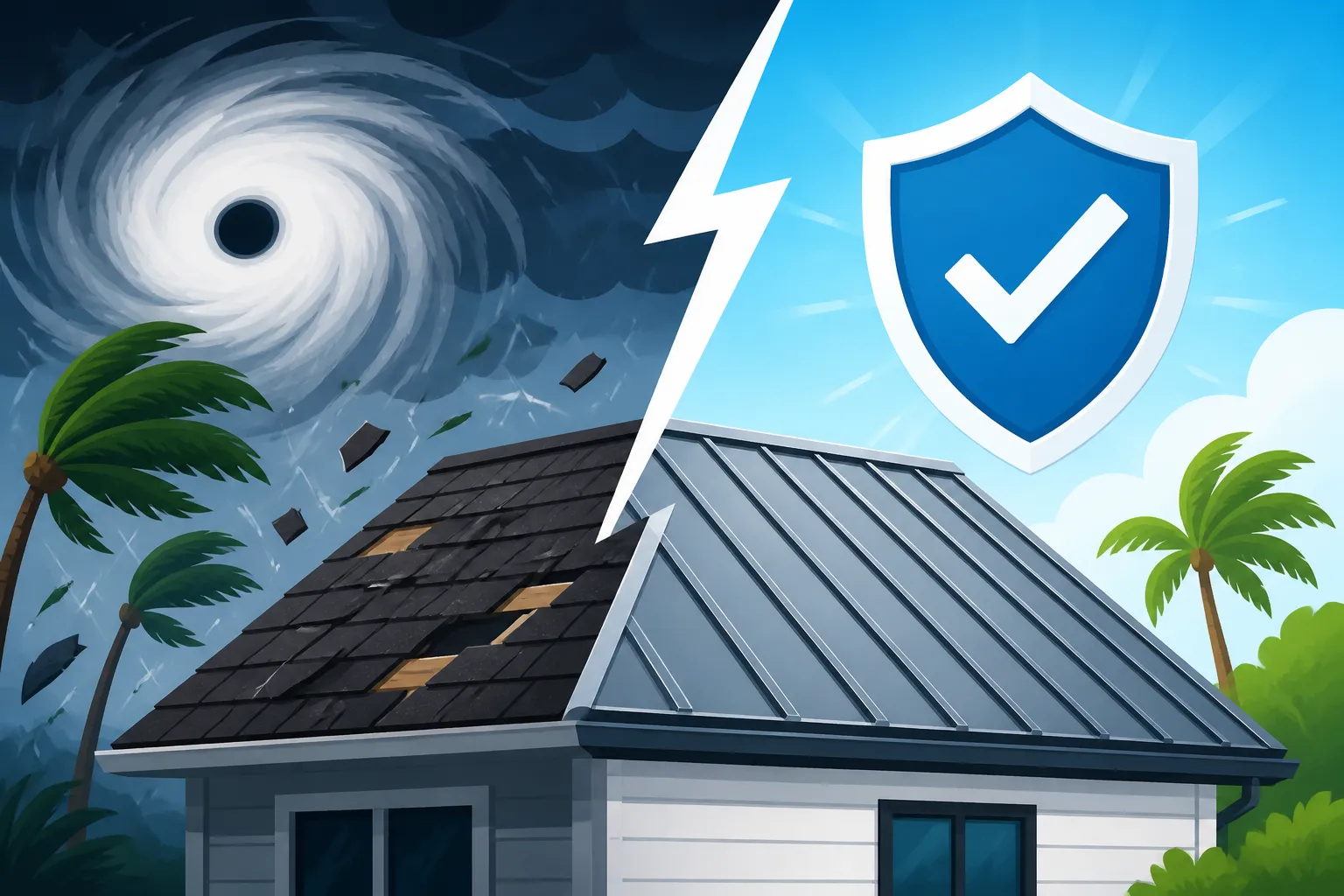
This is arguably the single most compelling advantage of metal roofs in hurricane zones. Unlike asphalt shingles, which are typically nailed or stapled and sealed with adhesive, metal roof panels are often mechanically fastened and interlocked. Standing seam metal roofs, for example, have hidden fasteners that secure the panels directly to the roof deck, and the seams themselves are often crimped together, creating a monolithic barrier that's incredibly difficult for wind to penetrate or lift. This robust attachment system means that metal roofs can typically withstand wind speeds far exceeding those that would rip shingles clean off a roof.
Consider a fierce nor'easter or a direct hit from a Category 2 hurricane. While neighboring homes might be losing shingles by the dozens, a properly installed metal roof, especially one with a strong wind rating like those found in What Wind Rating Do You Need in Florida?, is designed to stay put. This dramatically reduces the chance of catastrophic damage during severe weather events, keeping your home sealed and significantly minimizing the potential for expensive interior water damage. Many manufacturers test their systems to withstand wind speeds of 150 mph or more, providing a level of confidence that other materials simply can't match.
Impact and Durability Benefits
Beyond just wind, hurricanes often bring a deluge of flying debris – tree branches, patio furniture, even parts of other structures. This turns your home into a target for high-speed projectiles. Here again, metal roofs shine. While no roof is entirely impervious to extreme impact, materials like steel and aluminum are remarkably resilient compared to more brittle options like asphalt shingles or even some tile roofs. A heavy tree branch might dent a metal panel, but it's far less likely to puncture it or create a widespread failure point that compromises the entire roof system.
For example, stone-coated steel roofs are specifically designed to be highly impact-resistant, often achieving a Class 4 impact rating, the highest possible. This not only offers superior protection during a storm but also provides homeowners with potential Metal Roof Insurance Savings & Discounts. The inherent durability of metal also means less wear and tear from constant exposure to sun, rain, and varying temperatures, translating into a much longer lifespan than traditional roofing materials. A well-maintained metal roof can easily last 50 years or more, weathering countless storms over its lifetime.
What to Look for in a Hurricane-Rated Metal Roof
Deciding on a metal roof for your hurricane zone home is a fantastic first step. But not all metal roofs are created equal when it comes to extreme weather. To truly maximize your home's protection, you need to understand the specifics that make a metal roofing system genuinely hurricane-rated. It's about more than just the material; it's about the entire system, from the type of panel to the way it's installed.
Material and Gauge Considerations
The type of metal you choose plays a significant role in its overall resilience. Steel (often galvanized or Galvalume-coated) and aluminum are the most common choices for residential metal roofing. Aluminum is lightweight and naturally corrosion-resistant, making it ideal for coastal areas where salt spray is a concern. Steel is incredibly strong and durable. While copper and zinc also offer excellent durability, their higher cost often makes them less common for standard residential applications.
Beyond the material, the gauge (thickness) is critical. In hurricane zones, you'll generally want to opt for thicker gauges. For residential applications, 24-gauge or 26-gauge steel or aluminum are commonly recommended for their superior strength and resistance to wind uplift and impact. Thicker panels are less prone to oil canning (a visual waviness) and are more robust against hail and flying debris. While 29-gauge metal is suitable for some agricultural or lighter commercial uses, it's often not robust enough for a primary residence in a high-wind area. For more on this, check out 24 vs 26 Gauge Metal Roof: Cost Difference.
Installation Techniques and Certifications
Even the strongest metal panel is only as good as its installation. This is where expertise truly matters. In hurricane zones, proper installation is paramount and often more complex than standard roofing. Key aspects include:
- Fasteners: The type, length, and pattern of fasteners are dictated by local codes and engineering specifications to ensure maximum pull-out resistance. Concealed fasteners (like those in standing seam systems) offer superior protection as they are not exposed to the elements, reducing potential leak points and wind vulnerability.
- Decking Attachment: Your roof deck (the plywood or OSB sheathing) must be securely attached to the rafters or trusses using specific nailing or screwing patterns to prevent it from detaching in high winds.
- Underlayment: A high-quality, synthetic underlayment or ice and water shield is essential for secondary water resistance, providing a critical barrier if the primary roof ever sustains damage.
- Flashing: Meticulous flashing around chimneys, vents, valleys, and wall junctions is crucial to prevent water intrusion at these vulnerable points.
- Product Approval: Always look for metal roofing systems that carry specific wind uplift ratings and product approvals for your region. In Florida, this often means Miami-Dade County NOA (Notice of Acceptance) or Florida Product Approval, which signifies rigorous testing and compliance with the state's demanding codes.
When hiring a contractor, it’s imperative to choose one with extensive experience in metal roofing installation in hurricane zones, ideally a manufacturer-certified metal roof installer. They should be knowledgeable about local building codes, experienced with the specific challenges of high-wind installations, and able to provide references for similar projects. A poorly installed metal roof, regardless of its material, can fail just as easily as any other roof.
| Feature | Asphalt Shingles (Standard) | Metal Roofing (Hurricane Rated) | Tile Roofing (Hurricane Rated) |
|---|---|---|---|
| Wind Uplift | Moderate (80-120 mph) | High (130-190+ mph) | High (120-150+ mph) |
| Impact Resistance | Low (Class 1-2) | High (Class 3-4) | Moderate-High (Class 2-4) |
| Water Intrusion | Moderate | Excellent | Good |
| Fastening System | Exposed nails/adhesive | Concealed/exposed fasteners | Mortar/mechanically fastened |
| Lifespan | 15-30 years | 40-70+ years | 50-100 years |
| Cost | Lowest | High | High |
| Typical Requirement | Meets minimum code (if spec.) | Often exceeds code | Often exceeds code |
In conclusion, while metal roofs are not universally "required" in hurricane zones, the prevailing building codes in these areas set performance benchmarks that metal roofing systems are exceptionally well-suited to meet and often exceed. Their superior wind resistance, durability, and impact resistance make them a preferred, highly recommended, and often incentivized choice for homeowners seeking the ultimate protection against nature's fury. Investing in a high-quality, properly installed metal roof offers peace of mind and long-term value, making it one of the best decisions you can make for your home in a high-risk area.
Disclaimer
The information provided in this article is for general informational purposes only and does not constitute professional advice. Building codes, regulations, and product availability can vary significantly by location and may change over time. Always consult with a qualified, licensed roofing contractor and your local building department to confirm specific requirements and obtain personalized advice for your project.