Do You Need a Permit for a Metal Roof in Orlando?
Considering a shiny new metal roof for your home in sunny Orlando is an exciting prospect, promising durability and a fresh look. But before you get swept away with color choices and panel styles, a common question often pops up, causing a bit of a headache for many homeowners: Do you actually need a permit for a metal roof here in Orlando? The short answer is almost always a resounding yes, and ignoring this crucial step can lead to a world of trouble down the line. This guide will walk you through the specifics of obtaining a metal roof permit in Orlando, why it’s non-negotiable, and what to expect throughout the process, ensuring your project is compliant and headache-free.
The Undeniable Need for a Metal Roof Permit in Orlando
It’s easy to feel overwhelmed by local regulations, and sometimes it can even feel like an unnecessary hurdle. Many homeowners, often with the best intentions, wonder if skipping the permit process for what seems like a simple roof replacement could save time or money. However, when it comes to a significant home improvement like installing a new metal roof, particularly in a city like Orlando, a permit isn't just a suggestion; it's a legal and safety imperative.
Why Permits Aren't Just Bureaucracy: Safety and Compliance
Think of a roofing permit as your project’s official stamp of approval, ensuring that the work being done on your home meets stringent safety standards and local building codes. In Florida, these codes are especially rigorous due to our unique weather challenges, particularly hurricanes and strong winds. The Florida Building Code (FBC) has specific requirements for roofing materials, installation methods, and wind resistance, all designed to protect your home and everyone inside it. When you pull a permit for your metal roof in Orlando, you're essentially inviting the City of Orlando’s Permitting Services to verify that your contractor is following these vital rules.
This isn't just about ticking boxes; it's about structural integrity and peace of mind. A metal roof, while incredibly durable, needs to be installed correctly to perform as intended, especially when facing a severe storm. The fasteners, underlayment, and flashing all play critical roles. Without a permit, there’s no official oversight to ensure these elements are properly addressed, potentially leaving your biggest investment vulnerable. It's about protecting you from shoddy workmanship and ensuring your roof will stand up to whatever Mother Nature throws its way.
Legal Implications of Skipping the Permit
The temptation to bypass the permitting process might seem appealing at first glance—no paperwork, no fees, perhaps a faster start to the project. However, the short-term convenience pales in comparison to the long-term headaches and severe legal repercussions you could face. The City of Orlando takes unpermitted work seriously, and for good reason.
Should the city discover unpermitted work on your home, the consequences can range from hefty fines that far outweigh the original permit fee to a stop-work order, bringing your entire project to a grinding halt. You would then be required to apply for the permit retroactively, which can be a more complicated and expensive process, often involving additional inspections and fees to ensure compliance. Imagine your roof halfway done, exposed to the elements, while you navigate bureaucratic hurdles and pay penalties. Beyond the immediate financial hits, skipping a permit can severely impact your home's value and future saleability. Most potential buyers will ask for proof that all major renovations, especially roofing, were performed with proper permits and inspections. Without this documentation, it can trigger red flags, delay closing, or even cause a sale to fall through entirely. Furthermore, if you ever need to file an insurance claim due to roof damage, your insurance company might deny coverage if they discover the work was done without the required permits, arguing that the unpermitted installation voids your policy for that specific repair. They could even argue that the roof was not installed to code, leaving you on the hook for the entire repair or replacement cost. This is a risk no homeowner should ever take.
Navigating Orlando's Metal Roof Permitting Process
Understanding the permit process upfront can alleviate a lot of anxiety and ensure your metal roof installation goes smoothly. While it might seem like a maze of paperwork, a good contractor will guide you through every step, making it far less daunting than it appears.
Who Pulls the Permit and What Documents Are Required
Typically, in Orlando, it’s your licensed roofing contractor who is responsible for pulling the permit. They are the experts in the field, familiar with the local codes and the permitting system, and they carry the necessary licenses and insurance. While homeowners can pull permits for their own homes, it’s generally not recommended for complex projects like metal roof installations, as it shifts all the responsibility for code compliance onto you. This can be especially tricky if you’re not intimately familiar with the Florida Building Code, which is incredibly detailed. If you're wondering whether you or your contractor should take on this responsibility, it's worth reading our detailed guide on Who Pulls the Permit: Contractor or Homeowner?.
When your contractor applies for a permit for a metal roof in Orlando, they’ll need to submit several crucial documents to the City of Orlando’s Permitting Services. These typically include:
- Proof of Contractor Licensing and Insurance: To ensure they are qualified and protected.
- Detailed Scope of Work: A clear description of the project, including the type of metal roof, materials, and installation methods.
- Product Approval Information: Florida has specific product approval requirements, often requiring materials to be approved under the Florida Product Approval system or Miami-Dade County Notice of Acceptance (NOA), especially for high-wind zones. This verifies that the metal roofing panels and components meet strict performance standards.
- Site Plan or Property Survey: Sometimes required, especially for new construction, to show the location of the structure.
- Notice of Commencement (NOC): For projects exceeding $2,500, a Notice of Commencement must be filed with Orange County before the first inspection. This is a legal document that protects homeowners from liens by suppliers and subcontractors if the primary contractor fails to pay them. Your contractor should handle this, but you, as the homeowner, are ultimately responsible for ensuring it’s filed.
Having all these ducks in a row ensures a smoother review process and helps avoid delays.
Understanding Permit Costs and Timelines in Orlando
The cost of a metal roofing permit in Orlando isn't a fixed fee; it usually depends on the valuation of the project, including both materials and labor. While permit fees are just one piece of the overall Metal Roof Cost: Complete 2026 Guide, they are a necessary one. As a general estimate, you might expect permit fees for a residential metal roof in Orlando to range from a few hundred dollars to over a thousand, depending on the scale and complexity of your specific project. These fees contribute to the city's ability to fund the permitting department and conduct inspections, ensuring public safety and code compliance.
For example, a standard 2,000 square foot home might see permit fees in the $300-$700 range, but this can fluctuate based on current city fee schedules and the declared value of your roofing project. It's always best to have your contractor provide a clear breakdown of all anticipated costs, including permit fees, in their quote. When considering the overall Metal Roof Cost in Florida or more specifically, Metal Roof Cost by State and City, permit fees are a small but essential part of the investment.
In terms of timelines, once all necessary documents are submitted, the City of Orlando's Permitting Services will review the application. The review period can vary depending on the department's workload, but typically, you might expect approval within a few business days to a couple of weeks for a standard residential re-roofing project. While some jurisdictions offer expedited reviews for an additional fee, it's best to factor in a reasonable waiting period into your project timeline. Your contractor should be able to give you a realistic expectation based on their recent experiences with the Orlando permitting office.
Key Regulations and Building Codes for Metal Roofs in Orlando
Orlando, like the rest of Florida, operates under some of the most stringent building codes in the nation, particularly when it comes to roofs. These regulations are designed to protect properties from the harsh elements, especially during hurricane season. Understanding these codes is critical for a compliant metal roof installation.
Florida Building Code and Wind Mitigation Standards
The Florida Building Code (FBC) is the overarching set of regulations that governs construction statewide, and it's particularly focused on wind resistance, an absolute necessity for our hurricane-prone state. While Orlando isn't in a High-Velocity Hurricane Zone (HVHZ) like Miami-Dade and Broward counties, the FBC still mandates strong wind mitigation standards for all roofing projects. This means your metal roof installation needs to be able to withstand significant wind uplift pressures. You can delve deeper into these specifics in our article about Florida Metal Roof Codes: FBC, HVHZ & Approvals.
For metal roofs, this typically involves requirements for:
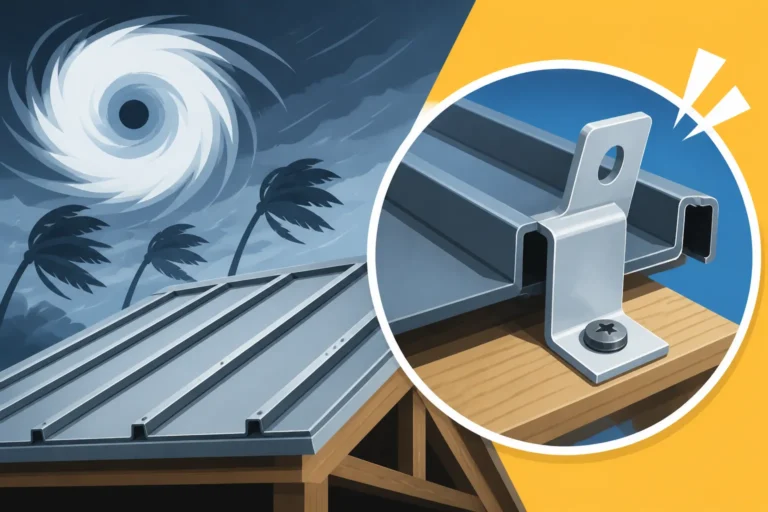
- Fastener Schedule: The type, size, and spacing of the fasteners used to secure the metal panels to the roof decking are strictly defined. For example, concealed fastener systems like standing seam roofs will have different requirements than exposed fastener systems like corrugated panels.
- Deck Attachment: The way your roof deck (plywood or OSB) is attached to your home's trusses or rafters is critical for resisting uplift. If your existing deck attachment isn't up to current code, it might need to be reinforced during the re-roofing process.
- Underlayment: A high-quality, synthetic underlayment or even self-adhering modified bitumen is often required, acting as a secondary water barrier to protect your home even if the primary metal roof is compromised.
- Product Approvals: As mentioned earlier, all metal roofing materials must have state product approvals or Miami-Dade NOAs, confirming they’ve been tested to meet specific performance criteria under Florida’s harsh weather conditions.
Adhering to these wind mitigation standards not only ensures your roof is safer but can also qualify you for valuable insurance discounts. A wind mitigation inspection performed after your new metal roof is installed can often lead to significant savings on your homeowners insurance premiums, making the extra effort worthwhile in the long run. We have more information on this in our guide to Metal Roof Wind and Fire Ratings Explained.
Inspection Stages: What to Expect from City Officials
Once your permit is issued and work begins, the City of Orlando will conduct inspections at various stages of the roofing process. This isn't meant to slow things down, but rather to ensure that the work being done on your home aligns with the approved plans and complies with the FBC. Your contractor is responsible for scheduling these inspections, and it's crucial that they are completed before subsequent work covers up the inspected components.
Typically, for a metal roof replacement, you can expect at least two key inspections:
- Dry-in Inspection: This is often the first and most critical inspection. It occurs after the old roof has been torn off, the roof deck has been prepared, and the new underlayment is installed, but before the metal panels are fastened down. The inspector will check the condition of the roof deck, ensure proper fastening of the deck (if required), and verify that the underlayment is installed correctly, including proper overlaps and flashing details around penetrations like chimneys or vents. They’ll also check that any necessary drip edge or eave closure flashing is in place according to code. No metal panels can be installed until this "dry-in" inspection passes.
- Final Inspection: Once all the metal panels are installed, all trim, flashing, and components are in place, and the site is cleaned up, the final inspection will be called. During this visit, the inspector will examine the overall installation quality, ensuring that the metal panels are properly secured, that all penetrations are correctly flashed and sealed, and that the finished product meets all applicable sections of the Florida Building Code. They will also verify that the correct product was installed as per the approved permit plans.
Passing both the dry-in and final inspections is essential. Once the final inspection is approved, the permit is closed, officially marking your metal roof installation as compliant with Orlando's building codes. This record is then available for future reference, important for things like home sales or insurance verification.
Common Concerns and How to Ensure a Smooth Permitting Experience
Embarking on a metal roofing project can feel like a big undertaking, and rightfully so. It’s a significant investment in your home. Addressing common concerns head-on and partnering with the right professionals can make the entire permitting and installation process much smoother.
Verifying Your Contractor's Credentials
Perhaps the most critical step in ensuring a smooth permitting and installation process is choosing the right contractor. In Orlando, and across Florida, licensing is mandatory for roofing contractors. You should always verify that your chosen contractor is properly licensed by the state (check the Florida Department of Business and Professional Regulation, or DBPR, website) and carries adequate liability insurance and workers' compensation. An unlicensed contractor not only puts your project at risk of non-compliance but also exposes you to significant financial liability if an accident occurs on your property. This is why we always stress the importance of knowing How to Hire a Metal Roofing Contractor.
Beyond basic licensing, look for a contractor with extensive experience specifically in metal roofing. Metal roof installation requires specialized skills and knowledge that differ from traditional shingle roofing. Ask about their experience with various metal roofing profiles like standing seam, corrugated, or metal shingles. A reputable contractor will be transparent about their credentials, provide references, and be able to confidently discuss the permitting process with you. For a deeper dive into what to look for, check out our guide on Metal Roof Contractor Licensing, Bonding & Insurance. A contractor who has a track record of successful metal roof installations in Orlando will already be familiar with the local permitting office's nuances, making the process much easier for you.
The Long-Term Value of a Properly Permitted Metal Roof
While the permitting process can seem like an extra step and an additional cost, it’s truly an investment in the long-term value, safety, and integrity of your home. A properly permitted and inspected metal roof offers several significant advantages that far outweigh the initial effort. Firstly, it gives you incredible peace of mind, knowing that your roof was installed to the highest safety and quality standards, capable of protecting your family and belongings for decades. This peace of mind is especially valuable in a region prone to severe weather events.
Secondly, it safeguards your property value. When it comes time to sell your home, having a documented, permitted roof replacement is a huge asset. It eliminates any concerns for potential buyers about the legality or quality of the work, often resulting in a smoother, faster sale at a better price. Thirdly, a code-compliant metal roof can lead to tangible financial benefits. As previously mentioned, a wind mitigation inspection can reduce your homeowners insurance premiums, saving you money year after year. Explore more about these savings in our article on Metal Roof Insurance Savings & Discounts. Finally, manufacturer warranties for metal roofing materials often require professional installation in accordance with local building codes. If your roof was installed without a permit, it could potentially void these valuable warranties, leaving you unprotected against material defects. Understanding Metal Roof Warranties: Workmanship vs Manufacturer is key to protecting your investment.
By ensuring your metal roof project in Orlando is fully permitted and inspected, you’re not just avoiding penalties; you’re proactively enhancing your home’s safety, value, and long-term performance.
Here's a quick checklist to help you stay organized during the permitting process:
| Step | Description | Responsibility (Typical) |
|---|---|---|
| 1. Choose a Licensed Contractor | Verify state license, insurance, and experience with metal roofing. | Homeowner |
| 2. Obtain Detailed Quote/Contract | Ensure it includes scope of work, materials, costs, and confirms permit handling. | Contractor / Homeowner |
| 3. Contractor Applies for Permit | Contractor submits required documents (plans, product approvals, licenses) to City of Orlando. | Contractor |
| 4. Permit Review & Issuance | City of Orlando reviews application; permit is issued. | City of Orlando |
| 5. File Notice of Commencement (NOC) | For projects >$2,500, filed with Orange County Clerk of Courts before first inspection. | Contractor / Homeowner |
| 6. Dry-in Inspection | Scheduled by contractor after old roof tear-off, deck repair, and underlayment installation. | Contractor / City Inspector |
| 7. Metal Roof Installation | Once dry-in passes, metal panels are installed. | Contractor |
| 8. Final Inspection | Scheduled by contractor after all roofing work is complete and site is clean. | Contractor / City Inspector |
| 9. Permit Close-Out | City issues final approval, permit is closed. Documentation is on file. | City of Orlando |
Disclaimer
The information provided in this article is for general informational purposes only and does not constitute professional advice. Building codes and permit requirements can change, and specific situations may vary. Always consult with the City of Orlando Permitting Services and a qualified, licensed local metal roofing contractor to confirm the exact requirements for your specific project before beginning any work.