Do You Need a Permit for a Metal Roof in Dallas?
Trying to figure out the maze of permits and local regulations for home improvement projects can feel like a real headache, especially when it comes to something as significant as a new roof. For homeowners in Dallas considering a durable, long-lasting metal roof, understanding the specific permit requirements is absolutely crucial to avoid costly delays, fines, and potential headaches down the road. This comprehensive guide will walk you through everything you need to know about securing a permit for your metal roof in Dallas, Texas.
Understanding Dallas Roofing Permit Fundamentals
Replacing or installing a new roof isn't just about picking out the right materials and finding a good contractor; it's also about adhering to local regulations. The City of Dallas, like most municipalities, has established specific permitting processes to ensure that all construction work, including roofing, meets safety standards and local building codes. This isn't just bureaucracy for the sake of it; these rules are in place to protect you, your property, and even future homeowners.
Why Permits Are Non-Negotiable for Roofing Projects
You might be tempted to skip the permit process, thinking it's an unnecessary step that adds time and expense. However, this couldn't be further from the truth. Permits serve as a vital checkpoint, ensuring that your metal roof installation is performed safely and correctly, adhering to the latest Dallas building codes. These codes cover everything from structural integrity and wind resistance to fire safety, all designed to safeguard your investment and, more importantly, the people living under that roof. A properly permitted and inspected roof means peace of mind, knowing that the work was done to professional standards, reducing the risk of failures during severe weather, and potentially saving you from significant liability issues.
Beyond safety, permits protect your property value and ensure compliance for future transactions. When you go to sell your home, buyers or their inspectors will often look for proper permits on major renovations. If work was done without the necessary permits, it can raise red flags, complicate sales, or even require you to obtain retroactive permits, which can be far more expensive and time-consuming than doing it right the first time. It's truly a foundational step for any substantial home improvement.
General Permit Triggers for Roof Replacements
In Dallas, a permit is generally required for any roofing project that involves replacing more than 100 square feet of roofing material on a residential structure. This typically covers full roof replacements, but can also include significant repairs if they exceed that square footage threshold. The City of Dallas Development Services Department is the authority for issuing these permits, and their website provides detailed information. Even if you're just doing a partial replacement, if it's substantial, you'll need to go through the proper channels.
It's also important to remember that replacing roofing materials often involves more than just the top layer. You might need to assess the underlying decking or make minor structural repairs, all of which fall under the purview of building codes. The permit application essentially informs the city that you're undertaking a significant modification to your home's envelope, allowing them to ensure it aligns with current safety and structural requirements.
Specific Permit Requirements for Metal Roofs in Dallas
Metal roofs, while offering incredible durability and longevity, have their own set of considerations within Dallas's building codes. Unlike traditional asphalt shingles, metal roofing systems involve different installation techniques and materials that must meet specific standards for wind resistance, fire ratings, and proper attachment.
Dallas Building Codes and Metal Roofing Standards
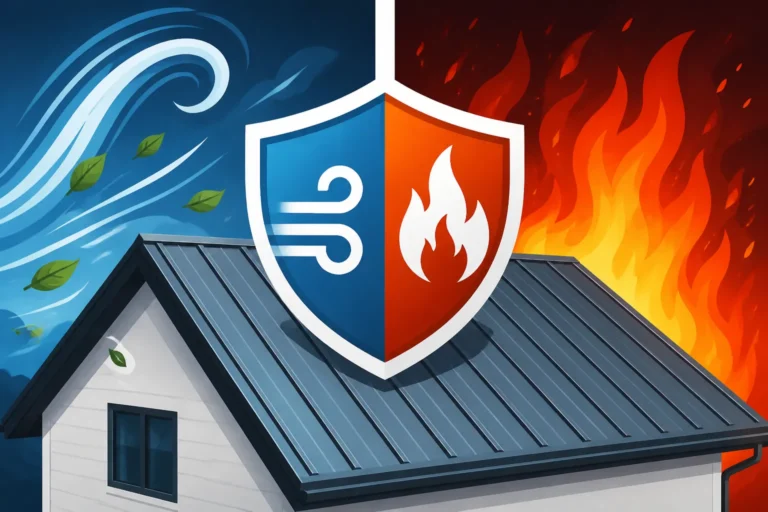
Dallas operates under the International Building Code (IBC) and International Residential Code (IRC), with specific local amendments. For metal roofs, the focus is often on factors like wind uplift resistance, particularly given Texas's susceptibility to severe weather. The city's codes mandate that metal roofing systems meet certain wind load requirements, which means the panels, fasteners, and installation methods must be robust enough to withstand high winds. For example, a standing seam metal roof, known for its superior wind resistance, would be assessed on its specific panel profile and fastening system to ensure it meets these critical standards. You can learn more about specific requirements in our detailed article on Metal Roof Building Codes Explained.
Beyond wind, fire ratings are also a significant consideration. Metal roofs generally boast excellent fire resistance, often receiving Class A fire ratings, which can even lead to Metal Roof Insurance Savings & Discounts. However, the specific assembly, including underlayment and decking, needs to be considered as a system to meet code. The gauge of the metal, its coating, and the way it’s attached all play a role in its overall code compliance. Dallas officials want to ensure that every component of your new metal roof contributes to a safe and resilient structure.
Navigating Re-Roofing vs. New Construction
The permit requirements can vary slightly depending on whether you're performing a re-roof (replacing an existing roof) or installing a metal roof on a new construction project or a significant addition. For typical residential re-roofing, the process is generally more straightforward. You'll primarily need to demonstrate that the new metal roof system meets current codes for materials, installation, and load-bearing capacity. The application typically covers the removal of old materials and the installation of new ones, ensuring proper flashing, underlayment, and ventilation.
However, if your project involves altering the roof pitch, adding dormers, or making other structural changes to accommodate the metal roof, it might be categorized closer to new construction, requiring additional plans and potentially more extensive structural reviews. For instance, if you're upgrading from a very light shingle roof to a much heavier tile-look metal roof (like certain stone-coated steel options), an engineer might need to verify the existing roof structure can handle the increased weight. Always be transparent about the scope of your project when discussing it with the Dallas Development Services Department.
Essential Documentation for Your Metal Roof Permit Application
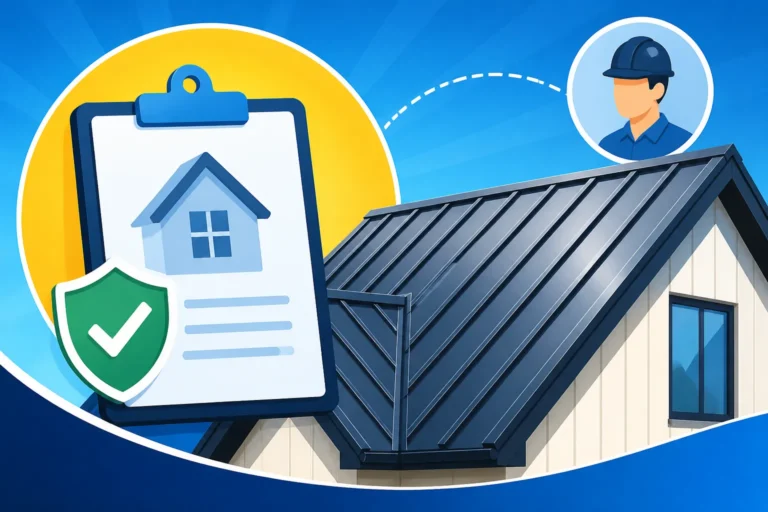
When you're ready to apply for your Dallas metal roof permit, you'll need to gather several key pieces of documentation. This ensures the city has all the necessary information to review your project thoroughly.
First and foremost, you'll need a completed permit application form, which can usually be found on the City of Dallas Development Services website. This form will ask for basic property information, homeowner details, and a description of the work.
Next, you'll typically need a site plan or survey. This doesn't have to be a professionally drawn architectural plan for a simple re-roof, but it should clearly indicate the property lines and the location of the structure receiving the new roof. For more complex projects, detailed architectural drawings might be required.
Perhaps most important for a metal roof are the product specifications and installation details. This includes information about the specific metal panels or shingles you plan to use, their gauge, coating, and manufacturer's installation guidelines. Your chosen roofing contractor, especially if they are a manufacturer-certified metal roof installer, should be well-versed in providing these documents. These specs help the city verify that the chosen materials and proposed installation methods meet Dallas's wind uplift and fire rating codes. They want to see that the fasteners, underlayment, and flashing details are all specified to code.
Finally, proof of contractor licensing and insurance is paramount. In Dallas, while a statewide roofing license isn't required, contractors performing work must be registered with the City of Dallas. You'll want to ensure your chosen contractor has all the necessary registrations, general liability insurance, and workers' compensation coverage to protect you from any unforeseen incidents during the project. Always verify your roofing contractor's credentials before moving forward.
Navigating the Dallas Permit Application Process
The thought of dealing with city bureaucracy can be daunting, but the Dallas permit application process for a metal roof is manageable if you know the steps. Being prepared with the right information and working with a knowledgeable contractor can make a world of difference.
Step-by-Step Guide to Applying for a Roofing Permit
The process typically begins with your roofing contractor, as they are often the ones who pull the permit on behalf of the homeowner. This is usually preferable, as they are familiar with the specific requirements and procedures of the Dallas Development Services Department. However, homeowners can also apply directly if they choose to manage the project themselves. You might find our guide on Should You Hire a Contractor or DIY Your Metal Roof? helpful in making this decision.
- Preparation: Gather all the necessary documents mentioned above: the application form, site plan, product specifications for your chosen metal roofing system, and your contractor's information.
- Submission: Submit your application package to the City of Dallas Development Services Department. This can often be done online through their Accela Citizen Access portal, which is a convenient way to manage your application, track its status, and schedule inspections.
- Review Period: Once submitted, the city will review your application to ensure it meets all relevant building codes and zoning ordinances. This period can vary depending on the complexity of your project and the current workload of the department.
- Issuance: If everything is in order, the permit will be issued. You or your contractor will then need to display the permit visibly at the job site.
- Inspections: Throughout the installation, city inspectors will perform various checks. For a roof replacement, there's usually a final inspection to confirm that the work was completed according to the approved plans and codes. Sometimes, a mid-roof inspection (before the final roofing material is applied but after underlayment) may also be required, especially for complex installations or if tear-off revealed issues.
Understanding Permit Costs and Timelines
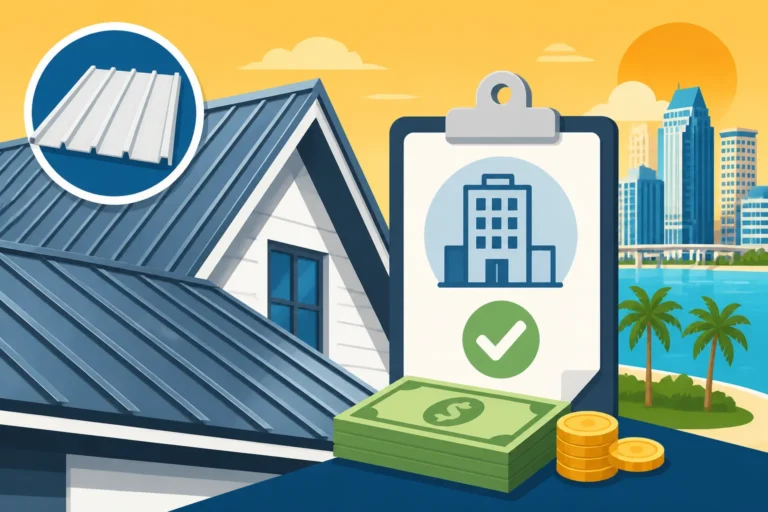
The cost of a roofing permit in Dallas can vary based on the scope and value of the project. Generally, residential re-roofing permits are structured around a base fee plus an additional cost based on the total valuation of the work. For a typical residential metal roof, you might expect the permit fee to range from a few hundred dollars to slightly more, but it’s a relatively small fraction of the overall Metal Roof Cost: Complete 2026 Guide. Always check the most current fee schedule on the Dallas Development Services website or call them directly for an accurate estimate.
| Item | Typical Cost (Estimated) | Notes |
|---|---|---|
| Base Permit Fee | $100 – $200 | Initial fee for application processing. |
| Valuation Fee | $10 – $20 per $1,000 | Added based on the total project cost. |
| Technology Surcharge | Variable | Small percentage for online portal use. |
| Inspection Fees | Included in total | Covers required inspections during and after installation. |
| Expedited Processing | Additional Fee (if offered) | May be available for an extra cost, check with the city. |
The timeline for permit approval can range from a few days for very straightforward projects to a couple of weeks or more during peak construction seasons or for more complex submissions. It’s always best to factor in at least a two-week buffer for permit approval when planning your project start date. Your contractor should be able to give you a more precise expectation based on their recent experience with the Dallas permitting office.
Required Inspections During and After Installation
Getting the permit is just the beginning. The City of Dallas requires inspections to ensure the work is done correctly and safely. For a metal roof replacement, the most common inspection is a final inspection. However, depending on the scope of work, other inspections might be necessary.
Typically, after the existing roof material has been torn off (if applicable) and before the new metal panels or shingles are installed, an intermediate inspection might occur. This allows the inspector to verify the condition of the roof decking, ensure proper underlayment installation, and check for any structural issues or repairs that might have been made. Then, once the metal roof is fully installed, a final inspection will take place. During this final check, the inspector will look for proper panel attachment, flashing around penetrations (like chimneys and vents), correct ventilation, and overall compliance with the approved plans and local codes. Passing these inspections is critical not only for legal compliance but also for validating your manufacturer's warranty.
The Serious Consequences of Skipping a Metal Roof Permit in Dallas
It might seem like a shortcut to save time or a bit of money, but bypassing the permitting process for your metal roof in Dallas can lead to severe and expensive repercussions. These aren't just minor inconveniences; they can significantly impact your home's value, safety, and your financial well-being.
Fines, Stop-Work Orders, and Penalties
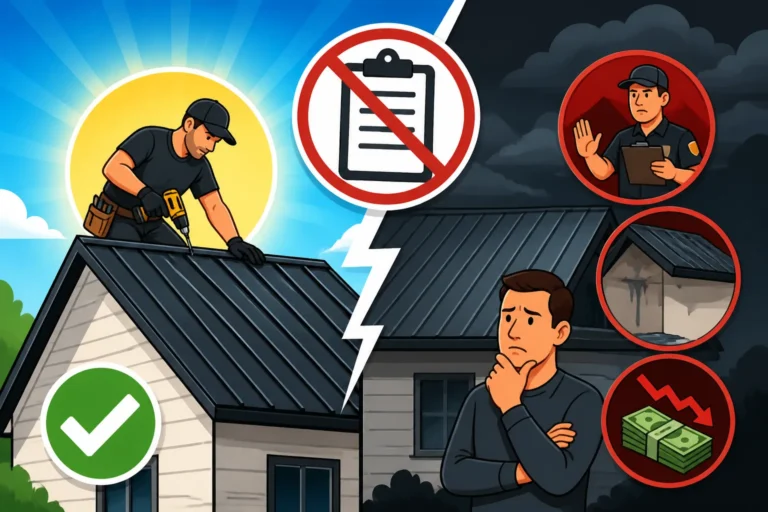
One of the immediate consequences of not obtaining a permit is the risk of a stop-work order. If city officials discover construction work being performed without a valid permit, they can immediately halt the project. This leads to costly delays, as your contractor's crew will be unable to work, and you'll likely incur additional charges for their idle time. Beyond that, the City of Dallas can levy significant fines. These fines are often far more expensive than the original permit fee and can increase daily until the proper permit is secured and the work is brought into compliance.
In some cases, you might even be required to expose parts of the completed work for inspection or, in extreme cases, tear down the unpermitted work entirely if it doesn't meet code or cannot be properly inspected. Imagine the expense of having a brand new metal roof partially or fully removed, just to get a permit, and then reinstalled. It's a nightmare scenario that is easily avoidable by following the correct procedures from the start.
Insurance Headaches and Denied Claims
Perhaps one of the most significant long-term risks of unpermitted work is the potential impact on your homeowners' insurance. Most insurance policies require that all repairs and renovations be done to code and with the necessary permits. If your metal roof, installed without a permit, suffers damage from a storm, fire, or other covered peril, your insurance company could deny your claim. They might argue that the damage was a result of substandard, unpermitted work rather than the covered event, leaving you to pay for repairs or a full replacement out of pocket.
For instance, if a major hail storm hits Dallas, and your new, unpermitted metal roof sustains significant damage, the insurance company might not cover the costs to fix it. This is a terrifying thought, especially when a metal roof is chosen for its durability and often qualifies for Metal Roof Insurance Savings & Discounts precisely because of its resilience and code compliance. Don't jeopardize those benefits by cutting corners on permits.
Resale Roadblocks and Property Value Depreciation
When it comes time to sell your Dallas home, an unpermitted metal roof can become a major stumbling block. Homebuyers and their inspectors are increasingly vigilant about verifying permits for major renovations. If they discover that your metal roof was installed without the proper permits, it can raise serious concerns about the quality, safety, and legality of the installation.
This can lead to several problems: buyers might demand a price reduction to cover the risk or the potential cost of obtaining retroactive permits; the sale might fall through entirely; or you might be required to obtain those retroactive permits and inspections before the sale can close. Retroactive permitting often involves additional fees, more stringent inspections, and sometimes even remedial work to bring the roof up to current code. Essentially, what seemed like a cost-saving measure upfront can turn into a significant financial burden and devalue your property when you try to sell.
Ultimately, securing a permit for your metal roof in Dallas is not just a formality; it's a critical step in ensuring the safety, legality, and long-term value of your investment.
Disclaimer
Please note that building codes and permit requirements can change. While we strive to provide the most accurate and up-to-date information, it is always recommended to verify specific requirements directly with the City of Dallas Development Services Department or a qualified local roofing contractor before starting any project. This article is intended for informational purposes only and should not be considered legal or professional advice.