What Wind Rating Do You Need in Florida?
Navigating the complexities of Florida's building codes and ensuring your home is prepared for the state's notorious weather can feel like a Herculean task. When you're considering a metal roof, a critical question quickly emerges: What wind rating do you need? This isn't just a technicality; it's about safeguarding your most significant investment against hurricane-force winds, and making sense of the various requirements can be incredibly daunting. This comprehensive guide will demystify the essential wind rating standards for metal roofs in the Sunshine State, helping you understand what's required and why it matters.
Understanding Florida's Unique Wind Challenges
Florida isn't just famous for its beaches and theme parks; it's also ground zero for tropical storms and hurricanes. This geographic reality means that roofing standards here are among the most stringent in the nation, designed to protect homes and families from the incredible forces of nature. Ignoring these unique challenges is simply not an option when planning a new roof.
The Ever-Present Threat of Hurricanes
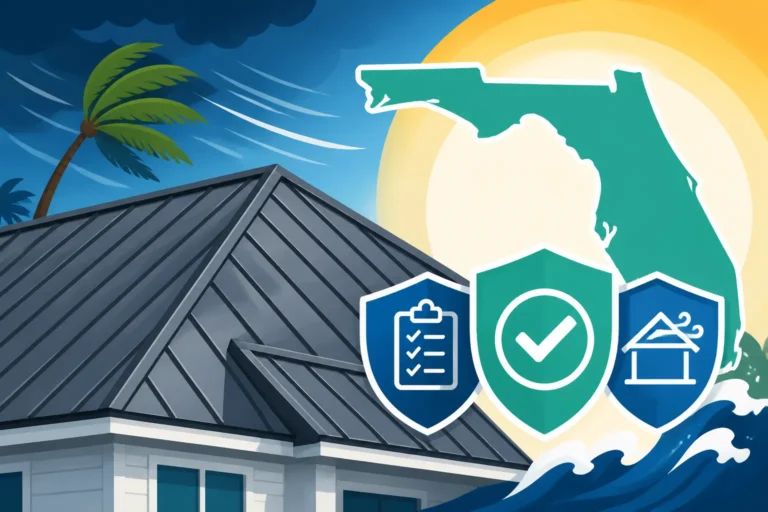
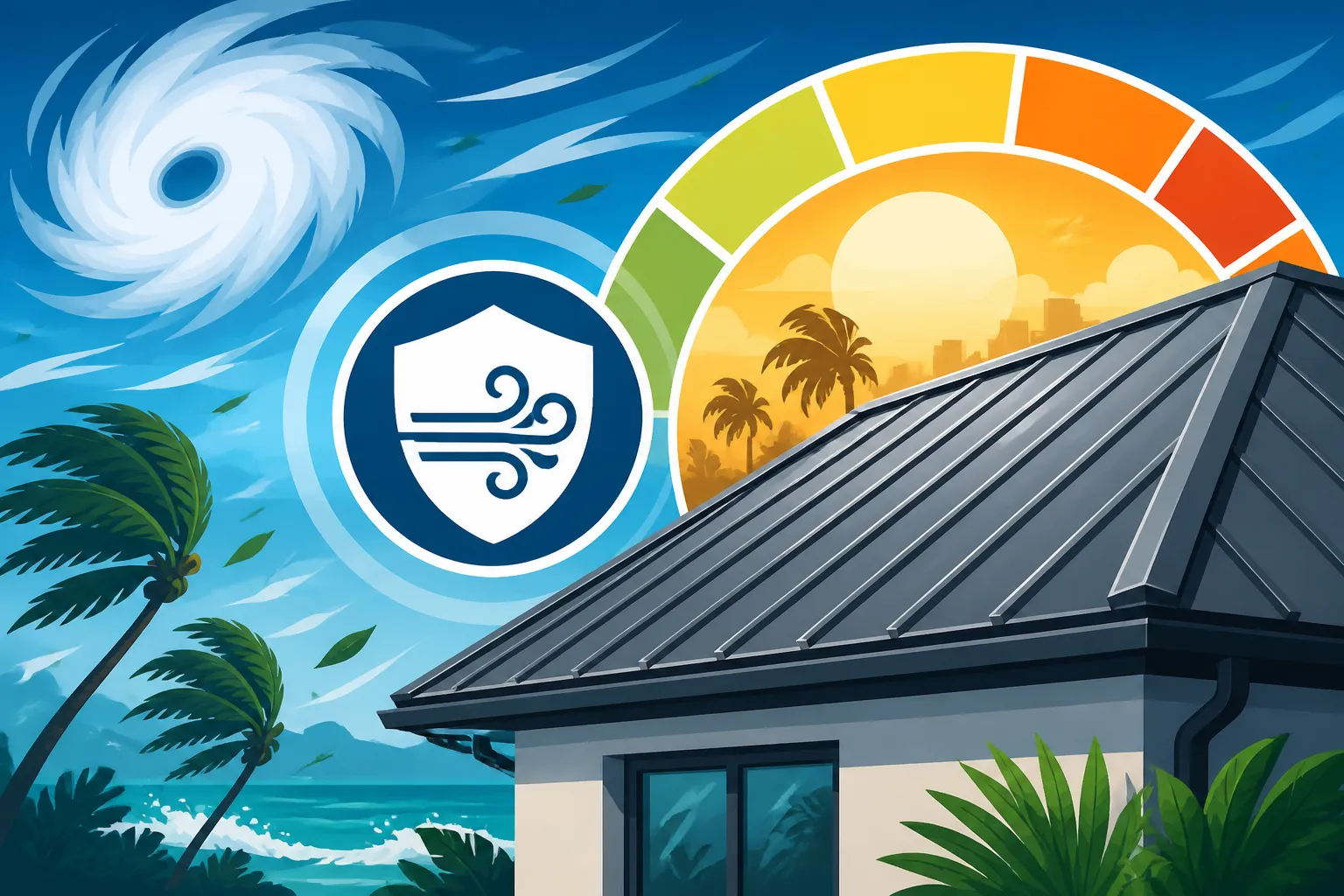
If you live in Florida, the word "hurricane" is practically part of the annual vocabulary. From June through November, the state is under constant watch for these powerful storms, which bring not only torrential rain but also incredibly destructive winds. The Saffir-Simpson Hurricane Wind Scale categorizes these storms from Category 1 (74-95 mph) up to Category 5 (157 mph or higher). Even a Category 1 hurricane can cause significant damage to roofs that aren't properly secured or rated for high winds. We've all seen the images on the news after a major storm – missing roof sections, exposed rafters, and widespread destruction. This isn't just about structural integrity; it's about preventing the "domino effect" where roof failure leads to water intrusion and total loss of a home's interior.
Consider the aftermath of Hurricane Ian in 2022, or the numerous other storms that have swept through communities like Fort Myers, Naples, and Panama City. Homes with older, less resilient roofing systems often bore the brunt of the damage, while structures equipped with robust, high-wind-rated metal roofs frequently fared much better. This real-world evidence underscores why getting the wind rating right is not a recommendation, but an absolute necessity in Florida.
Coastal vs. Inland Considerations
While the entire state is susceptible to hurricanes, the requirements for metal roof wind ratings often become even more stringent as you move closer to the coastline. Homes directly on the ocean or near major estuaries face what's called "coastal exposure," meaning they're hit with the full, unimpeded force of the wind, often intensified by uplift from storm surge.
For instance, a home located right on the Gulf Coast in Sarasota or along the Atlantic in Palm Beach will likely have higher wind load requirements than a property situated 50 miles inland in, say, Lakeland or Ocala. This isn't just about the initial wind speed, but how that wind interacts with the building. Coastal areas often experience greater uplift pressures, requiring more robust fastening schedules and stronger panel systems to resist being peeled off by the wind. The Florida Building Code specifically addresses these differences, often dividing the state into various wind zones with escalating requirements. Understanding these geographical nuances is crucial when you're obtaining bids and discussing your project with contractors.
The Florida Building Code and Wind Design
The Florida Building Code (FBC) is a living document, constantly updated to incorporate lessons learned from past storms and advancements in building science. It sets the benchmark for construction standards across the state, with particular emphasis on wind resistance. For metal roofs, the FBC's stipulations are incredibly detailed, ensuring that every component, from the panels to the fasteners, can withstand the region's formidable weather patterns.
General Requirements Across the State
At a foundational level, every new roof or re-roof project in Florida must comply with the current edition of the Florida Building Code. While the specific wind speed maps and design pressures can vary by county and even by zip code, there's a statewide commitment to resilience. For most of Florida outside of the High-Velocity Hurricane Zones (which we'll discuss next), roofs are typically designed to withstand wind speeds ranging from 130 mph to 150 mph. This isn't just a number; it translates into specific engineering calculations for fasteners, panel gauges, and installation methods.
Contractors must pull permits, and these permits will specify the required wind loads and design pressures for your exact location. The code also dictates the type of underlayment, drip edge, and flashing that must be used to ensure a fully sealed and integrated roofing system capable of shedding wind and water. When you're talking with a reputable contractor, they'll often reference these specific code requirements and explain how their chosen metal roofing system meets or exceeds them. This is where understanding topics like Florida Metal Roof Codes: FBC, HVHZ & Approvals becomes invaluable.
High-Velocity Hurricane Zones (HVHZ)
Miami-Dade and Broward counties are designated as High-Velocity Hurricane Zones (HVHZ) due to their particularly high exposure to hurricanes. Here, the FBC imposes even more rigorous standards, leading to some of the toughest building codes in the world. In these areas, roof systems might need to be designed for wind speeds exceeding 170 mph. The testing and approval process for roofing materials and systems in HVHZ areas are incredibly stringent, often requiring specific product approvals and Notices of Acceptance (NOA) from Miami-Dade County or statewide Florida Product Approvals.
What does this mean for your metal roof? It means that not just any metal panel will do. Products must undergo intense laboratory and field testing to demonstrate their ability to resist extreme wind uplift, missile impact (from flying debris), and water intrusion. If you're building or re-roofing in an HVHZ, your contractor must specify materials and installation techniques that explicitly carry the necessary HVHZ certifications. This often includes heavier gauge metals, more robust fastening patterns, and specialized sealants, all contributing to a more resilient, albeit potentially more expensive, system.
Wind Design Principles for Metal Roofs
The "wind rating" isn't a single, simple number on a label; it's a complex calculation based on several factors, and it's expressed in pounds per square foot (psf) of uplift pressure. Engineers calculate these pressures differently across various parts of the roof. For example, the corners and edges of a roof experience significantly higher uplift forces than the center field because of how wind flows and creates vortices. This is known as "cornering effects" and "edge effects."
A metal roof's wind design is about ensuring every part of the system can resist these forces. This includes:
- Panel strength: The metal gauge, rib height, and panel profile all contribute to how well the panel itself can resist buckling or tearing.
- Fasteners: The type, length, and density of screws or clips used to attach the panels to the roof deck are paramount. More fasteners and specific types are required in high-pressure zones.
- Substrate attachment: How the roof deck (plywood, OSB, etc.) is attached to the rafters or trusses is also critical, as the entire system needs to hold together.
- Flashing and trim: These components, often overlooked, are crucial for preventing wind from getting under the roof system and causing catastrophic failure.
Engineers use software and code provisions to determine the specific design pressures for each zone of your roof. Your metal roofing system must then have been tested and approved to meet or exceed these pressures. This is why a detailed roof plan and specification from your contractor are so important. They should clearly outline how the proposed system complies with the FBC's wind design principles for your specific property.
Key Factors Determining Your Roof's Required Wind Rating
Beyond the general statewide and HVHZ requirements, several site-specific and structural factors influence the precise wind rating your metal roof needs. Understanding these nuances can help you ask the right questions and ensure your contractor is designing a system that’s truly tailored to your home and its environment.
Location, Location, Location: Zip Code and Wind Zones
It cannot be stressed enough how much your exact geographical location impacts the required wind rating for your metal roof in Florida. While we've discussed general statewide and HVHZ differences, even within those broader categories, specific wind zones exist. The FBC includes detailed wind speed maps that assign a "basic wind speed" to different areas, which can vary from 130 mph in some inland regions to well over 180 mph in exposed coastal sections of South Florida.
These basic wind speeds are then used in complex calculations to determine the actual design pressures that your roof will experience. Factors like terrain roughness (e.g., open farmland versus dense urban areas) and the importance of the building (e.g., a residential home versus a hospital) are also considered. Your contractor or a structural engineer will use your property's precise address and elevation data to pinpoint the applicable wind zone and derive the necessary uplift and negative pressures for your specific roof. This data is non-negotiable and forms the bedrock of any code-compliant metal roof installation. You can often find generalized wind zone maps online, but your local building department will have the definitive requirements for your property's zip code.
Building Height and Roof Geometry
The height of your home plays a significant role in its exposure to wind forces. Taller buildings, by their nature, are subjected to higher wind pressures than shorter ones because wind speed generally increases with elevation above ground level. A two-story home, for example, will typically require a higher wind rating than a single-story ranch house, even if they are in the exact same location. The FBC provides specific adjustments for building height when calculating wind loads.
Furthermore, the geometry of your roof is incredibly important. Complex rooflines with multiple peaks, valleys, dormers, and varying pitches can create localized areas of intense wind uplift and turbulence. Gable ends, in particular, are notorious for experiencing extreme suction pressures during high winds. A simple gable roof will behave differently under wind load than a hip roof, and a low-slope roof might have different considerations than a steeply pitched one. Architects and engineers consider these complexities in their designs, ensuring that the metal roofing system, including all its Metal Roof Components & Accessories Explained, is adequately secured at these vulnerable points. Even the eave and rake overhangs contribute to uplift forces and must be accounted for in the design.
Exposure Category: Open Terrain vs. Suburban vs. Urban
The surrounding environment of your home, known as its "exposure category," is another critical factor in determining the required wind rating. The Florida Building Code defines several exposure categories, generally ranging from "Exposure B" (urban and suburban areas with closely spaced obstructions like buildings and trees) to "Exposure C" (open terrain with scattered obstructions, like flat open country or grasslands) and "Exposure D" (smooth, flat terrains, such as large bodies of water or coastal areas directly exposed to the open ocean).
- Exposure B: If your home is in a dense neighborhood with many trees and other houses, these obstructions help break up and slow down the wind, reducing its direct impact on your roof.
- Exposure C: Homes in more open suburban developments, or on the outskirts of towns where there's less clutter, will experience higher wind forces.
- Exposure D: This is the most severe category, typically applied to properties right on the coast or open bodies of water where there are virtually no obstructions to slow the wind down.
The wind pressure calculations will increase significantly as you move from Exposure B to D, demanding a much more robust and higher-rated metal roof system for coastal properties. It's not uncommon for a roof in an Exposure D area to require design pressures that are 20-30% higher than an identical roof in an Exposure B area, even if the basic wind speed is the same. Your contractor should identify your property's correct exposure category to ensure an accurate wind load calculation.
Different Wind Rating Standards for Metal Roofing
Understanding that Florida demands robust wind resistance is one thing; knowing how those requirements are met and verified in the real world of metal roofing products is another. Manufacturers use specific testing standards and certification processes to prove their products can withstand the forces defined by the Florida Building Code.
ASTM and UL Standards
When you look at specifications for metal roofing products, you'll often see references to ASTM and UL standards. These are independent testing organizations that put roofing systems through rigorous evaluations to determine their performance characteristics, including wind resistance.
- ASTM E1592: This is a key standard for determining the structural performance of metal roof panels under uniform static air pressure difference. Essentially, it measures how much uplift pressure a specific panel profile and fastening system can withstand before deforming or failing. Manufacturers will provide data showing their panels can meet certain psf (pounds per square foot) ratings based on this test.
- UL 580: This standard evaluates the uplift resistance of roof assemblies by simulating wind suction through a series of cyclic and static pressure tests. A UL 580 Class 90 rating, for instance, indicates a roof assembly can withstand certain uplift pressures. Many Florida codes mandate that metal roofing systems achieve at least a Class 90 rating under UL 580.
- UL 1897: This is another important standard, often used in conjunction with UL 580, specifically focusing on uplift resistance of mechanically attached flexible membrane roofing systems, but its principles apply to how metal roofs are tested for various components.
These tests are critical because they provide verifiable data that engineers and building officials can rely on. A reputable metal roofing manufacturer will have their products tested and certified to these standards, making it easier for contractors to select materials that comply with the FBC. Knowing these standards helps you understand what a contractor means when they say a product is "rated for high winds."
Product Approvals and NOAs
In Florida, especially in the HVHZ, mere compliance with ASTM or UL standards isn't always enough. The state has its own stringent system of "Florida Product Approvals," and within Miami-Dade and Broward counties, "Notices of Acceptance (NOA)" from Miami-Dade County are the gold standard.
- Florida Product Approval: This statewide system ensures that building products, including metal roofing systems, meet the specific performance requirements of the FBC. Manufacturers submit extensive test data, engineering analyses, and quality control documentation to the state for review. If approved, the product receives a unique Florida Product Approval number, which can be looked up on the state's website. This approval explicitly details the conditions of use, maximum design pressures, and installation requirements.
- Miami-Dade NOA: For products used in the HVHZ, a Miami-Dade NOA is often required. These are exceptionally difficult to obtain and represent the highest level of wind and impact resistance certification in the industry. An NOA will specify the minimum gauge of metal, the exact fastening pattern, allowable substrates, and sometimes even the specific sub-contractor details.
When you're comparing bids and materials, always ask your contractor for the Florida Product Approval or Miami-Dade NOA numbers for the exact metal roofing system they propose. This documentation is your assurance that the product is legally approved for use in your specific wind zone and will meet or exceed the required wind ratings. Without these approvals, even a technically strong product may not pass inspection. For further reading, check out our article on Florida Product Approval and Miami-Dade NOA to delve deeper into these crucial certifications.
Why a Higher Wind Rating is More Than Just a Number
It's easy to get caught up in the technical jargon of wind ratings, but it's vital to remember that these numbers represent real-world protection. A higher wind rating isn't just about meeting a code; it's about making a smart investment in your property's safety, longevity, and overall value.
Protecting Your Investment and Family
Imagine the peace of mind knowing that when a hurricane warning is issued, your home's roof is designed to stand strong. A metal roof with an appropriate, or even superior, wind rating offers that tangible sense of security. It means the panels are less likely to peel back, the fasteners are less likely to fail, and your home's interior is less likely to be exposed to driving rain and windborne debris. The primary goal of robust wind design is to keep the roof on the house, preventing water intrusion and catastrophic structural damage.
Think about the long-term impact. Even if a lower-rated roof technically "survives" a storm, it might suffer unseen damage, weakening its integrity and leading to premature failure down the line. A properly rated and installed metal roof, built to exceed the baseline, acts as a fortress, protecting not just the physical structure, but everything inside – your memories, your valuables, and most importantly, your family. This goes hand-in-hand with ensuring a proper Metal Roof Installation Process: Step by Step by a qualified team.
Insurance Implications and Discounts
This is where the financial benefits of a high-wind-rated metal roof really shine. In Florida, where homeowners insurance premiums are notoriously high due to hurricane risk, having a roof that meets or exceeds the latest wind mitigation standards can lead to significant savings. Insurance companies are highly motivated to reduce their risk exposure, and a robust roof is a major factor in their calculations.
Many insurers offer substantial discounts for homes with roofs that have specific wind-resistant features, such as those meeting current FBC standards, having a secondary water barrier, or being installed with enhanced fastening systems. You might qualify for what's known as "wind mitigation credits" or "roof premium credits" simply by having a metal roof with a strong wind rating. After installation, you can often get a wind mitigation inspection, and the inspector will document all the wind-resistant features of your new roof. This report is then submitted to your insurance company, potentially leading to lower annual premiums. This is such a critical topic that we have a dedicated guide on Metal Roof Insurance Savings & Discounts and Wind Mitigation and Roof Premium Credits. The savings over the lifespan of a metal roof can easily add up to thousands of dollars, making the initial investment even more worthwhile.
Long-Term Performance and Peace of Mind
A metal roof is an investment for the long haul, often boasting a lifespan of 40-70 years. To truly realize that longevity, it needs to be able to withstand decades of Florida's weather, including multiple hurricane seasons. A roof designed and rated for high winds will simply perform better over its lifetime. It will be less prone to damage from strong gusts, less likely to require emergency repairs after a storm, and more likely to retain its aesthetic appeal.
This long-term performance translates directly into peace of mind. You won't be constantly worrying about the next tropical depression brewing in the Atlantic or Gulf. You'll know that your roof is a resilient shield, engineered to protect your home year after year. This reliability reduces maintenance headaches and unexpected repair costs, allowing you to enjoy your Florida home without the constant stress of potential roof failure.
Practical Steps to Ensure Your Metal Roof Meets Florida's Wind Requirements
Now that you understand the "why" and "what" of Florida's wind ratings, let's talk about the "how." Ensuring your new metal roof is up to snuff requires a proactive approach and a partnership with experienced professionals.
Working with a Knowledgeable Contractor
The single most crucial step in getting a code-compliant, high-wind-rated metal roof in Florida is selecting the right contractor. This isn't a job for just any roofer; you need a specialist with proven experience in metal roofing in Florida, and who is intimately familiar with the Florida Building Code and local amendments.
Here's what to look for:
- Local Experience: They should have a track record of successful metal roof installations in your specific region of Florida. Ask for references and examples of local projects.
- Licensing and Insurance: Verify that they are properly licensed by the state and carry adequate liability and workers' compensation insurance. Never work with an unlicensed contractor, as it exposes you to immense risk. You can learn more about Metal Roof Contractor Licensing, Bonding & Insurance.
- Knowledge of FBC and Product Approvals: A good contractor will proactively discuss the required wind ratings for your property, explain the relevant FBC sections, and provide Florida Product Approval or Miami-Dade NOA documentation for the proposed materials.
- Transparent Quotes: Their quote should clearly detail the metal type (e.g., steel, aluminum), gauge, profile (e.g., standing seam, corrugated), fastening system, underlayment, and an explicit statement of how the system meets local wind load requirements. Don't be afraid to ask for a breakdown, as covered in How to Read and Compare Metal Roof Quotes.
Choosing a contractor who prioritizes code compliance and utilizes engineering principles in their designs is paramount. They should be your guide through this complex process, ensuring that every detail, from the selection of Metal Roofing Materials Compared: Steel, Aluminum, Copper & Zinc to the type of Standing Seam vs Corrugated Metal Roof chosen, contributes to a resilient, wind-resistant system.
Understanding Your Specific Project Requirements
Don't just defer everything to the contractor; empower yourself with knowledge about your specific project's requirements. This involves asking questions and verifying information.
- Permit Application: Ensure your contractor applies for and secures all necessary permits before any work begins. The permit application itself will outline the required design wind speeds and pressures for your location. This is a crucial step detailed in Do You Need a Permit for a Metal Roof?.
- Engineering Review: For complex roofs or those in HVHZ areas, an engineer might be involved in reviewing or even designing the specific fastening schedule and system components to meet the required wind loads. Ask your contractor if an engineer's stamp is part of the project.
- Warranty Details: Understand the warranty offered, both by the manufacturer and the contractor. A robust manufacturer warranty often hinges on proper installation according to their specifications and local codes. Clarify what happens if a roof fails due to wind if it was installed correctly. This is covered in depth in Metal Roof Warranties: Workmanship vs Manufacturer.
- Inspection Process: Be aware of the inspection schedule by the local building department. Your metal roof will undergo various inspections during installation to ensure it meets code. A competent contractor will welcome these inspections as a stamp of approval. Understanding How to Pass a Roof Inspection for Metal can be helpful.
By staying informed and engaged throughout the process, you're not just ensuring compliance; you're actively participating in building a safer, more durable home. Investing in a high-quality metal roof with the correct wind rating is one of the smartest decisions you can make for a property in Florida.
Here's a quick reference table for general wind speed zones in Florida:
| Region of Florida | Typical Basic Wind Speed (3-sec gust) | Exposure Category Considerations | Key Code Compliance Focus |
|---|---|---|---|
| HVHZ (Miami-Dade, Broward) | 170 mph – 180 mph+ | Primarily C & D | Miami-Dade NOA, Florida Product Approval, Enhanced Fastening |
| Coastal (Excl. HVHZ) | 140 mph – 160 mph | Primarily C & D | Florida Product Approval, Wind Mitigation, Specific Flashing |
| Inland Central/North | 130 mph – 150 mph | Primarily B & C | Florida Product Approval, Standard FBC Requirements |
| Florida Keys | 170 mph – 180 mph+ | Primarily D | Miami-Dade NOA or equivalent, Extreme Uplift Resistance |
Note: These are general ranges. Your specific property's basic wind speed and design pressures must be determined by a qualified professional using the current Florida Building Code and local amendments.
Disclaimer
The information provided in this guide is for general informational purposes only and does not constitute professional advice. Building codes and regulations, especially in Florida, are complex and subject to change. Always consult with a licensed and experienced metal roofing contractor, structural engineer, and your local building department to determine the specific wind rating requirements, product approvals, and installation methods applicable to your property and project. Failure to comply with all local and state codes can result in significant penalties, safety hazards, and voided warranties.