How Much Can a Metal Roof Lower Your Insurance?
Dealing with rising home insurance premiums can feel like a constant battle, especially when you're trying to protect your biggest investment. Many homeowners start looking for ways to lower those costs, and a metal roof often comes up as a potential solution. This guide will walk you through exactly how a metal roof can impact your home insurance, what factors influence potential savings, and how you can maximize those benefits.
The Promise of Metal Roofs and Insurance Savings
It’s completely understandable why homeowners are drawn to metal roofs when thinking about insurance. The idea of getting a durable, long-lasting roof that also saves you money on premiums is incredibly appealing. But it’s not just a pipe dream; there are real, tangible reasons why insurance companies often view metal roofs more favorably than traditional asphalt shingles.
Why Metal Roofs are Viewed Favorably by Insurers
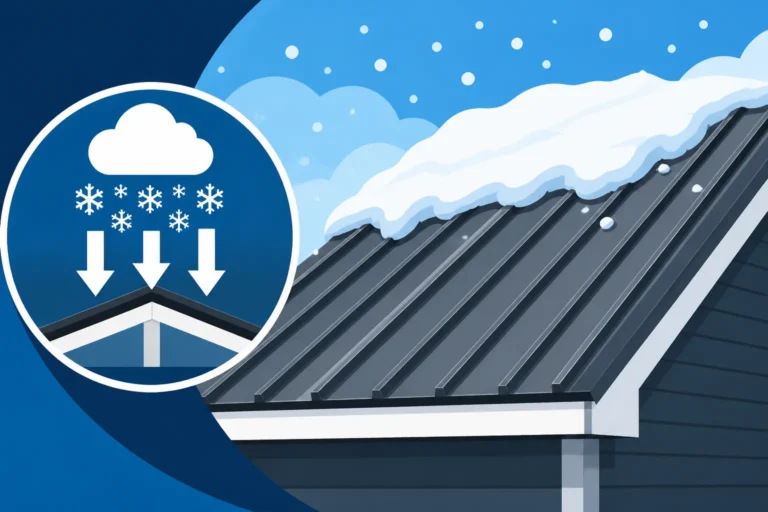
One of the biggest headaches for homeowners and insurers alike is roof damage caused by everyday weather events. Traditional asphalt shingle roofs, while common, are quite vulnerable to things like strong winds, hail, and even fire. This leads to frequent claims, which in turn drives up premiums across the board. Metal roofs, on the other hand, bring a level of resilience that insurers appreciate. They are designed to withstand a beating. Think about it: a metal roof can shed snow and ice more effectively, resist igniting from embers, and often comes with impressive wind uplift ratings that keep it firmly attached during severe storms. This inherent durability translates to fewer potential claims for the insurance company, and that's good news for your wallet.
For instance, many metal roofing systems boast a Class A fire rating, the highest possible, meaning they are incredibly resistant to external fire sources. In areas prone to wildfires, like parts of California or the dry plains of Colorado, this can be a significant factor in reducing your risk profile. Furthermore, the robust construction often means a much longer lifespan compared to shingles, sometimes 50 years or even more. Fewer roof replacements over the life of your home means less risk for the insurer and more stability for your budget.
Understanding "Discounts" vs. "Lower Premiums"
When we talk about insurance savings, it’s important to clarify what that actually means. Sometimes, people imagine a huge percentage sliced off their entire policy, like a coupon. In reality, it’s often more nuanced than that. Instead of a single "metal roof discount," you're more likely to receive specific credits or avoid surcharges that would otherwise be applied if you had a less durable roof. These credits are typically tied to specific performance characteristics of your metal roof, such as its ability to resist high winds, hail impact, or fire.
For example, your insurer might not explicitly advertise a "metal roof discount," but they might offer a "wind mitigation credit" if your roof meets certain standards, or a "Class 4 impact resistance discount" if your metal roof is certified to withstand severe hail. The cumulative effect of these individual credits is what ultimately contributes to a lower overall premium. It's less about a blanket reduction and more about being rewarded for mitigating specific risks that your metal roof inherently addresses. Always ask your agent for a detailed breakdown of how your specific metal roof features are factored into your premium.
Key Factors Influencing Insurance Reductions
The journey to lower insurance premiums with a metal roof isn't a straight path. Several critical factors come into play, from where you live to the specific type of metal roof you install. Understanding these elements can help you anticipate how much you might save and what information your insurance company will need.
Location, Location, Location
It’s a cliché in real estate, but it’s absolutely true for insurance too: where your home is located dramatically impacts your potential savings. A metal roof in a hurricane zone like Florida will likely yield different benefits than one in a snowy northern climate or a hail-prone region. Insurers are primarily concerned with the specific perils common in your area.
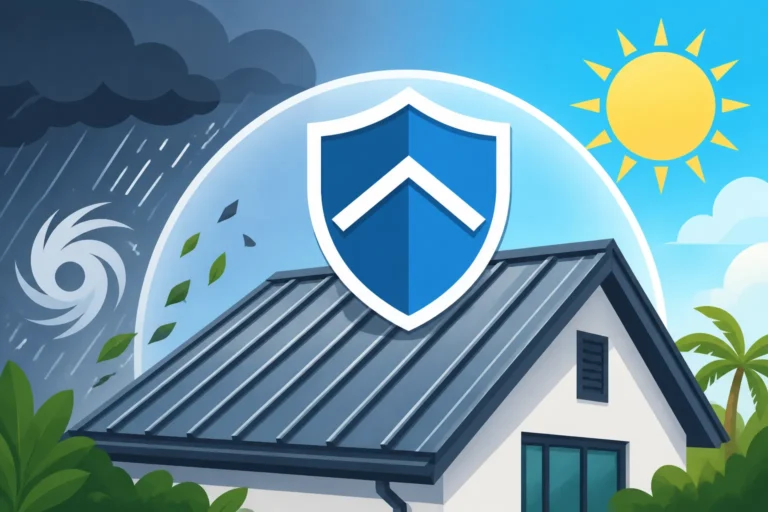
For instance, in coastal states such as Florida or Texas, where hurricanes and tropical storms are a recurring threat, wind mitigation is king. Building codes in these areas are incredibly strict, and metal roofs, especially properly installed standing seam systems, are highly regarded for their superior wind resistance. An insurer might offer significant credits for a metal roof that meets rigorous wind uplift requirements. On the other hand, if you live in a state like Colorado or Oklahoma, which frequently experiences severe hail, the focus shifts to impact resistance. Here, a metal roof with a Class 4 impact rating will be highly valued by insurance companies, potentially leading to substantial premium reductions. These regional differences are why a one-size-fits-all approach to metal roof insurance savings just doesn't work.
Metal Roof Specifications and Certifications
Not all metal roofs are created equal, and insurance companies know this. The specific features, materials, and certifications of your metal roofing system play a huge role in how much of a discount you might receive. A thin, exposed fastener corrugated panel, for example, might not offer the same level of protection or garner the same discounts as a heavy-gauge, concealed fastener standing seam system.
One of the most impactful certifications to look for is a Class 4 Impact Resistance rating, also known as UL 2218. This rating signifies that the roof can withstand the impact of 2-inch steel balls dropped from 20 feet without cracking. In hail-prone regions, choosing a Stone-Coated Steel Roof Cost or specific heavy-gauge standing seam options that carry this rating can lead to significant savings. Similarly, the roof's wind uplift rating (e.g., rated for 110 mph, 130 mph, or even higher) demonstrates its ability to resist strong winds. This is particularly important for coastal areas, where local building codes often mandate specific wind resistance levels. Furthermore, a Class A fire rating is standard for most metal roofs, offering excellent protection against external fire hazards, which can also be a factor in your premium, especially in wildfire-prone areas. Programs like FORTIFIED Roof™ also certify superior construction and installation, which many insurers recognize with discounts. Understanding these specifications is key to unlocking the full potential of your metal roof for insurance savings.
Your Insurance Provider and Policy Type
Just like different cars have different insurance rates, different insurance companies have varying appetites for risk and different underwriting guidelines. Some insurers are more proactive in offering discounts for resilient roofing materials like metal, while others might be slower to adapt or offer more modest credits. This is why it's incredibly important to shop around and get quotes from multiple providers. What one company considers a standard feature, another might view as an exceptional risk-reducing improvement.
Your specific policy type and coverage limits also play a role. A comprehensive homeowners policy with a higher deductible might see different percentage savings than a basic policy with a lower deductible. The age of your home can also be a factor; an older home with a new, high-performance metal roof might see a more dramatic reduction in the "roof age" component of its premium compared to a brand-new home. Don't assume that all insurance companies will treat your new metal roof the same way. Be prepared to ask direct questions about specific discounts for wind, hail, and fire resistance, and have documentation from your installer ready to support your claims.
Specific Discounts and Credits You Might Find
Now, let's dive into the nitty-gritty of the specific types of discounts and credits that a metal roof can help you unlock. These aren't always labeled as "metal roof discounts," but rather as credits for the superior performance characteristics that metal roofs inherently possess.
Wind Mitigation Credits
For homeowners in hurricane-prone states, wind mitigation credits are often the holy grail of insurance savings. These credits are given for features that make your home more resistant to wind damage, and a properly installed metal roof is a star player in this game. A certified wind mitigation inspection evaluates several key components of your home's construction, and the roof's integrity is paramount.
When an inspector comes out, they'll look at things like your roof's shape (hip roofs generally perform better than gable roofs), how the roof deck is attached to the trusses, the type of roof-to-wall connections (e.g., hurricane clips or straps), the presence of a secondary water resistance (SWR) barrier, and, of course, the roof covering itself. Metal roofs, particularly standing seam metal roofs, often excel in these categories. Their robust fastening systems and ability to resist peeling back in high winds significantly reduce the risk of catastrophic roof failure during a storm. For example, a quality Standing Seam Metal Roof Cost might be higher upfront, but the long-term savings from wind mitigation credits can be substantial, particularly in Florida, where these credits are mandated by state law. Getting a professional wind mitigation inspection after your metal roof installation is crucial; without it, your insurer won't know to apply the discounts. You can learn more about how to capitalize on these by checking out our guide on Wind Mitigation and Roof Premium Credits.
Impact Resistance Discounts Class 4
If you live in an area that frequently experiences hailstorms – think Texas, Oklahoma, Colorado, or even parts of the Midwest – a Class 4 impact resistance rating can be a game-changer for your insurance premiums. This is the highest rating available for roofing materials under the UL 2218 standard, meaning the roof has been tested to withstand the impact of a 2-inch steel ball dropped from 20 feet without showing signs of damage.
While traditional asphalt shingles might crack or lose granules under hail impact, leading to immediate claims, many metal roofing systems are designed to shrug off even severe hailstones. Certain types, like stone-coated steel or heavier gauge standing seam panels, are excellent candidates for this certification. The actual discount can vary wildly by insurer and location, but it's not uncommon to see significant savings, sometimes 10-20% or even more on the premium for the dwelling coverage itself. It's a direct reflection of the reduced risk of hail damage claims. If your area sees frequent hail, investing in a Class 4 rated metal roof is one of the most direct ways to lower your insurance costs and gain peace of mind. You'll want to specifically ask your insurance agent about Class 4 Impact-Resistant Roof Insurance Discount availability in your region.
Fire Resistance Discounts
While less commonly discussed than wind or hail, fire resistance is another area where metal roofs shine and can lead to insurance savings, particularly in regions prone to wildfires or where strict fire codes are in place. Metal roofs are non-combustible, meaning they won't ignite from flying embers or radiant heat, which is a significant advantage over many other roofing materials.
In communities located near wildland-urban interfaces (WUI) – areas where development meets natural, uncultivated land – the risk of wildfire is a serious concern. Many insurance companies, and even local building codes, will offer incentives or require fire-resistant building materials in these zones. A Class A fire rating, which most metal roofs easily achieve, signifies the highest level of resistance to external fire exposure. While the direct percentage discount for fire resistance might be smaller than for wind or hail in some areas, it can still contribute to your overall savings and is a critical safety feature. It demonstrates to insurers that your home poses a lower risk of fire-related claims originating from the roof.
Realistic Expectations and How to Maximize Your Savings
It's natural to hope for a huge chunk taken off your insurance bill with a new metal roof. While the savings are real, it's essential to set realistic expectations and understand the proactive steps you need to take to truly maximize those benefits.
Don't Expect a Huge Percentage Off Initially
Let's be honest, you're probably not going to see your annual premium slashed in half just because you installed a metal roof. While metal roofs do offer significant long-term value and risk reduction, the immediate, upfront percentage discount on your premium might be more modest than you initially hope for, especially if you're not in a high-risk hurricane or hail zone. In some cases, the savings might be a respectable 5-15%, while in others, it could be less.
The key is to remember that the value of a metal roof extends far beyond a simple percentage discount. It's about long-term protection, reduced maintenance, and avoiding costly deductibles and the hassle of filing claims every few years. The true financial benefit of a metal roof often comes from its longevity and durability, which means you're not replacing your roof every 15-20 years like you might with asphalt shingles. This saves you thousands in future replacement costs and keeps your insurance claims history clean, which indirectly helps maintain lower premiums over time. Don't just focus on the immediate sticker shock of the metal roof installation; look at the bigger picture of its overall return on investment. If you're weighing the options, our guide Is a Metal Roof Worth It? ROI, Resale & Payback offers a deeper dive into the overall financial benefits.
Proactive Steps to Secure Discounts
Getting those insurance discounts isn't automatic; it requires a bit of legwork on your part. Think of it as presenting a strong case to your insurance provider, backed by solid evidence. The more information you can give them, the better your chances of securing all available credits.
First and foremost, get multiple quotes from different insurers. This is perhaps the most crucial step. Different companies have different risk assessment models and discount structures. What one insurer offers, another might not, or they might offer more. Don't settle for the first quote you get. When speaking with agents, ask specific questions about discounts for metal roofs, focusing on wind resistance, hail impact ratings (Class 4), and fire resistance. Don't just ask, "Do you offer a discount for metal roofs?" Instead, inquire, "What documentation do you need to qualify my metal roof for wind mitigation credits or Class 4 impact resistance discounts?" Be prepared to provide documentation from your contractor, including detailed invoices, manufacturer specifications for your panels (gauge, coating, certifications), and proof of proper installation according to code. If your state or locality benefits from them, schedule a professional wind mitigation inspection after your roof is installed. This report is gold for insurers in high-wind regions. By being proactive and organized, you'll ensure you're getting every possible credit for your durable new roof. You might also consider using a Metal Roof Cost Calculator: How to Estimate to factor in potential savings when comparing your overall investment.
The Long-Term Financial Picture
While the immediate insurance discount is a welcome bonus, the true financial wisdom of a metal roof often reveals itself over decades. It's a long-term investment, and understanding its comprehensive financial impact is key to appreciating its value.
Consider the cumulative savings. Over the typical 40-70 year lifespan of a metal roof, you're avoiding multiple costly asphalt shingle replacements. The upfront cost of a metal roof can be higher than shingles, but when you factor in its longevity, low maintenance needs, and potential insurance savings, the annual cost of ownership often becomes significantly lower. Think about a homeowner in a hail-prone region who replaces their shingle roof every 7-10 years due to storm damage. Each time, they're paying a deductible, dealing with contractors, and potentially seeing their premiums rise. With a Class 4 impact-resistant metal roof, those headaches and expenses are largely eliminated. Furthermore, a metal roof can increase your home's resale value, making it more attractive to potential buyers who also appreciate durability and lower operating costs. It’s an investment that pays dividends not just in lower premiums, but in enhanced home value, reduced repair costs, and peace of mind over its extended lifetime. Our article on Metal Roof Cost vs Lifespan Value delves into this more deeply.
Regional Differences in Metal Roof Insurance Savings
The specific benefits of a metal roof for insurance purposes can vary significantly depending on where you live. What's a major selling point in one state might be less impactful in another. Understanding these regional nuances is crucial for homeowners looking to maximize their savings.
High-Wind Regions Florida, Gulf Coast
If you're a homeowner in Florida or along the Gulf Coast, you're no stranger to severe weather. Hurricanes, tropical storms, and intense wind events are a reality, and state building codes reflect this, often being among the strictest in the nation. This is precisely where metal roofs shine and where you'll often see the most significant insurance savings related to wind mitigation. Florida, in particular, has robust regulations, including the Florida Building Code (FBC) and the High-Velocity Hurricane Zone (HVHZ) requirements for areas like Miami-Dade and Broward counties.
A metal roof, especially a properly engineered and installed standing seam system, can achieve superior wind uplift ratings that meet or exceed these stringent codes. Insurers in these regions are heavily incentivized, and in some cases mandated, to offer credits for features that reduce wind damage. This includes the roof's shape, how the roof deck is attached, and robust roof-to-wall connections, all of which a well-installed metal roof contributes to. You might find specific benefits from having a Hurricane and Coastal Metal Roof Requirements-compliant roof. For example, Florida Statute 627.0629 requires insurance companies to offer discounts for homes that have undergone wind mitigation inspections and demonstrate features that reduce wind loss. This is why a metal roof in Florida often leads to tangible, measurable reductions in premiums, often tied to a verified wind mitigation report.
Hail-Prone States Texas, Colorado, Oklahoma
Move inland, and the primary weather threat often shifts from hurricanes to hailstorms. States like Texas, Colorado, and Oklahoma are part of "Hail Alley," experiencing frequent and sometimes devastating hail events. For homeowners in these areas, the focus for insurance savings turns squarely to impact resistance. This is where metal roofs with a Class 4 impact resistance rating become incredibly valuable.
Many insurance companies in these hail-prone states explicitly offer discounts for Class 4 rated roofs. The reason is simple: a roof that can withstand severe hail without sustaining damage means fewer claims for the insurer and less hassle for the homeowner. While the upfront investment for a Class 4 certified metal roof (which could be a Stone-Coated Steel Roof Cost or specific heavy-gauge standing seam options) might be higher, the savings on insurance premiums can be substantial and recurring year after year. For example, some insurers might offer 10-20% off the dwelling coverage portion of your premium for a Class 4 roof. It's a clear trade-off: invest in a more durable roof now to avoid the constant cycle of hail damage claims, deductibles, and rising premiums in the future. You'll want to specifically ask about discounts for Class 4 roofs in states like Texas. To dive deeper into specific incentives, check out our article, Do Metal Roofs Qualify for Insurance Discounts in Texas?.
Other Regions and General Considerations
Even if you don't live in a hurricane alley or a hail magnet, a metal roof's inherent durability can still influence your insurance premiums. In states with less extreme weather patterns, the savings might not be as dramatic or tied to specific, mandated discounts, but they are still there. Insurers generally prefer roofs that are robust, long-lasting, and less prone to common damage.
For example, the fire resistance of a metal roof is a universal benefit, regardless of location. The fact that metal roofs don't easily catch fire from stray embers or lightning strikes is a favorable characteristic that can subtly reduce your risk profile. Furthermore, the sheer longevity of a metal roof means you're less likely to file claims related to an aging, failing roof. This clean claims history can help you maintain lower premiums over the decades. It always comes down to asking your insurance agent directly. Be prepared to highlight the specific benefits of your chosen metal roofing material, its gauge, and its expected lifespan. While the regional extremes offer the clearest path to discounts, the overall superior performance of metal roofs is something all insurers consider when calculating your premium.
Here's a quick summary of how various metal roof characteristics can influence your insurance premiums:
| Metal Roof Characteristic | Primary Benefit for Insurers | Potential Discount Impact | Common Regions Where It Matters Most |
|---|---|---|---|
| Wind Resistance (High Ratings) | Reduced risk of roof blow-off/damage in high winds. | Moderate to Significant | Florida, Gulf Coast, Tornado Alley |
| Class 4 Impact Resistance | Withstands severe hail without damage, fewer hail claims. | Significant | Texas, Colorado, Oklahoma, Midwest |
| Class A Fire Rating | Non-combustible, reduces risk of fire spread from external sources. | Modest to Moderate | Wildfire-prone areas (CA, CO), Rural |
| Long Lifespan (50+ years) | Fewer roof replacements, lower long-term risk of age-related issues. | Indirect (lower premiums over time, fewer claims) | Universal |
| Gauge (e.g., 24 vs 26) | Thicker panels offer more durability against dents, impact. | Modest (often tied to Class 4) | Hail-prone areas |
| Concealed Fasteners | Enhanced wind resistance, fewer leak points over time. | Modest (often tied to Wind) | Universal, especially high-wind |
| Secondary Water Barrier (SWR) | Added protection against water intrusion if primary roof is breached. | Moderate | High-wind/hurricane zones |
Disclaimer
The information provided in this article is for general informational purposes only and does not constitute professional financial, insurance, or legal advice. Insurance policies, discounts, and regulations vary significantly by state, insurer, and specific policy terms. You should always consult with a qualified insurance professional to discuss your specific needs, obtain personalized quotes, and understand the exact impact of a metal roof on your homeowners insurance premium. Always verify current building codes and permit requirements with your local authorities.