Does a Copper Roof Need Special Maintenance?
One of the most common questions homeowners have when considering a stunning copper roof is whether it's going to be a constant headache with special maintenance demands. The truth is, while copper is incredibly durable and beautiful, it does have a unique character that sets it apart from other roofing materials. This guide will dive deep into what makes copper roofs special and precisely what kind of "maintenance" you should expect to keep yours looking its best and performing flawlessly for decades to come.
Understanding the Unique Nature of Copper Roofing
Copper roofing stands out in the world of residential and commercial architecture for its striking aesthetic and unparalleled longevity. Unlike many other materials that start strong and then slowly degrade, copper often begins its journey with a bright, coppery sheen and evolves into something entirely different, carrying a unique set of considerations for its care. It's not so much about constant intervention as it is understanding and appreciating its natural processes.
The Patina Process: Beauty or Burden?
When you first install a copper roof, it gleams with that unmistakable, almost penny-like shine. It’s vibrant, reflective, and quite an attention-grabber. But anyone familiar with copper knows this look is temporary. Over time, usually within a few years depending on environmental factors like humidity, rainfall, and air pollution, your copper roof will begin to oxidize. This oxidation process leads to the formation of a protective layer known as patina.
The patina isn't a defect; it's a natural, self-sealing shield that actually enhances the durability and lifespan of the copper. It starts with dulling, then progresses through various shades of brown, eventually settling into that iconic blue-green verdigris that many find so incredibly beautiful and historic. Think of the Statue of Liberty or the domes of grand old buildings – that's the copper patina in its full glory. For many homeowners, this evolving color is the very reason they choose copper, seeing it as an organic, living material that adds character and timeless elegance to their property. However, if you're expecting your roof to maintain that initial bright luster indefinitely, you'll discover that fighting the patina is a constant, labor-intensive battle. Most homeowners embrace it as part of the material's charm, understanding that it's a mark of quality and age.
Inherent Durability and Longevity of Copper
Beyond its aesthetic transformation, copper is an exceptionally robust material. It boasts an incredible lifespan, often lasting 100 years or even more, which is significantly longer than most other roofing materials. This impressive durability comes from its natural resistance to many common roofing scourges. For instance, copper is inherently corrosion-resistant, meaning it won't rust or degrade from exposure to moisture like some steel-based options might. You can learn more about its long-term value in our guide on [How Long Does a Copper Roof Last?].
Furthermore, copper is non-combustible, offering excellent fire resistance, a crucial benefit in many regions. It's also impervious to biological growth such as moss, algae, and fungi, which can be a persistent problem for asphalt shingles or even some tile roofs. The smooth surface and inherent properties of copper simply don't provide a welcoming environment for these organisms to thrive. This means you won't need harsh chemical treatments or aggressive cleaning to keep unsightly growths at bay, unlike other materials that might require regular power washing or fungicidal applications. This inherent resilience means fewer worries about common roofing woes, shifting the focus of "maintenance" away from fighting decay and towards simply ensuring optimal performance.
Standard Maintenance Practices for Copper Roofs
While copper roofs are renowned for being low-maintenance, "low-maintenance" doesn't mean "no-maintenance." Just like any other significant investment in your home, a copper roof benefits from some routine care to ensure it performs at its best and retains its unique charm for generations. The key is understanding what is needed versus what isn't, saving you time and money.
Routine Cleaning and Debris Removal
Even the most resilient roof material needs a little help shedding nature's persistent offerings. Leaves, twigs, pine needles, and other organic debris can accumulate on any roof surface, and copper is no exception. While these won't cause immediate damage to the copper itself, prolonged accumulation can trap moisture, especially in valleys or around flashing points. This trapped moisture, in turn, can foster the growth of mildew or moss on the debris layer (not the copper), potentially leading to minor aesthetic issues or, more critically, impeding proper water flow off the roof.
A simple annual or bi-annual inspection and cleaning can prevent these issues. This usually involves safely sweeping or blowing off loose debris. For stubborn grime or dirt, a gentle rinse with plain water from a garden hose can often do the trick. It's vital to avoid abrasive cleaning tools, harsh chemicals, or high-pressure washers, which can strip away the protective patina or scratch the relatively soft copper surface. If you need to walk on the roof, wear soft-soled shoes and step carefully, especially on a standing seam system, to avoid denting the panels. Always prioritize safety when working on a roof, or consider hiring a professional.
Gutter and Downspout Care
The gutters and downspouts are an integral part of your roofing system, designed to channel rainwater away from your home's foundation. With a copper roof, maintaining clear gutters becomes even more critical. Clogged gutters can lead to water pooling, which can overflow and cause damage to fascia boards, siding, and landscaping. More specifically for copper, if water is constantly backing up and sitting on the copper surface, it can cause uneven patina development or localized staining, detracting from the uniform aesthetic homeowners often desire.
Beyond debris, it's also important to consider the materials of your gutters and downspouts. If you have a copper roof, ideally, your gutters and downspouts should also be copper. When water runs off a copper roof and into gutters made of a dissimilar metal, like galvanized steel or aluminum, it can cause galvanic corrosion. This electrochemical reaction can prematurely degrade the non-copper metal, leading to leaks and failures in your gutter system. This is an important consideration during installation, and a good contractor, like those found through platforms such as Modernize, will advise on matching materials. Regularly clearing leaves and checking for blockages in your copper gutters will ensure proper drainage and prevent these issues.
Addressing Specific Copper Roof "Maintenance" Concerns
While copper roofs don't demand the same kind of cyclical repairs or replacements as asphalt shingles, there are specific characteristics and potential issues that homeowners might interpret as "maintenance" needs. Understanding these nuances helps clarify what's truly a problem versus what's simply the nature of the material, and how to address them appropriately.
Preventing and Managing Staining
One of the most common "maintenance" concerns with copper is not about the roof itself, but rather its runoff. As water washes over the copper, especially during the active patina formation period, it can carry tiny copper particles and byproducts. This copper-laden runoff, often referred to as "copper bleed" or "leaching," can significantly stain adjacent materials. Think about light-colored stucco, concrete walkways, brick chimneys, or even surrounding vegetation. The distinctive blue-green streaks can be quite noticeable and difficult to remove from porous surfaces.
To prevent this, proper design and installation are paramount. Robust gutter systems, appropriate drip edges, and strategic placement of downspouts are crucial. A quality Metal Roof Installation Process: Step by Step should always account for runoff management. For example, using splash blocks or underground drainage pipes can divert water away from susceptible areas. If staining does occur, there are specialized cleaning solutions available for different surfaces, but it’s always best to test in an inconspicuous area first. Some homeowners choose to embrace the staining as a natural consequence, seeing it as part of the home's character, while others take proactive steps to minimize it from day one. Addressing the source with proper flashing and water diversion is always more effective than reactive cleaning.
Repairing Dents and Scratches
Copper is a relatively soft metal compared to steel or aluminum. While this makes it easier to work with during installation, it also means it can be more susceptible to denting or scratching from impact. A strong hailstorm, a falling tree branch, or even someone walking carelessly on the roof can leave an impression. Unlike a hardened steel panel, which might deflect impact, copper can sometimes show these marks.
For minor cosmetic dents or surface scratches that don't compromise the integrity of the panel, many homeowners choose to let the patina process naturally blend them over time. As the surface oxidizes, these minor imperfections often become less noticeable. However, for deeper dents that could potentially trap water or compromise the panel's structure, or significant scratches that penetrate the copper, professional repair may be necessary. This often involves careful panel manipulation or, in severe cases, the replacement of an individual panel. Finding a specialist with experience in How to Fix Hail Dents in a Metal Roof is crucial, as copper work requires specific tools and techniques to avoid further damage. While copper is incredibly durable against the elements, it does require a mindful approach to physical impact.
Polishing and Maintaining a Bright Finish (If Desired)
Most copper roof owners embrace the beautiful, evolving patina as a hallmark of the material. In fact, many actively seek out that weathered, historic look. However, there are some who prefer to maintain the initial bright, shiny copper appearance. If this is your goal, be prepared for a significant and ongoing "maintenance" commitment, as it means actively fighting against copper's natural oxidation process.
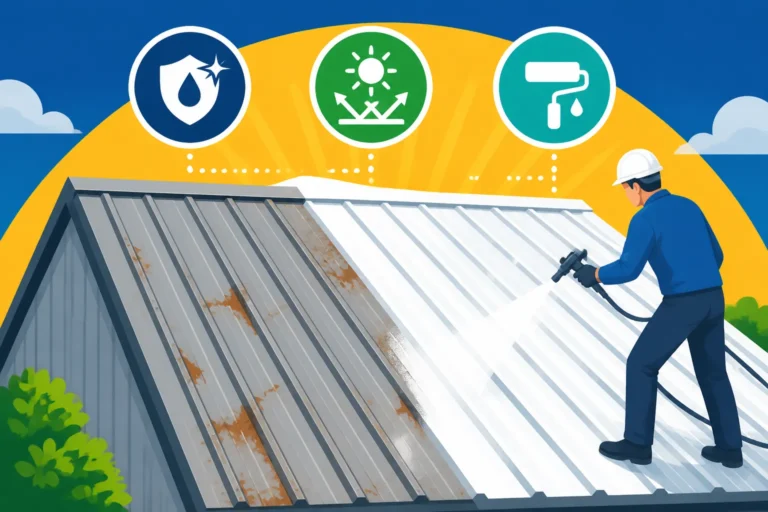
To keep copper shiny, it needs to be regularly cleaned and polished with specialized copper cleaning products. These products remove the forming oxide layer. After cleaning, a clear coat or sealant must be applied to create a barrier between the copper and the air, thus slowing down the re-patination process. This is not a one-time task; the sealant will eventually wear off due to UV exposure and weather, requiring reapplication every few years. The cost and effort involved in maintaining a bright copper finish can be substantial, both in terms of materials and labor. It's often compared to polishing a giant piece of jewelry on your house. Most architects and homeowners strongly advise against this approach for roofing, as it goes against the very nature of copper and introduces a cycle of intense maintenance that negates its otherwise low-upkeep benefits. Embracing the patina is not just easier; it's how copper is designed to perform its best.
When to Call in the Professionals for Your Copper Roof
While many aspects of copper roof care are about understanding and appreciating its natural processes, there are definitely times when DIY solutions won't cut it. For certain situations, especially those involving the structural integrity or long-term performance of your roof, bringing in a seasoned professional isn't just recommended—it's essential. This is where the expertise of a specialized metal roofing contractor truly shines.
Complex Repairs and Leak Detection
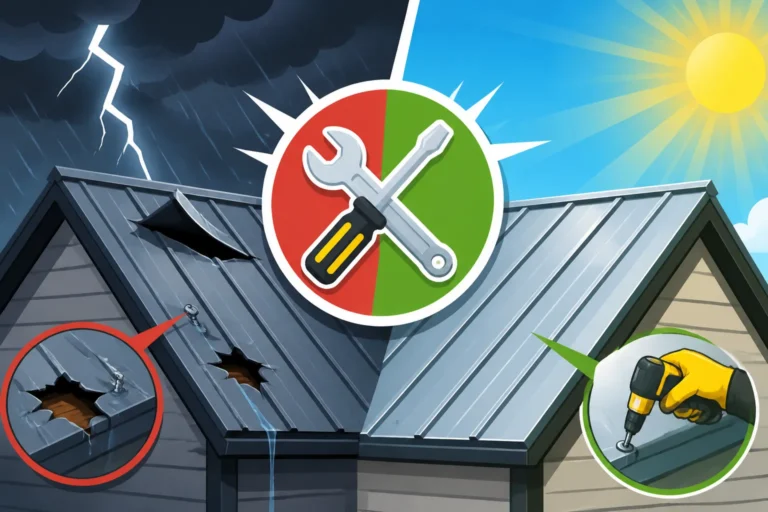
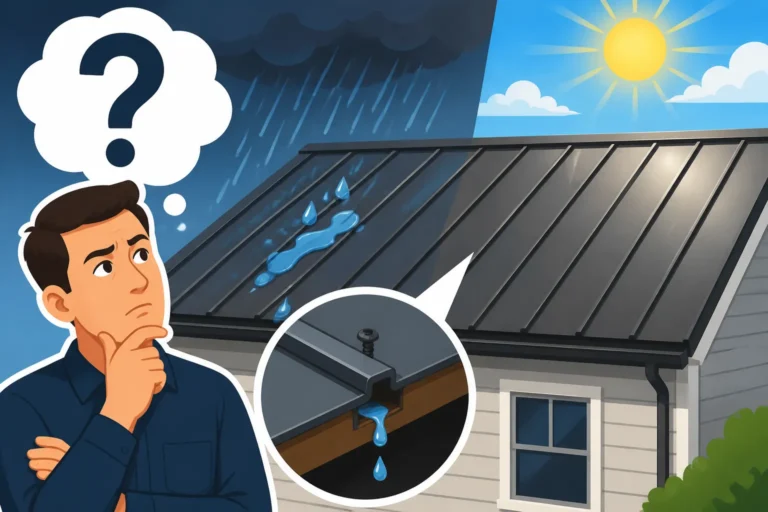
Despite its remarkable longevity, no roof is entirely immune to extreme conditions or unforeseen events. Should your copper roof develop a leak, or suffer significant damage from, say, a severe storm with large hail or a fallen tree, it’s absolutely critical to call in a professional. Diagnosing the source of a leak on a metal roof, especially a concealed fastener system like standing seam, can be tricky. Water can travel a long way before showing up inside your home, making the actual entry point difficult to pinpoint without specialized knowledge. Our Metal Roof Leak Repair Guide covers more on this.
Repairing copper requires specific skills, tools, and experience that a general handyman or even a non-specialized roofer might not possess. Copper panels need to be manipulated carefully, and any soldering or sealing work must be done precisely to ensure a watertight and durable fix. Incorrect repairs can not only lead to recurring leaks but can also void your manufacturer's warranty. This is not the time to cut corners. A reputable contractor will have the expertise to assess the damage, recommend the most appropriate solution, and execute the repair without compromising the surrounding material or the aesthetic appeal of your roof. They understand how copper expands and contracts, and how to work with its unique properties.
Manufacturer-Certified Installers and Warranty Considerations
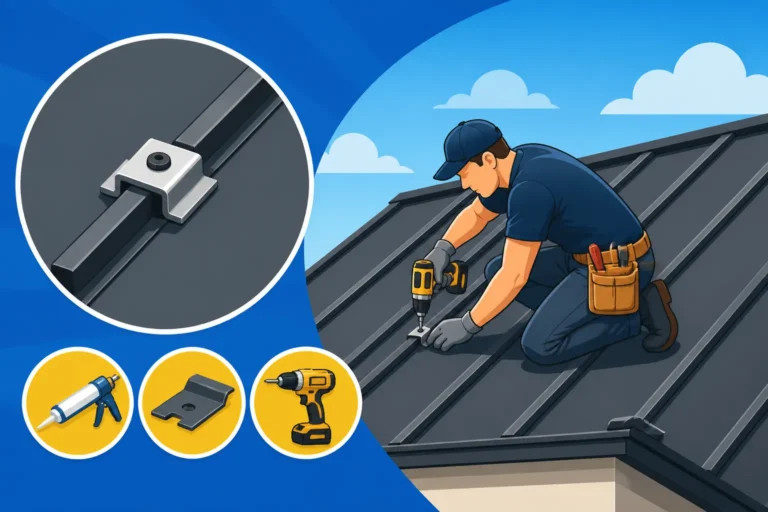
The installation quality of a copper roof profoundly impacts its performance and longevity. This is why most copper roofing manufacturers strongly recommend, and often require for warranty purposes, that their products be installed by certified professionals. A manufacturer-certified installer has undergone specific training directly from the roofing material producer, ensuring they understand the intricacies of that particular copper system, its fastening methods, flashing details, and aesthetic considerations. This isn't just about knowing how to lay panels; it's about understanding thermal expansion, proper seam creation, and integrating all the complex components. If you need help finding one, resources like Modernize can often connect you with qualified local experts.
When you invest in a premium material like copper, you also invest in its warranty, which typically covers defects in materials and sometimes even workmanship. However, these warranties are almost always contingent on proper installation. If a roof is installed incorrectly by an unqualified contractor, even if the copper itself is flawless, any subsequent issues could be deemed an installation error and not covered by the manufacturer. Before committing to any project, always ask about the contractor’s certifications and their experience specifically with copper. Reviewing Metal Roof Warranties: Workmanship vs Manufacturer can help you understand what to look for and the importance of ensuring that your installer meets all requirements to keep your long-term investment protected.
Copper Roof Maintenance Considerations
Here’s a quick overview comparing copper's "maintenance" profile against other common metal roofing options.
| Maintenance Aspect | Copper Roof | Standing Seam Steel/Aluminum Roof | Corrugated Metal Roof (Exposed Fastener) |
|---|---|---|---|
| Patina Formation | Develops naturally; typically desired and requires no intervention. | Coating maintains color; no natural patina. | Coating maintains color; no natural patina. |
| Routine Cleaning | Light debris removal, gentle rinse with water. Avoid harsh chemicals. | Light debris removal, gentle rinse. Can typically handle mild detergents. | Light debris removal, gentle rinse. Exposed fasteners might need more attention. |
| Staining Potential | High risk of runoff staining adjacent surfaces (siding, concrete). | Low risk if coatings are intact. | Low risk if coatings are intact. |
| Dent/Scratch Repair | Softer metal; more prone to dents. Minor dents often blend with patina. Requires specialized repair for significant damage. | More dent-resistant than copper. Coatings can scratch, requiring touch-ups. | Generally very durable. Exposed fasteners may loosen or fail over time. |
| Coating/Repainting | No coating to maintain; repainting is not typical. | Coatings (PVDF, SMP) need to be repainted/recoated every 20-40 years. | Coatings (PVDF, SMP) need to be repainted/recoated every 10-20 years. |
| Fastener Maintenance | Concealed fasteners (standing seam). Minimal maintenance, check for integrity. | Concealed fasteners (standing seam). Minimal maintenance, check for integrity. | Exposed fasteners require periodic inspection and replacement of washers/screws. |
| Leak Repair | Requires specialized skills due to material properties and soldering. | Requires skilled professional for panel replacement or seam repairs. | Easier to locate and repair screw leaks, but panel damage needs professional. |
| Lifespan | 100+ years | 40-70 years | 30-50 years |
| Cost Implications | Higher upfront cost, but very low long-term maintenance costs (excluding aesthetic preferences). | Moderate to high upfront cost, moderate long-term maintenance for recoating. | Lower upfront cost, but potential for higher maintenance over time (fasteners, recoating). |
Ultimately, a copper roof isn't about special maintenance in the sense of constant repairs or re-treatments. It's about respecting its unique qualities, managing its natural aesthetic evolution, and ensuring that any necessary interventions are handled by skilled hands. The investment upfront translates into decades of peace of mind and enduring beauty with surprisingly little active "work" from the homeowner.
Disclaimer
Please remember that this article is intended for informational purposes only and does not constitute professional advice. Always consult with a qualified and licensed metal roofing contractor for specific recommendations tailored to your home and local building codes. Roofing work can be dangerous and should ideally be performed by experienced professionals.