Does a Steel Roof Need Special Maintenance?
It's a common misconception that once you install a metal roof, especially a robust steel one, you can just forget about it for decades. While metal roofs are incredibly durable and long-lasting, homeowners often worry if their steel roof will require some special, complicated upkeep. The truth is, while a steel roof is remarkably low-maintenance compared to many other roofing materials, it still benefits from a bit of attention to ensure it lives up to its legendary lifespan. This guide will walk you through exactly what your steel roof needs to stay in top shape, easing your concerns about its long-term care.
Understanding Steel Roof Durability and Coatings
When you invest in a steel roof, you're investing in one of the most resilient roofing materials available. Many homeowners choose steel precisely for its longevity and resistance to harsh weather. But what makes it so tough, and how does that influence the maintenance it needs?
The Core Strength of Steel
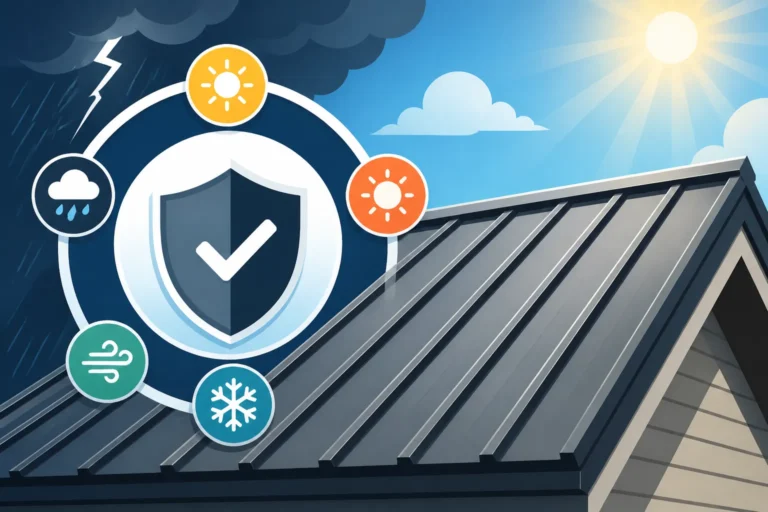
At its heart, a steel roof panel is, well, steel – a strong alloy of iron and carbon. This inherent strength is why steel roofs can withstand incredible impacts, high winds, and heavy snow loads without flinching. Unlike more brittle materials that might crack under pressure, steel offers a flexibility that allows it to endure significant stress. This means you’re less likely to deal with immediate structural damage after a storm, which already cuts down on emergency repairs you might face with other roofing types.
However, raw steel is susceptible to rust, and that’s where the magic of modern manufacturing comes in. Most residential steel roofing isn't just plain steel; it's treated with advanced coatings that create an impenetrable barrier. You'll often hear terms like "galvanized steel" or "Galvalume." Galvanized steel has a zinc coating that sacrifices itself to protect the steel underneath from corrosion. Galvalume, on the other hand, uses a zinc and aluminum alloy coating, which offers even superior rust resistance and extended lifespan in various environments. These protective layers are the primary reason why steel roofs are considered low-maintenance, as they effectively prevent the most common issue associated with metal: rust. For a deeper dive into materials, you might find our article on Metal Roofing Materials Compared: Steel, Aluminum, Copper & Zinc helpful.
Coatings and Their Role in Longevity
Beyond the metallic base coatings, nearly all modern steel roofs feature a high-performance paint finish. These coatings, often made of Kynar 500 (PVDF) or SMP (Siliconized Modified Polyester), are crucial for both aesthetics and long-term protection. These paints aren't just for color; they provide an additional layer of defense against UV radiation, acid rain, and airborne pollutants. Think of them as the skin of your roof, shielding it from the elements while maintaining its vibrant color for decades without fading or chalking.
The quality of these coatings directly impacts how much "special maintenance" your roof will need. A premium Kynar 500 coating, for instance, offers exceptional resistance to fading and chipping, meaning you won't need to worry about repainting or recoating for a very long time, if ever. Less expensive coatings might show signs of wear sooner, potentially requiring attention like Repainting and Recoating a Metal Roof down the line to restore their protective and aesthetic qualities. The better the coating, the less direct intervention you'll typically need over the years, making your maintenance routine simpler and less frequent.
Routine Maintenance for Steel Roofs
While steel roofs are built to last with minimal fuss, a little routine care goes a long way in maximizing their lifespan and ensuring they perform optimally. This isn't about complex procedures, but rather proactive steps that can prevent small issues from becoming bigger, more expensive problems.
Annual Inspections: Your First Line of Defense
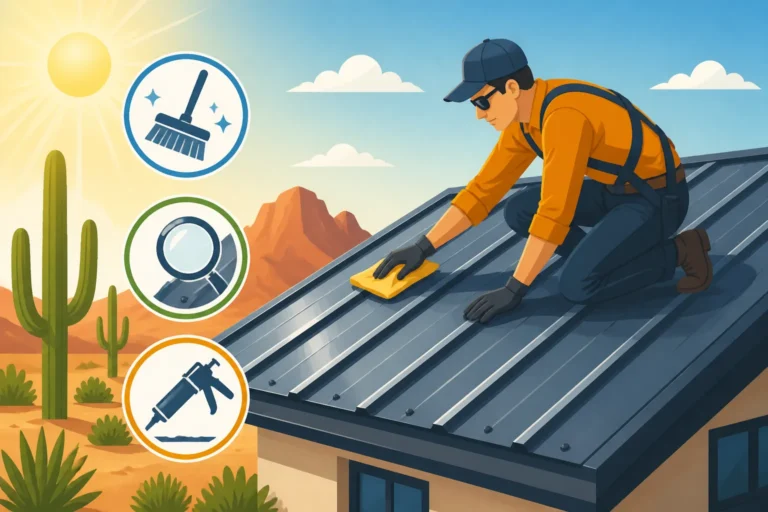
One of the most effective maintenance practices for any roof, especially a steel one, is a thorough annual inspection. This doesn't necessarily mean hiring a professional every year, though that's certainly an option for peace of mind. Many homeowners can perform a visual check from the ground with a good pair of binoculars, or safely from a ladder if they feel comfortable. The goal is to spot potential issues early, before they escalate.
What should you look for?
- Loose or Missing Fasteners: On exposed fastener systems, screws can sometimes back out slightly over time due to thermal expansion and contraction.
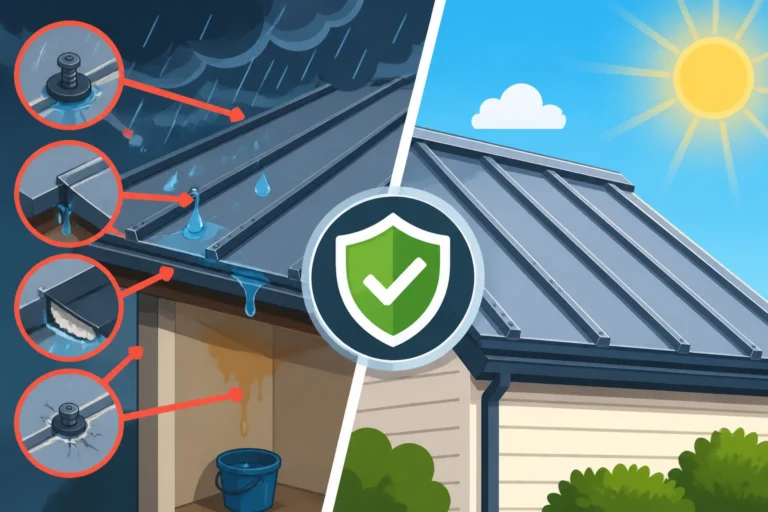
- Sealant Integrity: Check around penetrations like vents, skylights, and chimneys for cracked, degraded, or missing sealant.
- Debris Buildup: Leaves, branches, and other organic matter can accumulate in valleys or behind chimneys, trapping moisture and potentially leading to localized corrosion or ice dams.
- Gutter Condition: Clogged gutters can cause water to back up onto the roof, leading to various problems, including fascia rot or water intrusion.
- Panel Condition: Look for any visible scratches, dents, or signs of coating degradation. While rare with quality steel, spotting these early is key.
If you're unsure about what to look for or how to assess damage, consider consulting a professional. Services like Modernize can connect you with experienced roofing contractors who can perform a detailed inspection and provide an expert assessment. Regular checks are a vital part of proactive care, ensuring your roof's longevity. We have a detailed guide on Metal Roof Inspection: What to Check that can walk you through the process.
Keeping it Clean: Simple Cleaning Tips
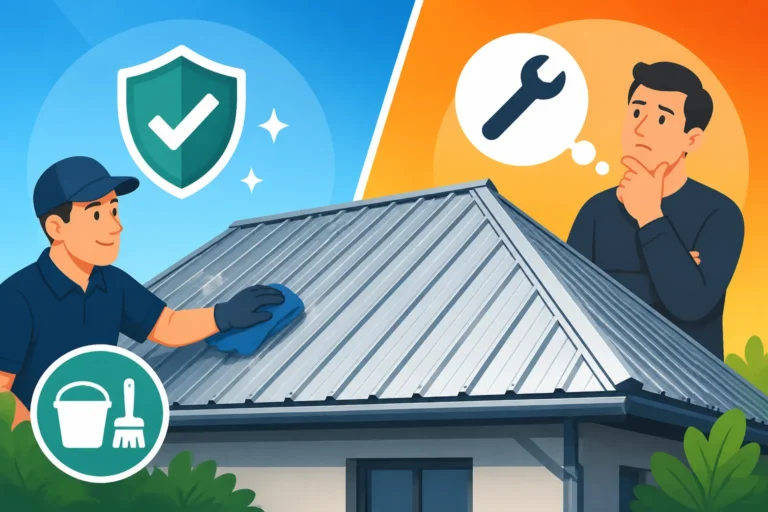
One of the beautiful things about steel roofs is their smooth, hard surface, which naturally sheds most debris and discourages moss or algae growth. However, over time, dirt, pollen, and even stubborn organic matter can accumulate. A clean roof not only looks better but also allows the protective coatings to perform at their best.
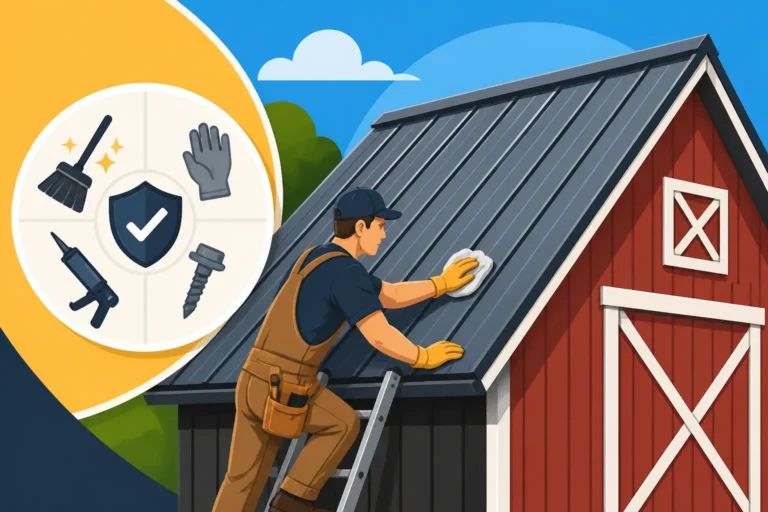
For general cleaning, a simple rinse with a garden hose is usually sufficient. For more stubborn grime or mildew, a soft brush and a mild, non-abrasive detergent can be used. Always rinse thoroughly to remove any soap residue. Avoid harsh chemical cleaners or pressure washers with high settings, as these can damage the paint finish or underlying coatings. When cleaning, remember to always prioritize safety. If accessing the roof, wear appropriate safety gear and non-slip shoes. It's often best to clean on a cloudy day to prevent cleaning solutions from drying too quickly and leaving streaks.
Addressing Minor Issues Promptly
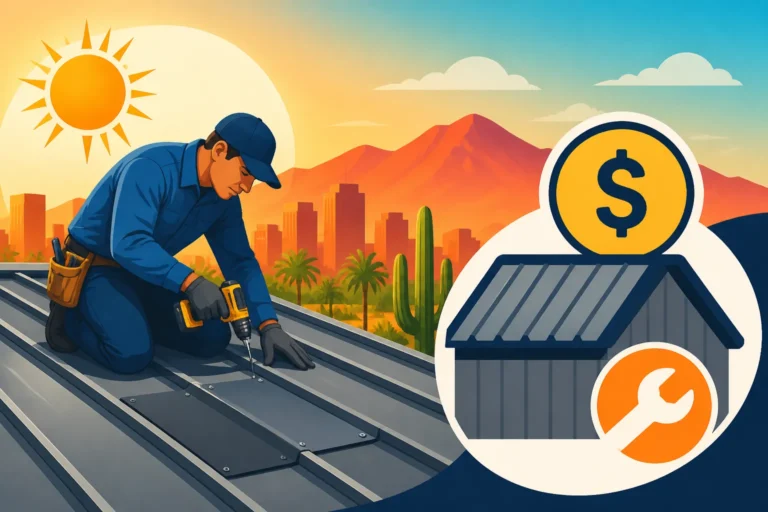
The real "special maintenance" for steel roofs isn't about constant work, but about swift action when minor issues arise. Catching a problem early can save you significant time and money down the road. For instance, if you notice a loose fastener during your annual inspection, re-tightening it or replacing it with an oversized screw can prevent a potential leak. If you spot a small scratch that has gone through the protective coating, it's wise to touch it up with a compatible paint pen or sealant specifically designed for metal roofing to prevent rust from setting in.
Similarly, if you identify a section of flashing that appears to be lifting or compromised, re-securing it or applying a high-quality metal roofing sealant can stop water intrusion before it causes damage to your decking or interior. These seemingly small actions are critical because steel, while strong, relies heavily on its protective layers. Once these layers are breached, even a small area can begin to corrode if left unattended. Our guide on How to Fix a Leaking Metal Roof offers more practical advice for common problems.
Special Considerations for Steel Roof Maintenance
While the routine checks are fairly straightforward, there are a few specific challenges unique to steel roofs that warrant a bit more attention. Understanding these can help you proactively manage your roof's health and ensure its impressive lifespan.
Preventing Rust and Corrosion
The biggest concern for any steel product is rust, and while modern steel roofing is incredibly resistant thanks to its Galvalume or galvanized coatings, it's not entirely immune. Scratches, especially deep ones caused by falling branches or careless walking, can expose the steel substrate to moisture and oxygen, leading to rust spots. Over time, degradation of the paint finish can also expose the underlying metallic coating, making it more vulnerable.
The best prevention involves minimizing damage and addressing any breaches immediately. If you live in a coastal area, salt spray can accelerate corrosion, making inspections even more critical. In these environments, choosing a higher-grade coating like a robust Galvalume or even an aluminum roof (which inherently resists rust) might be a better long-term strategy. For existing steel roofs, look for rust bloom, particularly around fasteners or cut edges. If you spot rust, it's crucial to address it promptly. This often involves cleaning the area, lightly sanding away the rust, applying a rust-inhibiting primer, and then touching up with exterior-grade metal paint. Neglecting these small spots can lead to more widespread corrosion, significantly impacting your roof's durability. You can learn more in our article on Metal Roof Rust and Corrosion Treatment.
Protecting Against Scratches and Dents
Steel roofs are tough, but they aren't invincible against all forms of damage. Heavy hail, falling tree limbs, or even careless foot traffic can cause dents or scratches. While minor aesthetic dents usually don't compromise the roof's performance, deep scratches can be problematic if they penetrate the protective coatings.
To protect against these:
- Tree Trimming: Keep trees trimmed back from your roof to prevent branches from scraping or falling onto panels during storms.
- Foot Traffic: Minimize walking on your metal roof, and if you must, wear soft-soled shoes and walk carefully, ideally along the purlins or where the panels are most supported. Learn more about safe roof access in our guide, How to Walk on a Metal Roof Without Damage.
- Hail Protection: While most steel roofs are highly impact-resistant, extremely large or jagged hail can sometimes cause cosmetic dents. If you live in a hail-prone region, discuss higher gauge options with your installer.
If you do notice significant scratches that have breached the coating, a simple touch-up with a manufacturer-approved paint kit is often all that's needed. For larger dents or damage from severe weather, professional repair might be necessary to restore the panel's integrity and aesthetic. This is also why having a good warranty, both on materials and workmanship, is so important.
When to Call in the Professionals
While many minor maintenance tasks can be handled by a diligent homeowner, there are times when calling in a professional is not just advisable, but necessary. This includes:
- Significant Damage: If your roof experiences damage from a major storm, such as large dents, uplifted panels, or extensive leaks, professional assessment and repair are crucial to ensure the structural integrity and watertightness of your roof.
- Complex Leak Detection: Some leaks are notoriously difficult to pinpoint. If you've tried basic fixes and your roof is still leaking, a professional roofer has the experience and tools to accurately diagnose and repair the issue.
- High-Risk Tasks: Any task that involves extensive work at heights, especially on a steep pitch, should generally be left to trained and insured professionals. This minimizes the risk of injury and ensures the work is done correctly.
- Warranty Concerns: For major repairs or replacements, working with a certified professional can ensure your manufacturer warranty remains valid. Many warranties require installation or repair by licensed contractors.
When you need professional help, platforms like Modernize can be a valuable resource. They can connect you with pre-vetted, local metal roofing contractors who have the expertise to handle everything from complex repairs to full replacements. Don't hesitate to seek expert advice when the scope of work exceeds your comfort level or expertise.
Comparing Steel Roof Maintenance to Other Materials
To truly appreciate the relatively low "special maintenance" needs of a steel roof, it helps to compare it to other common roofing materials. This puts the care requirements into perspective and highlights why many homeowners find steel to be a wise, long-term investment.
Let's look at how steel stacks up against asphalt shingles, which are prevalent across the country, and even more specialized options like wood shakes.
| Maintenance Aspect | Steel Roof | Asphalt Shingle Roof | Wood Shake/Shingle Roof |
|---|---|---|---|
| Lifespan | 40-70 years | 15-30 years | 20-40 years (with intensive maintenance) |
| Annual Inspections | Recommended to check fasteners, sealants, debris. | Crucial for cracked, curling, or missing shingles. | Essential for rot, moss, insect damage, loose shakes. |
| Cleaning | Occasional rinse for dirt/pollen; remove debris. | Moss/algae treatment often needed; clear granules. | Regular cleaning for moss, mold, mildew, debris. |
| Repairs | Touch-up scratches, replace fasteners/sealant. Rarely full panel replacement. | Replace individual damaged shingles frequently. | Replace split, rotted, or insect-damaged shakes. |
| Coating/Resealing | High-quality paint coatings last decades; rarely needed. | No recoating. | Regular preservative treatments (every 3-5 years) required. |
| Major Concerns | Rust from deep scratches, oil canning (aesthetic). | Granule loss, curling, cracking, wind uplift. | Rot, insect infestation, fire risk, splitting. |
| Professional Help | Primarily for severe damage or complex leaks. | More frequent for patching, replacements. | Often needed for extensive repairs, preservative application. |
As you can see, steel generally requires less frequent and less intensive intervention. Asphalt shingles, while affordable upfront, often demand more consistent attention due to their shorter lifespan and susceptibility to granular loss, cracking, and curling. You'll likely be looking at minor repairs or even a full Metal Roof vs Asphalt Shingle Cost analysis much sooner than with steel. Wood shakes, while beautiful, are perhaps the most demanding, needing regular treatment to prevent rot, moss, and insect damage.
The "special maintenance" for a steel roof boils down to diligence and prompt action on small issues, rather than constant, demanding work. Its robust nature and advanced coatings mean that for the most part, your steel roof is working hard to protect your home with very little input from you. This is why many homeowners consider a metal roof, despite its higher initial investment, to be a smart choice for long-term, low-hassle home ownership.
Disclaimer
Please note that this guide provides general information about metal roof maintenance. Specific requirements can vary based on the type of steel roofing, manufacturer's recommendations, local climate conditions, and building codes. Always consult with a qualified metal roofing professional for advice tailored to your specific roof and situation. Roofing work can be dangerous; prioritize safety and consider hiring professionals for tasks that are beyond your skill level or comfort zone.