How Long Does a Metal Tile Metal Roof Last?
Deciding on a new roof for your home is a huge commitment, both financially and emotionally. You want something that looks fantastic, protects your biggest investment, and, let's be honest, you really don't want to think about replacing it again for a very, very long time. That's why diving deep into the expected lifespan of a metal tile roof is so smart; it's about understanding the true long-term value you're getting. This guide will walk you through everything you need to know about how long metal tile roofs last, what impacts their longevity, and how to get the most years out of yours.
Understanding Metal Tile Roofing
When people hear "metal roof," their minds often jump straight to industrial-looking corrugated panels or sleek, modern standing seam designs. But metal tile roofing is a whole different beast, offering the incredible durability of metal with the classic, appealing aesthetics of traditional roofing materials.
What Exactly is a Metal Tile Roof?
Imagine the charm of clay tiles, the rustic appeal of wood shakes, or the sophisticated look of natural slate. Now imagine getting all that visual appeal combined with the resilience of steel or aluminum. That's the magic of a metal tile roof. These systems are designed to mimic the appearance of those more traditional materials, often coming in individual shingles or larger panels stamped and formed to replicate the desired profile.
The vast majority of metal tile roofs you'll find today are made from steel, often galvanized or Galvalume coated for enhanced corrosion resistance. Aluminum is another popular choice, especially in coastal areas due to its inherent resistance to rust from salt air. Occasionally, you might even find copper or zinc tile options, though these are significantly more expensive and less common for residential applications. A critical component of these roofs is their protective coating. Stone-coated steel tiles, for instance, feature an acrylic base coat over the metal, followed by ceramic-coated stone granules, and then a clear acrylic overglaze. This multi-layered approach not only provides stunning aesthetics but also adds an incredible layer of defense against the elements. Other metal tile roofs might use high-performance paint systems, like PVDF (Kynar 500) or SMP (Siliconized Modified Polyester) finishes, which offer excellent color retention and protection against UV rays and weathering. If you're curious about the specifics of these different options, our guide on Metal Roofing Types Explained: Profiles & Panels might shed more light.
Key Differences from Other Metal Roof Types
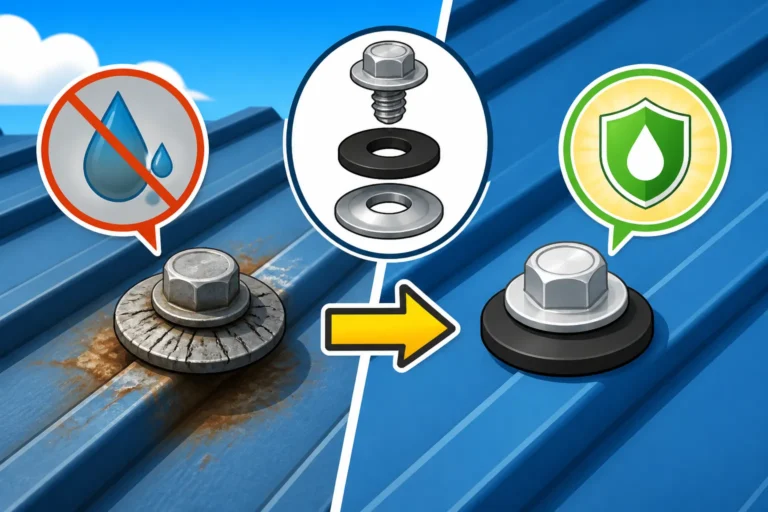
Metal tile roofs stand apart from other popular metal roofing options in a few significant ways. Unlike exposed fastener systems like corrugated or R-panel roofs, where the screws are visible and penetrate the panel, many metal tile systems use concealed fasteners. This means the screws are hidden beneath overlapping panels, protecting them from direct exposure to UV light, moisture, and extreme temperatures. This design choice dramatically reduces potential points of failure, as exposed fasteners are often the first components to degrade or leak on other metal roof types.
Compared to standing seam roofs, which feature long, continuous panels with vertical seams, metal tiles are typically smaller, modular units. This modularity can make installation simpler in some scenarios and repairs more isolated if a single tile is damaged. The layered nature, especially with stone-coated steel, also provides a distinct aesthetic and often a more robust surface against impacts. While a standing seam roof offers exceptional weather resistance and sleek lines, the "tile" look can be a major draw for homeowners who want metal durability without sacrificing a traditional aesthetic. The profiles and methods of installation directly contribute to their inherent strengths and weaknesses, ultimately influencing their lifespan. For a deeper dive into the overall longevity, our main guide on Metal Roof Lifespan: How Long Do They Last? can provide a broader context.
The Core Question: Lifespan Expectations for Metal Tile Roofs
So, you're investing in a metal tile roof, and you want to know: how long will this thing actually last? It's a fair question, and the answer is refreshingly long compared to many traditional roofing materials. However, it's not a single, magic number, but rather a range influenced by several crucial factors.
The General Longevity Range
Most homeowners can expect a high-quality metal tile roof to last between 40 and 70 years, and sometimes even longer. That's a huge span, right? To put that into perspective, a typical asphalt shingle roof usually needs replacement every 15-30 years. This means you could go through two or even three asphalt roofs in the time you own one metal tile roof. It's truly a "set it and forget it" solution for generations.
For specific types, you can often narrow down expectations:
- Stone-coated steel tiles are renowned for their incredible durability, frequently exceeding 50 to 60 years. The stone granule coating provides an extra layer of protection against UV degradation and physical impact, which contributes significantly to their extended life.
- Painted steel or aluminum tiles with high-quality finishes like PVDF (Kynar 500) typically last 40 to 50 years. The longevity here largely depends on the quality of the paint system and its ability to resist fading, chalking, and corrosion over decades.
These ranges aren't just marketing hype; they're based on decades of real-world performance. Many homes in Europe and even some older buildings in the U.S. have had metal roofs in place for 100 years or more. While metal tile profiles are a more modern innovation in some respects, the underlying material science and coating technologies are built for extreme endurance. This impressive lifespan is one of the main reasons homeowners often find a Metal Roof Cost vs Lifespan Value to be highly favorable in the long run.
Factors That Significantly Impact Lifespan
While the potential for a long-lasting roof is exciting, several variables play a significant role in whether your metal tile roof reaches its maximum potential lifespan or falls short. Understanding these can help you make informed decisions.
Material Quality
Not all metal is created equal, and neither are all coatings. The gauge (thickness) of the metal is important; generally, a lower gauge number means thicker metal (e.g., 24-gauge steel is thicker and more robust than 29-gauge). Thicker metal is more resistant to dents and physical damage. The type of metal itself matters. Aluminum, for example, is inherently more corrosion-resistant than steel, making it an excellent choice for homes in coastal regions where salt spray is a concern. For steel, the anti-corrosion coating (like Galvalume, a zinc-aluminum alloy) is critical. Higher quality coatings lead to longer-lasting panels. Similarly, the paint system on a painted metal tile roof is paramount. Premium coatings like PVDF are known for their exceptional UV resistance and color retention, meaning your roof will look good and be protected for longer than those with lesser quality finishes.
Installation Quality
This is arguably the most critical factor. A superb metal tile roof material, poorly installed, will not last. Period. Proper installation includes meticulous attention to detail with flashing around chimneys, skylights, and valleys, correct fastening techniques, and ensuring all seams and overlaps are sealed appropriately. If the fasteners aren't installed correctly, or if the underlayment is subpar, leaks can develop, leading to hidden damage and premature wear. Issues like improper panel alignment, inadequate ventilation, or incorrect use of sealants can compromise the entire system's integrity and shorten its lifespan significantly. It’s why finding a highly skilled contractor is so important. When researching options, you might find services like Modernize helpful in connecting with reputable local professionals.
Maintenance
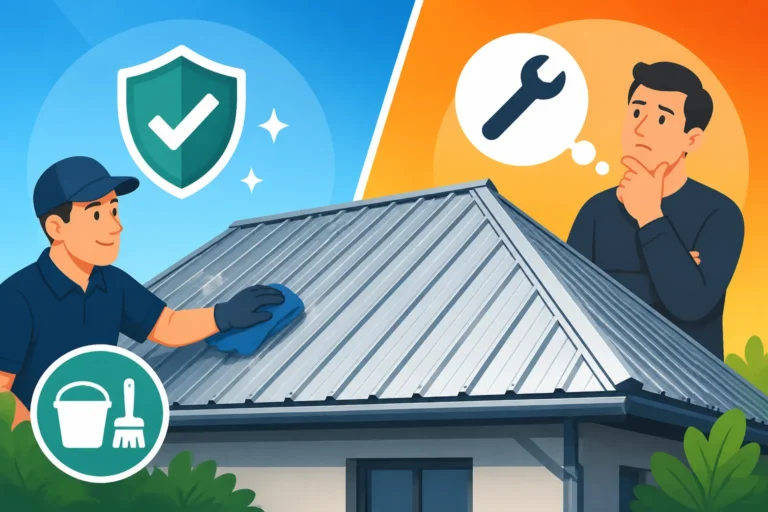
Even the most durable roof benefits from a little care. Regular, albeit minimal, maintenance can add years to a metal tile roof's life. This includes routine cleaning to remove debris, leaves, and dirt that can trap moisture or promote moss and algae growth. Inspecting your roof annually, or after significant storms, allows you to catch minor issues like a loose fastener, a cracked sealant, or a small scratch in the coating before they escalate into major problems. Addressing these small repairs promptly prevents water infiltration and premature corrosion.
Environment
Your local climate plays a big role in how long your roof will last.
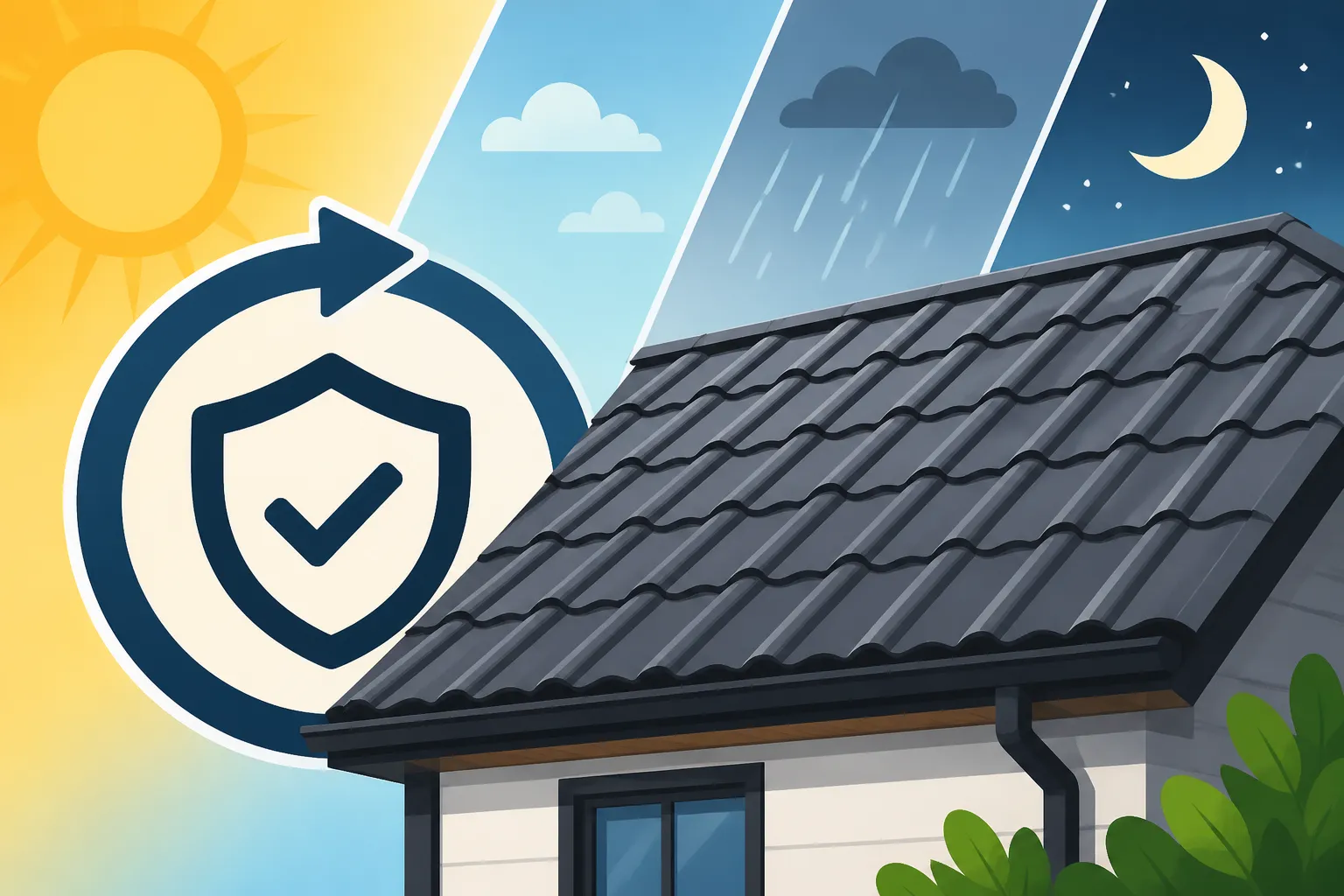
- UV Exposure: Intense sunlight and prolonged UV exposure can degrade lower-quality paint finishes over time, leading to fading and chalking.
- Precipitation: Heavy rain can test the integrity of seams and flashing, while snow loads put stress on the roof structure. Proper roof pitch and design are important to ensure efficient water and snow shedding.
- Hail: While metal roofs are generally hail-resistant (often earning Class 4 impact ratings), extremely large or jagged hail can still cause dents. Minor cosmetic dents usually don't affect performance, but severe damage could necessitate panel replacement.
- Salt Air: As mentioned, coastal environments with corrosive salt spray demand materials like aluminum or specially coated steel to prevent premature rust.
Understanding these factors is key to not only estimating lifespan but also actively working to extend it.
Maximizing the Life of Your Metal Tile Roof
You've made a significant investment in a metal tile roof, so naturally, you want to ensure it lasts as long as possible. The good news is that with a little proactive effort and smart decision-making, you can absolutely maximize its impressive lifespan.
Choosing the Right Materials and Installation
This is where the foundation for a long-lasting roof is truly laid. Don't skimp on quality for either the materials or the people installing them.
First, take the time to research reputable manufacturers known for producing high-quality metal tile products. Brands like DECRA, MetroRoofing, and Gerard are often cited for their durable stone-coated steel tile systems. These companies typically offer robust warranties on their materials, a clear sign of their confidence in their product's longevity. Consider the specific environmental challenges your home faces. If you live near the coast, prioritize aluminum or advanced corrosion-resistant steel panels. In hail-prone areas, a thicker gauge stone-coated steel might be your best bet for impact resistance.
Second, and perhaps most importantly, hire experienced, certified installers. A metal tile roof is a specialized product, and its installation requires specific skills and knowledge that not all roofing contractors possess. Don't just pick the cheapest quote. Look for contractors who specialize in metal roofing and have a proven track record with metal tile installations. Ask for references and check their past work. Websites like Modernize can be a great resource for finding qualified local professionals and getting multiple bids, ensuring you’re comparing apples to apples. A shoddy installation, even with the best materials, can drastically cut short your roof's life. Always inquire about their workmanship warranty in addition to the manufacturer's product warranty. A comprehensive Metal Roof Warranties: Workmanship vs Manufacturer guide can help you understand what to look for.
Regular Maintenance and Proactive Care
One of the great appeals of metal roofs is their low maintenance, but "low" doesn't mean "no." A little proactive care goes a long way in ensuring your metal tile roof hits the higher end of its expected lifespan.
Annual Inspections: Aim to inspect your roof visually at least once a year, preferably in the spring after winter storms, and again in the fall before heavy snow or rain. Look for any loose fasteners, signs of wear on sealants, or areas where debris might have accumulated. While you can often do a visual check from the ground with binoculars, consider hiring a professional for a closer inspection every few years. They can spot subtle issues that an untrained eye might miss.
Gutter Cleaning and Debris Removal: Keep your gutters and downspouts clear of leaves, twigs, and other debris. Clogged gutters can cause water to back up, potentially seeping under flashing or pooling on the roof, which can accelerate wear and tear. Similarly, remove any accumulated branches, leaves, or pine needles from the roof surface itself, especially in valleys or around chimneys, as these can trap moisture and promote organic growth.
Addressing Minor Damage Promptly: If you notice a loose screw, a small scratch in the coating, or a compromised sealant, don't put it off. These small issues are easy and inexpensive to fix when caught early. A small scratch can be touched up with color-matched paint, preventing rust from setting in. A failing sealant can be reapplied to prevent leaks. Ignoring these minor flaws allows them to worsen, leading to more extensive and costly repairs down the line. Our Metal Roof Maintenance Guide offers more detailed steps to keep your roof in top shape.
Recoating Options: For painted metal tile roofs, if you notice significant fading or chalking after several decades, it's often possible to clean and recoat the roof. This process can refresh its appearance and add another layer of protection, effectively extending its life even further. This is usually a much less expensive option than a full replacement.
Recognizing When Repair Becomes Replacement
Despite your best efforts, even the longest-lasting roofs eventually reach a point where extensive repairs are no longer cost-effective or practical. Knowing the Warning Signs Your Metal Roof Needs Attention can help you make an informed decision.
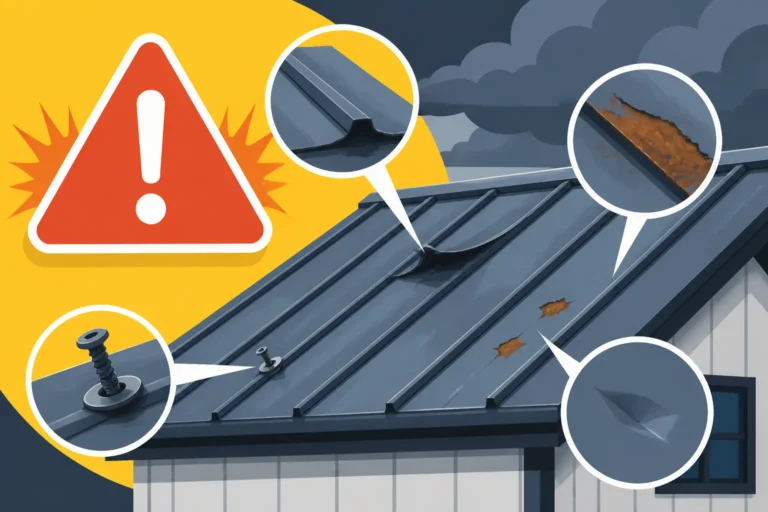
Persistent Leaks: While isolated leaks can often be repaired, if you're experiencing multiple, recurring leaks in different areas of the roof, it could indicate widespread underlying issues with the roof system or its installation.
Widespread Coating Failure: For stone-coated steel, excessive granule loss over large areas, or significant chipping and peeling of the coating, means the primary protective layer is compromised. For painted tiles, widespread fading, chalking, or blistering that goes beyond superficial aesthetics points to a breakdown of the paint system, leaving the metal exposed.
Visible Corrosion: While metal tile roofs are highly resistant to rust, severe or widespread corrosion (pitting, reddish-brown discoloration) could indicate a failure of the protective coating or underlying material, especially in highly corrosive environments.
Structural Damage: If your roof has suffered severe damage from a major storm, fire, or other catastrophic event, and the integrity of a large portion of the roof deck or supporting structure is compromised, replacement is often the only safe and reliable option.
When faced with these issues, it's time to weigh the costs. How much would a major repair cost versus the remaining expected life of the roof? Sometimes, spending a significant amount on a repair for a roof that's already past its prime is throwing good money after bad. In these cases, it might be more economical in the long run to consider a full replacement. Our guide on Metal Roof Repair vs Replacement: How to Decide provides a framework for making this difficult choice.
Comparing Lifespan: Metal Tile vs. Other Roofing Materials
One of the most compelling arguments for a metal tile roof is its exceptional longevity compared to almost any other residential roofing material on the market. Let's stack it up against some common alternatives to really see the difference.
Metal Tile vs. Asphalt Shingles
This is where the contrast is most stark. Traditional asphalt shingles, while being the most common and often the least expensive upfront option, typically last anywhere from 15 to 30 years. Even high-end architectural shingles rarely exceed 30 years before they start showing significant signs of wear, such as curling, cracking, and granule loss. Environmental factors like harsh sun exposure, strong winds, and extreme temperature fluctuations can accelerate this degradation.
A metal tile roof, on the other hand, can easily last two to three times longer, often reaching 50 to 70 years or more. This means that over the lifetime of your home, you might have to replace an asphalt shingle roof two or three times, enduring the cost and disruption each time. With a metal tile roof, you install it once, and it's likely the last roof you'll ever need. This long-term value often offsets the higher initial Metal Roof vs Asphalt Shingle Cost making metal a more economical choice over decades. The extended lifespan also means less waste in landfills, contributing to a more sustainable choice.
Metal Tile vs. Other Metal Roof Types
While all metal roofs generally boast superior longevity, there are subtle differences even within the metal family.
Metal Tile vs. Standing Seam: Both metal tile and standing seam roofs are considered premium metal roofing options and often have similar lifespan expectations, typically in the 50-70+ year range. Standing seam roofs, with their large, continuous panels and mechanically seamed, concealed fasteners, offer exceptional weather resistance and are highly durable. Metal tile roofs, especially stone-coated steel, benefit from their layered protection and robust profiles. In terms of sheer longevity, they are often on par, though standing seam might have a slight edge in some technical aspects due to fewer panel overlaps and fewer potential points of entry for water. However, the choice often comes down to aesthetic preference and specific project requirements.
Metal Tile vs. Corrugated Metal: Corrugated metal roofs, often found on agricultural buildings or as a more industrial aesthetic on homes, typically use exposed fasteners. While they are very durable and weather-resistant, the exposed fasteners are usually the first components to degrade. The rubber washers under the screws can dry out, crack, and fail over time (typically 20-30 years), requiring replacement of the fasteners or even full roof restoration to prevent leaks. As such, while the metal panels themselves can last a long time, the exposed fastener system often limits the effective leak-free lifespan of a corrugated roof to around 30-50 years before significant maintenance or repair is needed. Metal tile roofs, particularly those with concealed fasteners or stone coatings, generally offer a longer, more maintenance-free lifespan due to the superior protection of their fastening and coating systems.
Metal Tile vs. Exotic Metals (Copper, Zinc): If you're looking for the absolute longest lifespan in metal roofing, true copper or zinc roofs can last 80-100 years or even more. These metals develop a beautiful natural patina over time and are virtually impervious to corrosion. However, their initial cost is significantly higher than even premium metal tile options, putting them out of reach for many homeowners. For most, a metal tile roof offers the sweet spot of exceptional longevity and durability at a more accessible price point. If you're interested in the higher end, you can explore options like a Copper Roof Cost in more detail.
Here’s a quick comparison of common roofing materials and their typical lifespans:
| Roofing Material | Typical Lifespan (Years) | Key Factors Influencing Longevity |
|---|---|---|
| Asphalt Shingles | 15-30 | UV exposure, temperature fluctuations, wind, shingle quality |
| Metal Tile (Steel) | 40-70+ | Material gauge, coating quality (stone/paint), installation |
| Standing Seam Metal | 50-70+ | Panel material, seam quality, installation, maintenance |
| Corrugated Metal | 30-50 (effective) | Exposed fastener degradation, metal gauge, coating quality |
| Clay/Concrete Tiles | 50-100+ | Installation, underlayment, impact resistance, freeze-thaw cycles |
| Wood Shakes/Shingles | 20-40 | Weathering, rot, insect damage, fire resistance, maintenance |
| Copper/Zinc | 80-100+ | Natural patina formation, initial material purity, installation |
As you can see, metal tile roofs consistently rank among the longest-lasting roofing options available, providing peace of mind and incredible long-term value for homeowners.
Disclaimer
The information provided in this article is intended for general guidance and informational purposes only. While we strive to offer accurate and up-to-date content, roofing costs, lifespans, and regulations can vary significantly based on location, material availability, contractor rates, specific product choices, and market fluctuations. It is always recommended to consult with multiple qualified, local metal roofing professionals for personalized advice and accurate estimates for your specific project.