What Is the Best Metal Roof for Arizona Weather
Living in Arizona, you know that your home isn't just battling the occasional sprinkle; it's enduring extreme heat, relentless UV radiation, and those intense monsoon storms that can suddenly whip up hail and powerful winds. Choosing a new roof isn't just about curb appeal; it's about protecting your biggest investment from a truly unforgiving climate. This guide will walk you through the best metal roofing options specifically designed to stand up to Arizona's unique weather challenges, helping you make an informed decision for long-lasting peace of mind.
Understanding Arizona's Unique Roofing Challenges
When you live in a place like Arizona, the standard advice for roofing just doesn't cut it. Our environment throws a very specific set of punches at our homes, and your roof needs to be a heavyweight champion to withstand them.
The Relentless Arizona Sun and UV Exposure
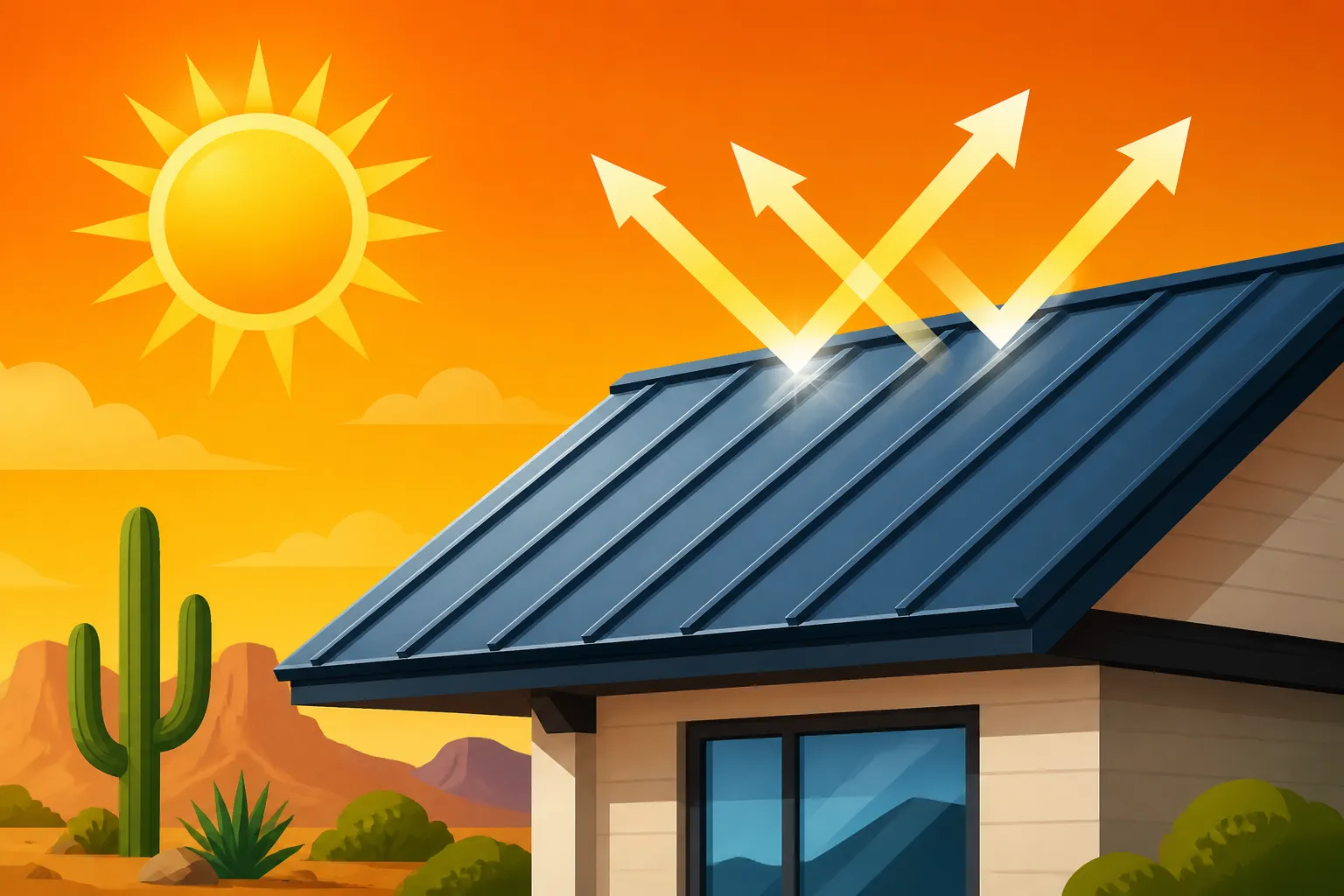
Let's be honest, the sun here is a beast. We're talking 300+ days of sunshine a year, with UV levels that can make traditional roofing materials wilt, crack, and fade at an alarming rate. It’s not just about aesthetics; that intense solar radiation breaks down the very structure of your roof over time. Asphalt shingles, for instance, dry out, become brittle, and can start curling up like burnt toast. This constant bombardment also means your roof absorbs an incredible amount of heat, which then transfers directly into your attic and home, driving up your energy bills faster than a dust devil in a haboob. Finding a roof that actively reflects heat rather than absorbing it is paramount for comfort and cost savings.
Monsoon Storms, Hail, and Wind
Just when you think you've got the sun figured out, the monsoon season arrives, bringing its own brand of chaos. These storms roll in fast and furious, often dumping torrential rain, sometimes golf-ball-sized hail, and wind gusts that can feel like a small hurricane. You've seen the aftermath: missing shingles, leaky roofs, and sometimes even structural damage. A conventional roof can take a beating, leading to costly repairs and the headache of dealing with insurance claims. Hail can dent and crack, while high winds can lift and tear away less robust materials. Your Arizona metal roof needs to be anchored securely and robust enough to laugh in the face of these seasonal tantrums.
Extreme Temperature Swings
It's not just the daytime heat we contend with; it's the dramatic shift from scorching afternoons to surprisingly cool desert nights, especially in the spring and fall. These extreme temperature swings cause materials to expand and contract repeatedly. Imagine your roof constantly growing and shrinking – this thermal cycling puts incredible stress on seams, fasteners, and the materials themselves. Over years, this can lead to fatigue, cracking, and eventual failure in materials not designed to handle such dynamic movement. Metal, with its inherent ability to expand and contract without compromising its integrity, is uniquely suited for this challenge, provided it's installed correctly with proper allowances for movement, as detailed in our guide on Metal Roof Installation Process: Step by Step.
Top Metal Roofing Materials for Arizona
So, with those challenges in mind, what kind of metal roofing stands up best? The good news is, metal roofs are inherently tough, but certain types are better suited for Arizona's specific climate than others.
Aluminum Roofing: Lightweight and Rust-Resistant
Aluminum is truly a champion in the heat, making it an excellent choice for Arizona. Its natural emissivity means it reflects a high percentage of solar radiation, keeping your attic and home cooler. This translates directly into lower air conditioning costs, which is music to any Arizona homeowner's ears. Beyond its thermal properties, aluminum is incredibly lightweight, which can be a boon if your home's structure needs a lighter load or if you're looking to install over existing shingles without adding too much weight. Critically, aluminum is also highly resistant to corrosion and rust, a major plus for longevity, even though we're a dry climate. You won't typically find rust spots forming, which can be a concern with some steel products if their coatings are compromised.
The main drawback? Aluminum can be a bit more expensive upfront than some steel options. It's also softer than steel, making it potentially more susceptible to denting from very large, heavy hail. However, with the right gauge (thickness) and profile, it still offers robust protection. Companies like Classic Metal Roofing Systems offer high-quality aluminum options that are popular in sun-drenched regions.
Galvalume Steel Roofing: Strength with Superior Coatings
Galvalume steel is arguably one of the most popular choices for metal roofing across the country, and for good reason, especially in Arizona. It combines the incredible strength and durability of steel with a specialized coating of zinc and aluminum (55% aluminum, 43.4% zinc, and 1.6% silicon) that provides exceptional corrosion resistance. This means you get a roof that can withstand significant impact, like hail, far better than traditional aluminum, while still offering excellent protection against the elements. Its strength-to-weight ratio is impressive, and the coatings applied to Galvalume steel often include cool pigments (like Kynar 500/PVDF) that are fantastic at reflecting solar heat, similar to aluminum.
While Galvalume is heavier than aluminum, it's still lighter than many traditional roofing materials. The quality of the paint coating is crucial here; a high-quality finish from reputable manufacturers like McElroy Metal or Metal Sales will ensure long-term color stability and UV resistance, preventing premature fading that can sometimes occur with lesser coatings. This balance of strength, corrosion resistance, and thermal performance makes Galvalume steel a highly recommended option for the Arizona climate.
Stone-Coated Steel: Aesthetics and Durability
If you love the classic look of traditional roofing materials – think Mediterranean tiles, wood shakes, or even asphalt shingles – but want the unbeatable durability of metal, then stone-coated steel is worth a serious look. These panels are formed from steel sheets and then coated with an acrylic base layer infused with natural stone granules. The result is a roof that mimics the appearance of conventional materials but offers vastly superior performance. In Arizona, this means a roof that can handle significant hail impact (they are often Class 4 impact rated), resists wind uplift, and provides a decent layer of insulation thanks to the stone coating.
The granular surface also helps diffuse sunlight, further reducing heat transfer. Brands like DECRA and Boral are leaders in this segment, offering a wide range of styles and colors. The downsides are typically a higher upfront cost due to the manufacturing process and more intricate installation, and they are also heavier than standard metal panels, though still well within structural limits for most homes. If aesthetics are a top priority alongside extreme durability, stone-coated steel offers an excellent compromise without sacrificing performance in Arizona.
Copper Roofing: Premium and Long-Lasting
For those with a higher budget and a desire for truly timeless elegance, copper roofing stands alone. It's incredibly durable, with a lifespan that can easily exceed 100 years, making it perhaps the most "install it and forget it" option available. Copper is naturally resistant to corrosion, rust, and fire, and it develops a beautiful, distinctive patina over time, transforming from a shiny new penny to a rich, earthy brown, and eventually a striking green or blue-green. This natural aging process adds immense character and value to a home.
However, the cost of copper is significantly higher than other metal options, both for the material itself and the specialized installation required. It's also a very soft metal, meaning it can dent more easily than steel from heavy impacts like large hail. For a comprehensive comparison of various materials, including copper, take a look at our article, Metal Roofing Materials Compared: Steel, Aluminum, Copper & Zinc. While not always a whole-house solution due to cost, copper is often chosen for accent roofs, dormers, or high-visibility areas where its beauty and longevity are most appreciated.
Key Features to Prioritize for Arizona Weather
Beyond the material itself, certain features are absolutely non-negotiable when choosing a metal roof for your Arizona home. These considerations will ensure your roof performs optimally against our unique climate challenges.
Coatings for Heat Reflection and UV Protection
This is perhaps the single most important factor for an Arizona metal roof. The intense sun demands a coating that does more than just look good – it needs to actively reflect heat away from your home. This is where cool-pigment paint systems shine. Look for coatings like Kynar 500 (also known as PVDF) or high-quality SMP (Silicone Modified Polyester) that incorporate special pigments designed to reflect infrared and ultraviolet light. These coatings can dramatically lower the surface temperature of your roof, which in turn reduces the amount of heat absorbed into your attic.
An ENERGY STAR rated metal roof can reduce your cooling costs by 10-15% or even more, especially in a sunny climate like ours. Not only do these advanced coatings help keep your home cooler and save you money on energy bills, but they also offer superior resistance to fading, chalking, and degradation from UV exposure. This means your roof will retain its color and protective qualities for decades. Choosing the right coating is as important as choosing the right metal, and it directly contributes to your home's energy efficiency and the roof's aesthetic longevity.
Wind and Impact Resistance
Arizona's monsoon storms, while brief, can be incredibly violent, bringing high winds and hail. Your metal roof needs to be engineered to withstand these forces.
When considering wind resistance, the panel profile and fastening system are critical. Exposed fastener systems, common with agricultural panels, use screws that penetrate the panel and are visible. While effective, the integrity relies heavily on the washers and how well the screws are driven. For superior wind resistance, particularly with strong updrafts, a standing seam metal roof is often recommended. These systems feature concealed fasteners, where the panels interlock or are mechanically seamed, hiding the fasteners and creating a continuous, robust surface that's highly resistant to wind uplift. Understanding the difference between these types can be explored in Standing Seam vs Corrugated Metal Roof.
For impact resistance against hail, the gauge (thickness) of the metal is key. For residential applications, 24-gauge or 26-gauge steel (or equivalent aluminum thickness) are excellent choices. A lower gauge number means thicker metal, offering greater rigidity and dent resistance. Thicker panels are naturally more resistant to hail damage. Many metal roofs also carry a Class 4 impact rating, which is the highest possible rating and often qualifies homeowners for Metal Roof Insurance Savings & Discounts because of the reduced risk of damage.
Longevity and Warranty Considerations
One of the primary reasons homeowners choose metal roofing is its incredible lifespan – typically 40 to 70 years, often outlasting asphalt shingles by two to four times. But true longevity isn't just about the material; it's about the warranty that backs it up.
Look for a manufacturer's warranty that covers both the substrate (the metal itself) against perforation due to rust, and the finish (the paint coating) against chipping, peeling, cracking, and excessive fading or chalking. These warranties typically range from 20 to 40 years for the finish and often extend to 50 years or even a lifetime for the substrate. It’s also crucial to understand the installer’s workmanship warranty. Even the best materials can fail if installed incorrectly. A reputable contractor will offer a substantial warranty on their labor, often 5 to 10 years, sometimes more. This combined coverage gives you peace of mind that your investment is protected for decades to come. When you work with a service like Modernize, they can help connect you with reputable installers who provide robust Metal Roof Warranties: Workmanship vs Manufacturer. Remember that checking the gauge is also very important, as explained in our guide on Metal Roof Gauges Explained: 22, 24, 26 & 29.
Cost Considerations and Investment Value
Let's talk dollars and cents. Investing in a metal roof for your Arizona home is a significant decision, and understanding the financial aspects is crucial.
Initial Investment vs. Long-Term Savings
There’s no denying it: the upfront cost of a metal roof is generally higher than that of traditional asphalt shingles. Many homeowners experience sticker shock when they first see metal roof quotes, but it's important to think of it as a long-term investment, not just an immediate expense. While a new asphalt shingle roof might cost you $8,000 to $15,000, a metal roof for a similar-sized home could range from $15,000 to $40,000 or more, depending on the material and complexity.
However, that initial investment starts paying you back almost immediately in Arizona. The superior heat reflectivity of metal roofs often leads to noticeable reductions in your cooling bills. Over its 40-70+ year lifespan, a metal roof will likely outlast 2-4 asphalt shingle roofs, saving you tens of thousands of dollars in replacement costs over time. Factor in lower maintenance needs, potential insurance discounts, and the significant boost to your home’s resale value (especially in a market that appreciates energy efficiency and durability), and the long-term return on investment becomes very clear. This is a topic we dive into deeper in our Metal Roof Cost: Complete 2026 Guide.
Factors Affecting Cost in Arizona
Several variables will influence the final price tag of your metal roof in Arizona:
- Material Choice: As discussed, aluminum and Galvalume steel are generally more affordable than stone-coated steel or, especially, copper.
- Roof Complexity: A simple gable roof will be less expensive to install than a complex roof with multiple valleys, dormers, chimneys, skylights, and a steep pitch. Each penetration and change in direction requires careful flashing and sealing, adding to labor and material costs.
- Labor Rates: Labor costs can vary significantly depending on your specific Arizona city (Phoenix vs. Flagstaff, for example), the contractor's experience, and the time of year. Highly skilled metal roofing contractors command higher rates, but their expertise is often worth the investment for a proper, long-lasting installation.
- Tear-Off: If your existing roof needs to be removed before the metal roof is installed, this will add to the overall cost. The disposal of old roofing materials also factors in. While some metal roofs can be installed directly over existing shingles, it's not always the best solution and depends on the condition of the old roof and local building codes. You can learn more about these variables in What Affects Metal Roof Cost: Gauge, Pitch, Complexity & Tear-Off.
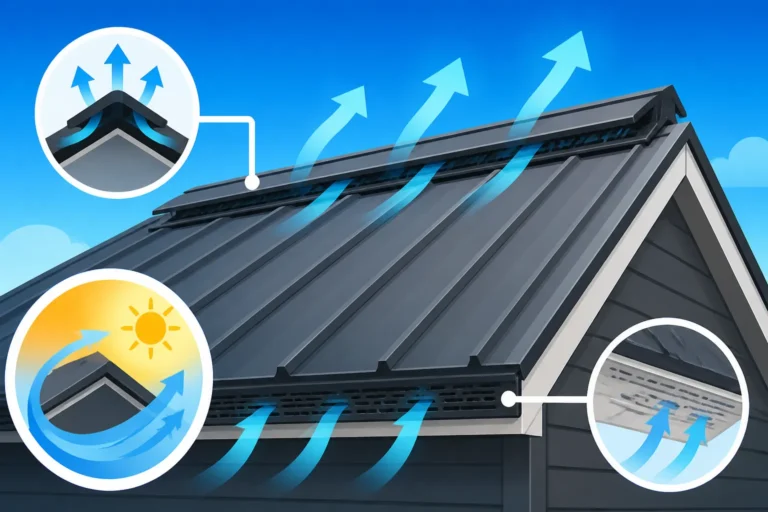
- Underlayment and Accessories: The type of underlayment chosen (synthetic is common and recommended for metal roofs), flashing, fasteners, and other accessories also contribute to the overall cost. High-quality components ensure the system performs as intended. Our guide on Metal Roof Underlayment and Ventilation Guide covers these essential components.
To get the most accurate picture, always obtain at least three detailed quotes from reputable local contractors. Be sure to compare apples-to-apples, understanding exactly what materials, labor, and warranty are included in each bid. For more specific cost breakdowns by region, check out our article on Metal Roof Cost by State and City.
| Feature | Aluminum Roofing | Galvalume Steel Roofing | Stone-Coated Steel Roofing | Copper Roofing |
|---|---|---|---|---|
| Heat Reflection | Excellent (natural emissivity) | Excellent (with cool-pigment coatings) | Very Good (granule surface helps diffuse) | Moderate (depends on patina stage, can be dark) |
| UV Resistance | Excellent (no fading, no rust) | Excellent (with Kynar 500/PVDF coatings) | Very Good (granules are natural stone, highly stable) | Excellent (doesn't degrade from UV) |
| Hail Resistance | Good (can dent with large hail, depends on gauge) | Excellent (strong steel core, high impact rating) | Excellent (often Class 4 impact rated) | Poor (very soft, dents easily) |
| Wind Resistance | Very Good (lightweight, strong fastening) | Excellent (stronger, good fastening options) | Excellent (interlocking panels, high wind rating) | Excellent (heavy gauge, strong fastening) |
| Corrosion/Rust | Excellent (naturally rust-proof) | Excellent (zinc-aluminum coating protection) | Excellent (steel core protected by coatings/stone) | Excellent (forms protective patina, no rust) |
| Typical Lifespan | 50-70+ years | 40-60+ years | 50-70 years | 100+ years |
| Cost (Relative) | High | Mid-High | High | Very High |
| Aesthetics | Modern, sleek, wide color range | Versatile, various profiles, wide color range | Mimics traditional tiles/shakes/shingles | Unique, developing patina |
Disclaimer
Please note that the information provided in this article is intended for general guidance and informational purposes only. While we strive to offer accurate and up-to-date content, local building codes, regulations, material availability, and contractor pricing can vary significantly. Always consult with a qualified, licensed, and insured local metal roofing contractor to discuss your specific needs, obtain detailed quotes, and ensure compliance with all applicable codes and standards in your area.