Copper vs Steel Metal Roof: Which Is Better?
Deciding on a new roof for your home is a huge undertaking, often leaving homeowners feeling overwhelmed by the sheer number of choices and the significant investment involved. When you’re looking at premium, long-lasting options, the debate between copper and steel can be particularly tricky, each offering distinct advantages and aesthetics. This guide is here to cut through the confusion, offering a detailed, empathetic look at copper and steel metal roofs so you can confidently determine which material truly is better for your specific home and lifestyle.
Understanding the Allure of Copper Roofing
Copper roofing isn't just a protective layer; it's a statement. It evokes a sense of timeless elegance and craftsmanship that very few other roofing materials can match. Homeowners often gravitate towards copper not just for its incredible durability, but for its unique aesthetic journey.
The Aesthetic Appeal and Patina Process
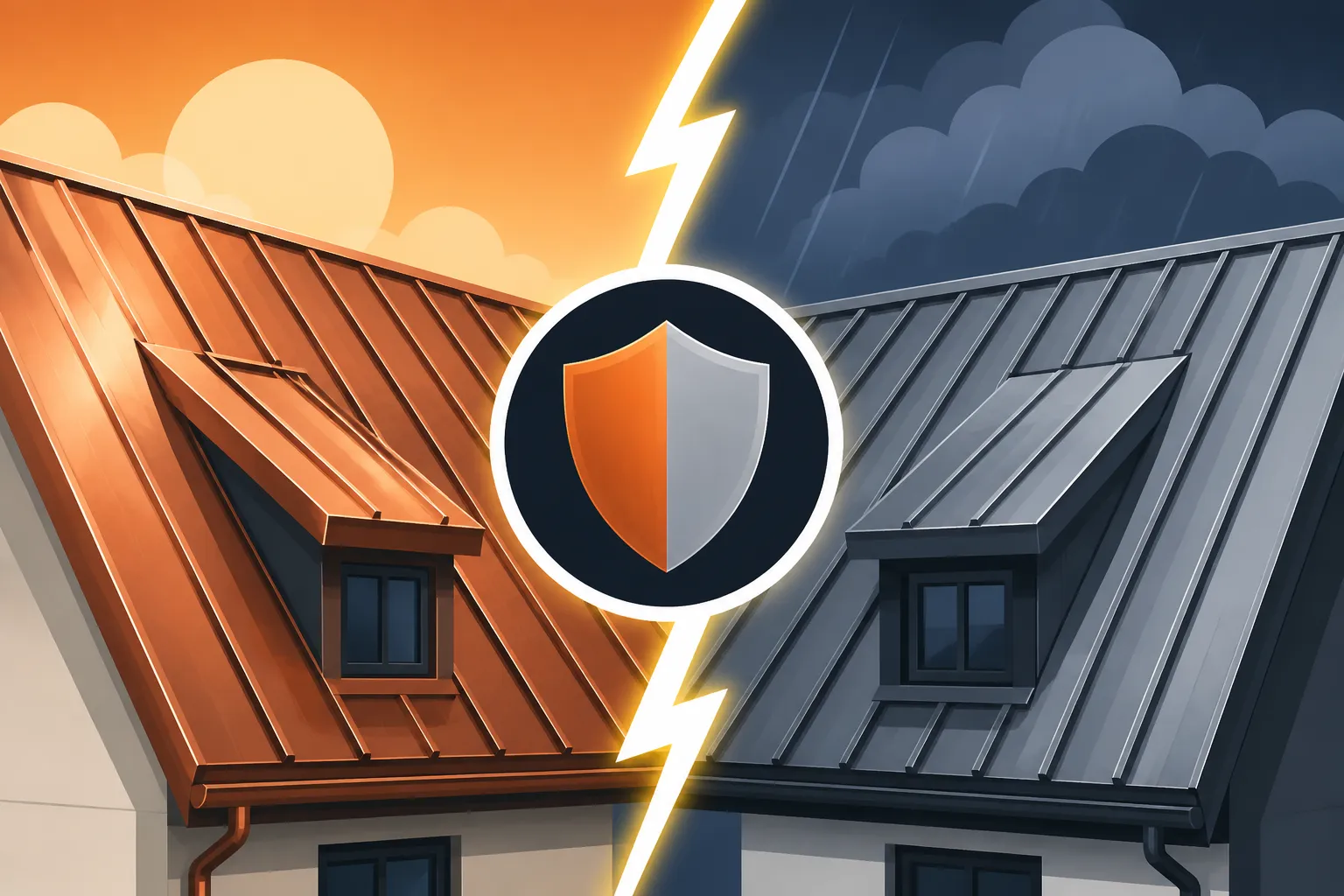
When a new copper roof is first installed, it boasts a gleaming, reddish-brown hue, almost like a freshly minted penny. This initial shine is undeniably striking and immediately elevates the curb appeal of any home. However, the true magic of copper unfolds over time as it interacts with the elements. Exposure to rain, sun, and air triggers a natural oxidation process, leading to the development of a protective layer known as a patina. This patina typically progresses from the initial reddish-brown to darker browns, then through various shades of green, and eventually to a beautiful, often vibrant, verdigris blue-green.
This evolving coloration is a major draw for many homeowners, as it creates a roof that is utterly unique and tells a story of its age and exposure. Think of the iconic domes and spires on historic buildings, shimmering with that unmistakable green — that's copper at its aged best. The rate and exact shade of patina can vary depending on local climate, atmospheric conditions, and even roof pitch, making each copper roof a one-of-a-kind masterpiece. This transformation isn't just about looks; the patina also acts as a natural protective barrier, enhancing the material's already impressive lifespan.
Durability and Lifespan of Copper
When it comes to longevity, copper stands in a league of its own. It's not uncommon for a properly installed copper roof to last 80 to 100 years, and often even longer. We're talking about a multi-generational roof here, often outliving the home's original owners. This incredible durability stems from copper's inherent resistance to corrosion, mildew, and fire. Unlike some other metals, copper doesn't rust, and its natural antimicrobial properties deter moss and algae growth, which can be a persistent problem for other roofing materials.
The robust nature of copper means it can withstand extreme weather conditions, from heavy snowfall to intense sunlight and high winds, without degrading. The material is relatively soft and flexible, which means it can be shaped easily during installation, but once installed and fastened correctly, it forms an incredibly resilient shield. Homeowners who invest in copper are typically looking for a "forever" roof, a decision that pays dividends in peace of mind and significantly reduced maintenance costs over its incredibly long service life. It's an investment in a future where you won't have to worry about roof replacement for decades. To truly grasp the long-term value, it's worth exploring Metal Roof Lifespan: How Long Do They Last? in detail.
Performance in Various Climates
Copper's performance across diverse climates is truly remarkable. In harsh coastal environments, where salt spray can rapidly corrode many metals, copper thrives thanks to its excellent corrosion resistance. This makes it an ideal choice for beachfront homes or properties near saline bodies of water. Even in areas prone to acid rain, the protective patina layer ensures its integrity.
For regions experiencing significant temperature fluctuations, copper's natural thermal expansion and contraction properties are manageable with proper installation techniques. Experienced installers will use specific fastening methods to allow the panels to move subtly without causing stress or buckling. In hot climates, copper can reflect solar radiation, helping to keep homes cooler, especially when combined with adequate attic ventilation. Conversely, in colder climates, its smooth surface can help shed snow and ice more efficiently than many textured roofing materials. This adaptability means that whether you live in a humid southern climate or a frosty northern one, a copper roof can offer reliable, long-term protection.
The Robustness and Versatility of Steel Roofing
Steel, on the other hand, presents a different kind of strength and appeal. It's a powerhouse of durability and comes in a variety of forms that make it incredibly versatile for nearly any roofing project. For those seeking a balance of performance, aesthetic options, and a more accessible price point compared to copper, steel often rises to the top.
Types of Steel Roofing and Their Coatings
Steel roofing isn't a single entity; it's a family of materials, each treated and coated to enhance its performance and longevity. The most common types you’ll encounter are galvanized steel and Galvalume steel. Galvanized steel is essentially steel coated with a layer of zinc, which provides excellent sacrificial corrosion protection – meaning the zinc corrodes before the steel does. Galvalume steel takes this a step further, using an alloy coating of zinc, aluminum, and silicon. This combination offers superior corrosion resistance, particularly against edge rust and acidic environments, making it a favorite for residential and commercial applications. You can often delve deeper into the specifics by looking at Metal Roofing Materials Compared: Steel, Aluminum, Copper & Zinc.
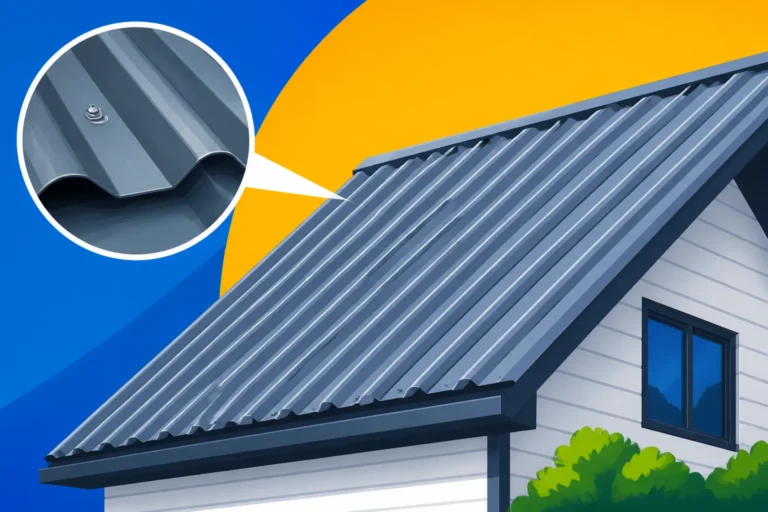
Beyond the base metal, the performance of steel roofing heavily relies on its paint coatings. Premium paint systems like Kynar 500 (PVDF) and SMP (Silicone Modified Polyester) are crucial for UV protection, color retention, and chalking resistance. PVDF coatings are considered the gold standard, offering outstanding fade and chalk resistance, often backed by 30- to 40-year warranties. SMP coatings are a great mid-range option, providing good performance at a slightly lower cost. These coatings are what give steel roofs their vast array of colors and finishes, allowing homeowners to achieve virtually any desired look, from mimicking traditional shingles or tiles to sleek, modern standing seam designs.
Strength, Affordability, and Maintenance
Steel roofing panels are renowned for their exceptional strength-to-weight ratio. They are incredibly resistant to impacts from hail, high winds, and fire, offering a robust shield for your home. This inherent strength means steel roofs hold up exceptionally well to severe weather events, often qualifying for insurance discounts due to their Class 4 impact resistance rating in many areas. Compared to copper, steel is significantly more affordable, making it a practical choice for a wider range of budgets while still providing excellent long-term value. While the Steel Roof Cost Per Square Foot is higher than asphalt, it's a fraction of copper's price.
Maintenance for a steel roof is generally low. Most high-quality steel roofs with premium coatings require little more than occasional cleaning to remove debris or mildew, similar to routine house maintenance. The coatings are designed to be durable and resist fading, chalking, and chipping. Unlike some other materials, you typically won't need to worry about replacing individual shingles or tiles frequently. However, it's important to be mindful of potential scratches or damage during installation or from falling branches, as these can expose the underlying steel and lead to localized corrosion if not addressed. Regular inspections, perhaps once a year, are a good idea to catch any minor issues before they become larger problems.
Weight and Structural Considerations
One of the often-underestimated advantages of steel roofing is its relatively lightweight nature. Traditional asphalt shingle roofs can be quite heavy, often requiring significant structural support. While steel is metal, its panelized nature and high strength-to-weight ratio mean that it's much lighter per square foot than many other roofing options, including concrete tile or slate. For instance, a typical standing seam steel roof might weigh around 1.5 pounds per square foot, whereas asphalt shingles can be 2 to 4 pounds per square foot, and slate can be 8 to 15 pounds per square foot.
This lighter weight offers several benefits. Firstly, it reduces the overall load on your home's structure, which can be particularly advantageous for older homes or those with existing structural concerns. Secondly, it often allows for installation over existing shingles, a process known as "re-roofing," which can save significantly on labor and disposal costs associated with tear-off. However, it's crucial to consult with a qualified roofing contractor to assess your specific roof deck and framing to ensure it can adequately support the new metal roof, whether it’s steel or copper. Always check if Do You Need a Permit to Put Metal Over Shingles in your specific locality.
Copper vs. Steel: A Head-to-Head Comparison
Now that we've explored the individual merits of copper and steel, let's stack them against each other in the critical areas that matter most to homeowners. This direct comparison will help highlight where each material truly shines and where its limitations might lie for your particular project.
Cost Analysis: Initial Investment vs. Long-Term Value
The cost difference between copper and steel is perhaps the most significant factor for many homeowners. Copper roofing is undeniably a premium product, often costing significantly more upfront than even the highest-end steel options. We're talking about initial material and installation costs that can be anywhere from two to five times higher than steel. This high price point for copper is due to the fluctuating global market price of the raw metal, its specialized fabrication, and the expert craftsmanship required for installation. If you're looking into specific numbers, you might want to review Copper Roof Cost.
Steel, while more expensive than asphalt, offers a much more accessible entry point into the world of metal roofing. Its initial cost provides a fantastic blend of durability and aesthetic appeal without the luxury price tag of copper. However, the conversation about cost shouldn't end with the upfront investment. When considering Is a Metal Roof Worth It? ROI, Resale & Payback, the lifespan of both materials comes into play. A copper roof, lasting 80 to 100 years or more, might effectively be the last roof you ever install. A high-quality steel roof typically lasts 40 to 70 years. Over the very long term, when you factor in potential future roof replacements for steel, the cost gap might narrow, but copper will almost certainly still hold the higher lifetime cost. The value proposition for copper lies in its unmatched longevity, timeless aesthetic, and minimal future expense once installed. For steel, it's about a superior, long-lasting product at a more attainable price point.
Environmental Impact and Sustainability
Both copper and steel are considered highly sustainable roofing materials, especially when compared to traditional options like asphalt shingles, which often end up in landfills every 15-30 years. Both metals are 100% recyclable at the end of their exceptionally long lives. This means that the material can be repurposed, reducing the demand for new raw materials and minimizing waste.
Copper has the added benefit of being a natural element, and its production process, while energy-intensive, results in a product that lasts for generations without requiring further processing or treatment. The fact that copper develops its own protective patina naturally, without the need for additional coatings or sealants over time, also contributes to its lower environmental footprint in terms of maintenance. Steel, on the other hand, often utilizes significant recycled content in its production, further enhancing its eco-credentials. The specialized coatings on steel (like PVDF) are incredibly durable, extending the roof's life and reducing the frequency of replacement, thus reducing waste. Both materials contribute to energy efficiency by reflecting solar heat, which can lower cooling costs in warmer climates, lessening the strain on energy grids. Ultimately, choosing either copper or steel is a positive step towards a more sustainable home.
Installation Complexity and Contractor Expertise
Installing a metal roof, whether copper or steel, is a job for experienced professionals, but there are nuances in the complexity. Steel roofing, particularly standing seam or corrugated panels, requires specialized tools and knowledge, but many reputable roofing companies are proficient in its installation. The panels are typically larger and can be handled more quickly, but precision is key for proper sealing and fastening. Finding a qualified installer is crucial for any metal roof, and resources like Modernize can connect you with experienced professionals who understand the intricacies of these materials. If you’re looking to better understand the process, Metal Roof Installation Process: Step by Step can be very helpful.
Copper, however, demands an even higher level of specialized craftsmanship. Its unique malleability and the requirement for intricate soldering, flashing, and custom fabrication mean that not just any roofer can do the job correctly. An installer working with copper needs to understand how the metal expands and contracts, how to prevent galvanic corrosion when it comes into contact with other metals, and how to create aesthetically pleasing seams and details that will age beautifully. Hiring a contractor with a proven track record specifically in copper roofing is paramount to ensure the roof performs as expected and achieves its iconic appearance. The labor costs for copper installation will reflect this higher level of expertise. It's truly a craft, and finding a master of that craft is essential.
Making the Right Choice for Your Home
The decision between copper and steel isn't just about numbers or durability; it's deeply personal, tied to your home's style, your long-term vision, and your financial comfort zone. Both are outstanding materials, but they cater to different priorities.
Prioritizing Aesthetics and Curb Appeal
If your primary goal is to achieve an unparalleled, evolving aesthetic that signifies luxury, history, and bespoke craftsmanship, copper is likely the winner. The natural patina process is truly unique, transforming your roof into a living, breathing part of your home's story. It's a statement piece that immediately distinguishes your property. Think of grand historic homes, ornate cupolas, or unique architectural accents where copper provides an undeniable touch of class. Its inherent beauty adds significant curb appeal and can increase the perceived value of your home.
Steel, while incredibly versatile in its aesthetic offerings, doesn't offer the same natural, organic transformation. With steel, you get a consistent color and finish that you choose upfront. It can mimic the look of traditional shingles, slate, or tile, or offer sleek, modern lines with standing seam panels in a vast spectrum of colors. This versatility means you can easily match your home's existing style or create a completely new contemporary look. If you desire a specific, predictable color that will last for decades, or if you prefer a modern, clean aesthetic, steel offers endless possibilities. It's about a controlled, intentional design rather than a natural evolution.
Budgetary Realities and Future Planning
Let's face it, money talks. For most homeowners, budget is a major, if not the major, deciding factor. If you have a substantial budget and are looking for a true heirloom roof that you'll never have to replace in your lifetime (or your children's), copper is an exceptional, albeit expensive, investment. It's a "buy once, cry once" situation, where the initial pain of the cost is offset by literally a century of performance and beauty. It's a long-term play, often for those planning to stay in their home for many decades or who prioritize maximum return on investment through extreme longevity and unique appeal. You might want to consider all the factors that impact What Affects Metal Roof Cost: Gauge, Pitch, Complexity & Tear-Off.
Steel, on the other hand, offers an incredibly robust and long-lasting roof at a much more manageable price point. It still represents a significant upgrade from asphalt shingles but without the prohibitive cost of copper. If you're looking for a roof that will last 40-70 years, withstand extreme weather, offer energy efficiency, and come in a wide range of colors and styles, steel is a fantastic, practical choice. It provides excellent value and durability for the vast majority of homeowners. It's about finding that sweet spot between performance, aesthetics, and affordability. For many, steel is the pragmatic, high-value choice for future planning.
Consulting with Professionals
Regardless of whether your heart leans towards the venerable beauty of copper or the robust versatility of steel, the most crucial step is to consult with qualified, experienced roofing professionals. These aren't DIY projects; incorrect installation can compromise even the best materials. A reputable contractor will be able to assess your roof's unique characteristics, local building codes, and your specific climate challenges. They can explain the nuances of each material, provide accurate quotes, and help you understand the full scope of the project.
When you're ready to explore options, platforms like Modernize can help you connect with local contractors specializing in metal roofing. Don't settle for just one estimate; gather several bids to compare not just price but also the contractor's experience, proposed materials (including coatings and fasteners), warranty offerings, and references. Be sure to ask specific questions about their experience with copper and different types of steel, and their approach to addressing potential issues like thermal movement or galvanic corrosion. The expertise of your chosen installer will play a monumental role in the ultimate success and longevity of your new metal roof. Always ask Questions to Ask a Metal Roofing Contractor Before You Hire.
Here’s a quick overview to help you visualize the comparison:
| Feature | Copper Metal Roof | Steel Metal Roof |
|---|---|---|
| Initial Cost | Very High (Premium/Luxury) | Moderate to High (More accessible) |
| Lifespan | 80-100+ years (Multi-generational) | 40-70 years (Excellent long-term) |
| Aesthetics | Unique, evolving patina (reddish-brown to verdigris) | Wide range of consistent colors and finishes |
| Durability | Excellent (corrosion, fire, mildew resistant) | Excellent (impact, wind, fire resistant) |
| Maintenance | Very Low (occasional cleaning) | Low (occasional cleaning, inspect for scratches) |
| Weight | Relatively Light | Relatively Light |
| Recyclability | 100% Recyclable | 100% Recyclable (often with recycled content) |
| Installation | Highly specialized craftsmanship, higher labor costs | Specialized skills required, standard labor costs |
| Corrosion | Forms protective patina, doesn't rust | Zinc/Aluminum coatings protect against rust |
| Best For | Historic homes, luxury projects, unique aesthetics | Versatile styles, excellent value, wide range of homes |
Disclaimer
Please note that the information provided in this guide is for general informational purposes only and does not constitute professional advice. Roofing material costs, installation processes, and local regulations can vary significantly based on location, specific product choices, contractor rates, and the complexity of your particular project. Always consult with a qualified and licensed roofing professional to obtain accurate estimates and personalized recommendations for your home.