Aluminum vs Steel Metal Roof: Which Is Better?
Choosing a new roof for your home is a huge decision, and with so many fantastic metal roofing options available, it's easy to feel overwhelmed. You’ve likely heard a lot of buzz about metal roofs for their incredible longevity and durability, but when it comes down to specific materials like aluminum and steel, the differences can feel a bit murky. This guide is here to clear up that confusion, helping you understand the unique characteristics of each, so you can confidently decide which material is truly better for your home and lifestyle.
Understanding the Fundamental Differences: Materials and Performance
When you're comparing aluminum and steel for your roof, it's not just about the name; it's about the very essence of what makes each metal unique and how that translates into real-world performance on your home. These aren't just "metals" – they're distinct materials with specific properties that impact everything from their weight to how they react to the elements.
Material Composition and Characteristics
Let's break down what each of these popular roofing materials actually is.
Aluminum Roofing: Aluminum is a naturally occurring, lightweight, and incredibly abundant metal. What sets it apart immediately is its inherent resistance to rust and corrosion. Unlike steel, aluminum doesn't contain iron, so it won't rust in the traditional sense. Instead, when exposed to air, it forms a thin, protective oxide layer that actually shields it from further degradation. This makes it an ideal choice for specific environments, as we'll explore shortly. It's also quite malleable, meaning it can be formed into a wider variety of intricate shapes and profiles without losing its integrity, though this also means it's a bit softer.
Steel Roofing: Steel, on the other hand, is an alloy, primarily composed of iron mixed with carbon and other elements. Because it contains iron, raw steel is susceptible to rust. This is a critical point. To become a viable and long-lasting roofing material, steel panels undergo a rigorous coating process. The two most common types you’ll encounter are galvanized steel and Galvalume steel. Galvanized steel is coated with a layer of zinc, which acts as a sacrificial barrier against rust. Galvalume, a superior option for roofing, is coated with a combination of aluminum and zinc. This alloy coating provides exceptional corrosion resistance, often outperforming traditional galvanized steel and offering a very robust surface. Steel is renowned for its strength and rigidity, making it incredibly durable against physical impacts.
Key Performance Attributes
Beyond their basic composition, aluminum and steel exhibit different performance traits that will directly affect your roof's life and your home's comfort.
Corrosion Resistance: This is where aluminum truly shines as a hero without needing any special coatings. Its natural ability to resist rust, even in the harshest, salt-laden coastal environments, is unparalleled among common roofing metals. Steel, while incredibly strong, relies entirely on its protective coatings. A high-quality Galvalume coating on steel can offer decades of protection, but if that coating is compromised (e.g., a deep scratch), the underlying steel can begin to rust. This is a crucial distinction, especially if you live near the ocean or in an area with industrial pollutants.
Weight and Structural Load: Aluminum is significantly lighter than steel. To put it into perspective, an aluminum roof can be as much as 50% lighter than a comparable steel roof. This reduced weight can be a significant advantage, particularly for older homes or structures where the existing framing might not be designed to support heavier roofing materials. It can also simplify installation, potentially reducing labor costs. While steel is heavier, it’s still far lighter than traditional materials like clay tiles or slate, making it a perfectly suitable option for most modern home constructions.
Impact Resistance: This is where steel generally holds the upper hand. Its inherent hardness makes it more resistant to denting from hail, falling branches, or other impacts. While a high-gauge aluminum roof can withstand a fair amount, steel typically offers superior protection against blunt force. This doesn’t mean aluminum is fragile; it means steel offers an extra layer of peace of mind in areas prone to severe hailstorms.
Evaluating Durability, Longevity, and Environmental Impact
When you invest in a new roof, you’re not just thinking about the next few years; you're planning for decades. Both aluminum and steel metal roofs offer impressive lifespans, far exceeding traditional asphalt shingles, but their specific strengths and environmental footprints differ. Understanding these long-term aspects is key to making a truly informed choice.
Resistance to the Elements
How well a roof stands up to Mother Nature is arguably its most important job. Both aluminum and steel excel, but in slightly different arenas.
Aluminum's Unwavering Corrosion Protection: As we touched upon, aluminum is naturally rust-proof. This isn't just a marketing claim; it's a fundamental metallurgical property. This makes it the absolute top-tier choice for homes in coastal regions, where salt spray can relentlessly attack other metals. Think about homes along the Gulf Coast of Florida or the Outer Banks of North Carolina; an aluminum roof from a reputable supplier like Classic Metal Roofing Systems would be a truly robust investment, designed to shrug off salty air year after year without corroding. It simply won't rust, making it a low-maintenance champion in those challenging environments. Its natural reflectivity also helps it perform well in hot, sunny climates, reflecting solar heat and keeping your home cooler.
Steel's Robust Strength and Coated Resilience: Steel's primary strength lies in its sheer toughness. It's less prone to denting from moderate hail or accidental impacts compared to aluminum. However, its Achilles' heel is rust, which means its durability hinges entirely on the quality of its protective coating. A Galvalume coating, a blend of aluminum and zinc, provides excellent long-term corrosion resistance, making steel a very durable option for most inland climates. Manufacturers like McElroy Metal often specialize in high-strength steel panels designed for various applications, offering fantastic wind resistance and structural integrity. For instance, in tornado alley states like Oklahoma or Kansas, the rigidity of steel can be a comforting thought against high winds and potential debris.
Long-Term Performance and Wear
When we talk about longevity, both materials are clear winners over asphalt, but let's dive into the nuances of their decades-long performance.
Expected Lifespan and Degradation: Both aluminum and steel metal roofs are known to last significantly longer than conventional roofing materials. You can realistically expect a well-installed metal roof of either material to last 40 to 70 years, often even longer. This is a far cry from the 15-30 year lifespan of asphalt shingles. The primary difference in degradation will come down to how the coatings on steel hold up over many decades versus the natural, unchanging properties of aluminum. A premium PVDF (Kynar 500 or Hylar 5000) paint finish, often used on both, is exceptionally resistant to fading, chalking, and chipping, ensuring your roof maintains its aesthetic appeal for a very long time. For more information on expected timelines, you might find our article on Metal Roof Lifespan: How Long Do They Last? helpful.
Maintenance and Repair Considerations: Generally, both materials are very low-maintenance. Regular inspections, especially after severe weather, are crucial for any roof. For steel, pay close attention to any deep scratches that might expose the underlying metal, as these could eventually lead to rust if not addressed with touch-up paint. Aluminum, being inherently rust-proof, doesn't carry this specific concern. However, aluminum is softer, so a severe impact might result in a more noticeable dent, though repairs, like replacing a damaged panel, are typically straightforward for both. Understanding Metal Roof Maintenance Guide can help you keep either option in top shape.
Environmental Impact and Sustainability
Choosing a metal roof is already a step towards a more sustainable home, and both aluminum and steel have strong environmental credentials.
Recyclability and Eco-Friendliness: This is a huge win for metal roofing across the board. Both aluminum and steel are 100% recyclable, meaning that at the end of their exceptionally long lives, they won't end up in a landfill. The environmental advantage for aluminum is often cited as its high recycled content – many aluminum roofing products are manufactured with a significant percentage of recycled aluminum (often 80-95%) and recycling aluminum uses only about 5% of the energy required to produce virgin aluminum. Steel also boasts impressive recyclability, with a global recycling rate that makes it one of the most recycled materials on the planet. Both options help reduce waste and conserve resources, a big plus for environmentally conscious homeowners.
Energy Efficiency and Cool Roofing Properties: Another major benefit of metal roofing is its contribution to energy efficiency. Both aluminum and steel, especially when factory-finished with reflective coatings, are considered "cool roofs." They reflect a significant amount of solar radiant heat, rather than absorbing it. This can lead to substantial savings on your air conditioning bills, especially in hot climates. Aluminum has a slight edge here due to its naturally higher thermal emissivity and reflectivity, meaning it sheds heat more efficiently than steel. The light colors commonly chosen for metal roofs further enhance these cool roofing properties. This can even qualify you for certain tax credits or rebates, making them a smart long-term investment.
Cost, Aesthetics, and Practical Considerations for Your Home
Now, let's talk about the practicalities that hit home: your budget, the look you're going for, and the day-to-day realities of living under a metal roof. These factors often play a major role in the final decision-making process.
Upfront Material and Installation Costs
The initial price tag is often the first thing homeowners look at, and there are some clear distinctions between aluminum and steel.
Initial Investment Breakdown: Generally speaking, aluminum roofing tends to have a higher upfront material cost than steel. This is primarily due to the higher raw material cost of aluminum and the specialized manufacturing processes for many aluminum roofing panels. If you're looking at a standing seam profile, for example, the cost for aluminum panels can be 15-30% higher than for comparable steel panels.
However, the "cost per square foot" is just one piece of the puzzle. Steel roofs, especially those using exposed fastener panels like R-panel or corrugated profiles, can be among the most budget-friendly metal roofing options. For a deep dive into pricing, consider reading our guide on Metal Roof Cost Per Square Foot. Installation costs for both are fairly similar, as they both require skilled labor and specialized tools. However, if you are looking for more complex, architectural profiles, aluminum's malleability can sometimes make installation slightly easier for intricate details, though this doesn't always translate to lower labor costs.
Value Over Time: While aluminum might be pricier upfront, its unparalleled corrosion resistance and lighter weight can contribute to its long-term value. Steel, particularly Galvalume steel, also offers excellent long-term value, with durability and energy savings that far outstrip traditional materials. When considering the Is a Metal Roof Worth It? ROI, Resale & Payback you'll find that both materials generally provide a strong return on investment through extended lifespan, reduced maintenance, and energy savings.
Aesthetics and Design Versatility
The look and feel of your home are important, and both aluminum and steel offer a wide range of aesthetic possibilities to complement any architectural style.
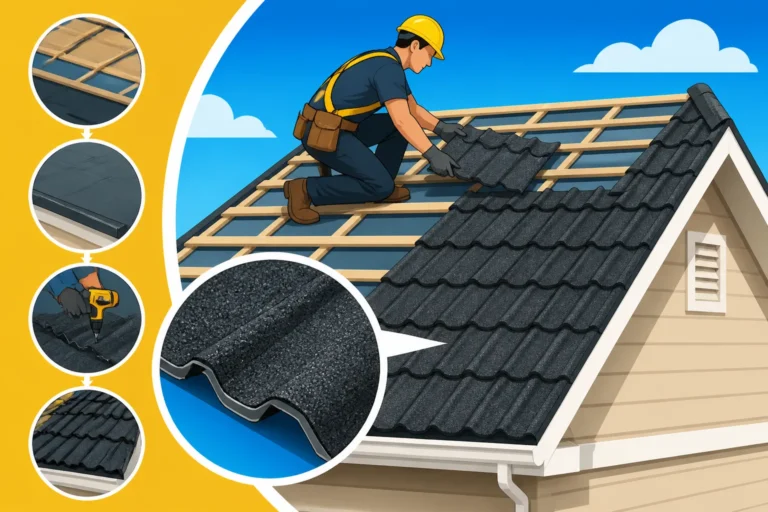
Available Finishes and Colors: Both aluminum and steel panels can be factory-finished with incredibly durable paint systems, such as PVDF (Kynar 500® or Hylar 5000®), which are known for their exceptional color retention, fade resistance, and chalk resistance. This means your chosen color will stay vibrant for decades. You'll find an extensive palette of colors, from subtle earth tones to bold, modern hues. Both materials can also be fabricated into various profiles, including standing seam, corrugated, metal shingles, tiles, and shakes. Aluminum, due to its lighter weight and flexibility, can sometimes be formed into more intricate or specialized tile and shingle designs that mimic traditional materials, such as wood shakes or slate, with remarkable realism. Platforms like Modernize can help you visualize these options and connect with contractors who offer a wide range of aesthetic choices.
Architectural Suitability:
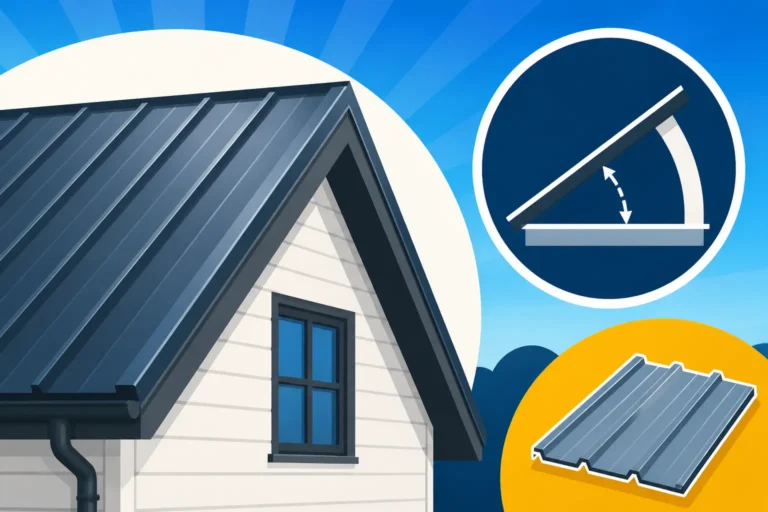
- Steel: Often favored for its clean lines and robust appearance, steel is a classic choice for traditional and contemporary homes. Corrugated or R-panel profiles lend themselves well to industrial, agricultural, or modern farmhouse aesthetics. Standing seam steel roofs offer a sleek, minimalist look that’s incredibly versatile and popular for a wide array of residential and commercial buildings.
- Aluminum: Its lightweight nature makes it adaptable for virtually any roof structure. Aluminum is particularly popular for high-end residential applications and intricate architectural designs where a lighter material is an advantage. Its flexibility also means it can be readily shaped into highly detailed profiles that replicate the appearance of much heavier materials like tile or slate without the added structural load. This makes it an excellent choice for historic renovations or homes where aesthetic precision is paramount.
Making the Right Choice for Your Specific Needs
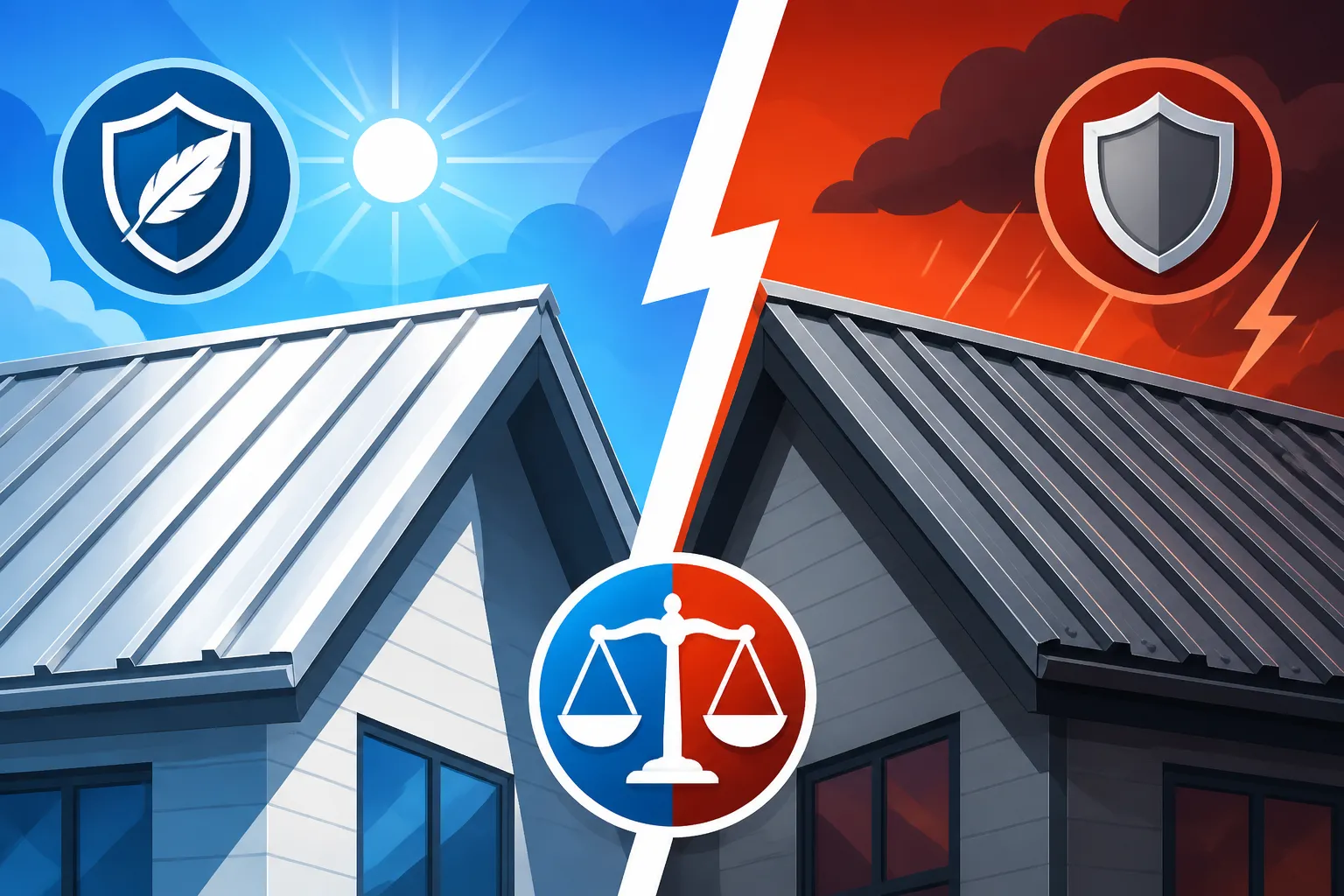
Deciding between aluminum and steel isn't about one being universally "better"; it's about which material aligns best with your home's location, structural needs, and your personal priorities. Both are outstanding choices compared to traditional asphalt, but their subtle differences can be game-changers depending on your unique situation.
Geographic and Climate Suitability
Where you live plays a massive role in which metal roof will serve you best. Different climates and geographic conditions present distinct challenges that each material handles differently.
Coastal and Saltwater Environments: If your home is anywhere near the ocean, or in an area with high industrial pollution that contributes to corrosive atmospheric conditions, aluminum is the clear winner. Its natural rust immunity means you don't have to worry about the salt air or chemical pollutants eating away at a protective coating over time. Steel, even with the best Galvalume coating, can eventually show signs of corrosion if that coating is compromised or if exposed to constant, aggressive salt spray. For homes in places like Galveston, Texas, or Miami, Florida, aluminum provides unmatched peace of mind against the relentless corrosive forces of coastal living.
Hail-Prone and High-Wind Regions: For areas frequently battered by hailstorms, like parts of Colorado or Texas, steel often holds an advantage due to its superior rigidity and impact resistance. A heavier gauge steel (like 24-gauge) is less prone to denting from hail than a comparable aluminum panel. However, both metals, especially in standing seam profiles, offer excellent wind resistance, capable of withstanding hurricane-force winds when properly installed. In hurricane-prone regions, choosing a roof system with a high wind rating is paramount, and both materials can meet stringent requirements. You might want to explore articles like Best Metal Roof for High Wind Areas for more detailed insights.
Extreme Temperatures: Both metals perform exceptionally well in extreme heat, thanks to their reflective coatings that reduce heat absorption and keep your home cooler. In freezing conditions, both are excellent, allowing snow and ice to shed efficiently, especially with smooth, coated finishes. However, aluminum has a higher coefficient of thermal expansion than steel, meaning it expands and contracts more with temperature fluctuations. This requires specific installation techniques and fasteners to accommodate movement and prevent oil canning or fastener issues, ensuring a quiet and stable roof.
Structural and Installation Considerations
The practical aspects of installation and your home's existing structure can also tip the scales.
Weight Bearing Capacity: As mentioned, aluminum is significantly lighter. If you have an older home, or one with a roof structure that hasn't been recently assessed for heavy loads, aluminum might be the safer and more cost-effective choice as it places less stress on the underlying structure. This can avoid the need for costly structural reinforcements that might be necessary for heavier materials. Steel, while heavier than aluminum, is still much lighter than many traditional options, making it suitable for most modern constructions.
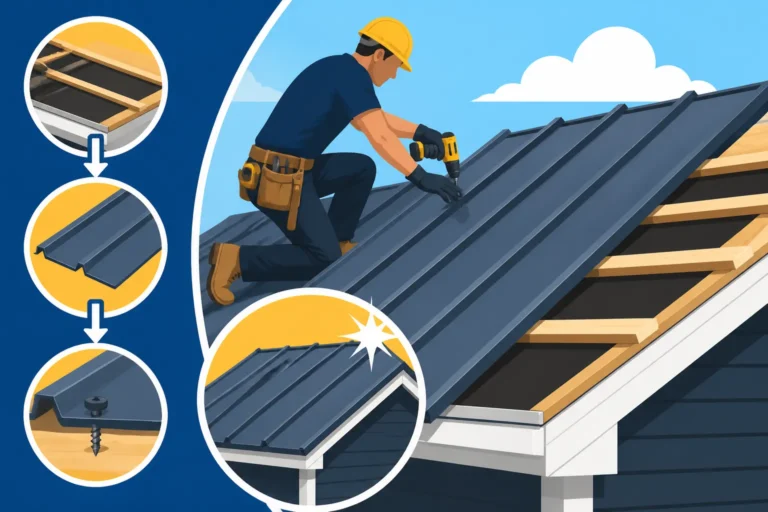
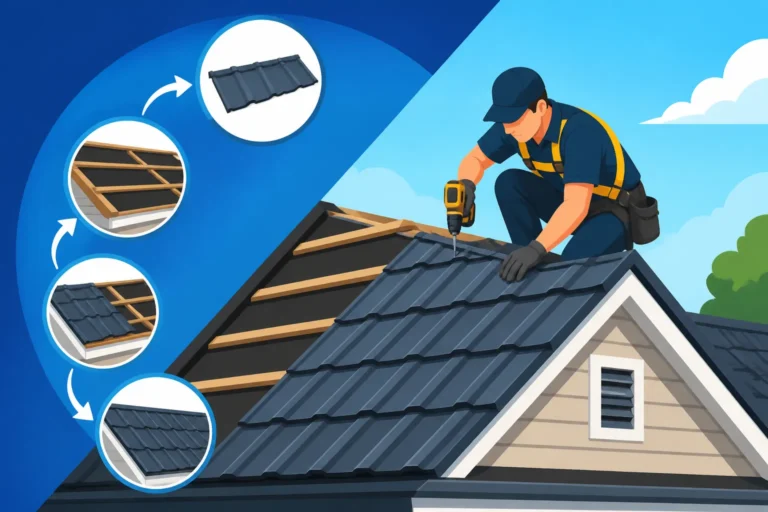
Installation Expertise: Regardless of material, installing a metal roof is a specialized job. It's crucial to hire a contractor with extensive experience specifically in metal roofing. This is especially true for standing seam systems, which require precision and specialized seaming tools. An experienced installer will know how to properly handle each material, accounting for expansion/contraction, ensuring correct fastening, and preventing potential issues down the line. Searching for a "metal roofing contractor" on platforms like Modernize can connect you with local experts who understand the nuances of both aluminum and steel installations.
Here's a quick comparison table to summarize the key differences:
| Feature | Aluminum Metal Roof | Steel Metal Roof |
|---|---|---|
| Corrosion Resistance | Excellent (inherently rust-proof) | Excellent (requires quality Galvalume or galvanized coating) |
| Weight | Very Lightweight | Medium-Heavy (heavier than aluminum, lighter than shingles/tile) |
| Impact Resistance | Good (can dent from heavy impacts) | Very Good (more resistant to dents from hail) |
| Cost (Material) | Generally Higher | Generally Lower (especially common profiles) |
| Lifespan | 40-70+ years | 40-70+ years |
| Recycled Content | Often very high (80-95%) | High (globally recycled material) |
| Thermal Expansion | Higher (requires careful installation to prevent issues) | Moderate (less than aluminum, more than traditional materials) |
| Coastal Suitability | Superior Choice | Good (with high-quality coating), but not as naturally resistant as aluminum |
| Maintenance | Very Low (no rust concern) | Very Low (monitor coatings for deep scratches) |
| Common Profiles | Standing Seam, Shingles, Tile, Corrugated | Standing Seam, R-Panel, Corrugated, Shingles, Tile |
Ultimately, both aluminum and steel metal roofs represent a significant upgrade for your home, offering outstanding durability, energy efficiency, and curb appeal. The "better" choice truly comes down to carefully weighing these factors against your specific circumstances and priorities. Don't hesitate to get quotes and talk extensively with experienced metal roofing contractors about their recommendations for your home's location and design.
Disclaimer
Please remember that the information provided in this guide is for educational and informational purposes only. While we strive to offer accurate and up-to-date advice based on industry standards, individual circumstances and local building codes can vary significantly. Always consult with a qualified and licensed metal roofing contractor or local building authority before making any decisions regarding your roofing project.