What Is the Best Metal Roof for Texas Weather
Living in Texas means your home is constantly battling a unique combination of extreme elements. From scorching summer sun that bakes your roof for months on end to sudden, violent hail storms that can turn a perfectly good asphalt shingle roof into Swiss cheese overnight, and let's not forget the occasional hurricane-force winds in coastal areas. It's a lot for a roof to handle! Finding a roofing solution that can stand up to these relentless challenges isn't just about curb appeal; it's about protecting your biggest investment and finding peace of mind. This comprehensive guide will walk you through the best metal roofing options specifically designed to thrive in the demanding Texas climate, helping you make an informed decision that will last for decades.
Understanding Texas's Unique Roofing Challenges
Before we dive into specific metal roofing types, it's really important to get a handle on what exactly your roof needs to withstand here in the Lone Star State. Texas weather isn't just "hot and sometimes stormy"; it's a multi-faceted beast that attacks your roof from all angles.
Intense Heat and UV Radiation
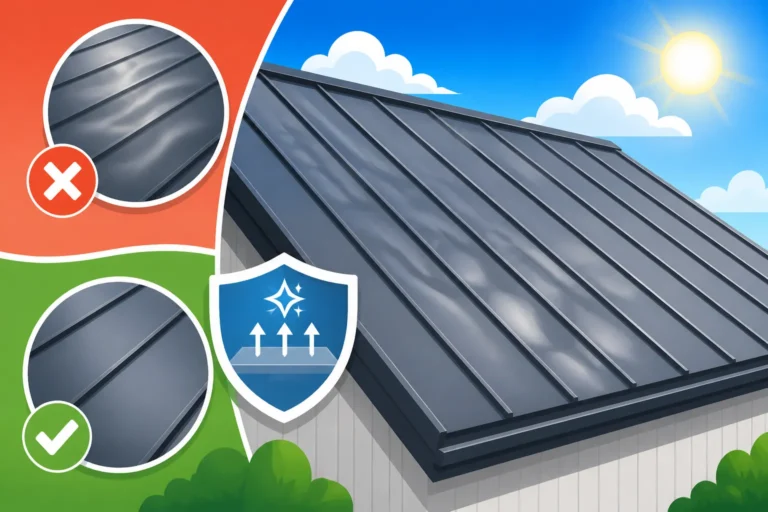
Summers in Texas are legendary for their heat, with temperatures regularly soaring into the triple digits, especially in cities like Dallas and Austin. This isn't just uncomfortable for us; it's brutal on roofing materials. Constant exposure to intense ultraviolet (UV) radiation and high temperatures can accelerate the breakdown of many traditional roofing materials, leading to cracking, curling, and fading. Think about how quickly a cheap plastic lawn chair degrades in the Texas sun – your roof is experiencing a similar, albeit slower, process. The sun's energy also transfers heat directly into your attic, driving up your air conditioning bills as your HVAC system struggles to keep pace. Finding a roof that reflects heat rather than absorbing it is paramount.
Hail Storms and Impact Damage
If you've lived in Texas for any length of time, you've probably witnessed or been affected by a hail storm. From pea-sized pellets to golf ball or even softball-sized chunks of ice, hail is a destructive force that can utterly decimate roofs. Asphalt shingles can be bruised, cracked, or even stripped away, leading to immediate leaks and costly repairs. The impact can weaken the shingle matrix, shortening its lifespan even if the damage isn't immediately obvious. Metal roofs, by their very nature, offer a superior defense against hail, but not all metal roofs are created equal when it comes to impact resistance. It's crucial to understand how different metal types and profiles handle these aerial assaults.
High Winds and Severe Thunderstorms
Texas is no stranger to strong winds, whether from seasonal thunderstorms, straight-line winds, or the occasional tropical storm or hurricane making landfall along the Gulf Coast. Winds can lift, tear, and peel back roofing materials, exposing your home to water damage and structural issues. In fact, wind damage is one of the leading causes of roof insurance claims in the state. Traditional shingles can be easily uplifted if not perfectly installed or if their adhesive strips fail over time. A metal roof's ability to withstand high winds is largely dependent on its fastening system and structural integrity. You need a roof that's not just heavy, but securely locked down.
Humidity and Moisture Management
While not as immediately dramatic as a hail storm, the persistent high humidity, especially in East Texas and coastal regions, poses its own set of challenges. This moisture can contribute to mold and mildew growth, and if trapped beneath the roofing material, it can lead to rot in the underlying decking. Proper ventilation is always important for any roof, but with metal roofs, managing condensation to prevent moisture issues within the attic space is particularly critical. This relates closely to your choice of underlayment.
Top Metal Roof Types for Texas Weather
Given the gauntlet of weather conditions Texas throws at our homes, selecting the right metal roof type isn't a one-size-fits-all decision. However, some options consistently outperform others when it comes to resilience and energy efficiency in this climate.
Standing Seam Metal Roofing
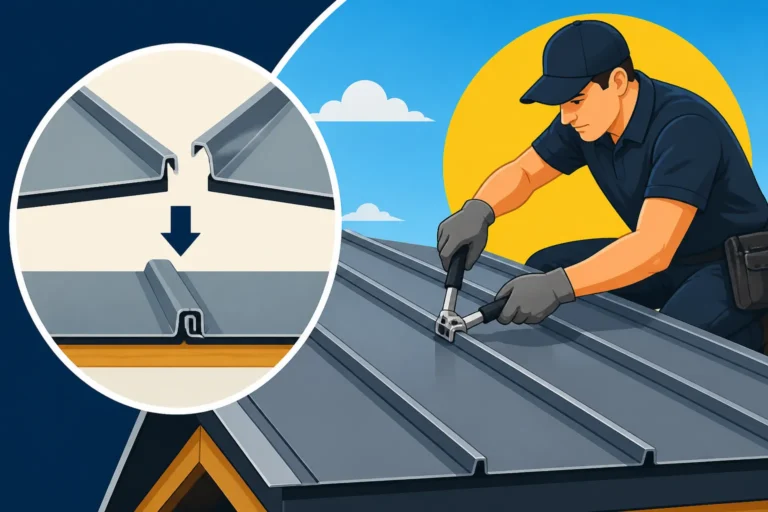
When people picture a modern, durable metal roof, they're often envisioning a standing seam system. This type features large metal panels with raised seams that interlock, creating a continuous metal surface with hidden fasteners.
Why Standing Seam Excels in Texas
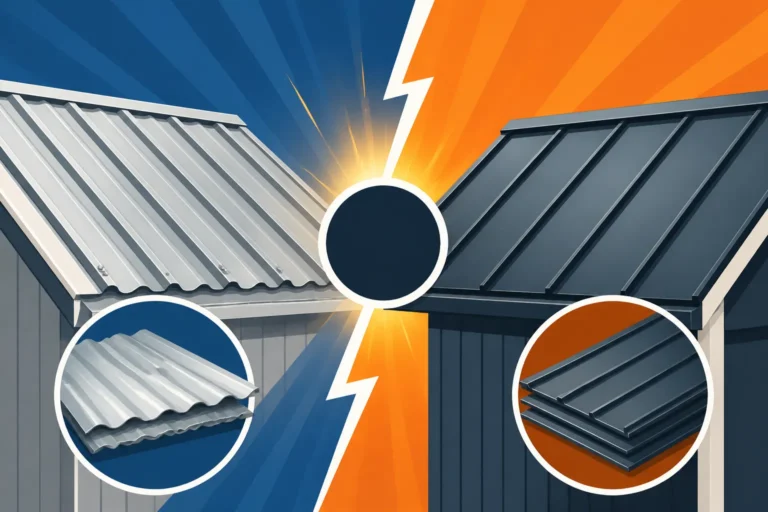
- Superior Durability: Standing seam metal roofs are incredibly robust. They handle the thermal expansion and contraction that comes with Texas's wild temperature swings gracefully, minimizing stress on the panels. Their secure, hidden fastener system makes them exceptionally resistant to high winds; they don't have exposed screws to back out or create entry points for water. You can explore the differences in detail by checking out this guide on Standing Seam vs Corrugated Metal Roof.
- Excellent Heat Reflection: Most standing seam panels come with highly reflective coatings (like cool pigment paints or specialized finishes) that deflect a significant portion of the sun's energy away from your home. This can lead to noticeably cooler attics and lower air conditioning costs throughout the long Texas summer. The air gap created by the raised seams can also contribute to a cooler roof system, further enhancing its energy efficiency.
- Long-Term Weather Protection: The interlocking seams and lack of exposed fasteners mean fewer opportunities for leaks, even during heavy downpours or driving rain. When properly installed, a standing seam roof can easily last 50-70 years, offering incredible longevity against the elements. While the initial investment for a Standing Seam Metal Roof Cost might be higher, its extended lifespan and low maintenance often provide a better return on investment over time.
Stone-Coated Steel Roofing
If you love the aesthetic of traditional tile, shake, or shingle roofs but want the durability of metal, stone-coated steel is a fantastic choice for Texas. These panels are typically made from steel, then coated with acrylic and ceramic-coated stone granules, giving them a rich, textured look.
Why Stone-Coated Steel is a Great Option
- Exceptional Hail Resistance: This is where stone-coated steel truly shines in Texas. The granular surface and multi-layered construction provide outstanding impact resistance. Many stone-coated steel products carry a Class 4 Impact Resistance rating, which can often qualify you for significant homeowners insurance discounts in hail-prone areas. This is a huge benefit for homeowners in Texas, where hail is a perennial concern. For more on this, check out our piece on Metal Roof Hail Damage and Insurance Claims.
- Aesthetic Versatility: You don't have to sacrifice curb appeal for durability. Stone-coated steel roofs come in a wide array of profiles, mimicking everything from Spanish tile to cedar shakes and architectural shingles, making them highly adaptable to various architectural styles prevalent across Texas, from Mediterranean to traditional ranch homes. Learning What Is a Stone-Coated Steel Metal Roof? can help you visualize these options.
- Wind and Fire Resistance: Similar to standing seam, stone-coated steel panels are interlocked and securely fastened, offering excellent wind resistance. They also boast impressive fire ratings, which is a valuable safety feature, especially in rural areas susceptible to wildfires. You can learn more about these ratings in Metal Roof Wind and Fire Ratings Explained.
- Energy Efficiency: The stone granules, combined with the underlying air gap often created during installation, can help insulate the roof, reducing heat transfer into the attic and contributing to a cooler home.
Aluminum Roofing
While often more expensive than steel, aluminum metal roofing offers distinct advantages that make it an excellent, albeit premium, choice for certain Texas homeowners.
Why Aluminum Shines in Specific Texas Environments
- Unrivaled Corrosion Resistance: For homeowners living in coastal Texas cities like Galveston or Corpus Christi, or anywhere prone to salt spray and high humidity, aluminum is an ideal choice. Unlike steel, aluminum does not rust, making it incredibly durable in corrosive environments. This longevity means you won't be dealing with rust issues down the line, which can be a common concern for other metals.
- Lightweight but Strong: Aluminum is significantly lighter than steel, which can be beneficial for older homes or structures where the existing roof deck might not be able to support a heavier material. Despite its lighter weight, aluminum roofing is very strong and provides excellent protection against the elements, including hail and wind, especially when paired with a robust panel design and fastening system.
- Excellent Heat Reflection: Aluminum naturally has high reflectivity and emissivity, meaning it's fantastic at reflecting solar radiation and releasing absorbed heat. This makes it an incredibly energy-efficient option for the hot Texas sun, helping to keep your home cooler and lower utility bills.
Galvalume Steel Roofing
Galvalume is a specific type of steel roofing that has been coated with a mixture of aluminum and zinc. This coating provides superior protection against corrosion and rust compared to standard galvanized steel (which only uses zinc). It's a popular and cost-effective option for many Texas homes.
Why Galvalume is a Smart Choice
- Enhanced Corrosion Protection: The combination of aluminum and zinc in the Galvalume coating offers a "self-healing" property for minor scratches, meaning the coating will protect the exposed steel. This is a significant advantage over galvanized steel and makes it a durable option in areas with varying humidity and potential for minor abrasion.
- Strength and Affordability: Steel is inherently strong, providing excellent resistance to impacts and strong winds. Galvalume roofs are often more budget-friendly than standing seam or stone-coated steel, making them a popular choice for homeowners seeking durability without the top-tier price tag. Many agricultural and light commercial buildings in Texas utilize Galvalume due to its balance of cost and performance.
- Good for Heat Reflection (with proper coatings): Like other metal roofs, Galvalume panels can be treated with "cool roof" paint coatings that significantly increase their solar reflectivity and thermal emissivity. When choosing a Galvalume roof, opt for lighter colors and specialized coatings designed to reflect heat to maximize energy savings in Texas. For a deeper dive into materials, consider reading Metal Roofing Materials Compared: Steel, Aluminum, Copper & Zinc.
Crucial Features and Materials for Texas Metal Roofs
Choosing the type of metal roof is just the first step. You also need to consider the specific features and components that will make it perform optimally in the Texas environment.
Paint Coatings and Finishes
This is arguably one of the most important aspects for any metal roof in Texas. The coating isn't just for color; it's your first line of defense against UV degradation and plays a huge role in energy efficiency.
PVDF (Kynar 500 or Hylar 5000)
These are fluoropolymer-based coatings that are widely considered the gold standard for metal roofing. They offer:
- Exceptional Fade Resistance: PVDF coatings maintain their color and gloss for decades, resisting the intense UV radiation that would cause lesser paints to fade prematurely. This is huge in the relentless Texas sun.
- High Solar Reflectivity: Many PVDF coatings are "cool roof" rated, meaning they reflect a high percentage of solar radiation, reducing heat gain in your attic and lowering your cooling costs. This can be particularly impactful in Texas cities with high average temperatures.
- Durability and Scratch Resistance: They are highly resistant to chalking, cracking, and scratching, maintaining the roof's integrity and aesthetic appeal for a very long time.
SMP (Silicone Modified Polyester)
SMP coatings are a more economical alternative to PVDF. They offer good performance but typically not the same level of fade or chalk resistance as PVDF, especially in intense sunlight. While more affordable, for the long-term Texas heat, many homeowners find the extra investment in PVDF worth it.
Metal Gauge and Thickness
The gauge of your metal roof refers to its thickness. A lower gauge number indicates thicker metal.
- 24-Gauge and 26-Gauge: These are the most common gauges for residential metal roofing in Texas. 24-gauge is thicker and more rigid, offering superior dent resistance (a big plus for hail) and greater structural integrity, especially for standing seam systems. 26-gauge is a good, economical choice for many applications, offering a balance of durability and cost.
- 29-Gauge: This is typically used for agricultural buildings, sheds, or less exposed applications. It's generally not recommended for primary residential roofs in Texas due to its susceptibility to denting from hail and less rigidity against strong winds.
- Impact on Performance: Thicker gauges provide better impact resistance against hail and more rigidity against wind uplift. For a detailed comparison, see 24 vs 26 Gauge Metal Roof: Cost Difference.
Fastener Systems
The way your metal roof panels are secured to your roof deck is crucial, especially in high-wind areas.
- Hidden Fastener Systems (Standing Seam): As discussed, standing seam roofs use clips and fasteners that are concealed beneath the panels. This design protects the fasteners from the elements, prevents water intrusion through screw holes, and allows the panels to expand and contract freely, reducing stress on the system. This makes them incredibly wind-resistant.
- Exposed Fastener Systems (Corrugated, R-Panel, 5V Crimp): These systems use screws with rubber washers that go directly through the metal panels into the roof decking. While more affordable to install, the exposed fasteners are vulnerable to UV degradation (which can break down the washers), potential leaks if not properly sealed, and wind uplift if the screws back out or loosen over time. Regular maintenance to check and potentially replace screws and washers is more common with exposed fastener systems.
Underlayment and Ventilation
Even with the best metal panels, proper underlayment and ventilation are critical for performance in Texas.
- High-Temperature Underlayment: With the intense heat, you absolutely need a high-quality, synthetic underlayment designed to withstand extreme temperatures. Traditional felt paper can degrade and dry out quickly under a metal roof in the Texas sun. Synthetic underlayments are more durable, water-resistant, and won't break down, providing an essential secondary barrier against moisture. An ice and water shield is also highly recommended in vulnerable areas, even if Texas isn't known for ice, as it provides superior sealing. Delve into the details of Metal Roof Underlayment and Ventilation Guide.
- Adequate Ventilation: Proper attic ventilation is paramount in Texas. It allows hot air to escape your attic, reducing cooling loads on your HVAC system and preventing moisture buildup that can lead to mold, mildew, and rot of your roof decking. A well-ventilated attic works in conjunction with your reflective metal roof to keep your home cooler and extend the life of your entire roof system.
Cost Considerations and Long-Term Value in Texas
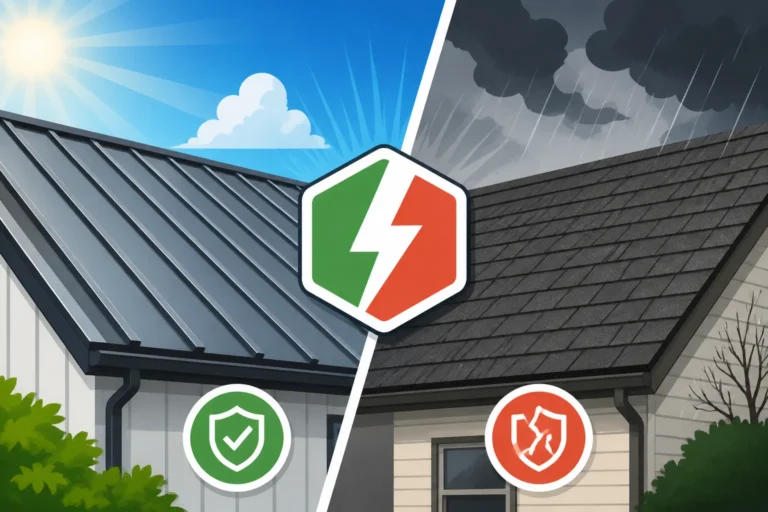
Let's be real, metal roofs aren't the cheapest upfront investment. You're likely looking at a higher initial cost compared to a traditional asphalt shingle roof. However, it’s essential to look beyond the immediate price tag and consider the long-term value, especially in a state like Texas where roofs face such severe punishment.
Initial Investment vs. Lifespan and ROI
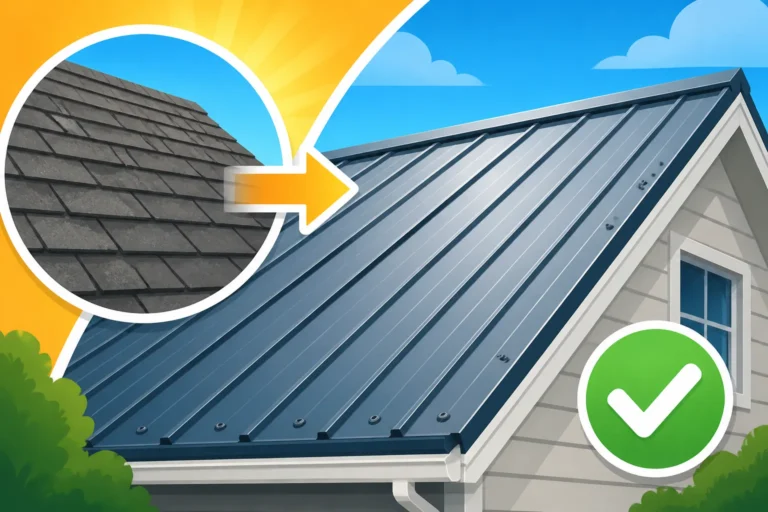
While a new metal roof might cost you anywhere from $10 to $20+ per square foot installed, compared to $4-$8 for asphalt, the lifespan is dramatically different. An asphalt roof might last 15-30 years in Texas, often requiring replacement sooner due to hail or wind damage. A quality metal roof, on the other hand, can easily last 40-70 years. This means you could install one metal roof and never have to replace it again, whereas you might go through two or three asphalt roofs in the same timeframe. This long-term value significantly shifts the return on investment. If you're pondering the overall value, our article Is a Metal Roof Worth It? ROI, Resale & Payback offers some excellent insights.
| Factor | Asphalt Shingles (Average) | Metal Roof (Average) | Benefit in Texas |
|---|---|---|---|
| Lifespan | 15-30 years | 40-70 years | Fewer replacements, less disruption, long-term peace of mind against harsh weather. |
| Hail Resistance | Moderate to Poor | Excellent (Class 4 available) | Significant protection against common Texas hail, potential insurance savings. |
| Wind Resistance | Moderate | Excellent | Withstands severe thunderstorms and hurricane-force winds. |
| Heat Reflection | Poor (absorbs heat) | Excellent (reflects heat) | Lower cooling costs, cooler attic, increased comfort during brutal Texas summers. |
| Maintenance | Moderate (granular loss, curling) | Low (inspections, occasional cleaning) | Less frequent professional intervention, especially for hidden fastener systems. |
| Insurance Premiums | Standard | Often Lower | Discounts possible due to superior impact and wind ratings. See Metal Roof Insurance Savings & Discounts. |
Potential Insurance Savings
Many homeowners insurance companies offer discounts for Class 4 Impact Resistant roofs, which many metal roofing systems (especially stone-coated steel and thicker gauge standing seam) qualify for. Given the prevalence of hail in Texas, these savings can be substantial over the life of your policy. Always check with your insurance provider to see what discounts might apply.
Energy Efficiency Benefits
The reflective properties of modern metal roofs, particularly those with "cool roof" coatings, can lead to significant energy savings. By reducing the amount of heat absorbed by your roof, your air conditioner won't have to work as hard, especially during those scorching summer months. Over decades, these savings can add up to thousands of dollars, further offsetting the initial cost.
Resale Value
While harder to quantify, a durable, aesthetically pleasing metal roof can absolutely add to your home's resale value, especially in Texas. Buyers are increasingly aware of the need for robust roofing and will appreciate an upgrade that offers longevity, lower energy bills, and peace of mind against severe weather.
Finding the Right Metal Roofing Contractor in Texas
Even the best metal roof material won't perform as expected if it's not installed correctly. This is where finding a reputable, experienced contractor is paramount. In a state with as many roofers as Texas, it can feel like a minefield trying to choose.
Look for Metal Roofing Specialists
Don't just hire any roofer. Look for contractors who specialize in metal roofing, particularly the type you're interested in (e.g., standing seam specialists). Metal roof installation requires different tools, techniques, and expertise than asphalt shingles. A true specialist will understand the nuances of thermal expansion, proper fastening, and flashing details that are critical for a leak-free, long-lasting metal roof. Many homeowners rely on services like Modernize to connect with pre-vetted local metal roofing professionals who understand the unique needs of Texas properties.
Verify Credentials and Experience
- Licensing and Insurance: Ensure they are properly licensed (though Texas has no statewide licensing, many cities and counties do) and carry comprehensive liability insurance and workers' compensation. This protects you from financial responsibility if there are accidents on your property. Our article on How to Hire a Metal Roofing Contractor offers crucial details.
- Manufacturer Certifications: Ask if they are certified by leading metal roofing manufacturers. These certifications often mean the installers have undergone specialized training and can offer enhanced manufacturer warranties on materials and workmanship.
- Local References and Portfolio: Ask for references from past metal roofing jobs in your area. A reputable contractor will be proud to show off their work.
Get Multiple Detailed Quotes
Always get at least three quotes from different contractors. Ensure each quote is detailed, breaking down material costs, labor, underlayment, flashing, and any tear-off or disposal fees. Compare them apples-to-apples, and be wary of quotes that are significantly lower than others, as this can be a red flag for cutting corners. You can learn how to read and compare these effectively by reading How to Read and Compare Metal Roof Quotes.
In conclusion, for Texas homeowners facing a gauntlet of intense heat, brutal hail, and high winds, a metal roof is not just a luxury; it's a wise investment in long-term protection and peace of mind. While the upfront cost is higher than traditional shingles, the superior durability, energy efficiency, and extended lifespan of options like standing seam, stone-coated steel, aluminum, and Galvalume steel make them the best choices for standing strong against the unpredictable Texas weather. Remember to prioritize quality materials, especially advanced coatings and appropriate gauge, and always partner with a specialized, reputable metal roofing contractor for installation.
Disclaimer
The information provided in this guide is for general informational purposes only and does not constitute professional advice. Roofing material costs and installation practices can vary significantly based on location, specific material choices, contractor rates, and the complexity of your roof. Always consult with a qualified local metal roofing contractor and your insurance provider for personalized advice and accurate estimates for your specific project.