What Is the Quietest Metal Roof?
One of the biggest worries I hear from folks considering a metal roof is the fear of noise. You’ve probably pictured it: heavy rain drumming like a marching band on your roof, or hail sounding like a thousand tiny hammers. It's a completely valid concern, rooted in memories of old tin barns or sheds. But let me tell you, modern residential metal roofs are a completely different animal. This guide is here to shed light on exactly what makes a metal roof quiet, and how you can ensure your new metal roof provides the peace and quiet you deserve, even in a downpour.
Dispelling the Myth of the Noisy Metal Roof
Let's get this out of the way right upfront: the perception that all metal roofs are inherently loud is largely outdated. That image of rain deafening you inside a metal-roofed building comes from specific scenarios, usually agricultural buildings or older structures with minimal to no insulation or solid decking underneath. Your home is not a barn, and a properly installed metal roof on a residential structure is designed for comfort and durability.
Why the Misconception Persists
Historically, simple corrugated metal panels were often installed directly onto purlins (horizontal framing) with nothing but air between the metal and the interior space. When rain, hail, or even strong winds hit these panels, there was nothing to absorb or dampen the sound, allowing it to resonate loudly. This created a very direct and often startling acoustic experience. For agricultural buildings or workshops, this wasn't a primary concern, but for a home, it's a deal-breaker.
Modern metal roofing for homes takes a completely different approach. Manufacturers understand that homeowners value peace and quiet as much as they value longevity and energy efficiency. They've developed sophisticated systems that, when installed correctly, can be remarkably quiet. In fact, many homeowners report that their metal roof is no louder, and sometimes even quieter, than their previous asphalt shingle roof. It all comes down to the details of materials and installation.
Modern Engineering for Acoustic Performance
Today's residential metal roofing systems integrate several layers and design choices specifically aimed at sound dampening. We're talking about solid roof decks, advanced underlayments, and substantial insulation. These elements work in concert to create a robust barrier that not only protects your home from the elements but also effectively mutes external noise. Think of it less as a drum and more like a well-insulated shield. The kind of noise you might hear, if any, is often more of a gentle patter or white noise, not the jarring racket you might be imagining.
Key Factors That Influence Metal Roof Quietness
When you’re looking for the quietest metal roof, it's not just about the metal itself. Several factors play a crucial role in how well your roof will dampen sound. Understanding these will empower you to make informed decisions about your investment.
The Role of the Roof Deck and Substrate
One of the most significant factors in a quiet metal roof is what lies directly beneath the metal panels: the roof deck. For residential applications, metal roofs are almost always installed over a solid substrate, typically plywood or OSB sheathing. This solid decking provides a robust base that fundamentally changes how sound travels.
Imagine tapping a piece of metal held in the air versus tapping the same piece of metal laid flat on a solid table. The latter will produce a much duller, less resonant sound. The solid roof deck acts like that table, absorbing much of the vibration and preventing the metal panels from acting like a drumhead. If you're considering a new roof, ensure your existing deck is sound, or plan for a new one. This is a non-negotiable component for optimal sound performance.
The Magic of Underlayment
Between the metal panels and the solid roof deck, there's another unsung hero: the underlayment. While its primary job is to provide an additional layer of moisture protection, especially important for preventing leaks, it also serves as a critical sound dampener.
There are various types of underlayment, from traditional felt paper to advanced synthetic options and even peel-and-stick ice and water shields. Thicker, more substantial underlayments, particularly those with rubberized asphalt or synthetic polymers, can add an extra layer of acoustic absorption. They create a buffer that further isolates the metal from the deck, reducing vibrations and general noise transmission. For a truly quiet roof, investing in a high-quality, dense underlayment, like the types discussed in our guide on Metal Roof Underlayment and Ventilation Guide, can make a noticeable difference.
Insulation: The Ultimate Sound Barrier
This is perhaps the biggest player in the sound game. Proper insulation in your attic or directly beneath your roof deck is incredibly effective at absorbing sound, whether it's from rain, hail, wind, or even exterior neighborhood noise. Without adequate insulation, any sound that does get past the metal panels, underlayment, and decking will have a clear path into your living space.
Consider a multi-faceted approach to insulation:
- Attic Insulation: Standard batt insulation (fiberglass or mineral wool) or blown-in cellulose/fiberglass in your attic provides a thick thermal and acoustic barrier. The more insulation you have, the better it will be at absorbing sound waves before they reach your ceiling.
- Spray Foam Insulation: Applied directly to the underside of the roof deck, spray foam creates a seamless, airtight seal that excels at both thermal insulation and sound dampening. It fills every void, eliminating air gaps that can transmit sound. It's often considered one of the most effective solutions for a quiet and energy-efficient metal roof.
- Rigid Foam Boards: These can be installed between the rafters or even as a layer above the roof deck (though less common in residential applications, it's possible). They offer excellent R-value and contribute to sound attenuation.
A well-insulated attic space is paramount for a quiet home, regardless of your roofing material. This is where most of the outside noise gets stopped in its tracks.
Panel Profile and Fastening Methods
The design of the metal panels themselves and how they are attached also play a role.
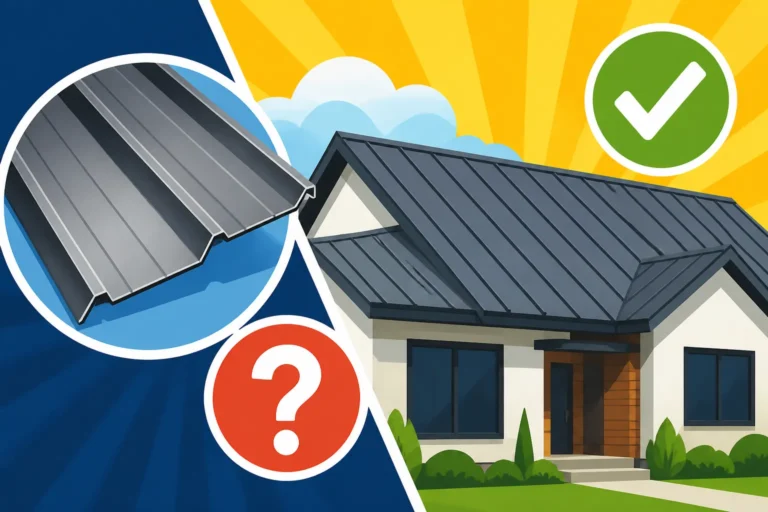
- Standing Seam Metal Roofs: These are generally considered among the quietest options. Why? Because they use concealed fasteners. The panels lock together or are mechanically seamed, with clips that attach to the roof deck under the panels. This means no exposed screws to allow for vibration or moisture ingress. The system creates a continuous, rigid surface that is less prone to fluttering or rattling, especially in windy conditions. Many experts, including those on Modernize, suggest that standing seam roofs inherently offer better sound performance. You can learn more about What Is a Standing Seam Metal Roof? and its benefits.
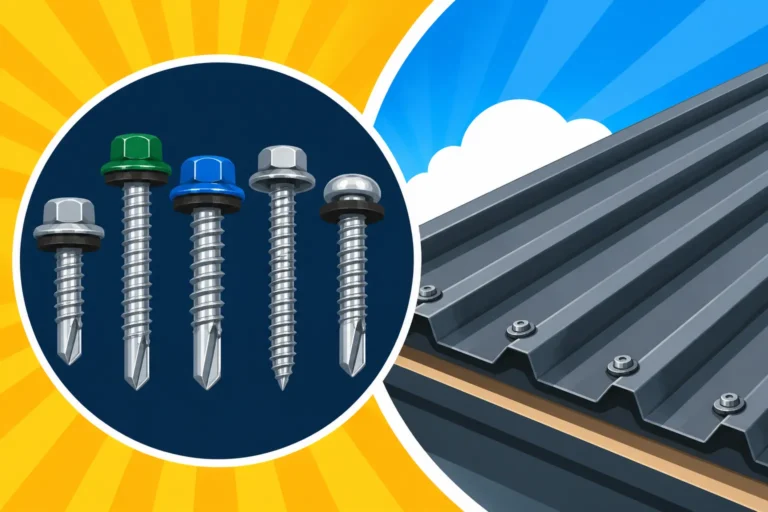
- Exposed Fastener Systems (e.g., Corrugated, R-Panel): These panels are secured directly to the roof deck or purlins using screws with neoprene washers. While highly durable and cost-effective, the direct fastening can potentially allow for more sound transmission than a concealed fastener system if not installed meticulously with proper sealing and tension. However, with good decking, underlayment, and insulation, even these profiles can be very quiet. The key is proper installation, ensuring screws are tightened correctly and washers are intact.
- Stone-Coated Steel Roofs: These are often indistinguishable from traditional shingles, shakes, or tiles, but they're made of steel and coated with stone granules. This granular surface adds mass and texture, which acts as an excellent sound dampener. The stone chips absorb impact from rain and hail, preventing the metallic drumming sound that people often associate with metal roofs. A Stone-Coated Steel Roof Cost guide can help you understand the investment for this quiet and aesthetic option.
Gauge of the Metal
The gauge refers to the thickness of the metal. In metal roofing, a lower gauge number means thicker metal (e.g., 24-gauge is thicker than 26-gauge). Thicker metal panels are generally more rigid and less prone to vibration. This increased mass can slightly improve sound dampening characteristics. While the difference might be subtle compared to insulation or decking, choosing a thicker gauge, such as 24-gauge steel, can contribute to a more solid and therefore quieter roof. We delve into this in more detail in our article, Metal Roof Gauges Explained: 22, 24, 26 & 29.
The Quieter Metal Roof Options: Materials and Profiles
Now that we understand the influencing factors, let's talk about specific metal roof types that homeowners often find to be the quietest.
Standing Seam Metal Roofs: The Unsung Acoustic Heroes
When it comes to minimizing noise, standing seam metal roofs are frequently at the top of the list. Their design is inherently superior for sound control.
- Concealed Fasteners: As mentioned, the absence of exposed fasteners means no weak points for vibration transmission and a cleaner, more streamlined surface. This significantly reduces the chances of rattling or drumming.
- Continuous Panels: Standing seam panels often run from the eave to the ridge in one continuous piece, minimizing seams and potential points of movement. This creates a highly stable system that resists noise-inducing flexing.
- Thermal Movement Accommodation: Quality standing seam systems are designed to allow for the natural expansion and contraction of metal panels with temperature changes, often through floating clips. This prevents stress buildup that could lead to buckling or popping sounds.
Many homeowners who upgrade to a standing seam roof report being pleasantly surprised by how quiet it is, even during heavy rain. The sound is often described as a gentle "shushing" or a soft patter, rather than a loud clang. If you're comparing Standing Seam vs Corrugated Metal Roof, the acoustic benefits of standing seam are definitely a point in its favor for residential applications.
Stone-Coated Steel Roofs: Built-in Sound Absorption
If your primary concern is rain and hail noise, stone-coated steel is arguably the quietest metal roofing option available.
- Granular Surface: The layer of stone granules bonded to the steel panel acts like a built-in sound deadener. These granules absorb the impact of raindrops and hail, effectively preventing the metal from ringing. The effect is similar to how asphalt shingles dampen sound, but with the added durability and longevity of steel.
- Rigid Installation: Stone-coated steel panels are typically smaller and installed over a solid substrate, often creating a very rigid, interlocking system. This further minimizes movement and potential noise.
- Aesthetic Appeal: Beyond sound, these roofs mimic the look of traditional materials like tile, shake, or slate, offering a versatile aesthetic without sacrificing performance. Companies like DECRA and Boral offer a wide range of styles that are known for their sound-dampening qualities.
For homeowners in areas prone to heavy rain or hail, or those simply very sensitive to noise, stone-coated steel provides an excellent solution that merges the benefits of metal with superior acoustic properties.
Aluminum, Copper, and Zinc Roofing: Material Matters
While the profile (like standing seam) is a major factor, the base metal itself can also play a minor role.
- Aluminum: Being a lighter metal, some might assume aluminum would be noisier. However, when installed as a standing seam system with proper decking and insulation, aluminum roofs are very quiet. Aluminum is naturally resistant to rust and corrosion, making it a great choice for coastal areas, as outlined in our Metal Roofing Materials Compared: Steel, Aluminum, Copper & Zinc article.
- Copper and Zinc: These premium metals are dense and robust, contributing to a solid, low-vibration roofing system. Their inherent mass means they are less prone to transmitting sound waves. Of course, their cost is significantly higher, but their longevity and unique aesthetic, combined with excellent acoustic performance, make them top-tier choices.
Ultimately, regardless of the metal material, the installation system (especially the use of concealed fasteners) and the underlying components (decking, underlayment, insulation) will be the dominant factors in determining overall quietness.
Strategies for Maximizing a Quiet Metal Roof
Beyond choosing the right materials, the installation process and specific design choices are paramount to achieving a truly quiet metal roof. Don't leave these details to chance!
Prioritize Excellent Underlayment
Don't skimp on underlayment. While basic felt paper will do the job for moisture protection, upgrading to a high-quality synthetic or, even better, a self-adhering modified bitumen underlayment, can make a significant difference in sound dampening. These thicker, denser materials provide an additional layer of mass and absorption between the metal and the roof deck. They also create a smoother, more consistent surface for the metal panels, which can reduce any subtle creaking or popping sounds from slight imperfections in the decking.
Think of it as adding an extra sound-absorbing layer to your roof assembly. For roofs installed over existing shingles, the underlying shingles themselves can act as an additional sound barrier, further quieting the new metal roof, as explored in our guide on Cost to Put a Metal Roof Over Existing Shingles.
Invest in Superior Insulation
As discussed, insulation is your best friend for sound control. If you have an uninsulated or poorly insulated attic, upgrading it should be a top priority alongside your new roof.
- Closed-Cell Spray Foam: This is often considered the gold standard for both thermal performance and sound dampening. Applied directly to the underside of the roof deck, it creates an impenetrable barrier that significantly reduces both heat transfer and sound transmission. It also adds structural rigidity, which can further stabilize the roof assembly.
- Dense-Pack Cellulose or Fiberglass Batts: For traditional attic spaces, increasing the R-value with more insulation will dramatically improve acoustic performance. Ensure it's installed correctly, with no gaps or compressed areas, for maximum effect.
A well-insulated ceiling provides the final, most important barrier against any remaining noise. It's a dual investment in comfort and energy efficiency.
Opt for Professional Installation
This might seem obvious, but proper installation is critical for a quiet metal roof. An experienced metal roofing contractor understands how to:
- Secure Panels Correctly: Panels that are too loose can rattle, while panels that are too tight can create stress and cause popping noises as they expand and contract. A skilled installer knows the right balance.
- Ensure Proper Underlayment Application: Lumps or unevenness in the underlayment can lead to panel irregularities and potential noise.
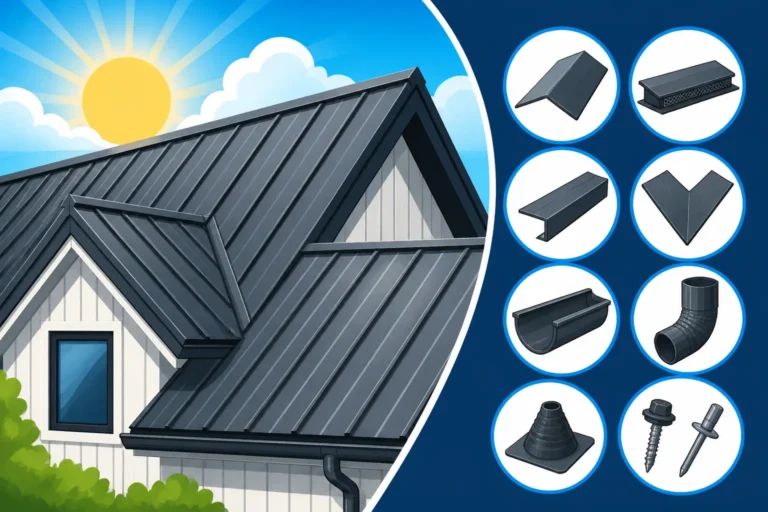
- Address Flashing and Trim: All flashing, trim, and accessories need to be securely fastened and sealed to prevent rattling in windy conditions.
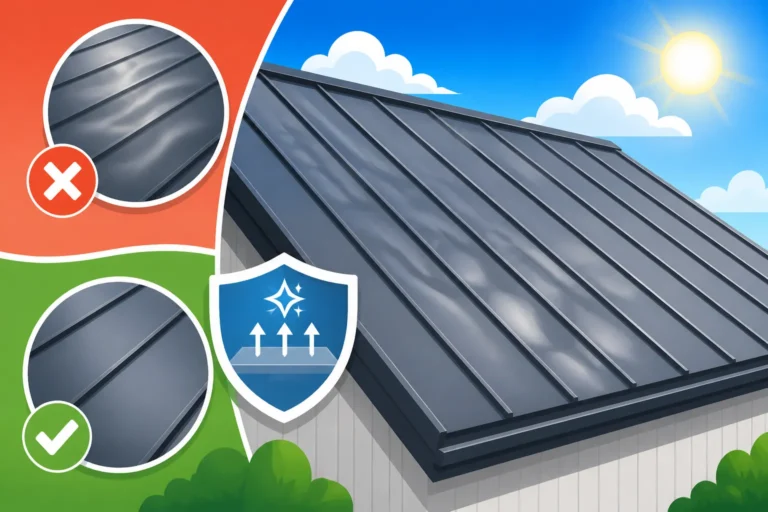
- Utilize Expansion Gaps: Metal expands and contracts significantly with temperature changes. A professional will incorporate appropriate expansion gaps and clips to prevent buckling or "oil canning" that can cause noise.
Working with a reputable contractor, perhaps one found through services like Modernize, ensures that all these critical details are handled correctly, leading to a quieter, more durable roof. Questions to ask before signing a contract can be found in our guide on Questions to Ask a Metal Roofing Contractor Before You Hire.
Consider Roof Pitch
While less of a control factor and more of an inherent characteristic, the pitch of your roof can subtly influence noise. Steeper pitches tend to shed water and debris faster, potentially reducing the duration of impact noises during rain. However, the effect is often minimal compared to the other factors listed above. The primary concern with pitch for metal roofs is usually about drainage and aesthetics rather than acoustics.
Acoustic Underlayment or Dampening Pads
For those seeking the absolute maximum quietness, specialized acoustic underlayment products are available, often incorporating rubberized compounds or extra density specifically designed to absorb sound. While these might add to your metal roof cost, they can provide an extra layer of peace of mind. Some contractors might also recommend applying self-adhering sound dampening pads directly to the underside of the metal panels before installation, similar to those used in automotive applications. This is an advanced technique but can be highly effective.
Metal Roof Noise Comparison Table
To give you a quick overview, here's a general comparison of common metal roof types and their relative noise characteristics, assuming proper decking, underlayment, and insulation are in place.
| Metal Roof Type | Primary Noise Factor | Relative Quietness (1-5, 5 being quietest) | Key Damping Features |
|---|---|---|---|
| Stone-Coated Steel | Rain, Hail | 5 | Granular surface absorbs impact, heavy panels |
| Standing Seam | Rain, Wind | 4-5 | Concealed fasteners, rigid panels, solid deck mount |
| Metal Shingles/Tiles | Rain, Hail | 4 | Smaller, overlapping panels, solid substrate |
| Aluminum (Panels) | Rain, Wind | 3-4 | Lighter material, but concealed fasteners for SS |
| Corrugated/R-Panel | Rain, Hail, Wind | 3 | Exposed fasteners, direct contact with decking |
| Copper/Zinc (SS) | Rain, Wind | 4-5 | High material density, concealed fasteners |
Note: This table assumes a modern residential installation with proper decking, underlayment, and attic insulation. Without these elements, even the "quietest" options can be loud.
The good news is that with careful planning and the right contractor, you absolutely can have a beautiful, durable, and quiet metal roof. Don't let old myths deter you from considering this fantastic roofing option!
Disclaimer
This article provides general information about metal roofing. Specific recommendations for your home should always come from a qualified, licensed, and insured metal roofing professional. Building codes, material availability, and installation techniques can vary by location and contractor. Always obtain multiple quotes and verify contractor credentials before starting any roofing project.