Metal Roof Insurance Discount in Florida
Living in Florida, you know the unique anxieties that come with homeownership, especially when it comes to keeping a roof over your head. Between hurricane season, soaring repair costs, and climbing insurance premiums, it often feels like you're constantly bracing for the next storm, both literal and financial. If you're considering a metal roof, you're likely wondering if this significant investment can actually help ease the burden of those steep homeowners insurance rates. This guide will walk you through everything you need to know about securing those elusive metal roof insurance discounts right here in the Sunshine State.
Why Florida Homeowners Face Unique Insurance Challenges
It's no secret that Florida is a beautiful place to live, but it comes with its own set of challenges, particularly when it comes to protecting your home. The state's vulnerability to extreme weather events, primarily hurricanes and tropical storms, drives up insurance costs significantly compared to other parts of the country. Homeowners often feel like they're in a never-ending battle to find affordable coverage that truly protects their most valuable asset.
The High Cost of Homeowners Insurance in the Sunshine State
The past few years have seen homeowners insurance premiums in Florida skyrocket. We're talking about increases that make you wince every time you open your renewal notice. This isn't just due to the sheer number of storms; it's also influenced by rising repair costs, litigation, and the overall risk assessment insurance companies make for properties in hurricane-prone areas. Many insurers have pulled out of the state or drastically limited their coverage, leaving homeowners with fewer options and higher prices. It’s a frustrating situation that can make you feel trapped, especially if your existing roof is aging and prone to damage.
When your roof takes a beating from a severe storm, the costs to repair or replace it can be astronomical. For traditional asphalt shingles, even a moderate hail storm can cause enough damage to warrant a full replacement, leading to claims that further strain the insurance market. This continuous cycle of damage and claims makes insurers particularly wary of older, less resilient roofing materials.
How Metal Roofs Offer Enhanced Protection Against Florida's Elements
This is where metal roofs truly shine, especially in a state like Florida. Unlike asphalt shingles that can be easily torn off by high winds or degraded by intense UV rays, metal roofs are engineered for durability. They are highly resistant to hurricane-force winds, often rated to withstand sustained winds well over 100 mph, and some even up to 180 mph or more, making them ideal for coastal areas. This superior performance isn't just a marketing claim; it's backed by rigorous testing and real-world results.
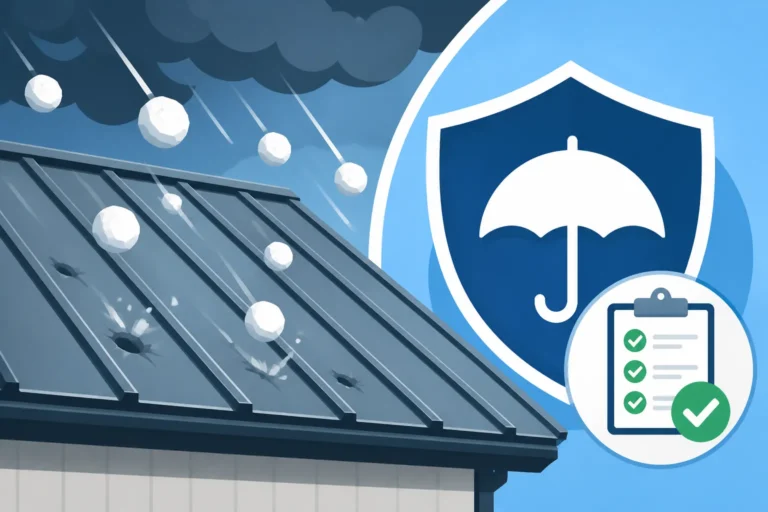
Beyond wind resistance, metal roofs offer excellent protection against hail, which can cause significant cosmetic and structural damage to less robust materials. Their non-combustible nature also provides a crucial advantage in the event of a lightning strike or nearby brush fire, offering an additional layer of safety. Furthermore, the reflective properties of many metal roofing finishes can help deflect the sun's harsh rays, reducing heat absorption and potentially lowering your home's cooling costs during our long, hot summers. This combination of strength and efficiency makes a compelling case for why insurance companies view them favorably.
Understanding Wind Mitigation and Its Impact on Premiums
One of the biggest opportunities for saving on your homeowners insurance in Florida comes from what's known as "wind mitigation." This isn't just a buzzword; it's a specific set of construction features and improvements that make your home more resistant to wind damage, and insurance companies are often mandated to offer discounts for these features. When you invest in a metal roof, you're directly addressing one of the most critical aspects of wind mitigation: the roof's ability to stay put in a storm.
What is a Wind Mitigation Inspection?
A wind mitigation inspection is a specialized home inspection conducted by a licensed inspector (like a general contractor, building contractor, architect, or engineer) to assess your home's ability to withstand strong winds. This inspection looks at several key components, including your roof's age, its shape, how it's attached to the walls, and the type of roofing material used. The inspector will fill out a Uniform Mitigation Verification Inspection Form (Form OIR-B1-1802) which then gets submitted to your insurance company. This form details the various wind-resistive features of your home, and each feature can earn you credits or discounts on your windstorm portion of your premium.
For many Florida homeowners, this inspection is a game-changer. It's often one of the most effective ways to lower your insurance premiums, especially if your home has been updated with stronger components. Without this official documentation, your insurance company won't know about your home's improved resilience, and you'll miss out on potential savings. It's truly a small investment that can yield significant long-term returns. If you're curious about the process, learning How to Get a Wind Mitigation Inspection is a great next step.
Key Metal Roof Features That Earn Discounts
When it comes to metal roofs, several specific characteristics contribute to those coveted wind mitigation discounts. It's not just "having a metal roof" that counts, but rather the type of metal roof and how it's installed.
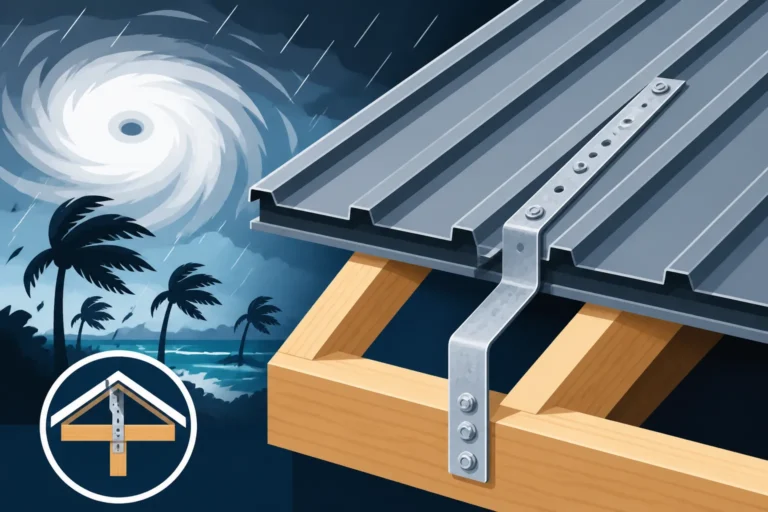
- Roof-to-Wall Attachment: This is crucial. Metal roofs are often installed with strong fasteners that anchor the roof system directly to the walls, significantly improving its resistance to uplift during high winds. The specific type and spacing of these fasteners will be noted by the inspector.
- Roof Deck Attachment: The inspector will also look at how your roof decking (the plywood or OSB sheets) is attached to the trusses or rafters. If your metal roof installation involved reinforcing the deck attachment with stronger nails or screws, this could qualify for additional discounts.
- Secondary Water Resistance (SWR): Many metal roof installations include a secondary water barrier, like an ice and water shield or a synthetic underlayment, directly applied to the roof deck. This acts as a backup defense, preventing water intrusion even if the primary metal panels are damaged or removed in extreme conditions. This is a huge factor for Florida homes. You can read more about Metal Roof Underlayment and Ventilation Guide to understand its importance.
- Impact Resistance: While not strictly part of wind mitigation, some metal roofing systems are Class 4 impact-rated, meaning they can withstand significant hail impacts. While hail isn't as prevalent as hurricanes in South Florida, it still happens, and having a Class 4 roof can sometimes lead to additional premium credits, even if not directly tied to wind mitigation.
- Product Approvals: In Florida, especially in areas like Miami-Dade and Broward counties (High-Velocity Hurricane Zones or HVHZ), roofing materials must have specific product approvals. These approvals, such as Miami-Dade NOA (Notice of Acceptance) or Florida Product Approval, indicate that the material has been rigorously tested to meet stringent hurricane resistance standards. Choosing a metal roof with these certifications is essential for compliance and discount eligibility. This directly relates to Florida Metal Roof Codes: FBC, HVHZ & Approvals.
Here's a simplified look at how some features might be assessed for discounts:
| Wind Mitigation Feature | Description | Potential Impact on Discount |
|---|---|---|
| Roof Covering Type | Metal roof (specifically those rated for high winds) | High |
| Roof Deck Attachment | Nails/screws used to secure decking (e.g., 8d nails @ 6" vs. 12" spacing) | Moderate to High |
| Roof-to-Wall Attachment | Clips, straps, or fasteners connecting roof trusses to walls (e.g., single vs. double wraps) | High |
| Secondary Water Resistance | Self-adhering modified bitumen or other approved membrane directly to deck | Moderate to High |
| Roof Geometry | Hip roofs (sloping on all sides) generally perform better than gable roofs | Moderate |
| Opening Protection | Shutters or impact-resistant windows on all openings (windows, doors, skylights) | High |
It's vital to ensure your chosen metal roofing system and its installation comply with local building codes and specifically meet the requirements for enhanced wind resistance. Your installer should be well-versed in these standards and be able to provide documentation for the materials used. This plays a significant role in What Wind Rating Do You Need in Florida.
Navigating Insurance Companies and Available Discounts
So, you've got your metal roof installed or you're planning to, and you're ready to reap the insurance benefits. The next step is understanding how to interact with your insurance provider to actually get those discounts applied. It's not always as straightforward as simply telling them you have a new roof, but with the right information and a little persistence, you can definitely see your premiums decrease.
Specific Discounts for Metal Roofs in Florida
Insurance companies in Florida are generally required by law to offer discounts for specific wind-resistive features. While the exact percentage can vary between carriers and policies, a metal roof is almost always a strong contender for significant savings. These aren't just minor adjustments; they can lead to substantial reductions in the windstorm portion of your premium, which is often the most expensive part of your policy in Florida.
The primary discount you'll see relates to wind mitigation. Because metal roofs are incredibly durable against high winds, they inherently improve your home's wind resistance profile. This can often translate into a credit for your roof covering, and if the installation included enhanced deck attachment or a secondary water barrier, those features will contribute further. Some policies might also offer specific "superior roofing material" discounts, recognizing the longevity and resilience of metal compared to conventional shingles. It’s not uncommon to see annual savings of 10% to 30% or even more on the wind portion of your premium, depending on your home's other mitigating factors and the specific insurer. This is why many people ask, How Much Can a Metal Roof Lower Your Insurance.
How to Apply for and Maximize Your Metal Roof Discount
Applying for your discount involves a few key steps. First, and most importantly, you'll need that official wind mitigation inspection report (Form OIR-B1-1802). Make sure your roofing contractor understands the importance of this inspection and can provide you with all necessary documentation, such as proof of materials used, product approval numbers, and details on the installation method (e.g., fastener type and spacing for roof deck attachment). They should be familiar with Do Metal Roofs Meet Florida Building Code requirements.
Once the roof is installed and the inspection is complete, submit the wind mitigation report to your insurance agent. They will then process it and apply any eligible discounts to your policy. It’s a good idea to follow up and ensure the discounts have been applied correctly and to review your updated policy declarations page. Don't be afraid to ask questions about how the discounts were calculated and if there are any other features of your home that could qualify for additional savings, such as impact-resistant windows or hurricane shutters. Sometimes it might feel like pulling teeth, but it's your money, and you deserve to get every discount you're entitled to.
You should also periodically re-evaluate your insurance policy, especially if you've made other home improvements. Sometimes, companies introduce new discount programs, or your home's risk profile might have changed. Don't just settle for the status quo. If your current insurer isn't offering competitive rates, it might be time to shop around. A metal roof can make your home much more attractive to other carriers, potentially opening doors to even greater savings. This is why understanding Metal Roof Insurance Savings & Discounts is so important.
Long-Term Financial Benefits Beyond the Initial Discount
While the immediate insurance discount is a fantastic perk of installing a metal roof in Florida, it’s really just the tip of the iceberg when it comes to long-term financial advantages. A metal roof is a significant upfront investment, but its value compounds over time, offering benefits that go far beyond a reduced premium.
Increased Home Value and Lifespan
One of the most compelling long-term benefits is the substantial increase in your home's value and its marketability. A metal roof is often seen as a premium upgrade by potential buyers, especially in Florida where roof resilience is a major concern. Buyers are increasingly aware of the long-term cost of homeownership, and a roof that can last 40-70 years, resist severe weather, and potentially lower insurance premiums is a huge selling point. While the exact ROI can vary, many homeowners report recouping a significant portion of their investment, and sometimes even more, when they sell their homes. This is a critical factor when considering Is a Metal Roof Worth It? ROI, Resale & Payback.
Beyond resale value, the sheer lifespan of a metal roof means you likely won't have to worry about roof replacement again in your lifetime. Contrast this with asphalt shingles, which typically last 15-30 years in Florida's harsh climate. The cost of replacing an asphalt shingle roof multiple times over a 50-year period often surpasses the initial investment of a single metal roof. This long-term durability means fewer headaches, fewer unexpected expenses, and more peace of mind for decades to come.
Energy Efficiency and Reduced Maintenance
Florida summers are brutal, and air conditioning bills can eat a significant chunk out of your budget. Many metal roofs, particularly those with lighter colors or specialized coatings like Kynar 500 or PVDF, are designed to reflect a high percentage of solar radiation. This reflective property keeps your attic and, consequently, your entire home cooler, which can lead to a noticeable reduction in your energy consumption for cooling. While you might not track these savings weekly, they add up significantly over months and years, contributing to a lower overall cost of living. You're essentially getting a cooler home and a smaller utility bill.
Furthermore, metal roofs require considerably less maintenance than traditional roofing materials. They resist moss and algae growth, don't crack or warp, and are generally impervious to pests and rot. While occasional inspections are still a good idea, you won't be dealing with loose shingles after every strong gust of wind or worrying about granule loss and degradation from the sun. This reduction in ongoing maintenance and potential repair costs further enhances the long-term financial benefits, allowing you to allocate those savings to other areas of your home or simply enjoy them. It's a testament to the robust nature of materials that can withstand Florida's unique climate challenges.
Disclaimer
This article is for general informational purposes only and does not constitute professional advice. Laws, prices and regulations vary by location and change over time. Consult a qualified professional for guidance on your specific situation.