Metal Roof Fasteners and Washers Explained
It’s incredibly frustrating when you invest in a beautiful, durable metal roof, only to discover pesky leaks or loose panels down the line. Often, the culprit isn't the metal itself, but the tiny, seemingly insignificant components holding it all together: the fasteners and washers. This comprehensive guide will pull back the curtain on these critical, yet often overlooked, elements, explaining their purpose, types, and how choosing and installing them correctly is paramount to your metal roof's long-term integrity and performance.
The Undeniable Importance of Metal Roof Fasteners and Washers
When you picture a metal roof, you likely think of strong, sleek panels. But what truly holds those panels firmly against the ravages of weather, from relentless sun to driving rain and howling winds? It’s the fasteners and their accompanying washers. These small components bear the brunt of securing your entire roofing system. Ignoring their importance is like building a house on a shaky foundation – it might look good initially, but it’s destined for trouble. Many homeowners are surprised to learn that a significant percentage of metal roof failures and leaks don't stem from the panels themselves, but from compromised fasteners.
Beyond Just Holding Things Down: The Role of Fasteners
Fasteners do far more than just keep your metal panels from blowing away. They are engineered to create a secure, long-lasting connection between your roofing material and the underlying structure, whether that’s purlins, battens, or solid decking. The specific design of a fastener considers the expansion and contraction of metal panels due to temperature changes, a phenomenon that can put immense stress on attachment points. A poorly chosen or incorrectly installed fastener can lead to a host of problems, from panels becoming loose and flapping in the wind to water infiltration at every single screw hole. Think of it as the silent workhorse – you don't notice it until it stops working, and then it's all you can notice.
The Unsung Heroes: Washers and Their Sealing Power
If fasteners are the workhorses, washers are the unsung heroes of a metal roofing system. Their primary job is to create a watertight seal around the fastener shank, preventing moisture from seeping into the roof deck. Without a proper washer, every single fastener penetration would be a potential leak point. Beyond sealing, washers also distribute the load of the fastener over a wider area of the metal panel, reducing stress concentration and preventing dimpling or damage to the panel itself. They act as a flexible barrier, accommodating the natural movement of the metal as it heats up and cools down, which helps maintain the seal over years of extreme weather cycles. It’s a delicate balance; too much compression can damage the washer, too little and the seal is compromised.
Diving Deep into Metal Roof Fastener Types
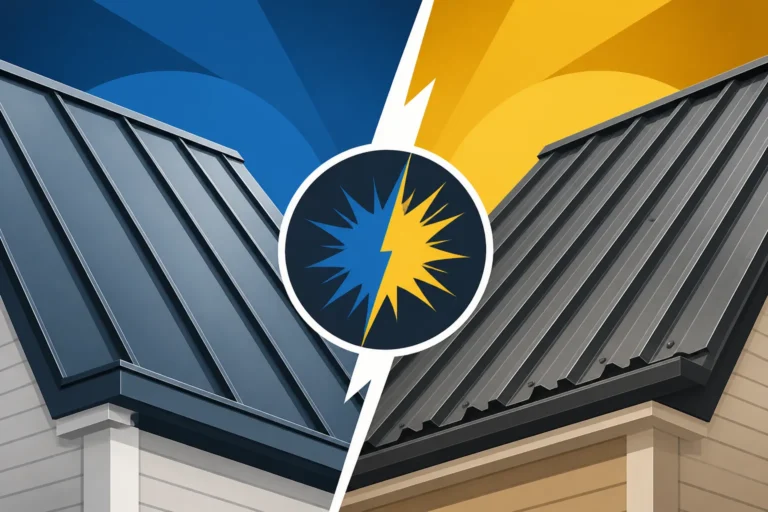
Not all fasteners are created equal, and understanding the different types is key to appreciating their role in a robust metal roofing system. The choice of fastener often depends on the type of metal roof profile (e.g., standing seam, corrugated, R-panel) and whether the fasteners will be visible or hidden. This choice significantly impacts both the aesthetics and the performance of your roof.
Exposed Fastener Systems: The Workhorse of Many Roofs
Exposed fastener systems are what many people typically envision when they think of metal roofs, particularly on agricultural buildings, barns, or more utilitarian residential applications. These systems feature panels that are directly screwed down through their face into the roof deck or purlins, with the fastener heads remaining visible. While often more economical to install, the quality and type of these fasteners are paramount because each one is a potential entry point for water if not properly sealed and maintained.
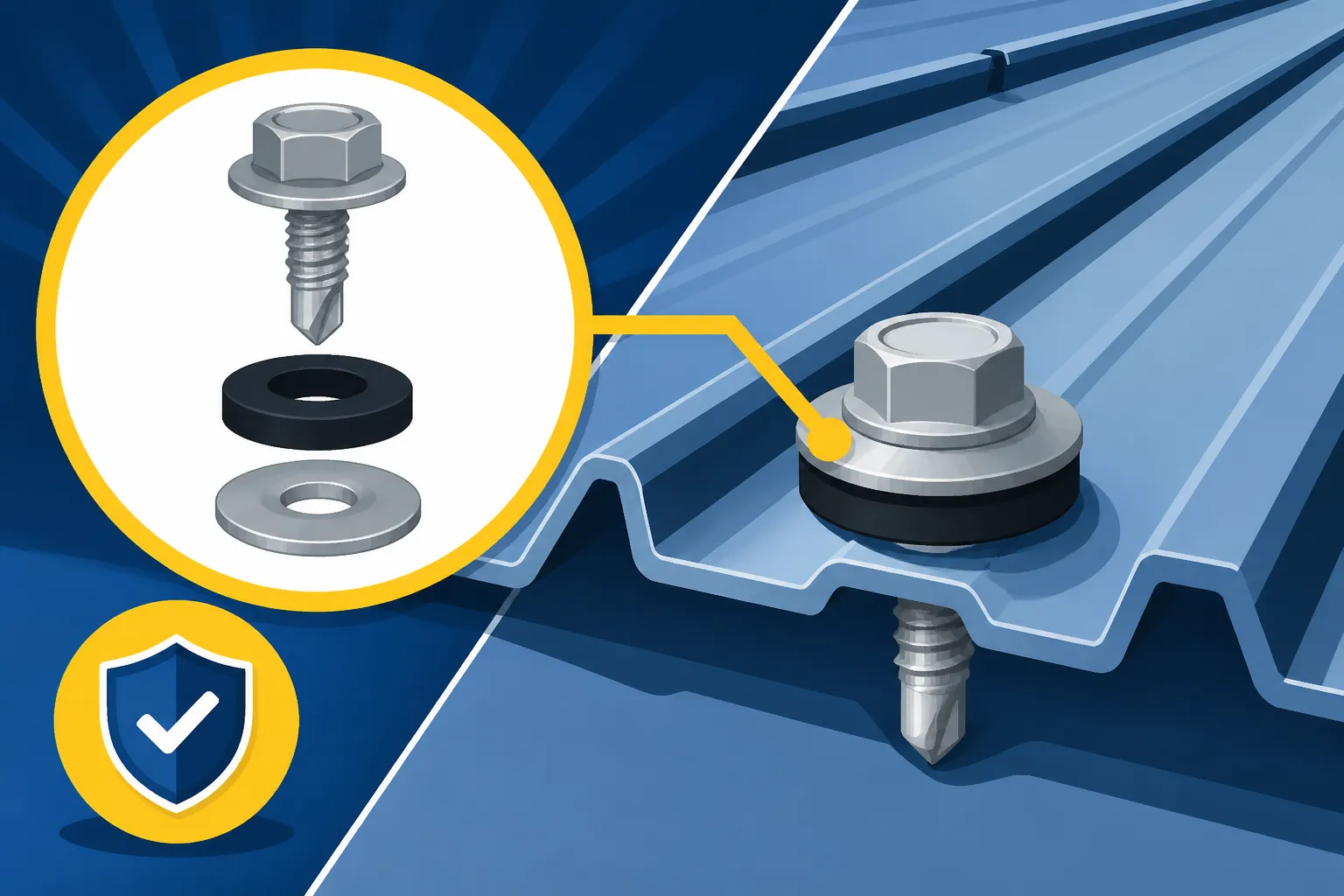
The most common exposed fastener is a self-drilling, self-tapping screw, usually made of carbon steel that's been galvanized or coated to resist corrosion. These screws typically feature an integral, molded EPDM (ethylene propylene diene monomer) washer permanently bonded to a steel or aluminum backing. This composite washer is designed to compress and create a durable, watertight seal as the screw is driven in. You'll find these in various lengths and gauges, depending on the thickness of your metal panels and the depth of the substrate you're fastening into. For specific projects, like a shed or a small cabin, understanding the nuances of how many screws per sheet of metal roofing are needed is crucial for stability.
Concealed Fastener Systems: The Sleek, High-Performance Option
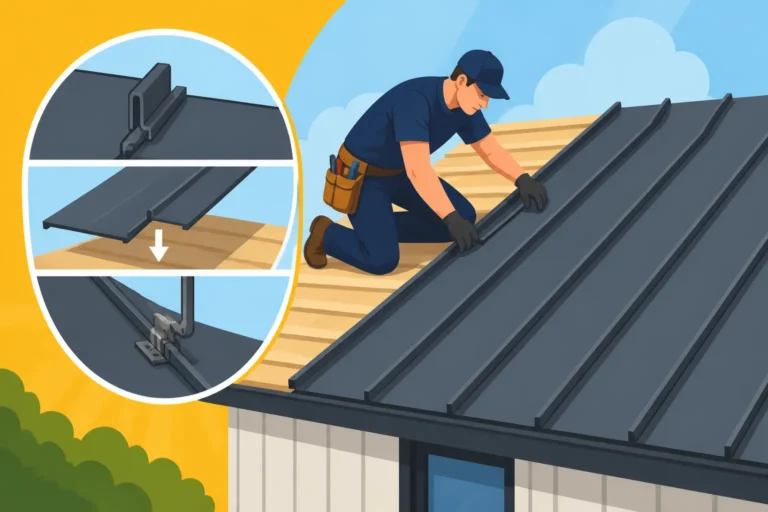
Concealed fastener systems, most notably standing seam metal roofs, utilize clips or interlocking panels that hide the fasteners underneath the metal itself. This design offers superior weather resistance and a much cleaner, more aesthetically pleasing look because no screw heads are visible on the roof surface. The fasteners used in these systems are typically self-drilling screws that attach clips to the roof deck, and then the metal panels snap or are seamed over these clips. The big advantage here is that the integrity of the water barrier is not reliant on hundreds or thousands of individual screw seals, drastically reducing the risk of leaks associated with fastener failure.
While the primary fasteners are hidden, the type of screw used for the clips is still incredibly important. These screws also need to be corrosion-resistant and strong enough to withstand uplift forces. Because they aren't exposed to direct UV or weather, the washers on these internal fasteners might be simpler, often just a metal washer, as the primary weather sealing is handled by the panel's design itself. This hidden nature also contributes to the longevity of the fasteners, as they are protected from environmental degradation. For those considering this option, understanding how much does a standing seam metal roof cost is often a significant factor.
Specialty Fasteners: Tailored for Unique Situations
Beyond the common exposed and concealed varieties, there's a world of specialty fasteners designed for unique applications or specific performance requirements. These might include:
- Stitch Screws: Shorter, self-drilling screws used to connect overlapping metal panels together, rather than connecting them to the roof deck. These also rely on integrated washers for a tight seal.
- Lap Screws: Similar to stitch screws, used specifically for fastening the side laps of corrugated or ribbed panels.
- Wing-Tipped Fasteners: Designed for fastening metal panels to wood purlins, these have "wings" that ream out a slightly larger hole in the wood before the threads engage, preventing the wood from climbing up the screw shank and ensuring a flush seat for the washer.
- Stainless Steel Fasteners: While more expensive, these are often recommended for highly corrosive environments, like coastal regions, or when fastening dissimilar metals where galvanic corrosion is a concern. They offer superior rust resistance compared to galvanized or coated carbon steel.
- Bi-metal Fasteners: These fasteners have a stainless steel head and shank for corrosion resistance, but a carbon steel drill tip for easier penetration into thicker steel substrates.
Each specialty fastener serves a specific purpose, highlighting the meticulous engineering involved in ensuring a metal roof's long-term performance.
Understanding Washer Types and Their Role
Just as fasteners come in various types, so do the washers that accompany them. These seemingly small components are absolutely critical for sealing and protecting your roof. The material, design, and proper compression of a washer directly impact its ability to prevent leaks and maintain a durable bond over decades.
The Dominant Player: EPDM Washers
EPDM (ethylene propylene diene monomer) rubber washers are, without a doubt, the most common type of washer used with exposed fasteners in residential and commercial metal roofing. They are celebrated for their excellent UV resistance, ozone resistance, and ability to withstand extreme temperature fluctuations without cracking or hardening. This flexibility is key, as it allows the washer to maintain a watertight seal even as the metal panels expand and contract throughout the day and across seasons. EPDM washers are typically bonded to a metal backing (often galvanized steel or aluminum) which prevents over-compression and ensures even distribution of pressure when the screw is driven in.
When properly installed, an EPDM washer will compress slightly, forming a gasket-like seal against the metal panel. Over time, however, these washers can degrade due to prolonged UV exposure, eventually losing their elasticity and cracking. This is one of the primary reasons you might see a metal roof leaking at the screws. When this happens, it often signals a need for maintenance or even fastener replacement to restore the roof's integrity.
Neoprene Washers: A Closer Look
While EPDM has become the industry standard, neoprene washers were historically (and are sometimes still) used. Neoprene is also a synthetic rubber, offering good resistance to oil, chemicals, and some weathering. However, compared to EPDM, neoprene generally has inferior UV and ozone resistance, meaning it tends to degrade more quickly when exposed to direct sunlight and environmental elements. This degradation can lead to cracking, shrinking, and ultimately, a failure of the watertight seal.
Because of their relatively shorter lifespan in outdoor, exposed applications, neoprene washers are less common in modern metal roofing systems, especially for residential use where longevity is a prime concern. You might still encounter them in certain industrial settings or for very specific, less exposed applications, but for the most part, EPDM has proven to be the superior choice for the demanding conditions a roof faces.
Metal-Bonded Washers: When Added Durability is Needed
Metal-bonded washers aren't a separate material type in the same way EPDM or neoprene are. Rather, it refers to the construction where the rubber (typically EPDM) washer is permanently vulcanized or bonded to a metal disc. This design offers several advantages:
- Prevents Over-Compression: The metal backing prevents the installer from driving the screw in too far, which could crush and damage the rubber component of the washer. This ensures the optimal compression for a durable seal.
- Even Load Distribution: The metal backing helps distribute the pressure of the screw head more evenly across the metal panel, reducing the risk of dimpling or stress points that could compromise the panel itself.
- Enhanced Durability: The combination of flexible rubber and rigid metal creates a robust sealing system that can withstand the forces of wind, rain, and thermal movement more effectively.
These metal-bonded EPDM washers are the gold standard for exposed fastener applications, providing the reliability and long-term performance homeowners expect from their metal roofs. They are a small detail, but one that contributes significantly to the overall resilience of the entire roofing system.
Choosing the Right Fastener and Washer for Your Roof
Selecting the correct fasteners and washers is not a "one-size-fits-all" scenario. It's a critical decision that should be guided by several factors, including the type of metal, the roofing profile, the environment, and the structural components you're fastening into. Making the wrong choice can lead to premature failure, costly repairs, and a lot of headaches down the road.
Material Compatibility and Corrosion Prevention
One of the most vital considerations is material compatibility. When two dissimilar metals are in contact in the presence of an electrolyte (like moisture), galvanic corrosion can occur. This electrochemical reaction causes the less noble metal to corrode at an accelerated rate. For example, using a plain carbon steel screw to fasten an aluminum roof panel would be a recipe for disaster in a humid environment. The aluminum would quickly corrode around each fastener, leading to widespread leaks and structural compromise.
The general rule of thumb is to match the fastener material to the roofing material or choose a fastener that is more noble (e.g., stainless steel for aluminum or steel panels).
Here's a quick compatibility guide:
| Roofing Material | Recommended Fastener Material | Why It Matters |
|---|---|---|
| Steel (Galvalume, Galvanized) | Carbon steel (coated), Stainless steel | Coated carbon steel is most common, stainless for higher corrosion resistance. |
| Aluminum | Stainless steel, Aluminum screws | Prevents galvanic corrosion with aluminum panels. |
| Copper | Copper, Stainless steel (specific alloys) | Copper fasteners are ideal; stainless steel must be chosen carefully to avoid issues. |
| Zinc | Stainless steel, Zinc-coated fasteners | Stainless steel or zinc-coated for optimal compatibility. |
Always verify manufacturer recommendations for specific products. A reputable metal roofing contractor, perhaps one found through services like Modernize, will have a deep understanding of these material compatibility requirements to ensure your roof's longevity.
Gauge, Length, and Thread Considerations
The gauge of your metal roof panels, which refers to their thickness, will dictate the minimum gauge of the fasteners you should use. Thicker panels generally require stronger, larger diameter fasteners. Using a fastener that's too thin for a heavy gauge panel can result in pull-out or shear failure.
The length of the fastener is equally important. It needs to be long enough to penetrate the metal panel, compress the washer, and then achieve adequate embedment into the structural substrate (wood purlins, steel framing, plywood decking). For wood, you typically need at least 1-inch of embedment into solid wood for sufficient holding power. For steel, the threads need to fully engage through the steel member.
Thread design also plays a role. Fine threads are generally better for steel, while coarser threads work well with wood. Self-drilling screws, common in metal roofing, have a drill point that eliminates the need for pre-drilling holes, saving time during installation while ensuring a snug fit.
Environmental Factors and Specific Applications
The environment where your home is located heavily influences fastener selection.
- Coastal Regions: Areas exposed to salt spray and high humidity require fasteners with superior corrosion resistance, such as 304 or 316 stainless steel. Standard galvanized carbon steel screws can quickly succumb to corrosion in these conditions.
- High-Wind Zones: In hurricane or high-wind areas, the fasteners need to have excellent pull-out and shear strength. This might mean using larger gauge screws, ensuring deeper embedment, or increasing the fastener density per panel. The type of roof profile, such as a standing seam system, often performs better in high winds. You might also want to look into specific guidance for metal roof wind and fire ratings explained.
- Temperature Extremes: In regions with significant temperature swings, the flexibility of the washer is paramount to maintain the seal through repeated expansion and contraction cycles of the metal panels. EPDM washers are particularly well-suited for these conditions.
Considering these factors upfront, alongside the specific material of your roof – for instance, if you're installing a Standing Seam Metal Roof Cost – will ensure the chosen fasteners and washers provide the optimal performance and durability for your unique situation.
Installation Best Practices for Metal Roof Fasteners and Washers
Even the best fasteners and washers won't perform their job properly if they're not installed correctly. Poor installation is a leading cause of leaks, premature wear, and structural issues in metal roofing systems. Paying meticulous attention to detail during this phase is just as important as selecting the right components.
Proper Torque and Compression
One of the most common installation errors is improper torque when driving screws.
- Under-tightening leaves the washer insufficiently compressed, failing to create a watertight seal. This can lead to water intrusion, and the screws may back out over time due to thermal movement or wind uplift.
- Over-tightening, on the other hand, can crush the EPDM washer, causing it to lose its elasticity and sealing capabilities. It can also dimple or damage the metal panel itself, creating a weak point where water can pool or further damage can occur.
The goal is to achieve just enough compression to squeeze the EPDM washer slightly, creating a mushroom-like seal against the panel without deforming the panel or destroying the washer. Most manufacturers provide specific torque specifications or visual cues (e.g., the washer should be compressed about 50%) for their fasteners. Using a drill with an adjustable clutch or a specialized screw gun designed for metal roofing can help achieve consistent, correct torque.
Correct Spacing and Alignment
The spacing of fasteners is determined by the specific panel profile, manufacturer recommendations, and local building codes, especially concerning wind uplift requirements. In exposed fastener systems, screws are typically installed in the flat areas of the panel or through the ribs, depending on the panel design. Maintaining consistent spacing ensures even load distribution and structural integrity across the entire roof.
Proper alignment is also crucial. Fasteners should be driven perpendicular to the roof surface. Driving them in at an angle can cause the washer to seat improperly, leading to a weak seal and potential leaks. It can also cause the screw to strip the hole or not engage the substrate effectively. Precision and consistency are key to a leak-free roof.
Sealing and Flashings: The Complete System
While fasteners and washers create a seal at each penetration, they are part of a larger waterproofing system that includes proper sealing of seams and correctly installed flashings. Sealants are often used in conjunction with exposed fasteners, particularly at overlaps or vulnerable areas, to provide an extra layer of protection. High-quality sealants like butyl tape or polyurethane caulk are typically applied between overlapping panels before fastening.
Flashings, which are metal components used to seal the intersections of the roof with other elements like chimneys, skylights, and walls, also rely on properly installed fasteners and sealants to prevent water intrusion. Every penetration through the roof plane, whether it's a fastener or a pipe boot, requires careful attention to sealing. For a comprehensive overview, you might want to read our guide on how to prevent leaks on a metal roof. A properly installed metal roof will consider all these elements as part of a single, integrated system to ensure maximum watertightness and longevity.
Common Problems with Fasteners and Washers and How to Address Them
Even with the best intentions and quality materials, issues can arise with metal roof fasteners and washers over time. Recognizing these problems early and knowing how to address them can save you from significant headaches and costly repairs down the line. It's often the small signs that indicate a bigger problem brewing.
Leaking Fasteners: Diagnosing and Repairing
Leaks are arguably the most common and frustrating problem associated with exposed fasteners. When water starts finding its way through the screw holes, it's usually due to one of these culprits:
- Degraded Washers: As mentioned, EPDM washers, while durable, can eventually dry out, crack, or become brittle from prolonged UV exposure, losing their sealing ability.
- Loose or Backed-Out Screws: Thermal expansion and contraction, combined with wind uplift, can cause screws to slowly loosen or even back out of the substrate, breaking the seal.
- Improper Installation: Over-tightened or under-tightened screws are prime candidates for early leaks. Angled screws also compromise the seal.
- Corrosion: Fasteners that are not compatible with the roof panel material or the environment can corrode, creating pathways for water.
When you notice a leak, the first step is always to identify the source. Often, drips inside align directly with fasteners on the roof. For repairing degraded washers, the solution typically involves replacing the old screw and washer with a new, slightly larger diameter, self-drilling screw with a fresh EPDM washer. This larger diameter ensures new thread engagement in the existing hole. For persistent leaks or widespread degradation, a more systematic approach, like resealing the entire roof with new fasteners, might be necessary. Our article on why is my metal roof leaking at the screws provides more detailed troubleshooting.
Fastener Back-Out and Panel Movement
Fastener back-out, where screws visibly lift out of the roof deck, is a serious concern. It directly compromises the integrity of the roof system and leaves the panels vulnerable to wind damage.
- Causes: This often happens due to a combination of factors, including insufficient embedment into the substrate, improper torque during installation (under-tightening), extreme thermal cycling, or repetitive wind uplift. When a screw's threads lose their grip, the screw starts to "walk" out.
- Consequences: Loose panels can create noise, increase the risk of detachment during storms, and lead to accelerated wear on the panels themselves as they rub against fasteners or other structural elements. This movement can also exacerbate existing leaks.
Addressing back-out involves removing the failing fastener and installing a new, larger diameter, longer screw to ensure proper engagement with fresh material in the substrate. In some cases, if widespread, it might indicate an underlying issue with the substrate or the initial installation method, requiring a more extensive repair. A qualified roofing professional can assess the scope of the problem and recommend the best course of action. They might also be able to explain how to replace metal roof screws and fasteners.
Corrosion and Material Degradation
Corrosion of fasteners can manifest as rust stains streaking down the roof panels or, more critically, as a weakening of the fastener itself. As mentioned, galvanic corrosion can occur if incompatible metals are used. Even properly coated carbon steel fasteners can eventually corrode if their protective coating is scratched, damaged during installation, or simply wears off over many years.
When corrosion sets in, the structural integrity of the fastener is compromised, and the watertight seal can fail. This is particularly prevalent in coastal areas or industrial environments where airborne pollutants or salt spray accelerate degradation.
- Prevention: The best defense against corrosion is proper material selection from the outset – using stainless steel fasteners in harsh environments and ensuring compatibility between the fastener and panel materials. Regular inspections can help identify early signs of corrosion before they become widespread.
- Treatment: For minor surface rust, some specialized rust inhibitors or coatings might be applied. However, if fasteners are significantly corroded, replacement is typically the most effective solution to restore the roof's long-term performance and prevent further damage to the panels. This attention to detail contributes to the overall metal roof lifespan, which can stretch for many decades with proper care.
Maintaining Your Fasteners and Washers for Peak Performance
Even with the best initial installation, a metal roof is a living system that experiences the full wrath of Mother Nature. Regular maintenance of its smallest, yet most critical, components—the fasteners and washers—is paramount to ensuring its long-term integrity and preventing premature failures. Think of it like changing the oil in your car; a small, routine task that prevents major breakdowns.
Routine Inspections and What to Look For
Establishing a routine inspection schedule is one of the simplest yet most effective ways to prolong the life of your metal roof and its fasteners. Ideally, you should inspect your roof at least once a year, preferably after major storm seasons or harsh winters, and certainly after any significant hail event.
During an inspection, here’s what to keep an eye out for specifically regarding fasteners and washers:
- Visible Washer Degradation: Look for washers that appear cracked, shrunken, flattened, or brittle. Any signs of deterioration mean the seal is compromised.
- Loose or Backed-Out Screws: Visually check if any screw heads are raised, or if there's any visible gap between the washer and the metal panel. Gentle pressure applied to a panel can sometimes reveal looseness.
- Rust Stains or Corrosion: Look for reddish-brown streaks running down the panels from fastener locations. This is a clear indicator of fastener corrosion.
- Dimpling or Panel Damage Around Fasteners: This could be a sign of over-tightening during installation or excessive panel movement putting stress on the fastener points.
- Missing Fasteners: Though rare, screws can occasionally snap or pull out completely, leaving an open hole.
These inspections don't necessarily require you to climb on the roof yourself, especially if you're not comfortable or experienced. Hiring a professional roofing contractor for an annual check-up can be a wise investment. They have the expertise to spot subtle issues and address them safely.
Cleaning and Sealing Strategies
Keeping your roof clean isn't just about aesthetics; it also contributes to fastener longevity. Debris, leaves, and dirt can trap moisture, accelerating corrosion or algae growth around fastener heads. A gentle cleaning with a soft brush and water can remove these accumulations. Avoid harsh chemicals or high-pressure washing, which can damage coatings or washers.
For exposed fasteners, periodic re-sealing or replacement might be necessary over the roof's lifespan. If you notice isolated areas of washer degradation, you might be able to remove and replace individual screws with new ones that have integrated EPDM washers. For more widespread issues, some professionals might apply a thin bead of specialized metal roofing sealant over existing fastener heads, though this is often a temporary fix. A more durable solution often involves replacing the entire fastener.
Remember, a well-maintained metal roof can last 50 years or more. Proper fastener and washer selection and installation, combined with regular inspections and timely maintenance, are the secret ingredients to unlocking that incredible longevity.
Professional Assistance: When to Call the Experts
While homeowners can handle minor inspections and cleaning, certain situations definitely warrant calling in the professionals. Attempting complex repairs without the right tools, experience, or safety equipment can be dangerous and may lead to further damage or even void your warranty.
You should always consider calling a professional metal roofing contractor if:
- You're dealing with widespread leaks or fastener back-out.
- You notice significant corrosion across many fasteners.
- The roof pitch is steep or difficult to access safely.
- You're unsure about the underlying cause of a problem.
- The issue requires specialized tools or knowledge, such as replacing entire panels or major flashing repairs.
A reputable contractor, like those you can find through services such as Modernize, will have the expertise to properly diagnose the problem, recommend the most effective solution, and execute the repairs safely and correctly. They can also advise on your Metal Roof Warranties: Workmanship vs Manufacturer, ensuring any work done adheres to terms and conditions. Investing in professional maintenance and repair ensures your metal roof continues to protect your home for decades to come.
Fastener & Washer Comparison Table
To help you visualize the differences and typical applications, here's a handy comparison of common fastener and washer types in metal roofing:
| Feature/Type | Exposed Fastener (Self-Drilling Screw) | Concealed Fastener (Clip Screw) | EPDM Washer | Neoprene Washer | Metal-Bonded Washer |
|---|---|---|---|---|---|
| Visibility | Always visible on roof surface | Hidden beneath metal panels | Part of exposed fastener | Part of exposed fastener | Part of exposed fastener |
| Primary Function | Secure panels to substrate, watertight seal | Secure clips to substrate | Watertight seal, flexibility | Watertight seal (less durable) | Watertight seal, load distribution |
| Common Materials | Carbon steel (coated), Stainless steel | Carbon steel (coated), Stainless steel | EPDM Rubber | Neoprene Rubber | EPDM bonded to steel/aluminum |
| Typical Application | Corrugated, R-Panel, AG Panel roofs | Standing Seam, Snap-Lock panels | Exposed fastener roofs | Older/less exposed systems | Exposed fastener roofs |
| Key Advantage | Cost-effective, straightforward install | Superior weather resistance, aesthetics | Excellent UV/Ozone resist. | Chemical resistance | Prevents over-comp., even pressure |
| Key Disadvantage | Higher leak potential (if not installed well or degrades) | Higher upfront cost | Can degrade over time (UV) | Poor UV/Ozone resist., shorter life | Still subject to UV degradation of EPDM |
| Corrosion Resistance | Varies by coating/material | Varies by coating/material | Excellent | Good | Excellent (of EPDM portion) |
Disclaimer
This guide provides general information on metal roof fasteners and washers. While we strive to offer accurate and helpful advice, specific roofing situations can vary greatly. Always consult with a qualified, licensed metal roofing professional for advice tailored to your specific project, local building codes, and product manufacturer specifications. DIY work on roofing can be dangerous and may void product or workmanship warranties.