Lien Waivers and Roofing: What to Know
Imagine finally seeing that beautiful standing seam metal roof completed on your home, only to receive a legal notice weeks later claiming you owe thousands of dollars to a material supplier you’ve never even met. This nightmare happens to homeowners more often than you’d think, but it is entirely preventable. This guide breaks down how lien waivers protect your property, ensuring your investment stays yours and your contractor handles their business.
Understanding the Hidden Risk of Metal Roof Projects
When you embark on a major home improvement project like installing a new roof, you are entering into a multi-tiered financial web. You might think you are only dealing with the person who shook your hand and signed the contract, but behind them is a network of material yards and specialized labor crews. If any of those secondary parties don't get paid by your primary contractor, your house—not the contractor's bank account—becomes the collateral.
What is a Mechanic's Lien?
A mechanic’s lien is a legal claim against your property. It is a tool used by subcontractors and suppliers to ensure they are paid for the value they added to a home. In many states, even if you have paid your general contractor in full, a supplier who provided the Metal Roof Cost by Material: Steel vs Aluminum vs Copper vs Zinc and didn't receive their cut can file a lien against your deed. This cloud on your title can prevent you from selling your home, refinancing your mortgage, or even lead to a foreclosure action in extreme cases. It is a heavy-handed legal reality that many homeowners are blindsided by because they assume their responsibility ends when they write the check to the roofer.
The Double-Payment Nightmare
The "double-payment" scenario is the primary reason why lien waivers are non-negotiable. Picture a homeowner in a city like Austin or Nashville. They pay their contractor $25,000 for a high-end metal roof. The contractor, perhaps facing cash flow issues or managing another job poorly, fails to pay the $10,000 bill for the metal panels. The supplier then files a lien. To clear the title and keep their home, the homeowner might be legally forced to pay that $10,000 directly to the supplier—effectively paying $35,000 for a $25,000 roof. This gut-punch is exactly what a lien waiver is designed to stop.
How Modernize Simplifies Finding Vetted Professionals
Navigating these legal waters feels much less daunting when you are working with professionals who understand the industry standard. Using resources like Modernize can help connect you with roofing professionals who are accustomed to standard business practices. When you use Modernize to find a contractor, you are often looking at companies that have established reputations and are less likely to be "fly-by-night" operations that might mismanage funds. These established companies usually expect to provide lien waivers as a part of their standard invoicing process, making the conversation much more comfortable for the homeowner.
The Mechanics of a Lien Waiver
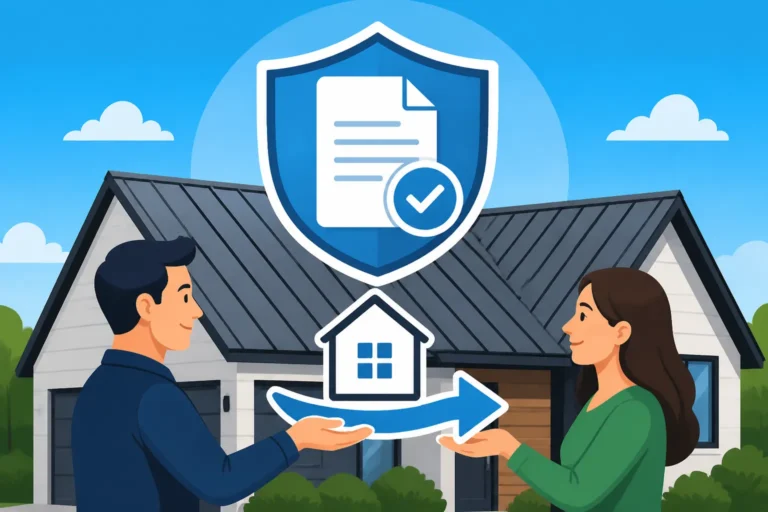
Think of a lien waiver as a receipt on steroids. It is a legal document signed by a contractor, subcontractor, or supplier stating that they have received payment and waive any future lien rights against your property for that specific amount or phase of work. It is essentially their way of saying, "I've been paid, and I won't come after your house for this money."
Conditional vs. Unconditional Waivers
There are two main categories of waivers, and knowing the difference is crucial for your protection. A conditional waiver is based on the condition that the payment actually clears the bank. This is what a contractor should give you when they hand you an invoice. It protects them (because the waiver isn't valid if your check bounces) and it protects you (because you have a document tied to the payment).
An unconditional waiver, on the other hand, is effective the moment it is signed, regardless of whether the money is actually in the bank. You should only accept an unconditional waiver after you have confirmed the payment has been processed. If you are paying by credit card or certified check, the transition between these two is much faster. In places like Florida or California, where roofing costs can be high, being meticulous about which form you are signing is a basic requirement for safe homeownership.
Progress Payments vs. Final Waivers
Most metal roofing projects are paid in stages. You might have a deposit, a payment when materials arrive, and a final payment upon completion. You should receive a partial lien waiver for every progress payment you make. This "pay-as-you-go" protection ensures that by the time you reach the end of the project, you aren't left wondering if the early stages were handled correctly. The final waiver is the "big one"—it covers the entire project and should be swapped for your final check. This is a critical step in the Normal Deposit and Payment Schedule for a Roof that many people overlook in their excitement to be finished with the construction noise.
Why Metal Roofing Projects Are High-Risk for Liens
Metal roofing projects carry a slightly higher risk for lien issues than standard asphalt shingles for a couple of reasons. First, the material costs are significantly higher. A supplier delivering copper or high-grade standing seam panels is watching a very expensive shipment leave their yard. Second, many metal roofing companies use specialized subcontractors for the actual rolling or installation of the panels. This means there are more "mouths to feed" in the financial chain. If your contractor isn't a Manufacturer-Certified Metal Roof Installer Explained, they might be sourcing labor from crews they don't have a long-term history with, increasing the chance of a payment dispute.
| Waiver Type | When to Use | What It Proves | Risk Level for Homeowner |
|---|---|---|---|
| Conditional Progress | At the time of a milestone invoice | Rights waived if payment clears | Low – Standard for deposits |
| Unconditional Progress | After a milestone check has cleared | Payment received and rights gone | Very Low |
| Conditional Final | When the job is done but unpaid | Full rights waived if final check clears | Low – Best for final sign-off |
| Unconditional Final | After the last payment clears | House is 100% clear of lien risk | Zero – This is the goal |
Integrating Lien Waivers into Your Contract
You cannot wait until the end of the job to ask for these documents. The requirement for lien waivers should be "baked in" to your initial agreement before any work begins. If a contractor gets defensive when you ask for waivers, that is a massive red flag. Reputable companies see this as a sign of an educated client and a standard part of doing business.
Requesting a Release of Lien Before Every Payment
Your contract should explicitly state that "payment is contingent upon receipt of a lien waiver from all contractors, subcontractors, and material suppliers involved in the preceding phase of work." This puts the burden on the general contractor to collect the paperwork from their team. If they want their $5,000 milestone payment, they need to show you the waiver from the supplier who dropped off the metal coils. This creates a transparent environment where everyone knows that payment only flows when the legal protection is in place.
Navigating Subcontractors and Material Suppliers
The trickiest part of this process is knowing who actually worked on your house. Most homeowners don't know the name of the supply house that delivered the metal or the name of the crew that spent three days on the roof. You should ask for a "List of Subcontractors and Suppliers" at the start of the project. This is a simple list of every entity that has the right to file a lien against you. When you write a check, you can cross-reference this list to ensure you're getting waivers from everyone. In some states, these parties must send you a "Notice to Owner" or a "Preliminary Notice" to let you know they are providing materials. Don't throw these away! They are your roadmap for who needs to sign a waiver.
The Normal Deposit and Payment Schedule for a Roof
Understanding the Normal Deposit and Payment Schedule for a Roof is vital for timing your waivers. Usually, you’ll pay a small deposit to get on the schedule, a larger sum when materials are delivered, and the remainder when the job passes final inspection. At each of these beats, a waiver must be present. For example, when the materials are delivered to your driveway in a town like Scottsdale or Charlotte, you should be handed a waiver from the supplier in exchange for the "material drop" payment. This prevents the supplier from coming after you if the contractor disappears with the rest of your money.
Red Flags and Protecting Your Property
While most contractors are honest, the roofing industry is unfortunately prone to bad actors, especially after major storms. Protecting yourself means being vigilant about more than just the legal forms; it means watching the behavior of the people you hire.
Metal Roofing Scams and Red Flags to Avoid
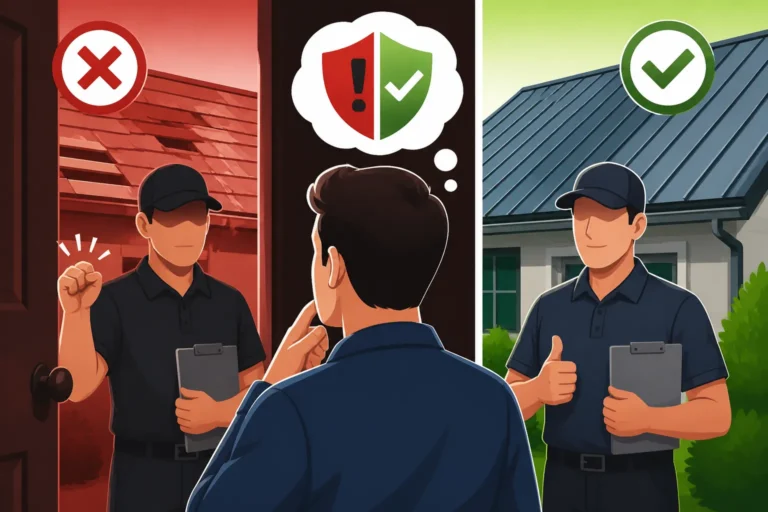
There are specific Metal Roofing Scams and Red Flags to Avoid that often go hand-in-hand with lien issues. A contractor who asks for 50% or more upfront in cash is a major risk. They might use your money to pay off debts from a previous job, leaving nothing to pay for your materials. Another red flag is a contractor who says, "Don't worry about the supplier, I've had an account with them for twenty years." That account relationship doesn't protect your house. If they stop paying their bill, that twenty-year history won't stop a lien from being filed against your property. Always insist on the paper trail.
What a Metal Roof Contract Should Include
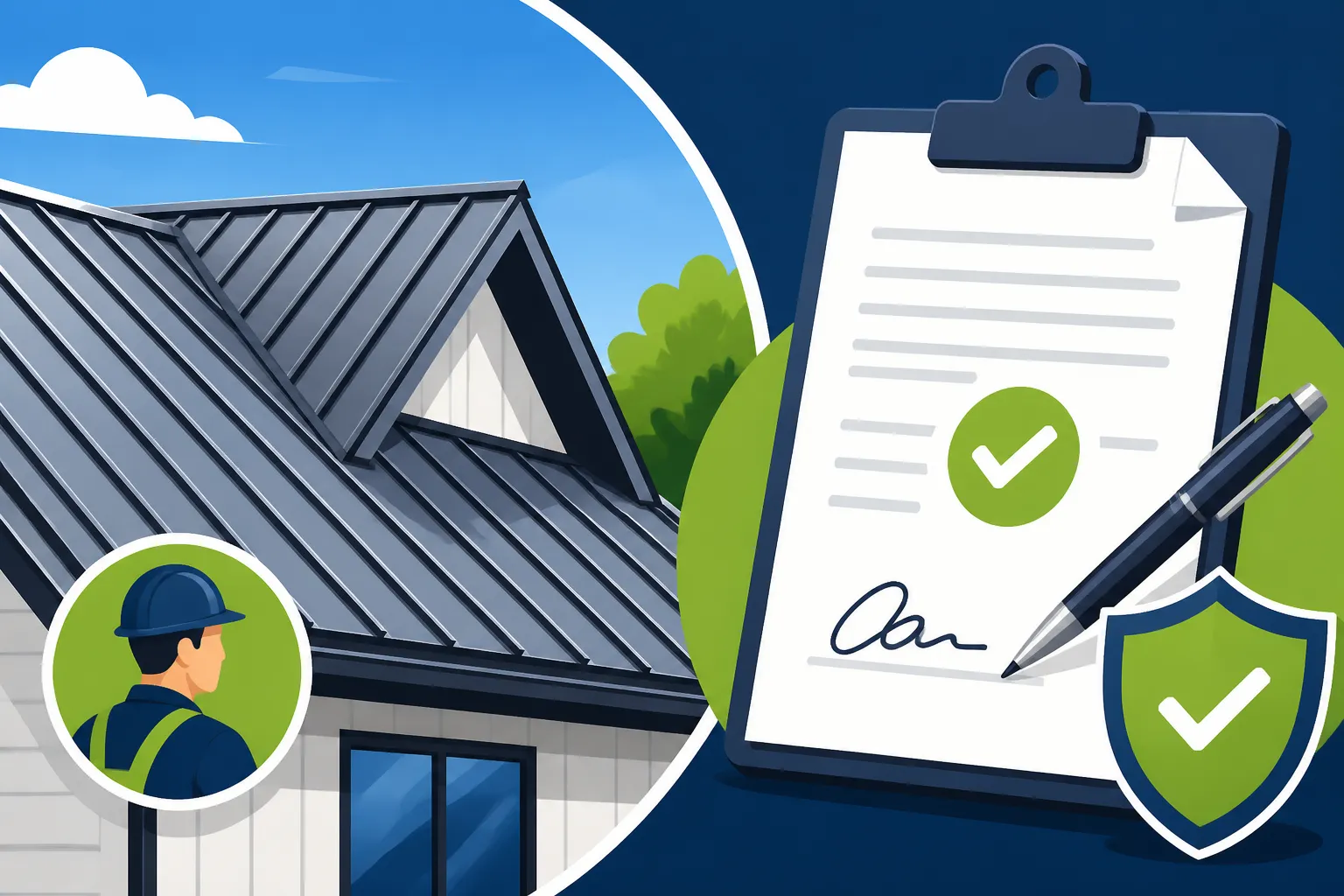
A solid What a Metal Roof Contract Should Include is your first line of defense. Beyond the price and the material specs, it must have a clause dedicated to lien releases. It should define the timeline for providing these documents and name the specific individuals or companies authorized to sign them. If you are installing a specialized system, such as those discussed in Stone-Coated Steel Roof Cost, the components might come from multiple vendors. Your contract should be broad enough to cover every nut, bolt, and panel.
How to Verify a Roofing License by State
Before you even worry about waivers, you must ensure the person you are paying has the legal right to do the work. Knowing How to Verify a Roofing License by State is the foundation of a safe project. Unlicensed contractors often cannot pull permits, and they certainly cannot provide valid lien waivers that will stand up in court if things go south. In states like Florida or Arizona, unlicensed work is a major legal headache. A licensed contractor is much more likely to follow the rules regarding financial disclosures and lien releases because their livelihood depends on maintaining their standing with the state board.
Best Practices for Documentation and Final Sign-Off
As the project nears completion, the "paperwork fatigue" often sets in. You’re tired of the dust, the noise, and the people in your yard. However, this is the most dangerous time to get lazy. The final 10% of the project is where most lien issues originate.
Keeping a Detailed Paper Trail
Keep a folder (physical or digital) that contains every scrap of paper related to the job. This includes:
- The original signed contract.
- The list of all subcontractors and suppliers.
- Copies of every check or credit card receipt.
- Every conditional and unconditional lien waiver received.
- The Metal Roof Warranties: Workmanship vs Manufacturer documents.
- Proof of the contractor’s insurance and bonding.
If a supplier ever claims they weren't paid, being able to pull out a signed waiver from that specific date and amount usually ends the conversation immediately. It turns a potential legal battle into a simple "check your records" phone call.
How to Check Roofing Contractor References
One of the best ways to avoid lien issues is to ask the right questions during the hiring phase. When you learn How to Check Roofing Contractor References, don't just ask if the roof looks good. Ask the previous customers, "Did the contractor provide lien waivers for every payment?" and "Did you receive any 'Notice to Owner' letters from suppliers?" A contractor who consistently provides this paperwork to every client is a contractor who manages their books well. You can also call a local material supplier and ask if the contractor is in good standing. While they might not give you specifics, they will usually tell you if a contractor is on "COD" (cash on delivery) status, which is a sign of financial instability.
Final Inspection and the Golden Rule of Payment
Never, ever make the final payment until you have:
- Verified the work is 100% complete to your satisfaction.
- Confirmed that the city or county has performed and passed the final inspection.
- Received the Unconditional Final Lien Waiver from the general contractor.
- Received final waivers from any major subcontractors or suppliers you were notified about.
The final check is your only leverage. Once that money leaves your hand, your ability to compel the contractor to produce paperwork or fix a minor leak evaporates. Be firm but fair. A good contractor will have these documents ready because they want their final check just as much as you want your project finished.
State-Specific Considerations and Local Laws
Lien laws are not federal; they vary wildly from one state to the next. What works in Texas might not apply in New York. This is why local knowledge is so important.
Variations in Lien Laws Across the U.S.
In some states, the laws are very "pro-homeowner." For instance, in some jurisdictions, if you have paid the contractor in full, a subcontractor cannot file a lien against you even if the contractor stiffed them. However, in many other states, the law is "pro-labor," meaning the subcontractor can still come after your house even if you have a receipt showing you paid the general contractor. This is why you must understand the rules in your specific area. If you are searching for Metal Roofing Contractors Near Me: How to Find & Vet, look for local firms that have been in business for at least a decade. They will know the specific statutory forms required in your state to make a waiver legally binding.
Professional Advice and Legal Review
If you are dealing with a massive project—say, a Metal Roof Cost for a 3,000 Sq Ft House involving custom copper work or complex architectural details—it might be worth spending a few hundred dollars to have a construction attorney review your contract's lien language. This is especially true if you are acting as your own owner-builder. For the average residential replacement, following the steps in this guide and utilizing tools like Modernize to find reputable pros will provide sufficient protection.
Summary Table: Protecting Your Home from Liens
| Step | Action Item | Why It Matters |
|---|---|---|
| Phase 1: Hiring | Check Metal Roof Contractor Licensing, Bonding & Insurance | Ensures the contractor is a legal entity. |
| Phase 2: Contract | Insert Lien Waiver Clause | Makes payment legally contingent on protection. |
| Phase 3: Start | Get a Subcontractor/Supplier List | Tells you exactly who needs to sign a waiver. |
| Phase 4: Progress | Exchange Conditional Waivers for Checks | Protects your house as the project moves forward. |
| Phase 5: Completion | Final Unconditional Waivers | Permanently clears your home's title. |
Managing a metal roofing project is about more than just picking the right color or gauge. It's about protecting the legal title to your most valuable asset. By being proactive, asking for lien waivers at every step, and vetting your contractors thoroughly, you can enjoy your new roof with the peace of mind that no "hidden" bills will come knocking on your door later.
Disclaimer
The information provided in this guide is for educational and informational purposes only and does not constitute legal or financial advice. Lien laws vary significantly by state and local jurisdiction. You should consult with a qualified attorney or construction professional in your area to ensure compliance with local regulations and to protect your specific legal interests during a home improvement project.