Normal Deposit and Payment Schedule for a Roof
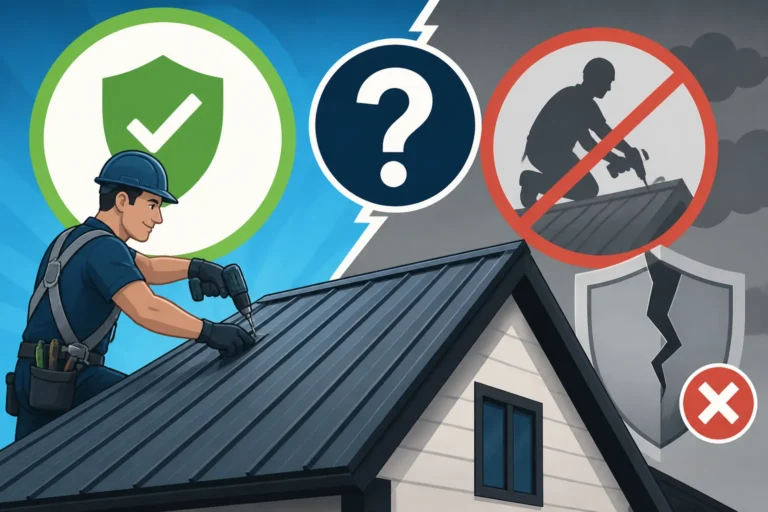
Handing over a five-figure check to someone you just met is enough to make any homeowner lose sleep. Whether you are dealing with a sudden leak or a planned upgrade, the confusion surrounding how and when to pay for your new metal roof is a massive source of anxiety. This guide demystifies the industry-standard payment schedules to keep your money safe and your project on track.
Why Payment Schedules Matter for Metal Roofing Projects
The financial structure of a roofing project is more than just a series of checks; it is a mechanism of protection for both you and the contractor. When you agree to a payment schedule, you are essentially creating a roadmap of accountability. For the contractor, it ensures they aren't financing your home improvement project out of their own pocket. For you, it ensures that money only changes hands when tangible progress has been made.
Protecting Your Financial Interest
In the world of home services, "cash is king," but "leverage is queen." By spreading out payments, you maintain the leverage needed to ensure the job is finished to your satisfaction. If you pay too much upfront, a less-than-reputable contractor might lose the incentive to prioritize your project over a newer, more profitable one. A structured schedule keeps the contractor's focus on crossing the finish line.
Using a platform like Modernize can help you find professionals who are accustomed to these standard financial practices. Many homeowners feel pressured to pay large sums because they don't know what a "fair" schedule looks like. By understanding the typical flow of funds, you can stand your ground and ensure your savings aren't being used as a zero-interest loan for the contractor's other business expenses.
Ensuring Contractor Accountability
Metal roofing is a specialized skill. Unlike asphalt shingles, which are relatively forgiving, metal requires precision in cutting, flashing, and fastening. A progress-based payment schedule acts as a built-in quality control system. You should never release a "progress payment" until that specific stage of the work has been inspected and approved.
For instance, if you have a payment tied to the "dry-in" phase (where the underlayment is installed), you have a natural opportunity to walk the perimeter and check that the old materials were removed properly. Referencing a guide on What a Metal Roof Contract Should Include can help you tie these payments to specific, observable milestones so there is no ambiguity about when a check is due.
Managing Project Cash Flow
Metal roofing materials, especially high-grade steel or copper, are significantly more expensive than traditional materials. Contractors often need a boost in cash flow to order these custom panels. A well-designed schedule accounts for these high material costs without exposing you to the risk of the contractor disappearing with a massive deposit.
By breaking the total cost into manageable chunks, you also give yourself breathing room. If you are using Metal Roof Financing Options, the lender will often release funds in "draws" that match these milestones. Aligning your contractor’s expectations with your lender’s requirements is key to a smooth, low-stress installation.
What is a Normal Deposit for a Metal Roof
The "deposit" is the initial payment made upon signing the contract. It is the most contentious part of the process because it represents the moment of highest risk for the homeowner. While every company has its own policy, there are industry standards that serve as a baseline for what is reasonable and what is a warning sign.
The Standard 10% to 33% Range
In most competitive markets, a deposit ranging from 10% to 33% is considered standard. A 10% deposit is often used simply to "get on the calendar." It covers the administrative costs of pulling permits and scheduling the crew. In many cases, if a contractor is reputable and has a strong line of credit with their suppliers, they may only ask for 10% at the start.
However, a 33% deposit (one-third of the total) is also very common. This amount usually covers the initial mobilization and the procurement of common materials. If you are working with a local specialist found through Modernize, they will likely explain that this deposit secures your spot in their queue. Be wary of anyone asking for 50% or more as a "deposit" before a single sheet of metal has arrived at your home. This is one of the major Metal Roofing Scams and Red Flags to Avoid.
State-Specific Legal Limits
It is vital to know that your state may actually dictate how much a contractor can legally ask for as a deposit. For example, in California, a home improvement contractor cannot legally request a down payment of more than 10% of the total project price or $1,000, whichever is less. In other states, like Maryland, the limit is one-third of the contract price.
Before you sign anything, check your local building authority's website. If a contractor asks for 50% upfront in a state where the legal limit is 10%, they are either ignorant of the law or intentionally breaking it—neither of which bodes well for your roof. Knowing the law gives you the perfect "out" to negotiate a more reasonable payment plan.
Factors That Justify a Higher Deposit
There are rare occasions where a higher-than-average deposit is actually justified. If you have chosen a highly specialized material—such as custom-patina copper or a rare color of standing seam metal—the manufacturer may require the contractor to pay in full at the time of the order. Because these materials cannot be easily returned or used on another house, the contractor needs to ensure they aren't left holding the bag if you cancel.
In these scenarios, transparency is key. A good contractor will show you the invoice from the supplier to justify the larger upfront cost. If they are transparent about their costs, you can feel more comfortable with a larger initial layout. Still, even in these cases, you should ensure the contract protects you with Lien Waivers and Roofing: What to Know so that you aren't held liable if the contractor fails to pay the supplier after you've given them the deposit.
Breaking Down the Typical Payment Schedule
Once the deposit is out of the way, the rest of the payments should be tied to the physical progress of the job. A typical metal roofing project usually follows a "3-pay" or "4-pay" structure. This keeps the money flowing as the work gets done.
The Initial Deposit: The Handshake
As discussed, this happens at the contract signing. This payment covers the "behind the scenes" work. Your contractor will be busy applying for permits with the city or county, coordinating with the waste management company for a dumpster, and finalizing the "cut list" for your metal panels.
Think of this payment as the commitment fee. It ensures that the contractor can allocate their labor and resources to your home. If you are still in the early stages of planning, you might want to look into Metal Roofing Contractors Near Me: How to Find & Vet to see how different companies in your area structure this initial phase.
The Material Delivery Milestone
This is the most important payment milestone in a metal roofing project. For metal roofs, the materials are often the largest single expense. This payment—usually another 25% to 35%—is typically due the day the metal panels and underlayment are delivered to your driveway.
This is a "safe" payment for you because you have physical collateral sitting on your property. If the contractor were to disappear the next day, you would still own the metal. Never pay the "material delivery" fee until you actually see the truck unload the panels. A reputable pro found through Modernize will understand this logic and won't ask for the money based on a "delivery confirmation" email; they’ll wait until the goods are on the ground.
Final Payment and Retainage
The final payment, which should be at least 10% to 20% of the total, is due only after the job is 100% complete. "Complete" doesn't just mean the metal is on the roof. It means the dumpster has been hauled away, the yard has been swept with a magnetic tool to pick up dangerous stray screws, and you have received all the necessary paperwork.
This final chunk of money is often called "retainage." It is your ultimate insurance policy. If there is a small leak around a chimney or a piece of trim that looks crooked, you hold that final check until it is fixed. Once you hand over that last dollar, getting a contractor to come back for "minor" touch-ups becomes significantly harder.
| Milestone | Standard Percentage | Why This Amount? | Red Flag Level |
|---|---|---|---|
| Deposit | 10% – 25% | Admin, permits, and scheduling labor. | High if >33% without custom materials |
| Material Delivery | 25% – 40% | Covers the high cost of metal and trim. | High if requested before panels are on-site |
| Final Completion | 10% – 25% | Final walkthrough, cleanup, and warranty delivery. | High if 0% is left for the end |
Red Flags and Payment Scams to Avoid
While most roofing contractors are honest, hardworking professionals, the industry is unfortunately a magnet for "storm chasers" and "tailgate contractors" who vanish with deposits. Recognizing the red flags early can save you thousands of dollars and years of legal headaches.
Demanding Full Payment Upfront
This is the biggest red flag in the industry. There is absolutely no reason a legitimate roofing company needs 100% of the money before they start. Even if they claim they have "cash flow issues" or need to pay for a "special order," this is a sign of a failing business. A stable company should have the credit or capital to handle the initial stages of a project.
If a contractor pressures you to pay the full amount upfront for a "discount," walk away. No discount is worth the risk of losing your entire investment. Use How to Negotiate a Metal Roof Price to find legitimate ways to save money without compromising your financial safety.
Cash-Only Requirements
While it might be tempting to pay in cash for a "tax-free" discount, you should almost always avoid it. Cash leaves no paper trail. If the contractor claims you didn't pay them, or if you need to take them to court for poor workmanship, proving the transaction occurred becomes your word against theirs.
Always pay via check or credit card. Credit cards are particularly useful because they offer an extra layer of consumer protection and dispute resolution. If you are unsure about a contractor's payment preferences, you can read more about Should You Pay a Roofer in Cash? to understand the specific risks involved in "off-the-books" transactions.
Pressure to Sign Over Insurance Checks
If you are replacing your roof due to storm damage, your insurance company will likely issue a check. Some contractors will pressure you to sign that check directly over to them before work begins. This is a dangerous practice.
You should maintain control of the insurance funds. Most insurance checks are made out to both you and your mortgage company, requiring a multi-step process to cash. A professional contractor will be familiar with this and will wait for the funds to clear your account before requesting their scheduled payments. If you’re feeling rushed, take a step back and review How to Read and Compare Metal Roof Quotes to ensure the numbers align with your insurance adjustor's estimate.
Comparative Analysis: Payment Terms for Different Metal Systems
The type of metal roof you choose can actually influence the "normal" payment schedule. Different systems have different labor-to-material ratios, which changes how the contractor needs to be paid.
Standing Seam vs. Exposed Fastener Schedules
Standing seam roofs are the "premium" option. They require significantly more labor and specialized equipment (like roll-formers). Because the labor is a larger portion of the total cost, a contractor might ask for a "mid-point" payment once the old roof is torn off and the new underlayment is down. This ensures they can pay their crew for the intensive labor involved in the installation.
Conversely, corrugated or "exposed fastener" roofs are often installed much faster. Because these projects might only take two or three days, a simple "50/50" split (half at delivery, half at completion) is often sufficient. If you are comparing these two systems, looking at Questions to Ask a Metal Roofing Contractor Before You Hire can help you tailor your payment questions to the specific system you've chosen.
Custom Copper or Zinc Projects
For high-end materials like copper or zinc, the payment schedule is almost always weighted toward the beginning. These materials are incredibly expensive and volatile in price. A contractor might require a "material deposit" the moment the contract is signed to "lock in" the metal price with the foundry.
In these cases, the schedule might look like 40/40/20. Forty percent to order the copper, forty percent when it arrives, and twenty percent upon completion. When dealing with these high-ticket items, it is more important than ever to verify that your Metal Roof Warranties: Workmanship vs Manufacturer are clearly documented in the contract.
Negotiating Your Payment Terms
Many homeowners don't realize that the payment schedule is just as negotiable as the price. You have the right to propose a schedule that makes you feel comfortable, provided it is fair to the contractor.
When to Ask for a Custom Schedule
If you are doing a very large project—perhaps a multi-structure estate or a home with an extremely complex roofline—the standard 3-pay system might not work. You can ask for a schedule based on "sections." For example, you might pay a portion when the main house is done, and another portion when the detached garage is finished.
This "phased" approach is great for large budgets because it keeps the contractor's "skin in the game" for the duration of the long project. Platforms like Modernize can connect you with larger companies that have the administrative staff to manage these more complex payment structures.
Using Financing as a Tool
If you aren't paying cash, your financing provider will likely dictate some of the terms. Many home improvement loans use a "staged release" system. You should inform your contractor of this early on. Most pros are happy to work with these systems because it guarantees that the money is "earmarked" for them and won't be spent on other things.
By leveraging financing, you essentially have a third party (the bank) acting as a watchdog. They won't release the final "draw" until you sign a certificate of completion. This adds a professional layer of protection to your project, ensuring that everyone follows the Normal Deposit and Payment Schedule for a Roof that was agreed upon at the start.
Disclaimer
This guide is for informational purposes only and does not constitute legal or financial advice. Roofing laws and standard practices vary significantly by state, county, and city. Always consult with a local legal professional or your state's contractor licensing board before signing a contract or making significant payments.