Metal Roof Cost in Denver
Deciding on a new roof for your Denver home can feel overwhelming, especially when you start diving into the numbers for a durable option like metal roofing. Many homeowners struggle to get a clear picture of what they'll actually pay, often encountering wide price ranges that leave them more confused than before. This comprehensive guide is here to cut through that confusion, giving you a realistic breakdown of metal roof costs specifically for the Denver area, helping you budget confidently and make an informed decision for your biggest asset.
Understanding the Factors Influencing Metal Roof Cost in Denver
When you're looking at a metal roof in Denver, it's not a one-size-fits-all situation, and the price tag can swing quite a bit based on a few key elements. Think of it like buying a car; there's a base model, and then there are all the upgrades and options that push the final price up or down. For roofs, these "options" are critical components that protect your home.
Material Choices and Their Impact
The type of metal you choose for your roof will be one of the biggest drivers of cost. It’s not just about aesthetics; each material brings its own set of characteristics, durability, and, of course, price point.
- Steel Roofing (Galvalume or Galvanized): This is often the most common and budget-friendly option you'll find in Denver. Steel panels, especially those treated with Galvalume (a blend of zinc and aluminum) or galvanized (zinc-coated), offer excellent durability and come in various profiles like corrugated, R-panel, or standing seam. They can withstand Denver's hail and snow pretty well, making them a popular choice. The cost per square foot for material alone can range significantly, but it's generally on the lower end compared to other metals. To dive deeper into the specific material costs, check out our guide on Metal Roof Cost by Material: Steel vs Aluminum vs Copper vs Zinc.
- Aluminum Roofing: Lighter than steel and incredibly resistant to rust and corrosion, aluminum is a fantastic option, especially if you're concerned about longevity and weight. While Denver isn't a coastal area, aluminum's rust resistance is still a huge plus for general wear and tear, and it handles temperature fluctuations gracefully, which is great for our hot summers and cold winters. It typically costs more than steel, but its extended lifespan and maintenance benefits often justify the investment for many Denver homeowners.
- Copper Roofing: Ah, copper! This is the crème de la crème of metal roofing. It’s undeniably beautiful, developing that classic patina over time, and it can last for over a century. However, its aesthetic appeal and extreme durability come with a premium price tag, often making it the most expensive metal roofing material. You'll usually see copper used on accents, bay windows, or smaller, high-end residential projects in Denver rather than entire roofs due to the significant investment involved.
- Zinc Roofing: Like copper, zinc is a high-end, self-healing material that develops a protective patina. It’s incredibly long-lasting and malleable, allowing for unique architectural designs. While not as common as steel or aluminum, its natural resistance to corrosion and impressive lifespan make it a truly sustainable choice. Similar to copper, zinc roofing represents a substantial upfront cost, placing it in the luxury category for Denver homeowners.
Profile and Panel Type Differences
Beyond the raw material, the style or profile of your metal roof panels significantly impacts both the look and the cost. Different profiles require different installation methods, hardware, and labor, all of which factor into the final price.
- Standing Seam Metal Roofs: This is often considered the gold standard for residential metal roofing. Standing seam panels feature concealed fasteners and raised seams, creating a sleek, modern look. The hidden fasteners protect the system from UV degradation and moisture infiltration, contributing to its superior durability and longevity. However, the specialized manufacturing and installation process for standing seam systems make them one of the more expensive metal roof profiles. For a detailed look at this specific style, you might want to read our article on Standing Seam Metal Roof Cost.
- Corrugated Metal Roofs and Exposed Fastener Panels: These profiles, like corrugated, R-panel, or 5V Crimp, use exposed fasteners that are drilled directly through the panels into the roof deck. They are generally more economical to produce and quicker to install than standing seam systems, making them a popular choice for barns, workshops, and increasingly, for homes looking for a more rustic or industrial aesthetic in areas like Denver. While durable, the exposed fasteners can be a potential point of wear and tear over time, requiring periodic inspection and maintenance. You can learn more about this option by exploring Corrugated Metal Roof Cost.
- Stone-Coated Steel Roofs: These roofs are made from steel panels coated with an acrylic base and then embedded with natural stone granules, giving them the appearance of traditional shingles, shakes, or tiles. They offer the durability of steel with the aesthetic of conventional roofing materials, often at a mid-range price point for metal roofs. Stone-coated steel is a fantastic option for Denver homes that need hail and wind resistance but want to maintain a classic look without the weight of traditional tile. For more information, check out our guide on Stone-Coated Steel Roof Cost.
- Metal Shingles, Shakes, and Tiles: These are individual metal pieces designed to mimic the look of traditional roofing materials like asphalt shingles, cedar shakes, or clay tiles. They offer a highly aesthetic finish and can be a great choice for homeowners who love the look of traditional materials but want the performance benefits of metal. Installation can be more labor-intensive than large panel systems, often putting these options in the mid to high-end of metal roofing costs.
Roof Size, Pitch, and Complexity
It probably goes without saying, but the size of your roof is a massive factor. A smaller ranch home in Arvada will naturally cost less to roof than a sprawling two-story in Cherry Hills Village. Beyond just square footage, the pitch (steepness) and complexity of your roof also play a starring role in the final price.
- Square Footage: This is your starting point. Roofing contractors will measure your roof in "squares," where one square equals 100 square feet. The larger the total area, the more materials and labor hours will be required, directly increasing your overall Metal Roof Cost by Roof Size.
- Roof Pitch (Steepness): A very steep roof (think anything above a 7/12 pitch) is inherently more dangerous and challenging to work on. Installers will need additional safety equipment, more time for staging materials, and slower progress, all of which translate to higher labor costs. A low-slope roof, conversely, is generally easier and quicker to install.
- Architectural Complexity: Does your Denver home have multiple dormers, skylights, chimneys, valleys, or hips? Each of these features adds complexity to the installation. They require precise cutting, custom flashing, and careful sealing, which takes more time, specialized skill, and additional materials like trim and flashing. For example, a simple gable roof will be far less expensive to metal-roof than a multi-faceted Tudor-style roof. Every cut, bend, and seam adds to the labor and material required, impacting the overall cost.
Breaking Down the Average Metal Roof Costs in Denver
So, what are we really talking about when it comes to the numbers in Denver? It’s not just the price of the metal panels themselves. There's a whole dance of different elements that contribute to the total cost, from the materials under the metal to the hands that put it all together.
Material Costs Per Square Foot
Let's get down to some approximate material costs you might see in the Denver market, keeping in mind these are for the panels themselves and can fluctuate based on market demand, supplier, and specific product lines.
- Basic Exposed Fastener Steel (e.g., Corrugated, R-Panel): You might expect to pay anywhere from $1.50 to $4.00 per square foot for the raw panels. Brands like Metal Sales or McElroy Metal often offer these types of panels, providing a cost-effective solution for homes.
- Standing Seam Steel (Galvalume): For the sleek, durable panels of a standing seam roof, material costs typically range from $3.00 to $8.00 per square foot. The premium finish and concealed fasteners justify this higher material price point. Brands like Sheffield Metals or Englert are well-known for their standing seam systems.
- Aluminum Roofing: Aluminum panels, known for their corrosion resistance and lighter weight, generally fall between $4.00 and $10.00 per square foot for materials. This cost reflects the inherent value of the material and its longevity.
- Stone-Coated Steel: Offering a blend of aesthetic and durability, stone-coated steel material costs often sit in the $3.50 to $7.00 per square foot range. This price reflects the composite nature and specialized finish of these panels. Brands such as DECRA and Gerard are prominent in this segment.
- Copper and Zinc: As discussed, these are the luxury materials. Material costs alone can start at $10.00 to $25.00+ per square foot for copper, and similarly high for zinc, reflecting their long lifespan, unique aesthetic, and market value.
Installation and Labor Costs
Beyond the materials, the expertise required to install a metal roof correctly is a significant part of the budget. Labor costs in Denver, like many growing cities, can be a bit higher than in more rural areas due to demand and the cost of living.
- Typical Labor Range: For a standard metal roof installation, excluding the cost of the material, you might see labor costs ranging from $4.00 to $10.00 per square foot. This includes the crew's time, equipment, and general overhead. More complex roofs or specialized systems like standing seam will lean towards the higher end of this range. Our in-depth look at Metal Roof Labor Cost provides more details on what influences these figures.
- Tear-Off and Disposal: If you're replacing an existing roof, the old material has to go. The cost for a tear-off can vary based on the type of old roof (e.g., asphalt shingles vs. multiple layers of built-up roofing) and the amount of debris. Expect to pay anywhere from $1.00 to $3.00 per square foot for tear-off and disposal. This is a crucial, often overlooked part of the total Cost to Replace Shingles With a Metal Roof.
- Permit Fees: In Denver, you'll absolutely need a permit for a new roof installation or a significant replacement. Permit fees can vary but typically fall within a few hundred dollars to sometimes over a thousand, depending on the scope of work and the specific municipality within the Denver Metro area (e.g., Denver City and County, Aurora, Lakewood). These fees cover inspections to ensure the work meets local building codes and safety standards.
Additional Costs and Considerations
It’s easy to focus only on the big-ticket items, but a metal roof project has several smaller, yet essential, components that add to the overall cost. Skimping on these can lead to bigger problems down the line.
- Underlayment: This is the protective layer that goes between your roof deck and the metal panels. It's crucial for secondary water resistance and often adds to the roof's fire rating. High-quality synthetic underlayments, which are superior to traditional felt, can add $0.50 to $1.50 per square foot. For more details, explore our guide on Metal Roof Underlayment Cost.
- Fasteners, Sealants, and Flashing: These are the unsung heroes of a leak-proof roof. Specialized fasteners designed for metal roofs, high-quality sealants to prevent water intrusion, and custom flashing around chimneys, skylights, and vents are all essential. These components ensure the integrity and longevity of your roof, and their cost is typically rolled into the labor and material quotes but are distinct cost categories for the contractor. You can learn more about these critical elements in Metal Roof Trim and Flashing Cost.
- Ventilation: Proper attic ventilation is vital for any roof, and metal roofs are no exception. Good ventilation prevents heat buildup in summer and moisture accumulation in winter, which can extend the life of your roof and improve your home's energy efficiency. If your current ventilation system isn't adequate, upgrading it will be an additional cost.
- Surprise Structural Repairs: Sometimes, when the old roof is torn off, hidden issues with the roof deck or underlying structure are uncovered. This could be rotted plywood, damaged rafters, or other structural deficiencies. These unforeseen repairs are not included in the initial quote and will add to the overall cost. It's always wise to have a contingency fund for such possibilities.
Getting Accurate Quotes and Maximizing Value in Denver
Navigating the world of roofing quotes can be tricky. You want to ensure you're getting a fair price for quality work that will protect your Denver home for decades to come.
The Importance of Multiple Bids
One of the biggest mistakes homeowners make is getting just one quote. In a bustling market like Denver, prices can vary significantly between contractors due to their overhead, supplier relationships, and even their current workload.
- Comparing Apples to Apples: Getting at least three detailed quotes is non-negotiable. This allows you to compare not just the bottom-line price, but also the specific materials, warranties, and scope of work being offered. Be wary of quotes that are significantly lower than others; they might be cutting corners on materials, insurance, or labor. Our article, How Many Metal Roof Quotes Should You Get, offers excellent advice on this.
- Understanding the Scope: Ensure each quote clearly outlines everything included: material brand and gauge, underlayment type, flashing details, tear-off and disposal, permit fees, and warranty information. A comprehensive quote helps you truly compare offers side by side.
- Local Denver Expertise: A contractor familiar with Denver's specific weather challenges (heavy snow, hail, intense sun) will be better equipped to recommend the right materials and installation techniques for your home.
Navigating Local Regulations and Permits
Denver and its surrounding municipalities have specific building codes designed to ensure safety and durability, especially for roofs. Ignoring these can lead to fines, project delays, or even the requirement to redo work.
- Denver Building Codes: The City and County of Denver, like other Colorado cities, adheres to the International Building Code (IBC) with local amendments. This means there are specific requirements for everything from roof pitch to fastening schedules, especially when considering metal roofs which might have different installation nuances than traditional shingles.
- Permit Application Process: A reputable contractor will handle the permit application process for you, including submitting plans and ensuring all work complies with local codes. They will know exactly what documentation the City of Denver or other local building departments (like in Aurora or Lakewood) require. This process protects you as a homeowner by ensuring inspections occur at key stages of the installation. For a deeper understanding, refer to our guide on Do You Need a Permit for a Metal Roof?.
- HOA Considerations: If your home is part of a Homeowners Association in Denver, you'll also need to check their specific rules. Some HOAs have restrictions on roofing materials, colors, or profiles, even if local building codes allow them. It's crucial to get HOA approval before starting any work to avoid potential conflicts or having to remove a newly installed roof.
Long-Term Value and ROI
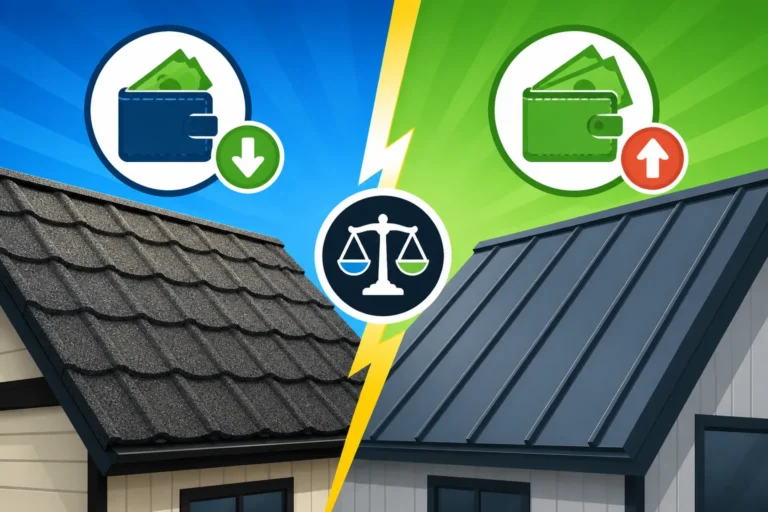
While the upfront cost of a metal roof in Denver can be higher than traditional asphalt shingles, it’s truly an investment that pays dividends over time.
- Exceptional Lifespan: Metal roofs are renowned for their longevity, often lasting 40-70 years or even longer, significantly outperforming asphalt shingles, which typically need replacement every 15-30 years. This means fewer roof replacements over your home's lifetime, saving you money and hassle in the long run. Our article, Metal Roof Cost vs Lifespan Value, explores this in detail.
- Durability Against Denver's Weather: Metal roofs are incredibly resistant to hail, high winds (a common concern in the Front Range), and heavy snow loads. This superior protection means less likelihood of costly repairs after severe weather events.
- Energy Efficiency: Many metal roofs, especially those with reflective coatings, can reflect solar radiant heat, keeping your home cooler in Denver's hot summers and potentially reducing your air conditioning costs. They can also be insulated effectively for winter.
- Increased Home Value: A metal roof is a significant upgrade that enhances your home's curb appeal and can increase its resale value. Buyers often appreciate the durability, longevity, and low maintenance of a metal roof. To understand the financial benefits, read Is a Metal Roof Worth It? ROI, Resale & Payback. You might even qualify for Metal Roof Insurance Savings & Discounts due to the roof's durability.
Here's a quick look at estimated cost ranges for different metal roofing options installed on an average 2,000 sq ft home in Denver. Keep in mind these are broad averages and actual quotes will vary.
| Metal Roof Type | Material Cost Per Sq Ft (Installed) | Total Estimated Cost for 2,000 Sq Ft Home (Installed) | Notes |
|---|---|---|---|
| Exposed Fastener Steel | $7 – $12 | $14,000 – $24,000 | Cost-effective, industrial/rustic look, visible fasteners. |
| Standing Seam Steel | $10 – $20 | $20,000 – $40,000 | Premium option, sleek aesthetic, hidden fasteners, excellent durability. |
| Stone-Coated Steel | $9 – $17 | $18,000 – $34,000 | Mimics traditional shingles/tiles, great hail resistance, good value. |
| Aluminum (Panels/Shingles) | $12 – $22 | $24,000 – $44,000 | Lightweight, exceptional corrosion resistance, often used in shingle or standing seam profiles. |
| Copper or Zinc (Specialty) | $25 – $50+ | $50,000 – $100,000+ | Luxury materials, extreme longevity, unique aesthetic, significant investment. |
Please remember, these are estimates. Factors like roof complexity, current market conditions, specific material manufacturers (like Drexel Metals or PAC-CLAD), and the individual contractor's pricing structure will influence your actual Metal Roof Cost in Denver. Always get detailed, itemized quotes from several local professionals.
Disclaimer
The cost estimates provided in this guide are for informational purposes only and are based on general industry averages and publicly available data for the Denver, Colorado area at the time of writing. Actual costs for your specific metal roofing project may vary significantly due to factors such as roof size and complexity, chosen materials, specific contractor rates, regional market fluctuations, and any unforeseen structural issues. It is always recommended to obtain multiple detailed quotes from qualified local metal roofing contractors for an accurate assessment of your project's cost.