Are There Tax Credits for Metal Roofs?
Replacing an old, worn-out roof is easily one of the biggest and most daunting investments a homeowner can face. It's a significant financial undertaking that often leaves people wondering if there's any way to recoup some of those costs. If you're considering a metal roof, you might be delighted to learn that certain energy-efficient options could qualify you for valuable tax credits and other incentives. This guide will walk you through the specifics of federal tax credits, how to uncover state and local programs, and what you need to do to successfully claim your savings.
Understanding the Federal Tax Credit for Energy-Efficient Home Improvements
When you’re making a major upgrade to your home, like installing a new roof, it's natural to look for ways to lighten the financial load. The federal government, through various legislative acts, has long incentivized homeowners to make their homes more energy-efficient. For metal roofs, the primary vehicle for these savings is the Energy Efficient Home Improvement Credit, often referred to as Section 25C of the tax code. This credit saw significant enhancements and extensions under the Inflation Reduction Act (IRA) of 2022, which is excellent news for anyone planning an energy-saving roof replacement.
The idea behind this credit is simple: encourage homeowners to invest in materials and systems that reduce energy consumption, thereby benefiting both their wallets and the environment. While the credit has evolved over the years, the core principle remains consistent. It's not just about getting a new roof; it's about installing a roof that actively contributes to your home's energy performance, helping to lower your heating and cooling bills for decades to come. This long-term benefit, coupled with the potential upfront tax savings, makes the decision to go metal even more attractive.
What Qualifies a Metal Roof for the Credit?
Not all metal roofs automatically qualify for the federal tax credit, and this is a crucial distinction many homeowners overlook. The credit is specifically for "eligible building envelope components," which include "qualified energy efficiency improvements." For a metal roof to be considered a "qualified energy efficiency improvement," it must meet specific energy performance standards set by the federal government. The key here is typically meeting the ENERGY STAR program requirements.
An eligible metal roof must have a pigmented coating and advanced dimensional aspects designed to reduce the heat gain of your home. This means the surface of the roof is engineered to reflect sunlight and radiate heat away from your house, rather than absorbing it. Think of it this way: a dark, unpigmented metal roof might look sleek, but if it doesn't have those special reflective properties, it won't help cool your home and won't qualify for the credit. You'll need to confirm with your metal roofing contractor that the specific product you choose is ENERGY STAR certified. Reputable manufacturers like CertainTeed, GAF, and Owens Corning often offer ENERGY STAR rated metal roofing products that qualify, and they can provide the necessary documentation. This is where asking the right questions to your contractor, and looking for specific product certifications, becomes incredibly important. You’re not just buying a roof; you’re investing in an energy solution.
How Much Can You Really Save?
The Energy Efficient Home Improvement Credit, as re-established by the Inflation Reduction Act of 2022, offers a credit equal to 30% of the cost of eligible home improvements, including qualifying metal roofs. However, there's a significant annual cap to be aware of: the maximum credit you can claim for exterior property improvements (which includes roofs, windows, and doors) is $1,200 per year. For certain specific improvements like heat pumps or biomass stoves, the cap is higher, but for metal roofs, it generally falls under that $1,200 umbrella.
This means if your qualifying metal roof costs $10,000 to install, you won't get 30% of that total ($3,000) back in a single year. Instead, you'll be limited to the $1,200 maximum for that tax year. It's important to understand that this is a credit, not a deduction. A tax credit directly reduces the amount of tax you owe, dollar-for-dollar. For example, if you owe $5,000 in federal taxes and qualify for a $1,200 credit, your tax liability drops to $3,800. This is generally more valuable than a tax deduction, which only reduces your taxable income. Keep in mind that this $1,200 limit is annual, so if you make other qualifying improvements in different years, you could potentially claim the credit again. This is a crucial detail when you're looking at your overall Metal Roof Cost: Complete 2026 Guide and trying to determine your return on investment.
Beyond Federal: State and Local Incentives
While the federal tax credit is a fantastic starting point, it's far from the only avenue for saving money on an energy-efficient metal roof. Many states, counties, and even local utility companies offer their own incentive programs. These can range from additional tax credits and rebates to grants or low-interest financing options. The landscape of these incentives is constantly shifting, so staying informed about what’s available in your specific area is key to maximizing your savings.
Navigating these various programs can feel like a treasure hunt, but the effort is often well worth it. These incentives exist because local governments and utilities recognize the widespread benefits of energy efficiency – it reduces demand on power grids, promotes sustainability, and helps residents save money in the long run. By tapping into these programs, you're not only making a smart financial decision for your home but also contributing to broader community and environmental goals.
Exploring State-Specific Programs
Many states have their own initiatives to promote energy efficiency and renewable energy, and some of these can directly apply to your metal roof installation. For instance, states like Massachusetts, New York, and California are often at the forefront of energy-saving incentives, offering programs that might include direct rebates or state tax credits for specific energy-efficient home improvements. These can sometimes be layered on top of the federal credit, amplifying your overall savings.
To find out what's available in your state, a great starting point is your state's energy office or public utility commission website. They often have comprehensive lists of programs or links to relevant resources. For example, the Database of State Incentives for Renewables & Efficiency (DSIRE) is a fantastic, free online resource that details state, local, federal, and utility-level incentives and policies that promote renewable energy and energy efficiency. You might discover programs designed to reduce your Metal Roof Cost by State and City or specialized financing options that make that initial investment more manageable. It’s always worth checking, as these state-specific programs can sometimes offer unique benefits not covered by federal initiatives.
Local Utility and Rebate Opportunities
Don't overlook your local utility company! Many power providers, whether they are investor-owned, municipal, or cooperative, offer rebates or incentives for homeowners who upgrade to more energy-efficient systems. This is because reducing overall energy consumption in their service area benefits them too, by lowering peak demand and delaying the need for costly infrastructure upgrades. While not typically a "tax credit," these rebates offer direct money back or bill credits, which can be just as valuable.
These utility programs often have specific requirements, such as purchasing an ENERGY STAR certified product or hiring a contractor from their approved list. For example, companies like Pacific Gas and Electric (PG&E) in California or Duke Energy in the Southeast frequently run programs for energy-efficient upgrades, including roofing solutions that reflect heat and reduce cooling loads. Before you finalize your roofing plans, give your electric, gas, or even water utility company a call or check their website. You might find a rebate that significantly reduces your out-of-pocket expenses for a new, energy-efficient metal roof, making your decision even easier. It's an important part of calculating your overall Is a Metal Roof Worth It? ROI, Resale & Payback and understanding the true cost savings.
The Process: Claiming Your Metal Roof Tax Credit
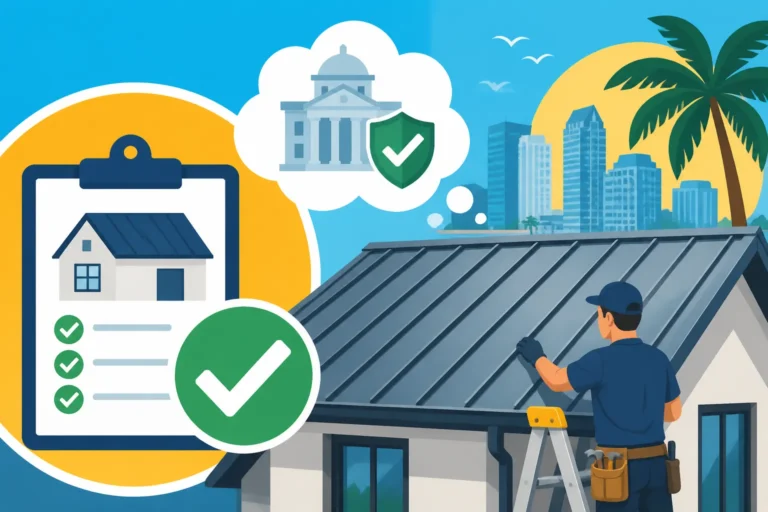
Once you've done your homework and chosen a qualifying energy-efficient metal roof, the next step is ensuring you correctly claim the tax credit. It's not as simple as just deducting the cost; there are specific forms and documentation required by the IRS. Rushing through this process or neglecting to keep proper records could mean missing out on those valuable savings you worked hard to secure.
The good news is that with a little organization and attention to detail, claiming your credit can be straightforward. The key is to be proactive from the very beginning of your roofing project, gathering the necessary information as you go. This meticulous approach will save you headaches come tax season and ensure you reap the full benefits of your energy-efficient investment. Remember, this credit is designed to reward you for making smart choices, so make sure you follow through on the paperwork!
Essential Documentation and Forms
To claim the federal Energy Efficient Home Improvement Credit for your metal roof, you'll need to file IRS Form 5695, "Residential Energy Credits," with your annual tax return. This form is where you'll report the cost of your qualifying improvements and calculate your credit amount. But before you fill out Form 5695, you need to have your ducks in a row with supporting documentation.
Crucially, you'll need detailed receipts for the purchase and installation of your metal roof. These receipts should clearly show the cost of the materials and the labor for installation. Additionally, you must obtain a Manufacturer's Certification Statement for the specific metal roofing product you installed. This statement confirms that the roof meets the necessary ENERGY STAR requirements and is eligible for the tax credit. Your reputable roofing contractor or the material supplier should be able to provide this to you. Without this certification, the IRS might question your claim. It’s also wise to keep a copy of your signed contract with your roofing contractor, like those found when you're learning How to Hire a Metal Roofing Contractor, as further proof of the work performed. Think of it as building a robust case for your tax savings!
Common Pitfalls to Avoid
Even with the best intentions, homeowners sometimes stumble when trying to claim energy-efficient tax credits. One of the most common pitfalls is simply not verifying that their chosen metal roof actually meets the ENERGY STAR criteria. It's not enough for a contractor to say it's energy-efficient; you need that official Manufacturer's Certification Statement. Always ask for this documentation before work begins or shortly after the purchase. Another frequent mistake is misinterpreting the credit limits. As mentioned, the federal credit for roofs typically has an annual cap of $1,200, regardless of the total project cost. Some homeowners mistakenly believe they can claim 30% of their entire roof cost, leading to disappointment or potential issues with the IRS.
Furthermore, failing to keep thorough records is a recipe for trouble. Beyond just the Manufacturer's Certification and receipts, it's a good idea to keep photographs of the old roof, details of the Metal Roof Installation Process: Step by Step, and any other documentation related to the project. Should the IRS ever audit your return, having a complete paper trail will be invaluable. Finally, always consult with a qualified tax professional. While this guide provides general information, your individual tax situation can be complex, and a tax advisor can offer personalized guidance to ensure you claim all eligible credits correctly and avoid any unintentional errors. They can also help clarify if you need a Do You Need a Permit for a Metal Roof? and how that impacts documentation.
Federal Tax Credit Summary for Metal Roofs (25C)
To help you quickly grasp the key details of the federal tax credit for energy-efficient metal roofs, here's a brief summary:
| Feature | Details |
|---|---|
| Credit Name | Energy Efficient Home Improvement Credit (25C) |
| Effective Period | Improvements placed in service after January 1, 2023, through December 31, 2032 (as per Inflation Reduction Act of 2022). |
| Credit Amount | 30% of the cost of eligible improvements. |
| Annual Limit (Roofs) | Maximum $1,200 per taxpayer per year for a combination of certain home envelope improvements (including qualifying metal roofs, windows, and doors). |
| Qualification | Metal roof must be ENERGY STAR certified, with pigmented coatings and advanced dimensional aspects that reduce the heat gain of your home. |
| Required Forms | IRS Form 5695, "Residential Energy Credits," filed with your federal tax return. |
| Documentation Needed | Detailed receipts for purchase and installation, Manufacturer's Certification Statement confirming ENERGY STAR compliance. |
| Benefit Type | Non-refundable tax credit (reduces tax liability, does not result in a refund beyond tax owed). |
| Who Can Claim | Homeowners who install qualifying improvements on their primary residence (new construction does not typically qualify, must be existing home). |
Remember, this table provides a general overview. Always consult the latest IRS guidelines or a tax professional for advice specific to your situation. This credit can significantly impact your overall Metal Roof Cost vs Asphalt Shingle Cost analysis, making the premium for a metal roof even more justifiable.
Disclaimer: Please be aware that the information provided in this guide is intended for general informational purposes only and does not constitute financial, tax, or legal advice. Tax laws and incentives can change frequently and vary by location and individual circumstances. We strongly recommend consulting with a qualified tax professional or financial advisor to discuss your specific situation and ensure you meet all requirements for any potential tax credits or incentives related to your metal roofing project.