Do You Need a Permit for a Metal Roof in Miami?
Thinking about replacing your roof with a shiny, durable metal one in Miami? That's a fantastic choice for our unique climate! But before you start picking out colors, there's often a big question mark looming: "Do I actually need a permit for this?" The answer, my friend, is almost always a resounding yes. Trying to navigate the permitting labyrinth can feel like a headache before the project even begins, but understanding the rules is crucial to avoid serious issues down the line. This guide will walk you through everything you need to know about securing a metal roof permit in Miami, making the process much clearer and less stressful.
The Absolute Necessity of a Permit for Metal Roofs in Miami
Let's cut right to the chase: if you're installing a new metal roof, replacing an old one, or even making significant repairs in Miami, you absolutely need a permit. This isn't just bureaucratic red tape; it's a critical step designed to protect your home, your family, and your investment, especially in a region prone to severe weather events like hurricanes. Skipping this step can lead to a whole host of expensive and frustrating problems later on.
Understanding Florida's Building Codes and HVHZ Requirements
Florida, and particularly South Florida, has some of the most stringent building codes in the nation, and for very good reason. We live in a High-Velocity Hurricane Zone (HVHZ), which includes Miami-Dade and Broward counties. This designation means that construction, including roofing, must meet enhanced standards to withstand extreme winds and driving rain. The Florida Building Code (FBC), with its HVHZ amendments, dictates specific requirements for metal roof systems, from the gauge of the metal to the fastening methods and the type of underlayment.
When you apply for a permit, you're essentially submitting your project plans to the local building department to ensure they comply with these codes. This review isn't just a formality; it ensures that your new metal roof will actually perform as expected when the next hurricane rolls through. For instance, the code will specify things like the uplift resistance of your chosen metal panels and the number and type of fasteners required per square foot. If you're looking into specific types, you might want to delve into topics like Florida Metal Roof Codes: FBC, HVHZ & Approvals which covers these details more broadly. Without a permit and the subsequent inspections, there's no official oversight to guarantee your roof meets these life-saving standards. Imagine investing in a beautiful new metal roof, only to find out during a storm that it wasn't installed correctly to code and isn't as secure as you thought. That's a nightmare scenario that permitting aims to prevent.
The Role of Local Miami-Dade Authorities
While the Florida Building Code provides the overarching framework, local Miami-Dade County and city-specific building departments are the ones responsible for enforcing these codes and issuing permits. Each municipality within Miami-Dade (like the City of Miami, Coral Gables, Miami Beach, etc.) will have its own building department, and while their core requirements will align with the FBC, their application processes, specific forms, and fee structures can vary slightly.
For example, the Miami-Dade County Regulatory and Economic Resources Department (RER) oversees permitting for unincorporated areas and sets the baseline for all municipalities. When you submit your application, their team of plan reviewers will scrutinize your submitted drawings, product approvals, and contractor information. They're looking for evidence that your metal roofing system, whether it's standing seam, corrugated, or metal shingles, has a current Florida Product Approval (often referenced as an FL number) and that the installation methods detailed by your contractor adhere strictly to those approvals and the FBC. This hyper-local scrutiny ensures that the materials and installation methods are suitable for the intense weather conditions unique to our coastal environment. It's their job to make sure that the investment you're making in a durable metal roof truly pays off in terms of protection and longevity.
Navigating the Miami-Dade Permitting Process
Getting a permit for a metal roof in Miami might seem daunting, but it's a well-established process. The good news is that a reputable metal roofing contractor will handle most of this for you. However, it's always smart to understand the steps involved so you can be an informed homeowner and ensure everything is done correctly.
Required Documentation and Application Steps
The first step is typically preparing a comprehensive permit application package. This isn't just one form; it's usually a collection of documents that provide all the necessary details about your project. Here’s what you can generally expect to be included:
- Permit Application Form: Filled out with property owner information, contractor details, and a description of the work.
- Notice of Commencement (NOC): For projects exceeding a certain value (often $2,500), an NOC must be filed with the county and prominently displayed at the job site. This protects property owners and notifies lien holders.
- Proof of Contractor Licensing and Insurance: Your contractor must provide copies of their current state certification or local competency card, as well as their liability and workers' compensation insurance. Make sure to check their credentials carefully; you can learn more about this in How to Hire a Metal Roofing Contractor.
- Product Approvals: Documentation for the specific metal roofing product you intend to use. This will include Florida Product Approval numbers (FL numbers) which confirm the product has been tested and approved for use in Florida's wind zones. These typically outline the material, gauge, finish, and approved fastening schedules.
- Roof Plan/Drawings: Simple drawings indicating the roof layout, dimensions, and the type of metal roofing system being installed. Sometimes, a detailed engineering drawing is required, especially for complex roofs or specific types of metal panels.
- Existing Roof Information: Details about the current roof, including the number of layers and material type, especially if you're considering Installing a Metal Roof Over Shingles.
- Homeowner's Association (HOA) Approval: If your property is part of an HOA, you’ll likely need to provide proof of their approval for your roofing material and color choice. Many HOAs have specific guidelines, even for metal roofs.
Once all documentation is gathered, your contractor (or you, if you're a DIY enthusiast, though that's rare for metal roofs) will submit the application to the relevant Miami-Dade building department. This can often be done online through portals like the Miami-Dade County's Citizens Access portal, which streamlines the submission and review process. After submission, the plans will go through a review by various departments, including zoning and structural, to ensure full compliance. This review phase can take anywhere from a few days to several weeks, depending on the complexity of the project and the department's workload. Patience is key here!
Essential Inspections and Approvals
Obtaining the permit is just the first hurdle; the next crucial phase involves inspections. Once the permit is issued and work begins, the local building department will send inspectors to your property at various stages of the installation to verify that the work is being performed according to the approved plans and the Florida Building Code. These inspections are non-negotiable and are designed to catch any potential issues before they become major problems.
Common inspection stages for a metal roof typically include:
- Mid-Roof or Dry-In Inspection: This happens after the old roof (if any) has been torn off, the deck has been inspected for damage, and the underlayment is installed, but before the metal panels are fastened down. The inspector will check the condition of the roof deck, the type and installation of the underlayment, and sometimes the fastening pattern for the initial layers. They want to ensure the base is solid and ready for the metal. Proper underlayment, like synthetic felt or ice and water shield, is critical for water resistance, especially in heavy rain. You can learn more about this in our guide on Metal Roof Underlayment and Ventilation Guide.
- Final Inspection: Once the entire metal roof system, including all panels, trim, flashing, and accessories, has been installed, a final inspection is scheduled. The inspector will check the overall workmanship, verify correct fastening, ensure all flashing around chimneys, skylights, and valleys is properly sealed, and confirm that the finished roof matches the approved plans. They'll also look for aesthetic issues that might compromise the roof's integrity. Only after the final inspection passes will the permit be officially closed, signifying that the work has been completed in compliance with all codes.
It's vital that these inspections are called for and passed. If an inspection fails, your contractor will need to correct the deficiencies and have the work re-inspected. Without a final passed inspection and a closed permit, your roofing project isn't considered legally complete, which can have significant repercussions.
Consequences of Skipping the Permit Process
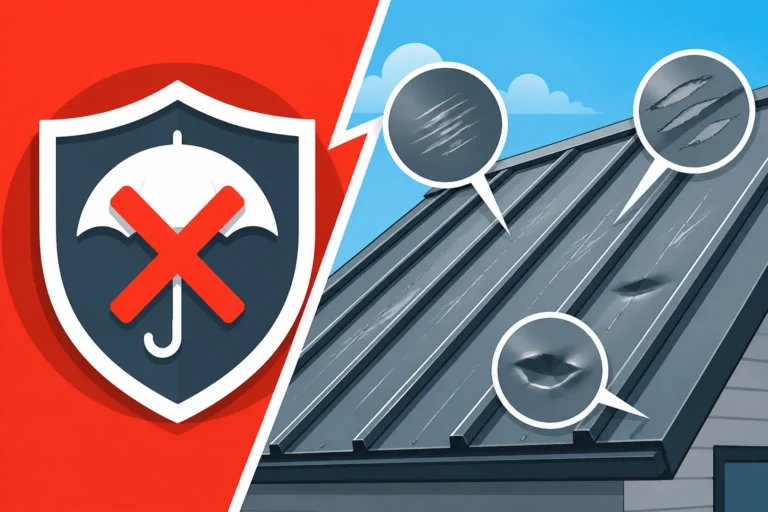
You might be tempted to bypass the permit process to save time or money, but in Miami, this is a gamble that almost never pays off. The consequences for unpermitted work are severe and far-reaching, often costing far more in the long run than the initial permit fees and perceived hassle.
Potential Fines and Legal Issues
The most immediate risk of unpermitted work is getting caught, which can lead to hefty fines from the local municipality. Miami-Dade County and its cities are proactive in enforcing building codes. Code enforcement officers routinely investigate complaints, and visible new construction or renovations without a permit are easily flagged. Once discovered, you'll likely face stop-work orders, requiring all construction to cease immediately until a permit is obtained.
Even worse, you could be fined retroactively, with penalties often accruing daily until the issue is resolved. These fines can quickly escalate into thousands of dollars, dwarfing the original cost of the permit. Furthermore, you’ll then be required to apply for a permit, which may involve additional fees for "after-the-fact" permitting and potentially more rigorous inspections to prove the work was done correctly. If the work doesn't meet code, you might be forced to tear off and redo sections of your brand-new metal roof at your own expense. This isn't just an inconvenience; it's a significant financial hit that could have been entirely avoided by following the proper procedures from the start.
Impact on Homeowner's Insurance and Future Sales
Beyond the immediate legal and financial penalties, unpermitted work can create serious long-term problems, particularly concerning your homeowner's insurance and the future sale of your property. Most insurance policies contain clauses that could deny coverage for damages if the work that led to the damage was performed without the necessary permits and inspections. For instance, if a hurricane damages your unpermitted metal roof, your insurance company might refuse to cover the repair costs, arguing that the roof's integrity was never officially verified to meet code. This could leave you on the hook for tens of thousands of dollars in repairs. You might be interested in knowing more about how permits affect insurance by reading our article on Metal Roof Insurance Discounts: How to Save.
When it comes time to sell your home, unpermitted work can be a massive red flag for potential buyers and their lenders. During a home inspection or appraisal, unpermitted roof work will almost certainly be discovered. Buyers' lenders will often require that all unpermitted work be brought up to code and permitted before they approve a loan, or they might deny the loan altogether. This means you, as the seller, would have to go through the costly and time-consuming process of retroactively permitting the roof, or even replacing it entirely, just to finalize the sale. This not only delays the sale but can also significantly reduce your home's market value. A fully permitted and inspected metal roof, on the other hand, adds undeniable value and peace of mind to your property, making it a much more attractive asset.
Working with Your Contractor for Permit Success
The good news is that you don't have to navigate the Miami-Dade permitting process entirely alone. A truly professional metal roofing contractor will consider the permitting process a standard part of their service. In fact, it's one of the best indicators of a reputable company.
Ensuring Your Contractor Handles the Permit
It's generally the responsibility of the licensed contractor performing the work to pull the necessary permits. This is a critical point that you should always verify. If a contractor suggests you pull the permit yourself, or worse, suggests skipping the permit entirely, consider that a major red flag. There are legitimate reasons why a homeowner might pull a permit for minor DIY projects, but for a complex installation like a metal roof, it's usually indicative of a contractor who either isn't licensed, isn't insured, or is trying to cut corners.
When a contractor pulls the permit, it signifies their commitment to doing the work correctly and in compliance with all local regulations. It also means their license and insurance are on record with the city or county, providing an extra layer of protection for you, the homeowner. They understand the specific requirements of the Miami-Dade Building Department, know which forms to fill out, what documentation is needed, and how to schedule inspections. They're also aware of the latest updates to the Florida Building Code and HVHZ requirements. This expertise is invaluable and saves you a tremendous amount of stress and potential errors. Always ensure the contractor's name appears on the permit as the "contractor of record" for the roofing project. Don't fall for any handshake deals or "cash jobs" that promise to bypass the legal requirements.
Key Questions to Ask Your Roofer About Permits
Before signing any contract, it's crucial to have a detailed discussion with your prospective metal roofing contractor about the permitting process. This is your opportunity to gauge their professionalism and ensure they're on the up-and-up. Here are some essential questions to ask:
- "Will you handle all aspects of the permit application and management?" A clear "yes" is what you're looking for. They should confirm they will submit all plans, documentation, and call for all required inspections.
- "What is the estimated timeline for obtaining the permit in Miami-Dade County?" While they can't give an exact date, they should have a realistic understanding of typical processing times, which can fluctuate. This helps manage your expectations for the overall project schedule, especially with the demand for metal roofs.
- "What specific product approvals (FL numbers) will you be using for the metal roofing materials, and can I see them?" A good contractor will be transparent about the exact products they plan to install and their corresponding Florida Product Approvals, confirming they meet HVHZ standards.
- "Who will be responsible for scheduling the inspections, and how will I be kept informed?" The contractor should be the one to schedule inspections. They should also have a communication plan in place to let you know when inspectors are expected and what the results are.
- "What is the cost of the permit, and is it included in my overall quote?" Permit fees can vary, but they should be clearly itemized or included in your total project cost. Knowing the full scope of Metal Roof Cost: Complete 2026 Guide helps avoid surprises.
- "What happens if an inspection fails?" Understand their process for correcting deficiencies and rescheduling inspections. A confident contractor will explain their commitment to quality and code compliance.
Asking these questions helps ensure you're working with a reputable contractor who prioritizes quality, safety, and legal compliance. It’s also a good idea to read our guide on Questions to Ask a Metal Roofing Contractor Before You Hire for an even more comprehensive list. Ultimately, your metal roof is a significant investment, and ensuring it's properly permitted and installed is the best way to protect that investment for decades to come.
Here's a quick checklist to help you keep track of permit essentials:
| Permit Step / Item | Description | Responsibility | Why It Matters |
|---|---|---|---|
| Permit Application | Formal request to the local building department for approval of work. | Contractor | Initiates the legal approval process. |
| Florida Product Approvals (FL#) | Documentation proving roofing materials meet Florida Building Code/HVHZ standards. | Contractor | Guarantees materials are safe and strong for Miami's climate. |
| Notice of Commencement (NOC) | Official public notice of a construction project for larger jobs (often >$2,500). | Homeowner (filed by contractor) | Protects against liens, mandatory for projects above a certain value. |
| Mid-Roof/Dry-In Inspection | Checks roof deck, underlayment, and initial fastening before panels are fully installed. | Building Department (scheduled by contractor) | Ensures foundational layers are correct and up to code before concealment. |
| Final Inspection | Checks complete installation of panels, trim, flashing, and overall workmanship. | Building Department (scheduled by contractor) | Verifies final product meets all code requirements, closes permit. |
| Permit Fees | Costs associated with processing the application and inspections. | Contractor (usually included in quote) | Necessary payment for county/city services, ensures project legitimacy. |
Final Thoughts on Metal Roof Permitting in Miami
The journey to a beautiful, long-lasting metal roof in Miami involves more than just selecting the right material and finding a great contractor. It absolutely includes navigating the permitting process. While it can feel like an extra hoop to jump through, remember that permits and inspections are there for your protection, ensuring your home meets the rigorous standards necessary to withstand our challenging climate. From securing the proper documentation to passing those crucial inspections, every step contributes to the safety, durability, and legality of your investment. Don't let the paperwork intimidate you; instead, see it as a vital component of a well-executed roofing project.
Choosing to install a metal roof is a smart decision, one that often brings with it incredible benefits in terms of longevity, energy efficiency, and resilience. By understanding and respecting the permit requirements in Miami-Dade County, you're not just complying with the law; you're actively safeguarding your home and ensuring that your new metal roof will stand strong for decades to come.
Disclaimer
Please note that building codes, regulations, and permit requirements can change. While this guide provides comprehensive information, it is not legal advice. Always consult with the official Miami-Dade County Building Department or your specific city's building department, as well as a licensed and insured metal roofing contractor, for the most current and specific requirements for your project.