Can My HOA Stop Me From Getting a Metal Roof in Arizona?
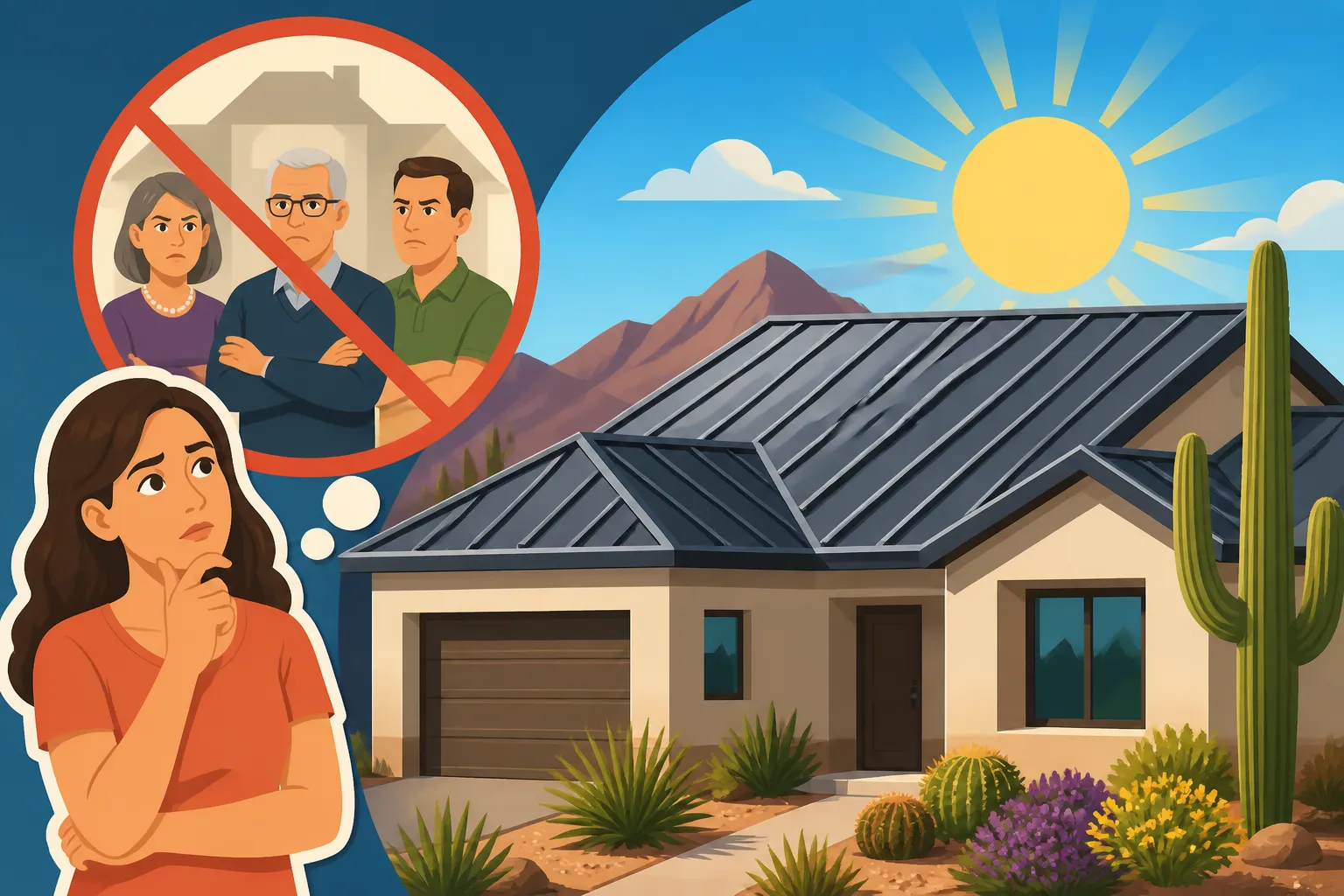
It's incredibly frustrating when you're dreaming of upgrading your home with a durable, beautiful metal roof, only to have that dream potentially derailed by your Homeowners Association (HOA). In Arizona, where the intense sun and monsoon storms make a resilient roof almost a necessity, many homeowners wonder if their HOA can truly block their desire for a long-lasting metal roofing system. This guide is here to shed light on how Arizona HOAs operate, what powers they wield, and how you can navigate the process to get the metal roof you want.
Understanding Arizona HOA Powers and Metal Roof Regulations
When you live in an HOA community in Arizona, you're not just buying a home; you're agreeing to a set of rules and regulations that govern how you can use and modify your property. These rules are usually laid out in documents like the Covenants, Conditions, and Restrictions (CC&Rs), bylaws, and architectural guidelines. It can feel a bit like stepping into a labyrinth, but understanding where your HOA's authority comes from is the first crucial step.
The Legal Framework in Arizona for HOAs
In Arizona, Homeowners Associations derive their power primarily from their governing documents, which are legally binding. The Arizona Revised Statutes (ARS), particularly Title 33, Chapter 16, which covers Planned Communities, outlines the general framework for how HOAs are created, operated, and what powers they can exercise. While Arizona law does provide some protections for homeowners in certain areas, such as the right to install solar energy devices (with reasonable restrictions from the HOA), it doesn't generally preempt an HOA's right to regulate the aesthetic appearance and materials of homes, including roofing. This means that if your HOA's CC&Rs explicitly state a preference for, or restriction against, certain roofing types or colors, that's usually the rule you'll have to contend with.
For example, if your CC&Rs in a Phoenix suburb explicitly state that all homes must have "tile or asphalt shingle roofs only," then proposing a metal roof will directly conflict with that language. The challenge often lies in how broadly or narrowly these rules are written. A very specific restriction is hard to argue against, whereas a more general statement about "maintaining architectural harmony" might leave more room for interpretation and negotiation.
Typical HOA Restrictions on Roofing Materials
HOAs often have very clear ideas about what constitutes "acceptable" roofing within their community. These restrictions aren't necessarily meant to be punitive; rather, they're designed to maintain property values, aesthetic consistency, and a cohesive look throughout the neighborhood. However, what feels like consistency to the HOA board can feel like an arbitrary barrier to a homeowner looking for modern upgrades.
Common restrictions you might encounter include:
- Material Type: Some HOAs flat out prohibit metal roofs, preferring traditional materials like tile, asphalt shingles, or concrete products. They might have a specific list of approved materials or an exclusion list for unapproved ones.
- Color Palettes: Even if metal roofs are allowed, there might be a very limited palette of approved colors. Think earthy tones, grays, or specific shades that blend with the desert landscape or a predetermined community theme. This is where you'll need to research Best Metal Roof Colors and How to Choose for your property.
- Profile and Style: Certain profiles, like highly visible corrugated panels, might be restricted in favor of lower-profile options like standing seam or metal shingles that mimic traditional materials. The HOA might want to ensure the roof style complements the existing architecture.
- Energy Efficiency Mandates: On the flip side, some forward-thinking HOAs, particularly in areas like Scottsdale or Tucson known for embracing sustainability, might actually encourage energy-efficient roofing materials. Since metal roofs can be excellent "cool roofs" that reflect solar radiation, this could potentially be an argument in your favor, if applicable.
When you're dealing with an HOA, it’s not enough to simply want a metal roof. You need to thoroughly understand your community's specific guidelines. This often means requesting a copy of the CC&Rs, bylaws, and architectural review guidelines from your HOA management company or board. Don't rely on hearsay or what a neighbor did years ago; rules can change, and interpretations vary.
Navigating Your HOA's Approval Process for a Metal Roof
So, you've read through your HOA documents, and it looks like there might be a glimmer of hope for your metal roof. Great! Now comes the actual process of getting approval. This stage requires meticulous preparation, clear communication, and a good dose of patience. Rushing this step or submitting incomplete information is a surefire way to get a rejection letter.
Reviewing Your CC&Rs and Bylaws Thoroughly
This step cannot be overstated. Before you even think about calling a contractor, you absolutely must dive deep into your HOA's governing documents. You're looking for specific clauses related to exterior modifications, roofing materials, architectural review processes, and timelines.
Here's what to look for:
- Explicit Language: Does it specifically mention metal roofs? Is it a "yes," a "no," or something vague like "roofing materials must be approved by the architectural committee"?
- Architectural Review Committee (ARC): Most HOAs have an ARC responsible for reviewing exterior modifications. Understand their role, their authority, and their review criteria. Are they looking for specific material types, colors, or an overall "look and feel"?
- Submission Requirements: What do they need from you? Is it just an application form, or do they require samples, drawings, specifications, contractor information, and project timelines?
- Approval Timelines: HOAs often have a set period within which they must respond to your request. Knowing this timeline is crucial so you can follow up appropriately and not miss deadlines for starting your project.
- Amendment Process: Are there any provisions for amending the CC&Rs? This is usually a long shot for an individual homeowner, but understanding it can give context to the rigidity of the rules.
Imagine you live in a community like Estrella in Goodyear, known for its specific architectural guidelines. Their documents might detail specific roof tile styles and colors. If you propose a bright red corrugated metal roof, you’re likely to face an immediate challenge. However, if you propose a dark gray standing seam metal roof that mimics a traditional slate or shake, and your CC&Rs simply refer to "durable, aesthetically pleasing roofing materials," you might have a strong case. This is where understanding Can an HOA Deny a Metal Roof? really comes into play.
Submitting Your Metal Roof Proposal
Once you've done your homework, it's time to prepare a comprehensive and compelling proposal. Think of this as making your best case to the HOA board or ARC. The more information you provide, the better equipped they are to make an informed decision, and the less likely they are to ask for additional details, which can delay the process.
Your proposal should typically include:
- A Detailed Application Form: Most HOAs have a specific form for architectural modifications. Fill it out completely and accurately.
- Project Description: Clearly state your intention to install a metal roof, specifying the material (e.g., steel, aluminum), profile (e.g., standing seam, corrugated, stone-coated steel), and the chosen color.
- Material Samples: Provide actual physical samples or high-quality photos of the exact metal panels and color you intend to use. This helps the committee visualize the final look.
- Manufacturer Specifications: Include data sheets from the metal roofing manufacturer detailing the product's durability, warranty, energy efficiency ratings (like ENERGY STAR certification), and any Class A fire rating or high wind resistance. These facts can often impress an HOA looking for long-term solutions.
- Architectural Renderings or Drawings: If possible, include a drawing or rendering of your house with the proposed metal roof. This provides a visual representation and helps the committee understand how it will blend with your home's existing aesthetic and the neighborhood.
- Contractor Information: Include details about your chosen metal roofing contractor, emphasizing their experience with metal roofs, licensing, and insurance. This demonstrates you're working with a professional. You might find it helpful to refer to How to Hire a Metal Roofing Contractor when vetting companies.
- Rationale: Briefly explain why you want a metal roof. Focus on the benefits that align with general community goals, such as longevity, durability against Arizona's extreme weather, energy efficiency, and low maintenance.
Remember that HOAs are typically volunteer boards, and clarity and completeness make their job easier, which can often translate to quicker approval. Be polite, professional, and prepared for questions. Submitting a well-thought-out plan, potentially with options that closely match existing community aesthetics (e.g., choosing a metal shingle that looks like tile), significantly increases your chances of approval. This is also where understanding your specific needs and what is allowed for Metal Roof Permits and Codes by State can be helpful.
What to Do if Your Metal Roof Request is Denied
Facing a denial from your HOA after all that preparation can feel like a punch to the gut. It's easy to get discouraged, but remember, a denial isn't always the final word. There are often avenues for appeal or negotiation, especially if you approach the situation strategically and calmly.
Understanding the Reasons for Denial
The first and most important step after a denial is to get a clear, written explanation from your HOA about why your request was rejected. Without this, you're just guessing. Common reasons for denial include:
- Aesthetic Inconsistency: The most frequent reason. The HOA might feel the proposed metal roof doesn't match the architectural style of the community, or the color is outside the approved palette. For example, if your Chandler community is designed with a specific Southwestern adobe aesthetic, a highly reflective silver metal roof might be deemed too modern.
- Material Prohibition: Your CC&Rs might explicitly ban metal roofing, and the board is simply enforcing existing rules.
- Incomplete Submission: You might have inadvertently left out a required piece of information or documentation, leading to a procedural denial rather than a denial based on the material itself.
- Board Interpretation: Sometimes, the denial comes down to the current board's interpretation of vague language in the CC&Rs. "Maintain harmonious appearance" can mean different things to different people.
Once you have the specific reasons, you can assess whether it's a hard "no" based on explicit rules or a more subjective rejection that might be open to discussion.
Appealing the Decision and Seeking Resolution
If the denial isn't based on an explicit, undeniable prohibition in your CC&Rs, you have options for appeal. The process for this should be outlined in your HOA's governing documents, so revisit them.
Here’s a general approach:
- Formal Appeal: Follow the HOA's stated appeal procedure. This usually involves writing a formal letter to the board or ARC, addressing each point of their denial. You'll want to present counter-arguments or modifications to your original proposal. For instance, if they denied your initial choice of a standing seam roof for aesthetic reasons, perhaps a stone-coated steel roof, which often mimics the look of tile or shingles, might be a suitable compromise.
- Offer Compromises: Are you willing to change the color? Alter the profile to something less conspicuous? This shows you're committed to the community's aesthetic while still achieving your goal of a metal roof. You could even research various Metal Roofing Types Explained: Profiles & Panels to present alternative options.
- Highlight Benefits: Reiterate the benefits of metal roofing that align with property values and community well-being – superior durability, longevity (reducing future roof replacements), fire resistance (especially important in Arizona's dry climate), and energy efficiency. These are all things that can enhance the entire community. You might point to the benefits outlined in Metal Roof Insurance Discounts: How to Save, as this could be a compelling point for the entire community.
- Gather Support: If other neighbors are also interested in metal roofs or have faced similar issues, a united front can sometimes be more persuasive. While rare, if a significant number of homeowners want to update their roofing options, it might prompt the HOA to consider amending the CC&Rs, though this is a lengthy and complex process.
- Mediation: If the situation remains deadlocked, some HOAs offer mediation services. A neutral third party can help facilitate a discussion and find common ground.
- Legal Counsel: As a last resort, if you believe the HOA is acting outside its authority, arbitrarily, or in bad faith, you might consult an attorney specializing in HOA law. This is a significant step and should only be considered after exhausting all other options, as it can be costly and time-consuming. However, sometimes just knowing your legal options can empower you in negotiations.
A thorough understanding of What a Metal Roof Contract Should Include from your contractor will also give you confidence during this stage, showing the HOA that you've done your due diligence.
The Benefits of a Metal Roof and HOA Considerations
It's not just about what the HOA says "no" to; it's also about presenting a compelling "yes" for why a metal roof is a smart choice for your Arizona home and potentially for the entire community. Educating your HOA about the modern advantages and aesthetic versatility of metal roofing can sometimes turn a hesitant board into an approving one.
Energy Efficiency and Longevity Arguments
Arizona's intense heat is a constant battle for homeowners, and energy efficiency is a huge concern. This is where metal roofs truly shine and can be a strong argument in your favor when dealing with an HOA.
- Cool Roof Properties: Many metal roofs, especially those with lighter colors or specialized coatings, are highly reflective. They can reflect up to 70% of the sun's energy, significantly reducing heat gain in your attic and home. This translates directly to lower air conditioning bills, a benefit any homeowner in Arizona can appreciate. When discussing this with your HOA, you can emphasize how a metal roof helps in the fight against high energy costs for homeowners and contributes to a more sustainable community.
- Exceptional Lifespan: Metal roofs are renowned for their incredible longevity, often lasting 40-70 years or even more. Compare this to asphalt shingles, which typically need replacement every 15-20 years in Arizona's harsh climate. This means fewer roof replacements over time, reducing disruption in the community, waste in landfills, and long-term costs for homeowners. This point can resonate with an HOA focused on maintaining property values and avoiding frequent home renovation projects. It's truly a long-term investment, as highlighted in topics like Metal Roof Cost vs Lifespan Value.
- Durability Against Arizona's Elements: From scorching UV rays to fierce monsoon winds and hail, Arizona weather is brutal on roofs. Metal roofs offer superior resistance to these elements. They don't crack, rot, or warp like some traditional materials, and they can withstand incredibly high wind speeds. This resilience means less damage, fewer repairs, and greater peace of mind for homeowners, which again contributes to overall community stability.
Presenting these facts, backed by manufacturer specifications, can shift the conversation from a purely aesthetic one to a practical, value-driven discussion.
Aesthetic Diversity of Modern Metal Roofing
One of the biggest hurdles for metal roofs in HOAs is often an outdated perception. Many people still picture shiny, corrugated barn roofs when they hear "metal roof." Modern metal roofing, however, is a world away from that.
- Variety of Profiles: Today's metal roofs come in an incredible array of profiles that can mimic almost any traditional roofing material. You can get metal shingles that look exactly like asphalt shingles, metal tiles that perfectly replicate clay or concrete tiles, and even metal shakes that resemble wood shakes. Stone-Coated Steel Roof Cost is a popular option that often passes HOA muster because it blends so well. Standing seam is another elegant option, offering clean lines that complement modern and traditional homes alike, as discussed in Standing Seam Metal Roof Cost.
- Rich Color Palettes: Beyond the classic metallic shades, modern metal roofs are available in a vast spectrum of colors, including matte finishes, earthy tones, grays, and even vibrant hues. Many manufacturers, like Petersen Aluminum Corporation (PAC-CLAD) or McElroy Metal, offer extensive color charts designed to blend seamlessly with various architectural styles and regional aesthetics. This means you can likely find a metal roof color and style that not only meets your HOA's aesthetic guidelines but also enhances your home's curb appeal.
- Enhanced Curb Appeal: When chosen thoughtfully, a metal roof can significantly enhance a home's curb appeal and even increase its resale value. The clean lines, vibrant colors, and distinctive textures of modern metal roofing can elevate a home's exterior, making it stand out in a positive way. This is a huge selling point for HOAs, whose primary goal is often to maintain or increase property values within the community.
By bringing samples, brochures, and images of beautiful, modern metal roofs, you can help your HOA board overcome their preconceived notions and see the true potential of this roofing material. It's about showing them that a metal roof isn't just practical; it can be an aesthetic upgrade that benefits everyone.
Common HOA Roofing Guidelines in Arizona
While specific rules vary greatly from one HOA to another, there are some common themes you'll encounter in Arizona regarding roofing. Understanding these general expectations can help you prepare your proposal and anticipate potential pushback.
Material Specificity and Approved Lists
Many Arizona HOAs have very specific language in their CC&Rs or architectural guidelines about permitted roofing materials. It's not uncommon to see phrases like "roofs shall be constructed of concrete tile, clay tile, or asphalt shingles." If your documents have such explicit wording, introducing a new material like metal can be challenging.
In communities designed with a strong Southwestern or Mediterranean architectural theme, which is prevalent across Arizona cities like Tucson, Mesa, and Chandler, the preference for tile roofs (whether clay or concrete) is very strong. If your HOA has an "approved materials list," and metal roofing is not on it, your best bet is often to choose a metal profile that mimics an approved material. For instance, metal tiles that look exactly like clay tiles, or metal shakes that replicate wood, might be accepted where generic standing seam panels might not be. This is where researching Metal Shingle Cost or stone-coated steel options becomes important.
Color and Reflectivity Standards
Given Arizona's intense sun, many HOAs are concerned about roof color and reflectivity. While they might not explicitly mention "cool roofs," their guidelines often steer homeowners towards specific color palettes. Lighter, earthier tones are frequently preferred to avoid roofs that appear too bright, shiny, or out of place.
Some HOAs might even have rules regarding the Solar Reflectance Index (SRI) of roofing materials, though this is less common at the HOA level and more at the municipal building code level (like for green building initiatives). If your HOA's concern is purely aesthetic, providing samples of matte-finish metal roofs or those with lower reflectivity can address their concerns. If their concern is also about heat island effect or overall energy efficiency, then highlighting the "cool roof" properties of your chosen metal material can be a strong point.
Architectural Harmony and Maintenance Expectations
HOAs are fundamentally concerned with maintaining architectural harmony and ensuring properties are well-maintained. A metal roof, with its long lifespan and low maintenance requirements, actually supports the latter. However, the "harmony" aspect is subjective.
- Visual Impact: The HOA will assess how your proposed metal roof will look from the street and how it will blend with your immediate neighbors' homes and the overall community aesthetic. They might be particularly sensitive to exposed fastener systems if most homes have concealed fastener roofs. This is why a detailed visual proposal is so important.
- Long-Term Maintenance: Metal roofs require minimal maintenance compared to other materials, which is a major benefit. They don't rot, split, or shed granules. You can use this to your advantage in your proposal, emphasizing that a metal roof reduces the likelihood of visible disrepair over time, thereby upholding community standards.
It's a balance: you want the benefits of a metal roof, and the HOA wants to protect the community's appearance and property values. Finding common ground often means educating the HOA on how modern metal roofing can satisfy both needs without sacrificing either. This involves knowing your Metal Roof Building Codes Explained and how they apply in Arizona, as well as being prepared to discuss your project thoroughly.
Key Considerations for Your Arizona Metal Roof Project
Beyond the HOA, there are several practical aspects unique to Arizona that you'll want to keep in mind when planning your metal roof project. These can also be points to discuss with your HOA, showing your due diligence.
Local Climate and Material Choices
Arizona's climate, from the dry heat of Phoenix to the cooler high desert around Flagstaff, impacts material choices for metal roofs.
- Extreme Heat and UV: In areas like Mesa, Tempe, or Glendale, the intense sun demands materials and coatings that can withstand extreme UV exposure without fading or chalking. Kynar 500 (PVDF) coatings are excellent for this, offering superior color retention. Aluminum is also a fantastic choice for heat reflection.
- Monsoon Season: High winds and sudden, heavy downpours during monsoon season require robust fasteners and proper installation to prevent leaks or damage. Standing seam systems, with their hidden fasteners and interlocking panels, are particularly effective against high winds. Good underlayment is also crucial, as discussed in Metal Roof Underlayment and Ventilation Guide.
- Hail: While less frequent than in some other states, hail can occur. Higher gauge metal (like 24-gauge steel) or stone-coated steel can offer better dent resistance.
- Coastal Considerations (Not applicable in Arizona, but good to note): For those elsewhere, near coastal areas, corrosion resistance is key, making aluminum or zinc preferred. However, for most of Arizona, this isn't a primary concern.
Your contractor, especially one familiar with metal roofing installations in Arizona, should be able to guide you on the best materials and profiles for your specific microclimate within the state.
Contractor Selection and Permitting
Even if your HOA approves your metal roof, the project isn't a go until you have the right contractor and all necessary permits.
- Vetting Contractors: This is paramount. Look for contractors with extensive experience specifically in metal roofing in Arizona. Ask for references, check their licensing with the Arizona Registrar of Contractors (ROC), and verify their insurance. Don't be afraid to ask detailed questions about their installation process, warranty, and how they handle any potential HOA-related issues. You'll want to check out Questions to Ask a Metal Roofing Contractor Before You Hire.
- Permitting: In Arizona, nearly all roof replacements require a building permit from your city or county. This ensures the work meets local building codes for safety and structural integrity. Your contractor should typically handle the permit application process. Never allow work to begin without the proper permits, as this can lead to fines, delays, and issues with future home sales or insurance. This is a critical point that Do You Need a Permit for a Metal Roof? delves into further.
- Local Codes: Arizona cities and counties have their own specific building codes, often based on the International Building Code (IBC) with local amendments. These codes will dictate aspects like minimum pitch requirements for certain roof types, wind load resistance, and underlayment specifications. A reputable contractor will be well-versed in these local requirements for your area, be it Phoenix, Tucson, Flagstaff, or Prescott.
By showing your HOA that you're not just unilaterally deciding on a roof but are also considering all necessary permits, codes, and reputable contractors, you demonstrate a responsible approach to your home improvement project.
Final Thoughts on HOA and Metal Roofs in Arizona
Getting a metal roof in an HOA-governed community in Arizona can certainly present a unique set of challenges, but it's far from impossible. The key is to be proactive, informed, and strategic. Start by thoroughly understanding your HOA's rules, prepare a detailed and persuasive proposal, and be ready to advocate for the numerous benefits a modern metal roof offers.
Remember, you're not just installing a roof; you're making a significant investment in your home that offers long-term value, superior protection against Arizona's elements, and enhanced energy efficiency. By focusing on these advantages and presenting your case respectfully and comprehensively, you can significantly increase your chances of turning your metal roof dream into a reality.
Disclaimer
This article is for general informational purposes only and does not constitute professional advice. Laws, prices and regulations vary by location and change over time. Consult a qualified professional for guidance on your specific situation.