Insurance Inspection Before Replacing a Roof
Deciding to replace your old roof with a durable, long-lasting metal one is a fantastic investment, but the thought of navigating the insurance labyrinth can feel incredibly overwhelming. Many homeowners dive straight into getting quotes for a new roof, only to realize later they missed a crucial step that could have saved them headaches and money. Getting an insurance inspection before any work begins on your roof isn't just a good idea; it’s a vital protective measure. This guide will walk you through why this proactive step is so important and how to effectively manage the process, ensuring you're set up for success from the very start.
Why an Insurance Inspection Before Replacement is Crucial
It might seem counterintuitive to get an inspection on a roof you're about to replace, especially if it's already showing its age. However, this preliminary step is one of the most strategic moves you can make. It creates an undeniable baseline of your property's condition, protecting you in ways you might not initially consider. Ignoring this step can lead to significant headaches down the line, potentially impacting claims, future premiums, and even your peace of mind.
Documenting Current Condition and Damage
One of the primary reasons to get an insurance inspection before replacing your roof is to meticulously document its current state. Think of it as a snapshot in time. You wouldn't buy a used car without checking its current condition, right? The same logic applies to your home's most vital protective layer. This pre-replacement assessment goes beyond just visually identifying obvious issues; it's about creating an official record.
This proactive documentation is key because once the old roof is torn off and new panels are in place, it's virtually impossible to prove what the old roof looked like. If a subtle issue, like a slow leak that didn't show obvious signs inside the house, was present but undocumented, and then a similar issue arises with the new roof (perhaps due to an unforeseen installation hiccup, or something entirely unrelated but blamed on the original roof's integrity), you'd have a harder time defending yourself. An inspector will look for granular loss on asphalt shingles, signs of warping or buckling, damaged flashing around chimneys and vents, and any evidence of water intrusion in the attic or decking. They’re creating a detailed log of the "before."
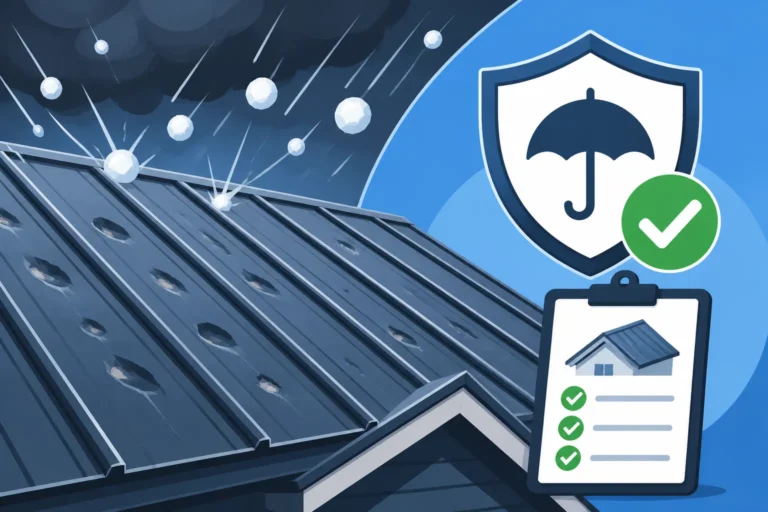
This baseline documentation doesn't just protect you from future disputes. It also allows you to identify any pre-existing damage that might be claimable under your current homeowner's policy before the replacement. For example, if a recent hailstorm caused damage that wasn't immediately apparent but is noted during this inspection, you might still be able to file a claim. Without that independent assessment, an insurer could argue that any damage discovered during tear-off was simply due to age and not a covered event. This step puts the power of evidence squarely in your hands.
Maximizing Potential Insurance Benefits or Avoiding Pitfalls
Securing an independent inspection before your roof replacement can profoundly influence your insurance landscape. It’s not just about addressing existing damage; it’s about strategically positioning yourself for the best possible outcome with your current and future insurance policies. After all, a new roof, especially a metal one, is a significant investment, and you want to ensure it pays off in every possible way, including through your insurance.
A major benefit of installing a metal roof is the potential for Metal Roof Insurance Savings & Discounts. Many insurance companies recognize the superior durability and longevity of metal roofing compared to traditional asphalt shingles. Metal roofs are often more resistant to high winds, hail, and fire, leading insurers to offer discounts on premiums. Getting a pre-replacement inspection can help establish the poor condition of your old roof, making the upgrade to metal look even more favorable to your insurer. The documented contrast showcases your commitment to mitigating future risks, which can be positively reflected in your rates.
However, neglecting a pre-replacement inspection can also lead to significant pitfalls. Imagine replacing your roof without documenting its prior condition, only to have a new insurer later question the age or integrity of your previous roof if a claim arises related to an issue they deem pre-existing. This scenario can complicate claims for unrelated incidents down the road. Furthermore, if you're replacing your roof due to storm damage, a professional inspection provides irrefutable evidence for your claim, detailing the exact nature and extent of the damage. Without this, your insurance company might offer a lower settlement, claiming the damage was less severe or due to normal wear and tear, rather than a specific covered event.
Understanding Different Types of Insurance Inspections
When you're looking into replacing your roof, especially if you're considering the robust protection of metal roofing, it's important to know that not all inspections are created equal. There are distinct types, each serving a slightly different purpose, but all can play a crucial role in your homeowner's insurance journey. Knowing which kind of inspection you need and what it entails will help you prepare and leverage the results effectively.
The Pre-Replacement Baseline Inspection
This is the foundational inspection we're discussing – a thorough evaluation of your existing roof before any demolition or installation begins. Its primary purpose is to establish a detailed, objective record of the roof's current condition. This step is particularly vital if you’re planning a significant upgrade, such as a Cost to Replace Shingles With a Metal Roof project, where the change in material and installation method is substantial.
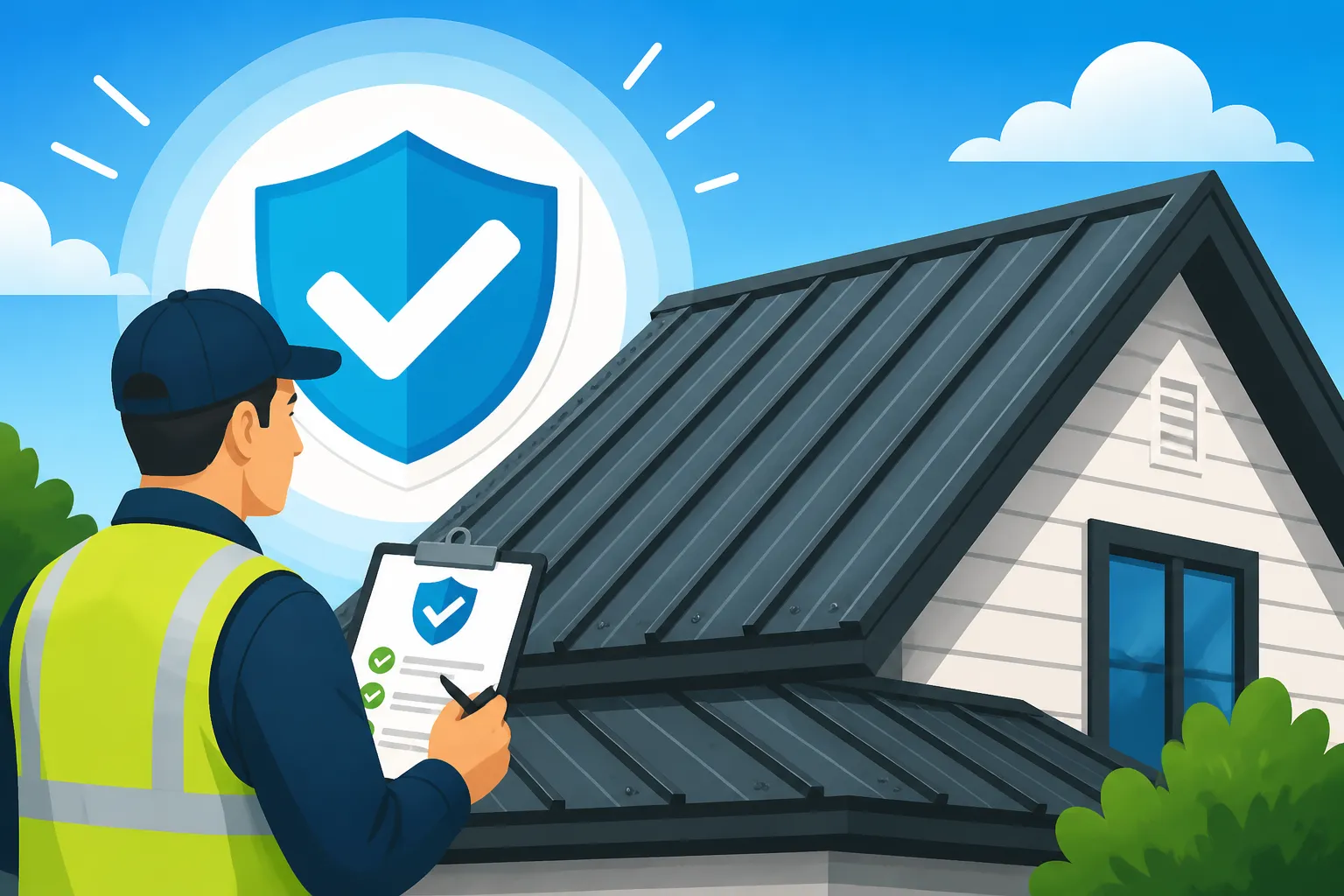
During a pre-replacement baseline inspection, a certified inspector will examine every accessible part of your roof system. This includes the visible surface for signs of wear, damage from weather events like hail or wind, and general aging. They'll also scrutinize critical areas such as flashing around chimneys, skylights, and vents, looking for any signs of deterioration or improper installation that could lead to leaks. Ventilation is another key component, as inadequate ventilation can significantly shorten a roof's lifespan and lead to other moisture-related issues. Furthermore, inspectors will often access the attic space to check for water stains, rot, or compromised decking from the underside, providing a comprehensive view of the roof's integrity.
This type of inspection differs from a standard home inspection you might get when buying or selling a house, which is generally more superficial. A pre-replacement roof inspection is focused solely and deeply on the roof system itself, aiming to uncover any and all issues that could be relevant to an insurance claim or a contractor's assessment. It provides a detailed report, often with photographic evidence, creating an indisputable record that can be invaluable when dealing with insurance companies or even future buyers who might question the history of your home’s roof. It's about establishing a clear "before" picture so there's no ambiguity after the "after."
Wind Mitigation Inspections
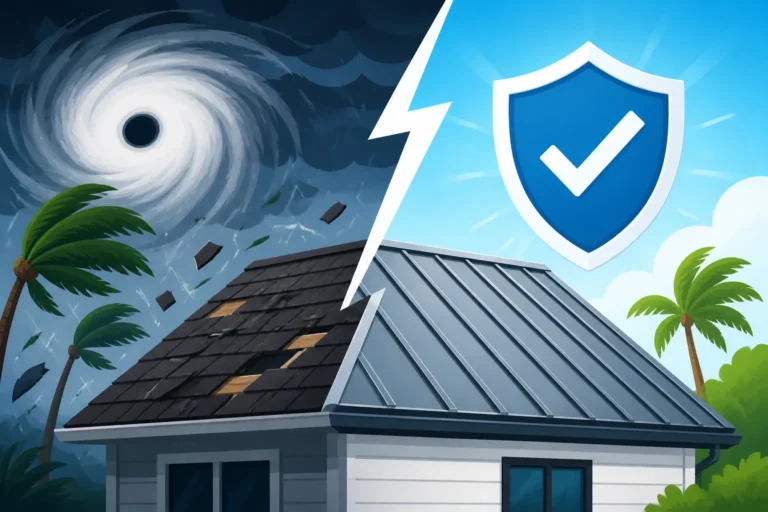
For homeowners, especially those in areas prone to hurricanes or high winds (think coastal Florida or tornado alley in Texas), a wind mitigation inspection is a game-changer. This specialized inspection assesses your home's ability to resist wind damage, and it can significantly impact your insurance premiums, especially once you've installed a resilient roof like metal.
A metal roof, particularly a standing seam metal roof, often performs exceptionally well in wind mitigation assessments. This is because these roofs are designed with robust fastening systems that greatly reduce the likelihood of panels detaching during severe weather. Unlike traditional shingles that can be easily lifted and torn off by strong gusts, metal panels are engineered to withstand high wind speeds, often exceeding 120-150 mph. This inherent strength makes them a favorite for insurers, who often provide substantial discounts for homes equipped with these superior systems. Getting a Wind Mitigation Inspection for Metal Roofs after installation can literally put money back in your pocket year after year through reduced premiums.
During a wind mitigation inspection, the inspector will look at several key features of your home's construction. These typically include the roof-to-wall attachment (how strongly your roof structure is connected to your home's walls, often through hurricane clips or straps), the roof deck attachment (how well the roof sheathing is fastened to the trusses or rafters), the roof geometry (hip roofs generally fare better than gable roofs), and the presence of a secondary water resistance layer, like an ice and water shield. They’ll also note any opening protection, such as impact-resistant windows or storm shutters. All these factors contribute to a home’s overall wind resistance, and a new, properly installed metal roof will often score highly, qualifying you for maximum available credits.
| Inspection Type | Purpose | Key Areas Checked | Potential Outcome |
|---|---|---|---|
| Pre-Replacement Baseline | Document current roof condition before work | Surface wear, flashing, ventilation, attic integrity | Evidence for claims, contractor bids, historical record |
| Wind Mitigation | Assess home's resistance to wind damage | Roof-to-wall attachment, deck attachment, geometry, SWR | Reduced insurance premiums for wind-resistant features |
| Post-Installation (Claim) | Verify damage/installation issues after work | Specific damage areas, adherence to codes, installation quality | Support for warranty claims or insurance disputes |
The Step-by-Step Process of Getting an Inspection
Navigating the world of home inspections can feel a bit like wading through treacle if you're not sure where to start. However, breaking it down into manageable steps makes the process much less daunting. Getting an insurance inspection for your roof before replacement is a critical investment in your home's future and your peace of mind, so let's make sure you approach it correctly.
Choosing the Right Inspector
This isn't the time to pick just anyone with a ladder and a flashlight. The quality and thoroughness of your inspection report will hinge directly on the expertise of the individual conducting it. You need a professional who is not only certified but also highly experienced in roofing, especially if you're planning to transition to a material like metal. Look for licensed home inspectors who specifically advertise their expertise in roofing, or those who are certified in specialized areas like wind mitigation if that's also on your agenda. Checking for certifications from professional bodies like the International Association of Certified Home Inspectors (InterNACHI) or the American Society of Home Inspectors (ASHI) can give you confidence in their qualifications.
It’s particularly important to find an inspector who has a solid understanding of different Metal Roofing Types Explained: Profiles & Panels. A general inspector might be proficient with asphalt shingles, but metal roofing has its own unique installation techniques, potential vulnerabilities, and performance characteristics. An inspector familiar with standing seam, corrugated, or metal shingle systems will know exactly what to look for, from proper panel alignment to the integrity of fasteners and the nuances of flashing details. This specialized knowledge means a more accurate and valuable report for you.
Before you commit, don't hesitate to ask potential inspectors a few crucial questions. Inquire about their experience with metal roofs, what their standard inspection report includes (e.g., photos, detailed descriptions, recommendations), and their typical turnaround time for delivering the final report. Request to see a sample report so you know what to expect. While cost is a factor, prioritizing experience and comprehensive reporting over the cheapest option will serve you much better in the long run.
Preparing for the Inspection
Once you've scheduled your inspection, a little preparation on your part can go a long way in ensuring the process is smooth and thorough. The goal is to make it as easy as possible for the inspector to do their job effectively, which ultimately benefits you by providing the most comprehensive assessment.
First and foremost, ensure that the exterior of your home, especially around the roofline, is accessible. Trim back any tree branches that are overhanging or touching the roof, and clear away any debris from gutters and downspouts. If your roof is particularly steep or challenging, ensure the inspector has a clear, safe path to place their ladder. If you have any previous documentation related to your roof – old repair invoices, past inspection reports, or even details about when it was last replaced – have these ready to share. This historical context can sometimes provide valuable insights for the inspector.
Secondly, prepare the interior access points. The inspector will likely want to access your attic to check the underside of the roof deck for signs of leaks, condensation, or structural issues. Make sure the attic access point is clear of obstructions and easily reachable. If you have personal belongings stored in the attic that might impede movement, consider moving them temporarily. While the inspector will be professional, ensuring they have unobstructed access means they can complete their work efficiently and thoroughly, reducing the chances of anything being overlooked.
Finally, while it’s good to be present during the inspection to answer any questions or point out specific concerns you might have, try to avoid hovering or interfering with their work. Allow the professional to focus. If you have questions, jot them down and ask them at the beginning or end of the inspection when they're not actively assessing. Remember, they are there to provide an unbiased, expert opinion, and a clear, uninterrupted environment helps them do just that.
What to Expect in the Inspection Report
Receiving your roof inspection report can feel a bit like opening a report card – you're eager to see the results, good or bad. Understanding what makes a report truly useful, and how to effectively leverage its findings, is key to navigating your roof replacement project and interacting with your insurance provider. This document is more than just a summary; it's a critical tool.
Key Elements of a Comprehensive Report
A thorough roof inspection report should be a detailed narrative of your roof's health, backed by concrete evidence. It typically begins with an overview, stating the type of roof material, its estimated age, and the general condition observed. This section sets the stage, giving you a quick snapshot before diving into specifics. Crucially, a robust report will heavily rely on photographic evidence. Pictures of identified damage, wear and tear, and specific components are indispensable, offering undeniable proof of the roof's state at the time of inspection.
Following the overview, the report delves into detailed findings. This section will meticulously describe any damage present, categorizing it by type – whether it's hail damage, wind damage, signs of water intrusion, or simply advanced wear and tear. Specific attention will be paid to critical areas like flashing around roof penetrations (chimneys, vents, skylights), outlining any deficiencies that could lead to leaks. For instance, the condition of your Metal Roof Trim and Flashing Cost is often a point of vulnerability, and the report should highlight any issues with these components. If an inspector notes corroded flashing or loose trim, it gives you a clear indication of areas needing immediate attention or planned replacement.
Finally, a comprehensive report will usually conclude with recommendations. These might include suggestions for immediate repairs, a timeline for complete replacement, or specific areas to monitor. In some cases, it might even provide an estimated remaining lifespan of the current roof, helping you plan your replacement project more effectively. This structured approach, combining descriptions, photographic proof, and expert recommendations, arms you with the information needed to make informed decisions and to have concrete discussions with contractors and insurance adjusters.
Using the Report with Your Insurance Provider
Once you have that detailed inspection report in hand, it becomes a powerful asset in your interactions with your insurance provider. This isn't just a casual read; it's a document you'll actively use to advocate for your home and ensure you receive appropriate coverage and benefits.
If your pre-replacement inspection reveals significant damage that you believe is covered by your current policy – say, extensive hail or wind damage that was previously unnoticed – this report is your initial piece of evidence for filing a claim. You’ll present the findings, complete with photographs and the inspector's professional assessment, to your insurance adjuster. This objective, third-party report can help substantiate your claim and streamline the review process, ensuring that the insurance company has a clear understanding of the damage before your old roof is removed and the evidence is gone. Remember, the goal is to make it as easy as possible for them to approve your claim.
Beyond immediate damage claims, the inspection report, particularly if it includes a wind mitigation assessment, can be used to unlock significant long-term savings. After you’ve invested in a new, resilient metal roof, you can submit an updated wind mitigation report to your insurer. This report will highlight the enhanced protective features of your new metal roof, such as superior fastening and impact resistance. This often leads to reduced premiums, as the insurer views your home as less risky. Many homeowners ask, "Will My Insurance Go Down With a Metal Roof?" and the answer is often a resounding yes, provided you have the proper documentation from a wind mitigation inspection to prove the roof's upgraded performance. This proactive step ensures you reap the financial rewards of your smart roofing choice. The information can also be critical for understanding Metal Roof Warranties: Workmanship vs Manufacturer, as clear documentation of previous issues or proper installation can support or protect future warranty claims.
Common Misconceptions and Pro Tips
Embarking on a major home improvement like a roof replacement, especially with a transition to metal, is a journey filled with decisions. Along the way, it’s easy to fall prey to common misconceptions or overlook simple steps that could make the process smoother and more financially advantageous. Let's clear up some myths and arm you with some insider tips to ensure your metal roofing project goes off without a hitch.
"My Insurance Company Will Just Cover Everything"
This is perhaps one of the biggest and most costly misconceptions homeowners hold. Many assume that if their roof has damage, their insurance company will simply write a check for the full replacement cost. Unfortunately, reality is often far more nuanced, and believing this myth can lead to significant financial surprises and frustration. Insurance policies are contracts with specific terms, conditions, and exclusions.
The truth is, insurance coverage varies wildly, not just between providers but also between different policies and even within the same policy for different types of damage. Most policies differentiate between "sudden and accidental" damage (like that caused by a severe storm, fire, or falling tree) and damage due to "wear and tear," neglect, or lack of maintenance. While a covered event might warrant a full replacement payout, an old, failing roof that has simply reached the end of its Metal Roof Lifespan: How Long Do They Last? due to age will typically not be covered. Furthermore, many policies, especially in storm-prone areas, now include "cosmetic damage exclusions" for metal roofs, meaning that dents from hail that don't compromise the roof's integrity might not trigger a replacement claim.
This is precisely why the pre-replacement inspection is so critical. Without a clear, documented assessment of existing damage before you start the replacement, the insurer has more room to argue that any issues were pre-existing or due to wear and tear. If you're dealing with a significant event, a Metal Roof Insurance Claim After a Storm needs solid evidence to be successful. It’s always best practice to pull out your policy, read the fine print, and understand your coverage limits, deductibles, and exclusions before you even think about filing a claim or starting demolition. Don't assume; verify.
Pro Tips for a Smooth Process
Moving through a roof replacement project with insurance can be complex, but with these pro tips, you can streamline the process, protect your interests, and ensure a more positive outcome. It’s all about being informed and strategic.
First, always gather multiple quotes for your metal roof replacement after you have your pre-replacement inspection report, but before you finalize your insurance claim or sign a contract. This allows you to understand the actual What Affects Metal Roof Cost: Gauge, Pitch, Complexity & Tear-Off and ensure you're getting a fair price for the work. Don't rely solely on what your insurance adjuster estimates; their estimate might be based on minimum code requirements or lower-quality materials than you desire. Having several detailed bids from reputable contractors gives you negotiating power and a clear picture of what a quality metal roof will cost, whether it's a standing seam or a stone-coated steel option. Also, consider that if your inspection suggests repairs are possible, knowing How Much Does Metal Roof Repair Cost? from a few contractors can help you make an informed decision between repair and replacement.
Second, be a meticulous record-keeper. Every phone call, every email, every inspection report, every quote, and every photograph related to your roof replacement and insurance claim should be documented and saved. Create a dedicated folder, both physical and digital, for these documents. This includes the exact titles of internal links like How to Hire a Metal Roofing Contractor you've researched. This paper trail is your best defense if any disputes arise with your insurance company or contractor. Dates, names of people you spoke with, and summaries of conversations are incredibly valuable. In the event of an issue, having a well-organized history can save you countless hours of stress and potential legal fees.
Finally, if you find yourself in a significant dispute with your insurance company and feel that their offer is unfairly low or that your claim has been unjustly denied, don't be afraid to seek external help. Consider consulting with a public adjuster or an attorney specializing in insurance claims. A public adjuster works for you, not the insurance company, and can help you re-evaluate the damage and negotiate for a fair settlement. While this comes with its own costs, in cases of substantial damage or denial, it can be a wise investment to ensure you receive the compensation you're entitled to.
Disclaimer
The information provided in this article is intended for general informational purposes only and does not constitute professional advice. While we strive to offer accurate and up-to-date content, building codes, insurance policies, and contractor practices can vary significantly by location and change over time. Always consult with a qualified local roofing contractor, licensed insurance agent, and your local building department to obtain advice specific to your situation before making any decisions related to your roof replacement or insurance claims.