Does a Zinc Roof Need Special Maintenance?
It's easy to get overwhelmed when you invest in a premium roofing material like zinc, wondering if you've signed up for a lifetime of obscure maintenance tasks. Many homeowners worry that "specialized" materials demand "specialized" — and often expensive — care. The truth about zinc roofs is far less daunting, and in this guide, we'll strip away the mystery, explaining exactly what kind of care your beautiful zinc roof truly needs to last for decades.
Understanding Zinc Roofing: A Brief Overview
Before we dive into the nitty-gritty of maintenance, it's helpful to understand what makes zinc roofing so distinct. Unlike some other metal roofs that rely heavily on coatings for protection, zinc has a remarkable innate ability to protect itself. This inherent characteristic is precisely why its maintenance profile looks a little different.
The Allure and Appeal of Zinc
Homeowners are increasingly drawn to zinc roofing for a host of compelling reasons that go beyond mere aesthetics. There's a certain timeless elegance to zinc, a soft, muted finish that evolves beautifully over time. It offers a sophisticated, often European-inspired look that can truly elevate a home's curb appeal, whether it's a sleek modern design or a classic architectural style. Beyond its visual charm, zinc boasts incredible longevity, often outperforming many other roofing materials, with some installations lasting 80 to 100 years or even more. This remarkable lifespan means it's a "set it and forget it" kind of investment in many ways, delivering peace of mind for generations.
Its environmental credentials are also a huge draw. Zinc is a natural, non-toxic material that is 100% recyclable, making it an excellent choice for eco-conscious builders and homeowners. It’s a sustainable option that reduces a building's carbon footprint, a feature that resonates deeply with those looking to build or renovate responsibly. The material itself is lightweight yet incredibly durable, capable of withstanding harsh weather conditions.
How Zinc Differs from Other Metal Roofs
While often grouped under the umbrella of "metal roofing," zinc stands apart from common options like steel or aluminum due to its unique chemical composition and how it interacts with the environment. Most steel roofs, for instance, rely on sacrificial coatings like galvanization (zinc coating) or Galvalume (zinc and aluminum alloy coating) to prevent rust. These coatings are effective, but if scratched deeply, the exposed steel can still rust, requiring touch-ups or repairs. Aluminum, while naturally corrosion-resistant, doesn't develop the same protective patina.
Zinc, on the other hand, is a living, breathing material. When exposed to air and moisture, it naturally forms a dense, self-protecting layer of zinc carbonate, often referred to as a "patina." This patina isn't just for show; it's an active, regenerative shield that prevents further corrosion and even has self-healing properties for minor scratches. This fundamental difference means that while steel or aluminum might need specific coatings to maintain their integrity, zinc creates its own defense mechanism, reducing the need for external protective measures and, consequently, altering its maintenance requirements significantly. It's truly one of the most low-maintenance options you could choose, rivaling the longevity often associated with materials like copper. You can learn more about its distinct properties in our guide, Zinc Roof Cost Per Square Foot.
The Truth About Zinc Roof Maintenance: Less Is More
When people hear "special maintenance" for an advanced material like zinc, their minds often jump to complicated, expensive, and time-consuming rituals. It's a common misconception that premium materials demand constant pampering. But with zinc, the opposite is often true: its special properties actually reduce the need for active intervention, making your life easier in the long run.
The Natural Patina and Self-Healing Properties
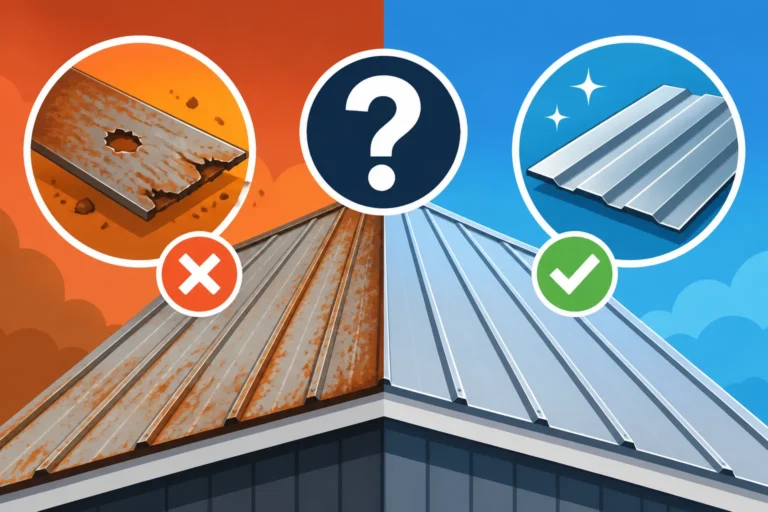
The cornerstone of zinc's low-maintenance nature is its remarkable ability to form a protective patina. When a fresh zinc roof is installed, it typically has a shiny, metallic appearance. However, almost immediately upon exposure to the atmosphere – especially moisture and carbon dioxide – it begins to oxidize. This process creates a thin, stable layer of zinc carbonate, which is the patina. Think of it like a natural, living armor.
This patina is incredibly dense and adheres strongly to the underlying zinc, effectively sealing it off from further environmental attack. It’s what gives older zinc roofs their characteristic matte grey or blue-grey finish, which many homeowners find incredibly appealing. But it’s not just about looks; this layer is actively protective. Even more impressively, the patina has self-healing capabilities. If your zinc roof gets a minor scratch or abrasion, the exposed zinc will react with the environment and regenerate the patina over that area, effectively "healing" the blemish. This means you don't typically need to worry about small scratches compromising the material's integrity or requiring immediate touch-ups, a stark contrast to many painted or coated metal systems. This natural process is a huge reason why zinc roofs are so durable and require minimal attention compared to other materials.
What "Special" Maintenance Really Means for Zinc
Given its self-protecting nature, "special" maintenance for a zinc roof isn't about intensive cleaning schedules or expensive specialized coatings. Instead, it's about understanding and respecting the material's inherent properties. For many homeowners accustomed to asphalt shingles that require regular moss removal, granular loss checks, or even other metal roofs that need paint touch-ups, this can be a paradigm shift.
With zinc, "special" means being mindful of what could interfere with its natural protective processes. It means avoiding harsh chemicals that might strip the patina, or abrasive cleaning methods that could damage the surface. It means ensuring good drainage and preventing prolonged contact with dissimilar metals that could cause galvanic corrosion. Essentially, zinc maintenance is more about thoughtful prevention and occasional, gentle intervention rather than active, regular treatment. It’s a less hands-on approach, allowing the material to do what it does best: protect itself and your home with minimal fuss. This relaxed maintenance schedule is a significant advantage and part of what makes the overall Metal Roof Cost vs Lifespan Value so appealing.
Essential Care Practices for Your Zinc Roof
While zinc is famously low-maintenance, that doesn't mean it's entirely "no maintenance." Just like any high-value asset on your home, a little proactive care goes a long way in ensuring its longevity and maintaining its aesthetic appeal. The good news is, these practices are generally straightforward and far less intensive than what's required for many other roofing types.
Regular Inspections: Your First Line of Defense
Even the most robust roof needs a watchful eye, and your zinc roof is no exception. Regular visual inspections are paramount and serve as your first line of defense against potential issues. You don't need to be up on the roof every week, but a thorough check twice a year – typically in the spring after winter snows and autumn after leaf fall – is a smart habit. It’s also wise to perform an extra inspection after any significant weather event, like a major hailstorm or high winds, to ensure everything is still in top shape.
During these inspections, what should you be looking for?
- Debris Buildup: Pay close attention to valleys, gutters, and around roof penetrations (like chimneys or skylights). Leaves, twigs, and other organic matter can trap moisture, potentially leading to localized discoloration or, in extreme cases, hindering the uniform development of the patina.
- Pooling Water: Zinc roofs are designed for efficient water runoff. Any signs of standing water could indicate a subtle issue with the roof's pitch or a blockage.
- Discolored Runoff or Staining: Check adjacent walls, windows, and landscaping for unusual streaks. While the zinc patina itself won't typically cause severe staining, runoff from other materials onto the zinc, or from the zinc onto highly porous, light-colored surfaces, can sometimes lead to issues.
- Damage to Adjacent Materials: Ensure flashings, sealant joints, and any areas where the zinc meets another material (like masonry or siding) are intact and performing correctly.
- Overall Patina Development: Observe the overall appearance. Is the patina developing uniformly? Minor variations are natural, but any stark, localized differences might warrant a closer look.
While some homeowners are comfortable doing these inspections themselves from a ladder or even with binoculars, safety is paramount. If your roof has a steep pitch or is difficult to access, consider hiring a professional. They have the right equipment and expertise to safely assess your roof's condition.
Keeping it Clean: Simple Cleaning Methods
For the most part, nature does a fantastic job of keeping a zinc roof clean through rainfall. However, there are instances where gentle cleaning might be beneficial.
- Natural Weathering vs. Stubborn Stains: The natural weathering process usually washes away most surface grime. However, if you live under heavy tree cover, or if there's significant pollution, you might notice areas where dirt accumulates or organic growth (like moss or algae, though less common on zinc than other roofs) begins to form.
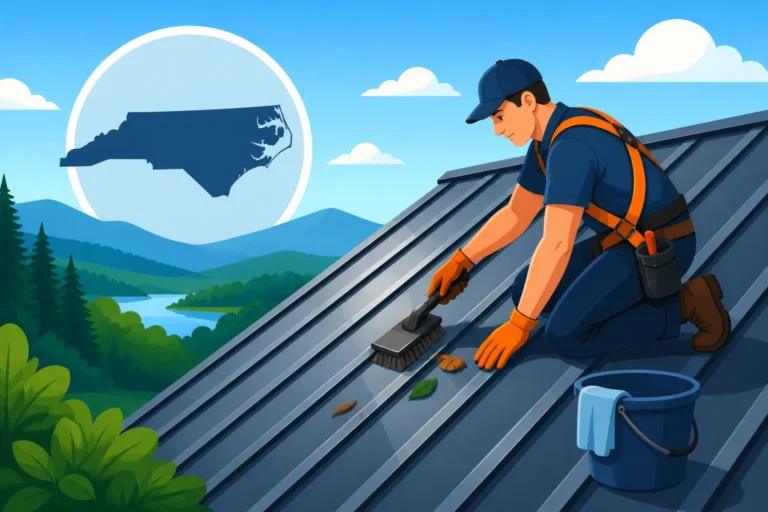
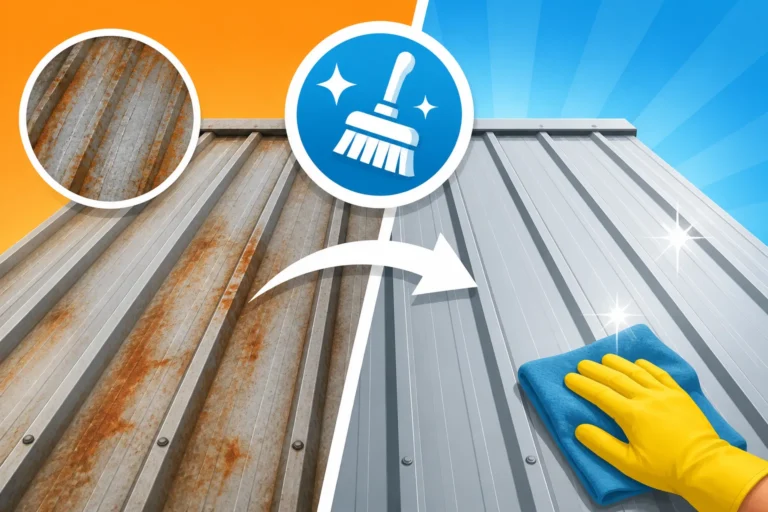
- Gentle Cleaning with Water: The best approach is almost always the simplest: plain water. A garden hose with a moderate spray is usually sufficient to rinse away loose dirt, dust, and pollen. For slightly more stubborn spots, you can use a soft-bristled brush (like a car washing brush with a long handle) with clear water. Always brush in the direction of the roof's seams to avoid disturbing the patina unevenly.
- Avoiding Harsh Chemicals and Abrasives: This is absolutely critical. Never use harsh detergents, acidic cleaners, pressure washers with high force, or abrasive scrubbing pads on your zinc roof. These can strip the protective patina, leaving the raw zinc exposed and vulnerable, which can lead to uneven re-patination and potential long-term issues. If you're unsure, always test a small, inconspicuous area first or consult with a zinc roofing expert.
- Gutters and Downspouts: This isn't unique to zinc, but keeping your gutters and downspouts clear of debris is essential for any roof. Blocked gutters can cause water to back up onto the roof, leading to prolonged moisture exposure and potential localized staining or uneven patina development. Ensure that downspouts direct water away from the foundation of your home. Proper water management helps extend the life of your roof and your home's exterior, as outlined in our article, Metal Roof Underlayment and Ventilation Guide.
Addressing Specific Issues: Stains and Discoloration
While zinc's self-healing patina is incredible, certain types of stains or discoloration can occur, often due to external factors. Understanding the cause is the first step to addressing them correctly.
- Runoff Stains from Other Materials: One of the most common issues is staining caused by runoff from adjacent or overlying materials. For example, if you have copper flashing or elements above your zinc roof, copper oxides can wash down and leave greenish streaks on the zinc. Similarly, runoff from galvanized steel or iron (like old nails or certain chimney caps) can lead to reddish-brown rust streaks. Treated lumber, especially certain types of pressure-treated wood, can also leach chemicals that discolor zinc. The key here is prevention during installation: ensure proper separation of dissimilar metals and consider the potential for runoff from other materials.
- Organic Growth: While less prone to it than asphalt, zinc can, in shaded, damp areas, develop some moss or algae. These typically won't harm the zinc itself but can be aesthetically unpleasing and can affect the uniform development of the patina.
- Gentle Solutions: For runoff stains, a very mild soap (like a diluted dish soap) and water, applied with a soft sponge or cloth, can sometimes gently lift the surface discoloration. Always rinse thoroughly with clean water. For organic growth, a simple mix of water and a small amount of household bleach (diluted to about 1 part bleach to 10 parts water) can be carefully applied with a soft brush, followed by a thorough rinse. However, always exercise extreme caution with bleach, as it can be harmful to plants and other building materials. There are also specialized zinc cleaning products available, but these should only be used as a last resort and always according to manufacturer instructions.
- Patience with the Patina: It's important to remember that the patina is a natural process. While you can address some stains, trying to force a perfectly uniform color across the entire roof is often futile and can be counterproductive. Embrace the natural evolution of your zinc roof's appearance; it's part of its charm and proof of its robust protection. Minor variations in shade often blend in over time as the patina continues to mature.
Protecting Your Investment: Proactive Measures
Beyond routine cleaning and inspections, there are proactive steps you can take to ensure your zinc roof performs optimally and maintains its unique beauty for decades. These measures often involve careful planning during installation and a good understanding of material interactions.
Preventing Galvanic Corrosion and Runoff Staining
Galvanic corrosion is a critical consideration for any metal roof, and zinc is no exception. This phenomenon occurs when two dissimilar metals come into electrical contact in the presence of an electrolyte (like rainwater). One metal, the more active one, will corrode preferentially, protecting the less active metal.
- Understanding Galvanic Corrosion: Zinc is a relatively active metal. If it comes into direct, sustained contact with a more noble (less active) metal like copper, stainless steel, or even certain types of lead, the zinc will corrode at an accelerated rate. This isn't just an aesthetic issue; it can compromise the integrity of the zinc over time. For example, if you have copper flashing directly touching zinc panels, the zinc will start to degrade where they meet.
- Avoiding the Problem: The solution is proper design and installation, ensuring electrical isolation between dissimilar metals. This typically involves using non-conductive separators like bitumen tape, rubber gaskets, or other inert materials between the two metals. Fasteners used with zinc should always be compatible, such as stainless steel specifically rated for zinc, or galvanized steel fasteners that have a similar galvanic potential to zinc.
- Runoff Staining, Revisited: While we touched on this in cleaning, prevention is far better. Design your roof so that runoff from other metal elements (especially copper or iron) doesn't wash directly over the zinc. If this isn't possible, consider installing a sacrificial gutter or drip edge of a compatible material to divert the runoff. Similarly, avoid direct contact or runoff from materials like fresh concrete or certain types of treated wood, as the chemicals can react negatively with the zinc surface, leading to permanent discoloration or etching before the patina has fully formed. Selecting the right components is key to long-term success; our guide on Metal Roof Components & Accessories Explained offers more insights.
Dealing with Environmental Factors
The environment your home is situated in can also influence your zinc roof's performance and appearance, requiring some forethought.
- Heavy Tree Cover: While attractive, dense tree cover can be a mixed blessing for any roof. For zinc, it can lead to several issues. Falling leaves and branches can accumulate in valleys and gutters, trapping moisture and encouraging organic growth, which can lead to uneven patina development or localized staining. Overhanging branches can also abrade the zinc surface in high winds. Regular trimming of trees near your roof is a simple yet effective preventative measure. This allows for better air circulation and sunlight exposure, promoting uniform patina formation and keeping the roof drier.
- Coastal Environments: Zinc generally performs very well in coastal areas. Its natural corrosion resistance makes it an excellent choice for homes exposed to salt air. The marine environment can, in fact, help promote a slightly faster patina formation. However, it’s still wise to ensure all components, especially fasteners and sealants, are rated for coastal use to prevent issues with other parts of the roofing system.
- Pollution and Patina Development: In areas with high atmospheric pollution, particularly high sulfur dioxide levels, the patina might form differently or take on a slightly darker hue. This isn't necessarily detrimental to the roof's protection, but it's an aesthetic consideration. Regular rinsing with water can help mitigate the accumulation of pollutants that might affect the patina's appearance. In most residential areas, this is rarely a significant concern, but it's good to be aware of how environmental conditions can influence the unique characteristics of your zinc roof.
When to Call a Professional for Zinc Roof Maintenance
While much of zinc roof care is manageable for the diligent homeowner, there are times when it's absolutely crucial to bring in an experienced professional. Knowing when to step back and call an expert can save you from costly mistakes and ensure your valuable roof remains in pristine condition.
Identifying When DIY Isn't Enough
As a general rule, if an issue involves anything more than surface cleaning or minor debris removal, it’s likely time to call a professional. Here are some specific scenarios:
- Large Dents, Punctures, or Significant Panel Damage: While zinc's self-healing properties work for minor scratches, a large dent from a falling branch or a puncture from significant impact isn't something the patina can fix. These kinds of damages can compromise the structural integrity of the panel, create weak points for leaks, or drastically alter the aesthetics. Attempting to repair a large dent yourself without specialized tools and knowledge can often worsen the problem, potentially creating creases or further deforming the metal.
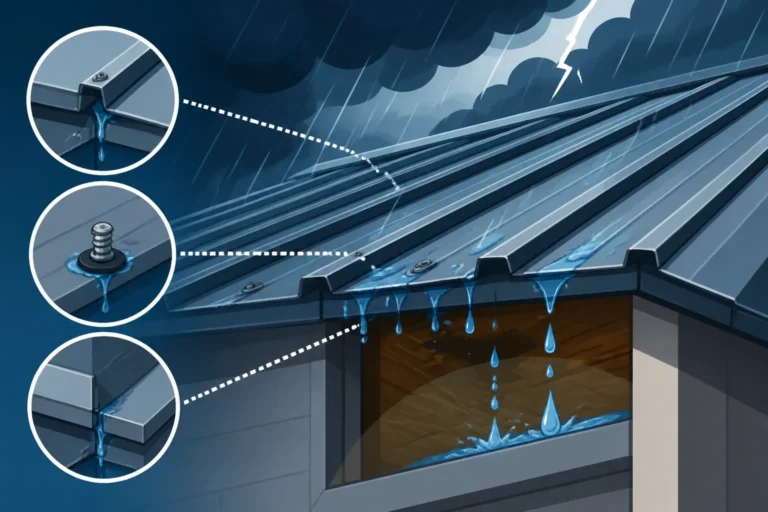
- Persistent Leaks: If you're experiencing a leak that you can't easily trace to a blocked gutter or a loose piece of flashing, it's a job for the pros. Leaks can be incredibly elusive, often traveling far from their point of origin before appearing inside your home. A professional metal roofing contractor has the diagnostic tools and experience to pinpoint the source of the leak, whether it's a compromised seam, a faulty sealant, or an issue with a roof penetration. A persistent leak can lead to severe structural damage, mold growth, and compromise your home's insulation, making timely professional intervention essential.
- Complex Flashing Repairs: Flashing around chimneys, skylights, vents, and wall junctions is critical for waterproofing. If these components are damaged, deteriorated, or were improperly installed, they are prime suspects for leaks. Repairing or replacing flashing on a zinc roof requires precision and an understanding of how zinc expands and contracts, as well as its interaction with other materials. This is not a DIY task for the faint of heart, as incorrect flashing work can lead to ongoing water infiltration.
- Issues with Structural Elements or Substrate: If your inspection reveals any concerns about the underlying roof deck, insulation, or structural integrity beneath the zinc panels, a professional assessment is non-negotiable. These are complex issues that impact the entire roofing system and demand expert diagnosis and repair.
The Value of Professional Expertise
Hiring a professional, especially one experienced with zinc roofing, brings invaluable benefits:
- Specialized Knowledge of Zinc: Zinc is a unique material. A general roofer might not understand its specific properties, such as its thermal expansion, galvanic corrosion considerations, or the nuances of working with its patina. A specialist will know the correct installation techniques, fasteners, sealants, and repair methods that are compatible with zinc. They understand that trying to polish out a patina imperfection is counterproductive, for instance, or how different metals should be isolated.
- Proper Tools and Safety Equipment: Roofing work is inherently dangerous. Professionals have the necessary safety gear, from harnesses to secure ladders, and are trained in safe working practices. They also have specialized tools for cutting, bending, and securing zinc panels without causing damage, ensuring a clean and effective repair.
- Warranty Considerations: Many zinc roofing manufacturers offer long-term warranties, but these often require installation and repair work to be performed by certified or qualified professionals. Attempting DIY repairs on major issues might void your warranty, leaving you exposed to future repair costs. A professional contractor ensures that any work done complies with warranty requirements. If you're looking for a qualified contractor, services like Modernize can help connect you with vetted professionals who specialize in metal roofing, ensuring you find someone with the right expertise. Understanding Metal Roof Warranties: Workmanship vs Manufacturer is crucial here.
In short, for anything that goes beyond basic surface upkeep, trusting your zinc roof to a professional is not just a convenience, it’s an investment in your roof’s longevity and your home’s protection.
Dispelling Myths About Zinc Roof Maintenance
The world of roofing, especially metal roofing, is rife with misconceptions. Zinc, being a less common but highly specialized material, often falls victim to these myths, leading to confusion among homeowners. Let's clear up a couple of the most persistent ones.
The "No Maintenance" Myth
It’s easy to hear that a zinc roof is "low maintenance" and mentally translate that into "no maintenance." After all, if it's self-healing and develops its own protective layer, why would you need to do anything at all, right? This line of thinking, while understandable, is a myth that can lead to neglect and, eventually, avoidable problems.
While a zinc roof certainly doesn't demand the constant attention of, say, an asphalt shingle roof that might need regular granule checks or moss removal, it still benefits from a proactive, albeit minimal, approach. Think of it like a high-quality, durable car: it might not need constant detailing, but you still need to get the oil changed and the tires rotated. Similarly, your zinc roof needs occasional visual inspections to catch debris buildup, ensure proper drainage, and address any potential external staining sources before they become persistent. "Low maintenance" means the material itself requires very little active intervention, but the system as a whole still exists within an environment and interacts with other components of your home. Ignoring debris in gutters, for example, can still lead to water backup, which isn't a problem with the zinc but with your home's water management. So, embrace the ease, but don't fall into the trap of complete hands-off neglect. For more context, our article Metal Roof Maintenance Guide offers a broader perspective on general care.
Fear of Patina Change
One of the most unique and beautiful characteristics of zinc is its evolving patina, but for some, this very feature can become a source of anxiety. Homeowners might initially love the bright, metallic luster of a newly installed zinc roof, only to become worried as it begins to dull, darken, or take on a varied grey-blue hue. They might perceive this natural change as a flaw, a sign of damage, or an indication that the roof needs "fixing."
This fear stems from a misunderstanding of zinc's fundamental nature. The patina is not a defect; it is the active protective layer that makes zinc so durable and long-lasting. It's an intentional and beneficial chemical reaction. The initial bright finish is temporary, and the development of the patina is precisely what gives zinc its incredible resistance to corrosion and its self-healing capabilities. The exact shade and speed of patina development can vary based on local atmospheric conditions, humidity, and exposure to sunlight, meaning two zinc roofs in different locations might age slightly differently. These variations are part of the material's charm, giving each roof a unique character. Trying to prevent the patina from forming, or attempting to "restore" the original shiny surface, would actually compromise the roof's protection and could cause significant damage. Instead, homeowners should learn to appreciate the dynamic beauty of zinc, understanding that its evolving finish is a testament to its robust and durable performance.
Zinc Roof Care Compared to Other Materials
To give you a clearer picture, let's look at how typical zinc roof maintenance stacks up against some other popular roofing materials.
| Feature / Material | Zinc Roof | Asphalt Shingles | Steel Roof (Painted/Coated) | Copper Roof |
|---|---|---|---|---|
| Protective Layer | Self-forming, self-healing patina (zinc carbonate) | Granules (wear over time) | Factory-applied paint/coating (PVDF, SMP) | Natural, stable patina (copper carbonate) |
| Longevity | 80-100+ years | 15-30 years | 40-70+ years | 100+ years |
| Corrosion Resistance | Excellent (due to patina) | Low (susceptible to water damage, organic growth) | Excellent (as long as coating is intact) | Excellent (due to patina) |
| Typical Cleaning | Occasional rinse with water; gentle brush for stains | Moss/algae treatment; loose granule removal | Occasional rinse; gentle soap for dirt; avoid abrasives | Occasional rinse; largely self-cleaning |
| Damage Repair | Self-heals minor scratches; professional for major damage | Shingle replacement for damage/loss | Professional touch-up paint for deep scratches; panel replacement for major damage | Professional for major damage; self-heals minor changes |
| Major Maintenance Needs | Prevent galvanic corrosion, clear debris | Moss/algae removal, resealing, shingle replacement | Coating inspection, touch-ups for scratches, rust treatment | Prevent galvanic corrosion |
| Cost (Installed) | Higher upfront | Lower upfront | Mid to High upfront | Highest upfront |
Note: Costs and lifespans are averages and can vary based on specific product, installation quality, and environmental factors.
As you can see, zinc really shines in the longevity and low-maintenance categories, much like copper. Its primary "special" considerations revolve around preventing galvanic corrosion during installation and ensuring basic debris management, rather than continuous upkeep of the material itself. It’s a smart choice for those seeking durability with minimal fuss. For further comparison, consider reading our article on Metal Roof Cost by Material: Steel vs Aluminum vs Copper vs Zinc.
Disclaimer
Please remember that this article provides general information and recommendations. While we strive to offer accurate and up-to-date advice, roofing projects can be complex and are subject to local building codes, specific material warranties, and unique environmental conditions. Always consult with a qualified and licensed metal roofing professional for personalized advice, inspections, and any installation or repair work to ensure safety and compliance.