Does a Galvalume Roof Need Special Maintenance?
It can be really confusing trying to figure out the right way to care for your home, especially when you've invested in a fantastic roofing material like Galvalume. You want to make sure you're doing everything right to protect your investment, but sometimes it feels like there's so much conflicting information out there about what constitutes "special" maintenance. This guide will walk you through exactly what Galvalume roofs need to thrive, clarifying whether they require extra steps beyond standard roof care.
Unpacking What a Galvalume Roof Really Is
Before we dive into maintenance, let's get a clearer picture of what makes a Galvalume roof so unique. It’s not just a fancy name; it refers to a specific type of steel sheet that has been coated with an alloy of aluminum and zinc. This distinct coating is what gives Galvalume its impressive durability and resistance properties, which in turn dictate its maintenance needs.
The Science Behind the Galvalume Coating
Think of it like this: a regular steel roof, if left uncoated, would rust in no time. To prevent this, steel is typically given a protective layer. For many years, galvanized steel, which uses a pure zinc coating, was the go-to. However, Galvalume takes it a step further. It combines 55% aluminum, 43.4% zinc, and a small amount of silicon. This blend creates a coating that leverages the best properties of both metals. The aluminum provides excellent barrier corrosion resistance, protecting the steel underneath from environmental elements, while the zinc offers sacrificial protection, meaning it corrodes before the steel, safeguarding any exposed edges or scratches. That little bit of silicon helps the coating adhere beautifully to the steel during the manufacturing process. It's a truly sophisticated material designed for longevity.
How Galvalume Stacks Up Against Other Metal Roof Types
When you're looking at different metal roofing materials, you often hear about steel, aluminum, copper, and zinc. Galvalume is a specific type of coated steel, and it offers a fantastic balance of performance and cost. For example, a pure Copper Roof Cost can be significantly higher, while offering different aesthetic and longevity characteristics. Aluminum roofs are great for coastal areas due to their inherent rust resistance, but they can be softer and more prone to denting than steel. Galvalume, with its robust steel core and protective coating, often presents an ideal solution for homeowners seeking exceptional durability without the premium price tag of some exotic metals. It’s designed to withstand a wide array of weather conditions, from intense sun to heavy snow and driving rain.
The Inherent Durability and Weather Resistance of Galvalume
One of the main reasons homeowners choose Galvalume is for its reputation for being incredibly tough and long-lasting. This isn’t just marketing speak; it’s a direct result of its unique composition. The dual-metal coating provides a formidable shield against the elements, translating into less "special" maintenance down the line.
Rust and Corrosion Resistance: A Deep Dive
The aluminum in the Galvalume coating forms a stable oxide layer on the surface, which acts as a physical barrier against moisture and oxygen – the primary drivers of rust. This is similar to how pure aluminum resists corrosion. But what happens if that barrier gets scratched? That's where the zinc comes in. The zinc in the coating sacrifices itself, corroding slowly to protect the exposed steel underneath, a process known as galvanic protection. This self-healing mechanism is a game-changer for maintaining the integrity of the roof over decades. It means that minor scratches, which would quickly lead to rust on plain steel or even some galvanized products, are much less of a concern with Galvalume. This is a huge relief for homeowners who worry about the long-term appearance and structural soundness of their roof.
Longevity Expectations for a Galvalume Roof
When properly installed, a Galvalume metal roof can easily last 40 to 60 years, or even longer. This incredible lifespan often comes with substantial warranties, sometimes extending up to 50 years on the coating itself. Compare that to asphalt shingles, which typically need replacement every 15-30 years. This extended lifespan means less frequent roof replacements and, consequently, less overall maintenance hassle and cost over the home's lifetime. While no roof is truly "set it and forget it," Galvalume comes pretty darn close thanks to its inherent resilience. Its ability to shrug off general weathering means the day-to-day care is surprisingly minimal, giving you more time to enjoy your home rather than worrying about its roof.
Practical Routine Maintenance for Your Galvalume Roof
Despite its exceptional durability, calling a Galvalume roof maintenance-free would be misleading. While it doesn't demand constant attention, like any significant home investment, it thrives with a little bit of routine care. The good news is that this routine care isn't "special" at all; it's pretty standard stuff that any homeowner should be doing for their roof, regardless of material.
Simple Cleaning Procedures
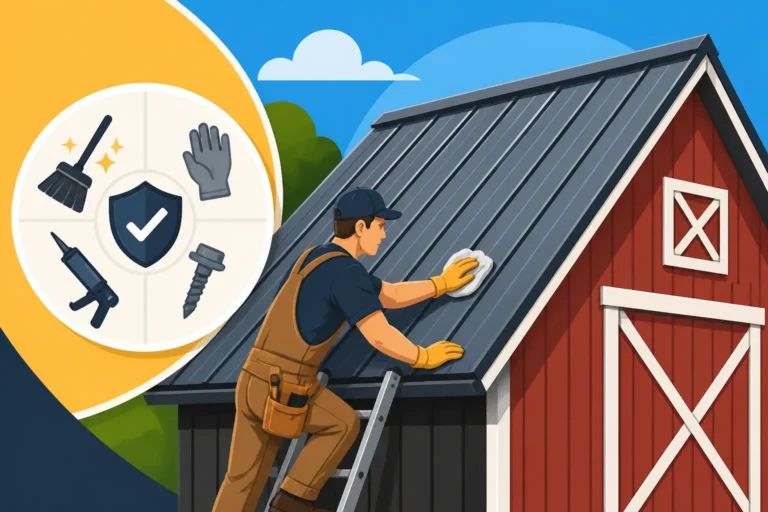
One of the most effective and often overlooked aspects of roof maintenance is simply keeping it clean. Over time, leaves, dirt, algae, moss, and other debris can accumulate, especially in shaded areas or valleys. While Galvalume is resistant to staining and doesn't "feed" algae like some porous materials, prolonged build-up can trap moisture, potentially leading to issues or just looking unsightly.
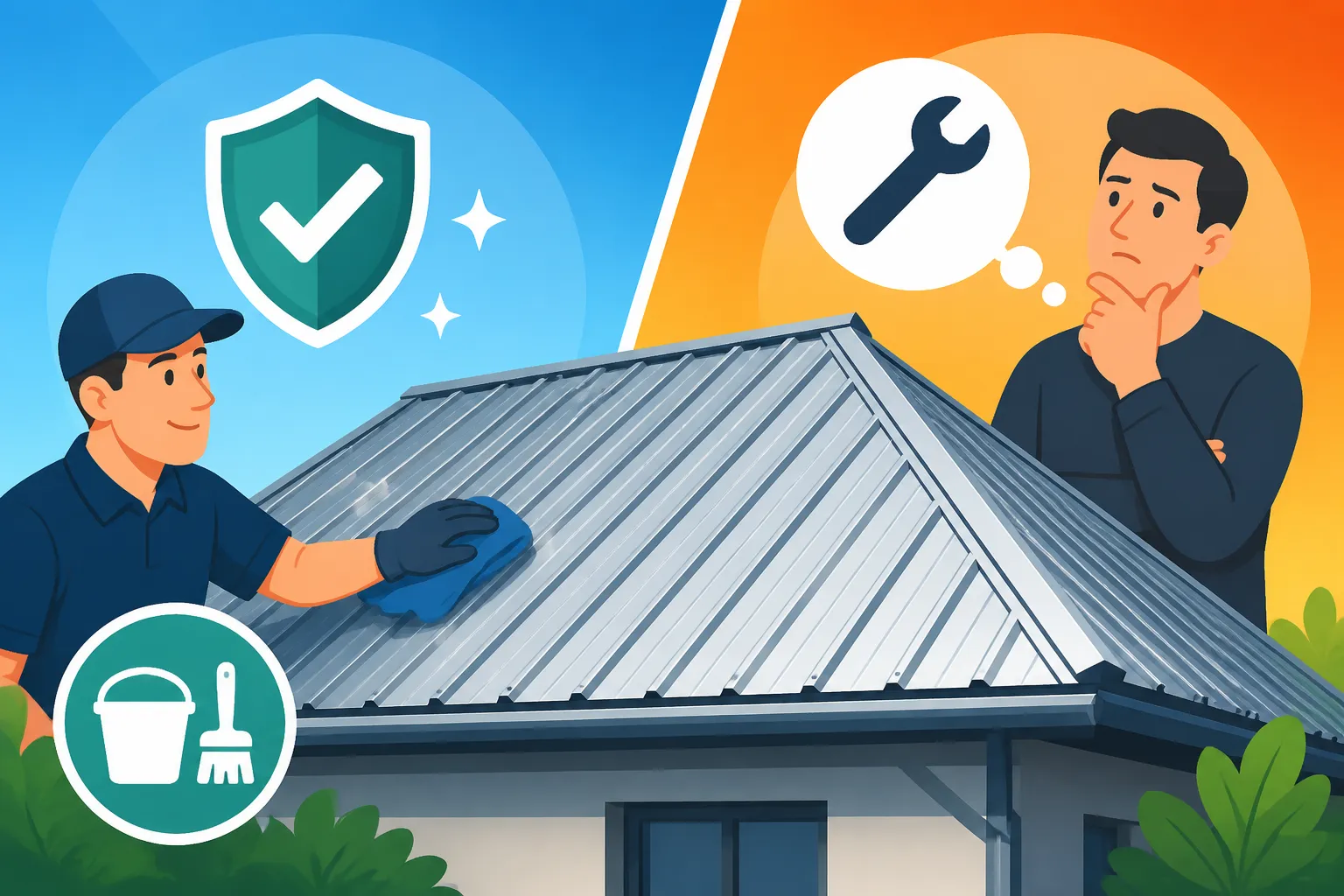
For most areas, a gentle rinse with a garden hose is usually sufficient to wash away loose dirt and leaves. For more stubborn grime, a soft-bristle brush and a mild detergent solution (like dish soap diluted in water) can do wonders. Always rinse thoroughly afterward to ensure no soap residue is left behind. It’s crucial to avoid harsh chemical cleaners, abrasive brushes, or high-pressure washers, as these can damage the protective coating or paint finish, inadvertently shortening your roof's life. Always walk on your roof carefully, ideally when it's dry, and wear soft-soled shoes to prevent scratching. If you're not comfortable on a ladder or roof, a professional roof cleaner can handle this for you. For insights on How to Clean a Metal Roof Safely, consider looking for experienced local professionals.
Regular Inspection Checklist
Inspections are your best defense against minor issues turning into major headaches. Aim to inspect your Galvalume roof at least once a year, preferably in the spring after winter storms, and again in the fall before heavy snow or rain. If you live in an area prone to severe weather, like the Texas coast or regions with frequent hailstorms, more frequent checks are a good idea.
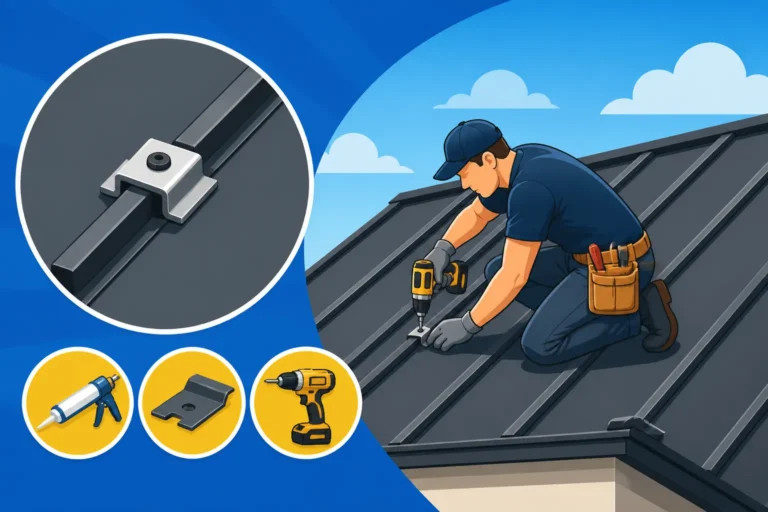
What should you look for? From the ground, use binoculars to check for any obvious damage like large dents (though Galvalume is quite hail-resistant, extreme impacts can still leave a mark), missing fasteners, or areas where sealant might be cracking or lifting around penetrations like vents and skylights. Pay close attention to the valleys and edges of the roof where water naturally flows. If you can safely get onto the roof, check for loose screws, especially on exposed fastener systems, and examine the condition of the flashing around chimneys, pipes, and wall junctions. Small issues like a loose screw can be easily fixed with a screwdriver, often preventing a leak before it starts. This proactive approach saves you a lot of grief (and money) in the long run.
Addressing Minor Wear and Tear
Even the most durable materials can experience minor wear and tear over decades. For Galvalume, this might include slightly faded paint (though modern coatings like PVDF offer excellent color retention), minor scratches, or worn sealant around roof components. These usually don't require "special" tools or techniques.
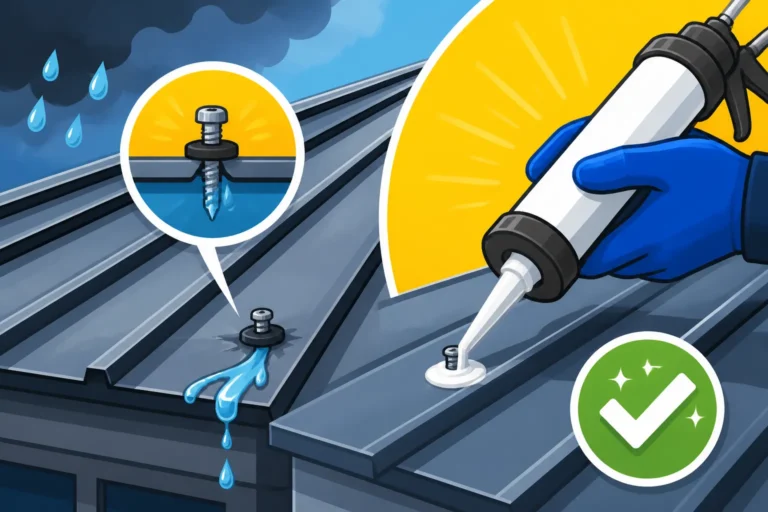
For small scratches that haven't compromised the coating entirely, a touch-up paint kit specifically designed for Galvalume or the particular paint system on your panels can make them virtually disappear and restore protection. If you notice screws backing out or the rubber washers under them degrading, it's a simple fix to remove the old screw, clean the area, and install a slightly larger, self-tapping screw with a new, high-quality neoprene washer. For areas where sealant around vents or flashing looks dried out and cracked, carefully remove the old sealant and apply a new bead of high-quality, UV-resistant roofing sealant. Brands like Geocel or OSI Quad are often recommended by professionals for their flexibility and longevity. Remember, addressing these small things promptly keeps your roof performing at its best and wards off potential Metal Roof Leak Repair needs down the road.
When Does "Special" Maintenance for Galvalume Become Necessary?
While Galvalume generally requires straightforward upkeep, there are specific situations where more targeted attention, what some might call "special" maintenance, becomes necessary. These instances usually stem from unusual environmental conditions or significant damage, rather than inherent flaws in the material itself.
Environmental Considerations: Coastal Areas and Pollution
Living in a coastal region or an area with high industrial pollution can be tougher on any roofing material, and Galvalume is no exception. While its coating is excellent at resisting general corrosion, prolonged exposure to salt spray in coastal zones or harsh chemicals from industrial fallout can accelerate wear. In these environments, the sacrificial zinc layer might deplete faster, or specific types of atmospheric deposits could accumulate and degrade the surface more quickly.
For homes in these challenging environments, "special" maintenance might mean increasing the frequency of your cleaning regimen. Instead of an annual rinse, you might opt for twice-yearly thorough cleanings with mild detergent to wash away corrosive deposits. Some homeowners in extreme coastal conditions might even consider specific protective clear coats designed to add an extra layer of barrier protection, although this is less common for residential applications and more often seen in commercial or highly exposed structures. It's also paramount to use premium-grade fasteners designed for corrosive environments (e.g., stainless steel) during installation, as these are often the first points of failure in harsh conditions. If you're near the ocean, understanding how Metal Roofs Handle Expansion and Contraction in salty air is also key to long-term performance.
Addressing Significant Damage: Dents, Punctures, and Panel Replacement
Minor scratches are one thing, but significant damage like large dents from falling tree limbs, punctures from extreme hail, or panels getting bent by very high winds will undoubtedly require more than routine care. This kind of damage often necessitates "special" maintenance in the form of repair or even replacement of affected sections.
For large dents, especially in standing seam panels where the panels are interlocked, straightening them perfectly without causing further damage to the coating or the seam can be challenging. Often, it's more practical to replace the affected panel. Punctures, even small ones, compromise the watertight integrity of the roof and must be addressed immediately. Depending on the size and location, a professional might be able to patch it with a specialized repair kit or flashing, but frequently, replacing the panel is the most reliable solution. This is where a skilled metal roofing contractor becomes indispensable. They have the specialized tools and expertise to carefully remove and replace panels without disturbing the surrounding roof, ensuring the new section integrates seamlessly and maintains the roof's protective envelope. When facing storm damage, knowing the Warning Signs Your Metal Roof Needs Attention can help you act quickly.
Recoating or Repainting Considerations
One of the beautiful things about modern Galvalume roofs is that their factory-applied paint finishes are incredibly durable, often lasting for decades without fading, peeling, or chalking, especially those with high-performance PVDF (Kynar 500) coatings. Therefore, regular repainting is generally not a routine maintenance item for a Galvalume roof.
However, after many, many years – perhaps 30, 40, or even 50 years – you might notice some fading or a desire for a new aesthetic. In such cases, repainting can be considered "special" maintenance. It's not a simple DIY job like painting a wall. The roof needs thorough cleaning, proper preparation, and the application of specific primers and high-quality elastomeric or metal-specific paints designed to adhere to metal roofing and withstand outdoor conditions. Trying to cut corners here can lead to premature peeling and a much bigger mess. This is definitely a job best left to professionals who specialize in roof coating and restoration, as they understand the complexities of surface preparation and material compatibility.
Here’s a quick overview of maintenance needs compared to other common roofing materials:
| Roofing Material | Typical Cleaning | Inspection Frequency | Rust/Corrosion Concern | Recoating/Repainting | Typical Lifespan |
|---|---|---|---|---|---|
| Galvalume Metal | Annual gentle rinse | Annual/Bi-annual | Low (self-healing) | Rarely (40-50+ yrs) | 40-60+ years |
| Asphalt Shingles | Periodic removal of debris | Annual/Bi-annual | None | Not applicable | 15-30 years |
| Galvanized Steel | Annual gentle rinse | Annual/Bi-annual | Moderate (zinc only) | Possible (20-30 yrs) | 20-40 years |
| Copper | Minimal (patina desired) | Annual | None (patinas) | Never | 50-100+ years |
| Clay/Concrete Tile | Periodic pressure wash | Annual | None | Rarely | 50-100+ years |
Is Professional Maintenance Different for Galvalume?
When you’re considering professional help for your Galvalume roof, the good news is that it’s usually less about "specialized Galvalume techniques" and more about general metal roofing expertise. However, choosing a contractor who genuinely understands metal roofing systems is paramount.
What to Expect from a Metal Roofing Specialist
A true metal roofing specialist isn't just a general contractor who occasionally installs a metal roof. They are intimately familiar with the nuances of different metal types, panel profiles like Standing Seam Metal Roof Cost, and fastener systems. For Galvalume, this means they understand the unique properties of its aluminum-zinc coating, how expansion and contraction affect it, and the best practices for installation and repair to preserve its integrity.
When you hire a specialist, you can expect them to perform a thorough visual inspection, identifying potential issues that might be missed by an untrained eye – things like subtle oil canning, proper sealant application around fasteners and flashing, and the condition of the underlayment (if accessible). They’ll also check for proper ventilation, which is crucial for preventing condensation buildup that can shorten a roof's life. A specialist will use the correct tools and techniques for any repairs, ensuring that they don't inadvertently damage the coating or compromise the weather-tightness of your roof. They might recommend specific cleaning agents or protective coatings if your roof is in a particularly harsh environment, drawing on their experience with various metal systems.
Knowing When to Call an Expert vs. DIY
For routine tasks like clearing leaves, a gentle rinse, or a quick visual inspection from the ground, most homeowners can comfortably handle the maintenance themselves. Replacing a single loose screw or applying a small bead of sealant to a drying flashing can also be within the realm of a confident DIYer, provided they prioritize safety and know how to safely access their roof.
However, for anything beyond these basic tasks, calling in a professional is usually the smartest move. This includes tasks like extensive roof cleaning, especially if it requires walking on steep pitches or using specialized equipment. Any repairs involving multiple panels, significant dents, suspected leaks that aren't easily identifiable, or issues with flashing around complex roof features like chimneys or skylights, should always be handled by a professional. Attempting a complex repair yourself could void your warranty, lead to costly mistakes, or even result in injury. A reputable contractor will provide you with a clear assessment of your roof's condition, recommend necessary maintenance or repairs, and ensure the work is done safely and correctly, preserving your Galvalume roof's long-term performance and beauty.
Disclaimer
Please remember that this article provides general information and recommendations. Building codes, climate considerations, and manufacturer specifications can vary widely. Always consult with a qualified local metal roofing professional and refer to your specific product's warranty and installation guidelines before undertaking any maintenance or repair work on your roof. This content should not be taken as professional advice.