What Causes Metal Roof Leaks and How to Prevent Them
There’s nothing quite like the feeling of investing in a sturdy metal roof, known for its incredible durability and longevity. So, when you suddenly discover a drip or a damp spot, it can feel like a real punch to the gut. You might wonder, "How on earth is my metal roof leaking?" This guide is here to shed light on the most common culprits behind metal roof leaks and, more importantly, equip you with the knowledge to prevent them, saving you stress and potential costly repairs.
Understanding the Common Culprits Behind Metal Roof Leaks
Even the most robust metal roofs aren't entirely immune to leaks. It’s not usually a sign of a bad roof from the get-go, but rather a combination of factors, often related to installation, wear, or even unforeseen events. Understanding these common weak points is the first step in leak prevention and quick action.
Fastener Failure: The Silent Saboteur
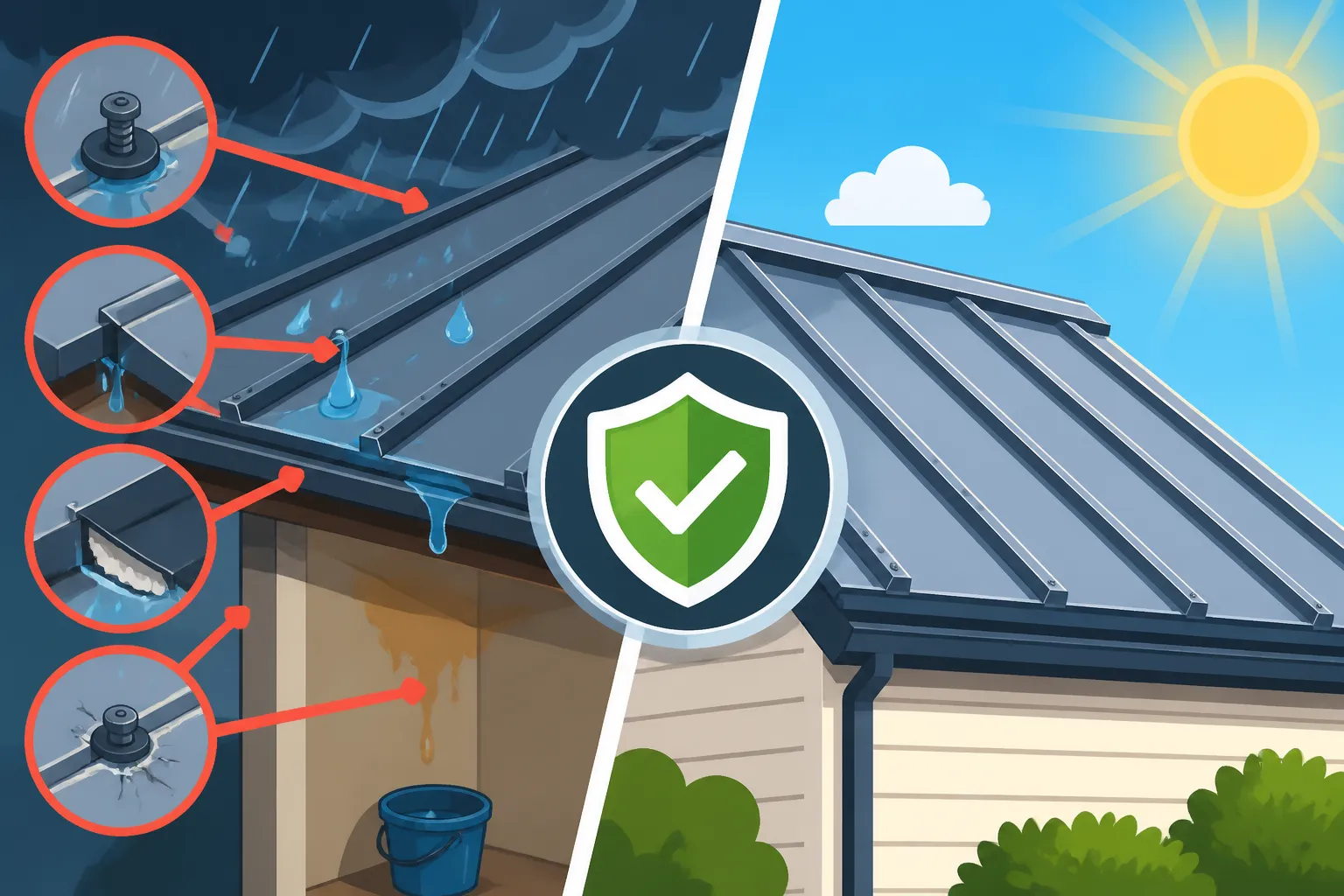
One of the most frequent reasons for metal roof leaks, especially with exposed fastener systems like corrugated or R-panel roofs, comes down to those tiny but crucial screws. These fasteners are typically designed with a rubber washer to create a watertight seal against the metal panel and the roof deck. Over time, these washers can degrade.
Think about the intense sun beating down on your roof year after year, the freezing temperatures in winter, and the constant expansion and contraction of the metal. These extreme weather conditions can cause the rubber washers to dry out, crack, or even completely disintegrate. Once that seal is compromised, water can easily seep through the screw holes, leading to persistent drips inside your home. It’s a slow, insidious problem that often goes unnoticed until the damage is already done. When you're considering a new installation, it's worth looking into topics like Metal Roof Fasteners and Washers Explained to ensure you understand their role.
Another issue can be improper installation of the fasteners themselves. If screws are overtightened, they can strip the threads or crush the washer, damaging its sealing capabilities from day one. Conversely, if they're undertightened, they won't create a sufficient seal, leaving a tiny gap for water to exploit. Sometimes, the screws can even back out slightly due to thermal cycling or wind uplift, breaking their seal with the panel. This is particularly common in areas with significant temperature swings, where the metal is constantly expanding and contracting, putting stress on every single fastener.
Improper Flashing and Sealing: Gaps in Your Armor
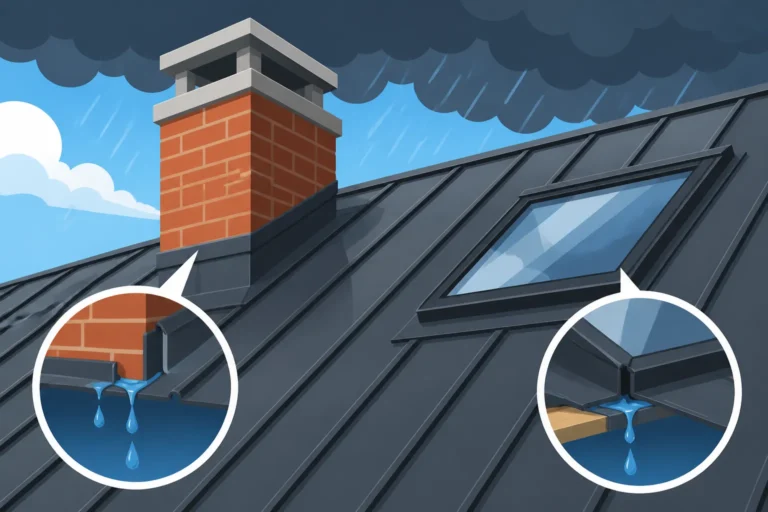
Flashing is the unsung hero of any roof system, and on a metal roof, it's absolutely critical. Flashing involves the metal pieces used to direct water away from vulnerable areas, like chimneys, skylights, vents, valleys, and wall junctions. If this flashing is installed incorrectly, or if the sealant used with it degrades, leaks are almost inevitable.
Imagine a heavy rainstorm hitting your roof. Water flows down the panels, but when it encounters a chimney, it needs to be carefully diverted around it and off the roof. Poorly installed flashing might have gaps or be shaped incorrectly, creating pathways for water to get underneath the roofing panels instead of flowing over them. This is especially true for complex rooflines with multiple dormers or valleys. These areas are inherently more prone to water penetration, and any shortcuts taken during flashing installation will surely come back to haunt you. For more specific details, you might want to look at our guide on Metal Roof Flashing Repair.
The sealants used in conjunction with flashing also play a vital role. These sealants, often silicone or urethane-based, are designed to remain flexible and watertight over many years. However, like rubber washers, they are exposed to harsh UV rays and extreme temperatures, which can cause them to crack, shrink, or lose their adhesion. Once the sealant fails, even perfectly installed flashing can become ineffective, allowing water to sneak in. This is a common issue around vent pipes or where different roof planes meet.
Panel Damage and Corrosion: Wear and Tear Takes Its Toll
While metal roofs are incredibly tough, they aren't indestructible. Physical damage to the metal panels themselves can lead to leaks. This could be anything from a fallen tree branch, severe hail, or even accidental damage during installation or maintenance if workers aren't careful where they step. Dents and punctures can breach the panel's integrity, creating direct pathways for water.
In some cases, corrosion can also become a problem, especially if the metal coating is compromised or if the wrong material is used for a specific environment. For instance, in coastal areas, salt spray can accelerate corrosion if the metal isn't specifically designed for marine environments. Once rust takes hold and eats through the protective coating and the metal itself, holes can form, leading to leaks. This is less common with modern metal roofing materials like Galvalume or aluminum, but it can occur with older or lower-quality steel roofs, or if scratches in the paint layer are left unaddressed. It’s a good idea to understand Does a Steel Roof Rust or Corrode? and similar topics to know what to expect from your chosen material.
Another form of panel damage can be attributed to "oil canning." While primarily an aesthetic issue, severe oil canning — where panels exhibit visible waviness or distortion — can sometimes contribute to areas where water pools, potentially stressing seams or coatings. While it doesn't directly cause leaks, it can be a symptom of improper installation or handling, which could lead to other issues. Choosing a quality metal and experienced installers is crucial to minimize these risks.
Proactive Strategies to Prevent Metal Roof Leaks
The best defense against a leaky metal roof is a good offense. By being proactive and making informed decisions throughout the entire process, from selection to installation and ongoing maintenance, you can significantly reduce the chances of ever having to deal with a persistent drip.
Meticulous Installation is Key: Doing It Right from Day One
Honestly, the biggest factor in preventing metal roof leaks comes down to the quality of the installation. A metal roof isn't just "nailed on" like shingles; it's a precision system that requires specialized knowledge and tools. If corners are cut during the Metal Roof Installation Process: Step by Step, you're setting yourself up for problems down the road. This means ensuring proper panel alignment, correct fastener application, and, critically, flawless flashing.
For standing seam metal roofs, the way the seams are formed and crimped (either mechanically or snapped together) is paramount. If these seams aren't perfectly tight and adequately sealed, they can become entry points for water, especially during high winds or heavy downpours. With exposed fastener panels, selecting the correct screw type, ensuring proper torque during installation, and replacing any damaged washers is essential. Any reputable contractor will pay close attention to these details. When hiring, you definitely want to know How to Hire a Metal Roofing Contractor and ask them specific questions about their installation process. Platforms like Modernize can help you connect with qualified professionals who understand the nuances of metal roof installation.
Furthermore, proper underlayment is an absolute must. Even the best metal roof can experience minor condensation or have a momentary breach. A high-quality underlayment acts as a secondary water barrier, protecting your roof deck and home interior from any water that might get past the metal panels. You’ll want to review your options in a Metal Roof Underlayment and Ventilation Guide to ensure you have the right one for your climate and roof type. Skipping this step or using inferior materials is a huge risk that can lead to major headaches if a leak ever develops.
Regular Maintenance and Inspections: Your Best Defense
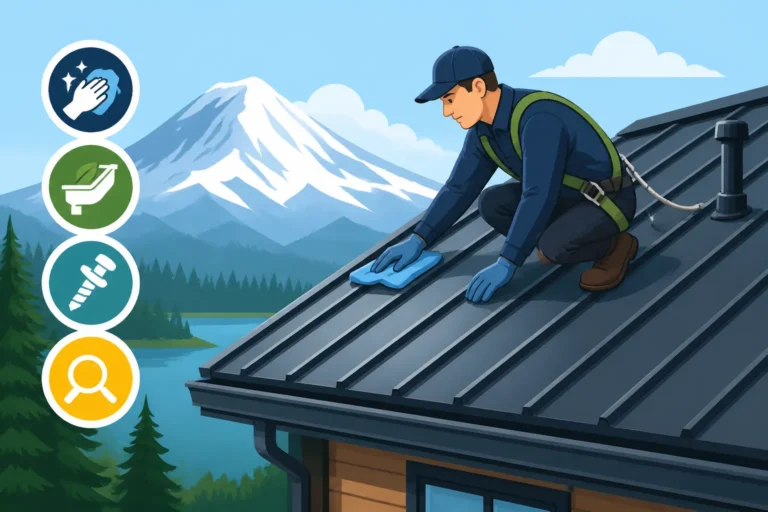
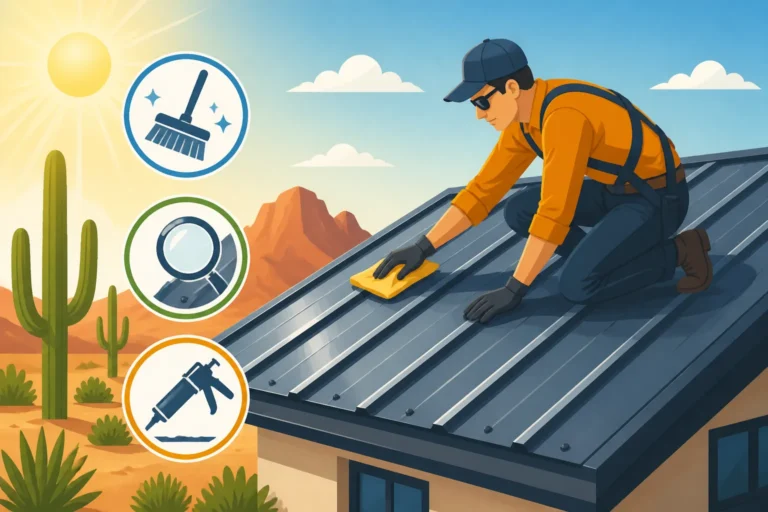
Even after a perfect installation, a metal roof benefits immensely from regular check-ups. Just like your car needs oil changes, your roof needs occasional attention. This doesn't mean you need to be up there every month, but a thorough annual or semi-annual inspection can catch small issues before they escalate into major leaks.
During these inspections, look for signs of wear on fasteners, especially the rubber washers. Are any screws backing out or showing signs of rust? Check all flashing points around chimneys, vents, and skylights for cracks in sealant or signs of corrosion. Clear out any debris, leaves, or branches that might accumulate in valleys or gutters, as standing water can accelerate wear and promote corrosion. Simple tasks like cleaning gutters or trimming overhanging branches can make a huge difference in preventing potential problems. For a comprehensive list of what to look for, consult our Metal Roof Maintenance Guide.
If you're not comfortable getting on your roof yourself, it's well worth hiring a professional. Many roofing companies offer maintenance plans or annual inspection services. They have the experience to spot subtle issues that an untrained eye might miss, and they can perform minor repairs, like replacing a few screws or resealing a section of flashing, before they lead to a significant leak. This proactive approach is far less expensive and disruptive than dealing with extensive water damage inside your home.
Choosing the Right Materials and Design: Building for Longevity
The type of metal roof you choose and how it’s designed for your specific home and climate plays a crucial role in preventing leaks. Different profiles and materials have varying levels of leak resistance.
For example, a standing seam metal roof, with its concealed fasteners and interlocking panels, is inherently more leak-resistant than an exposed fastener system. The design minimizes the number of potential entry points for water. If you live in an area prone to heavy rains, high winds, or significant snow loads, investing in a high-quality standing seam system might be a very wise decision. Learning more about Standing Seam vs Corrugated Metal Roof can help you make an informed choice.
Beyond the profile, the material itself matters. Aluminum roofs are excellent for coastal regions due to their superior corrosion resistance, while Galvalume steel offers a great balance of durability and cost-effectiveness for many climates. Even the paint coating, such as PVDF, offers incredible UV resistance and longevity, protecting the underlying metal. When you are getting quotes, discuss with your contractor the best material and profile for your home’s location and specific weather challenges. A reputable contractor will guide you through these choices. For instance, if you're in a high-wind area like Florida, understanding What Wind Rating Do You Need in Florida? is critical. Again, platforms like Modernize can help you find contractors who are experts in different metal roofing materials and applications, ensuring you get advice tailored to your needs.
What to Do When You Spot a Leak: First Steps and Professional Help
Even with the best prevention, sometimes a leak happens. It could be due to extreme weather, unforeseen damage, or simply the age of your roof catching up to you. Knowing what to do immediately can minimize damage and stress.
Immediate Actions to Mitigate Damage
The moment you discover a leak, your priority is to protect your home's interior and belongings. The first step is to contain the water. Place buckets or towels directly under the drip. If the leak is spreading across a ceiling, you might need multiple containers. For a bulging wet spot on your ceiling, gently poke a small hole in the center with a screwdriver or ice pick. This allows the water to drain into a bucket rather than building up and collapsing a larger section of your ceiling.
Next, try to locate the source of the leak, if safe to do so. This might involve carefully going into your attic with a flashlight during daylight hours to see where the water is entering. Look for water stains on insulation, rafters, or the underside of the roof deck. Remember, water often travels, so the drip in your living room might be coming from a leak several feet away on the roof. Do not attempt to go onto a wet metal roof, as it can be incredibly slippery and dangerous. From inside, take photos or videos of the leak and any damage for insurance purposes.
After containing the immediate water, you'll want to remove any wet insulation or ceiling materials if possible to prevent mold growth. Circulate air with fans to help dry out the affected area. If the leak is severe or ongoing, it might be necessary to temporarily cover the exterior roof area with a tarp. This is often a job best left to professionals, especially on a steep or damaged roof, but knowing it's an option for short-term mitigation is important. Remember, these are temporary fixes, not long-term solutions.
When to Call a Professional Metal Roofing Contractor
While containing a leak yourself is crucial, repairing a metal roof leak is almost always a job for a seasoned professional. Metal roofing requires specific expertise, tools, and materials to ensure a lasting, watertight repair. Trying a DIY fix with caulk and hope can often make the problem worse or mask it temporarily, leading to more extensive damage down the line.
A qualified metal roofing contractor will be able to accurately diagnose the source of the leak, whether it's faulty flashing, degraded fasteners, or panel damage. They'll have the correct sealants, replacement panels, and techniques to make a durable repair. If you're seeing signs of widespread issues, like multiple failing fasteners or extensive corrosion, they can help you determine if a repair is truly cost-effective or if it's time to consider a full Metal Roof Repair vs Replacement: How to Decide. They will also be able to properly replace specific panels or address issues like Why Is My Metal Roof Leaking Where the Screws Are.
When you reach out, be ready to describe the leak's location, how long it's been happening, and any specific observations you've made. Photos can be incredibly helpful. Don't hesitate to get multiple quotes, and always verify their licensing and insurance. A platform like Modernize can be a valuable resource to find local, vetted metal roofing contractors who specialize in leak detection and repair, ensuring you connect with experienced professionals who can resolve the issue effectively and get your roof back to its peak performance.
| Leak Source | Common Causes | Prevention Strategies |
|---|---|---|
| Fastener Failure | Degraded rubber washers, overtightening, backing out | Proper installation torque, high-quality fasteners, regular inspection, timely replacement of failing screws |
| Improper Flashing | Incorrect installation, sealant degradation, material failure | Expert installation, appropriate flashing material, use of high-grade flexible sealants, annual inspection of sealed areas |
| Panel Damage | Impact from debris, hail, foot traffic, corrosion | Quality materials, proper handling during installation, protective coatings, regular cleaning, professional inspections |
| Seam Issues (Standing Seam) | Improper panel alignment, incomplete seaming, insufficient sealant | Meticulous installation, use of appropriate seaming tools, ensuring full engagement of mechanical seams |
| Punctures/Holes | Falling objects, installation errors, rust-through | Careful roof access, protective measures during other work, prompt repair of scratches to prevent rust |
Disclaimer
Please note that the information provided in this article is intended for general guidance and informational purposes only. Every roofing project and leak scenario is unique, and local building codes, climate conditions, and specific material requirements can vary. Always consult with a qualified and licensed metal roofing professional for personalized advice, inspections, and repair or installation services tailored to your specific situation. Do not attempt dangerous roof work without proper training and safety equipment.