How to Fix Hail Dents in a Metal Roof
Oh, the sinking feeling you get when you step outside after a hailstorm and see those tell-tale dimples on your beautiful metal roof. It's truly disheartening, turning your sleek, durable roof into something that looks like it lost a fight with a golf ball machine. You invested in a metal roof for its longevity and resilience, and now you're wondering if that hail damage means an expensive replacement is looming. Don't despair! This guide is here to walk you through exactly how to assess and fix hail dents, helping you understand your options from minor repairs to when it’s time to call in the pros.
Understanding Hail Damage on Metal Roofs
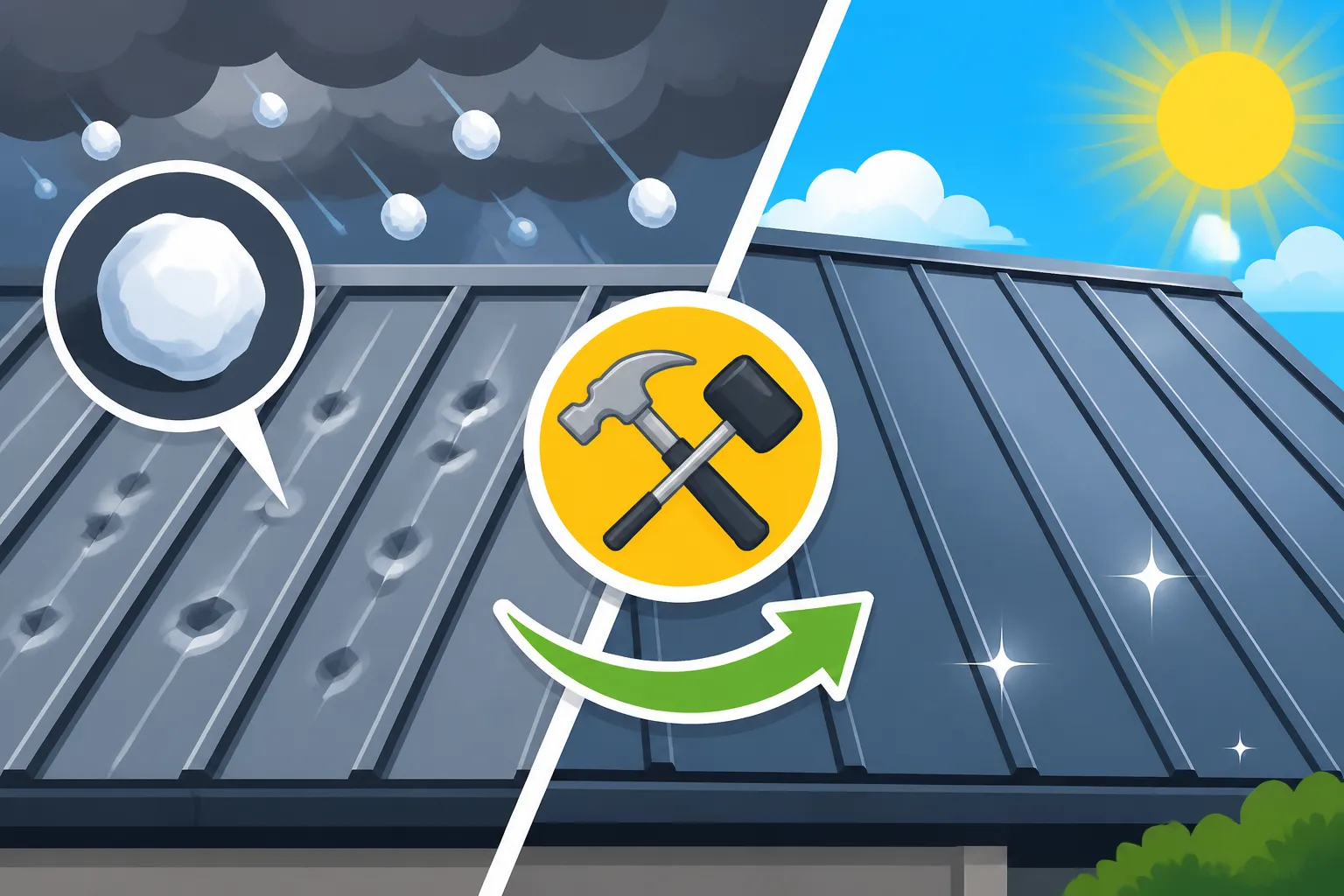
When those icy pellets come raining down, they can do a surprising amount of damage, even to a robust metal roof. It’s not just about the size of the hail, but also the wind speed, the angle of impact, and the underlying material of your roof panels. Seeing those dents can be alarming, but understanding what you're up against is the first step towards a solution.
Types of Hail Dents and Their Impact
Not all hail dents are created equal, and their appearance can vary significantly based on the type of metal, its gauge (thickness), and the specific profile of your roofing panels. For instance, a softer metal like copper or aluminum might show more pronounced indentations than a sturdy steel panel. You might notice anything from subtle dimples that are barely visible from the ground to deep, crater-like depressions that catch the light at every angle.
The impact isn't just cosmetic, although that's often the first thing homeowners notice. Even seemingly minor dents can sometimes compromise the protective coating on your metal roof, potentially leading to issues like premature corrosion or a reduction in the roof’s reflective properties over time. For panels with exposed fasteners, severe hail can sometimes even loosen the seals around the fasteners, creating potential points of entry for moisture. On a standing seam roof, dents on the flat pan portion are usually cosmetic, but if the hail hits the raised seams directly, it could potentially weaken the seam integrity, which is a more serious concern.
Factors Affecting Dent Severity
Several variables play a role in how badly your metal roof is affected by hail. First and foremost is the hail itself: its size, density, and the speed at which it falls. Large, dense hail stones, often described as golf-ball or even baseball-sized, naturally inflict more damage than pea-sized hail. The wind speed during the storm is another critical factor. High winds can turn smaller hail into projectiles with increased force, striking your roof at sharper angles and potentially causing more damage than hail falling straight down.
The type and gauge of your metal roofing material also dictate its susceptibility to dents. Thicker gauges (like 24-gauge steel) are generally more resistant to denting than thinner ones (like 29-gauge steel, often used on agricultural buildings). Softer metals like aluminum and copper, while beautiful, are more prone to denting than steel or zinc. The panel profile matters too; a ribbed or corrugated panel might distribute impact differently than a flat standing seam panel, sometimes making dents less noticeable or less structurally impactful, though still present. Finally, the age and condition of your roof's coating can also affect how it responds; a newer, more flexible coating might absorb some impact better than an older, brittle one.
Assessing the Damage: When to Repair, When to Replace
After a hailstorm, the urge to immediately jump up on the roof might be strong, but safety first! Always perform an initial assessment from the ground. Use binoculars if you have them. Once you've got a general idea, and if you're comfortable and have the proper safety equipment, you can get a closer look. This assessment is crucial for determining the best course of action: a simple repair, a more involved restoration, or unfortunately, a full replacement.
Visual Inspection for Dents and Other Issues
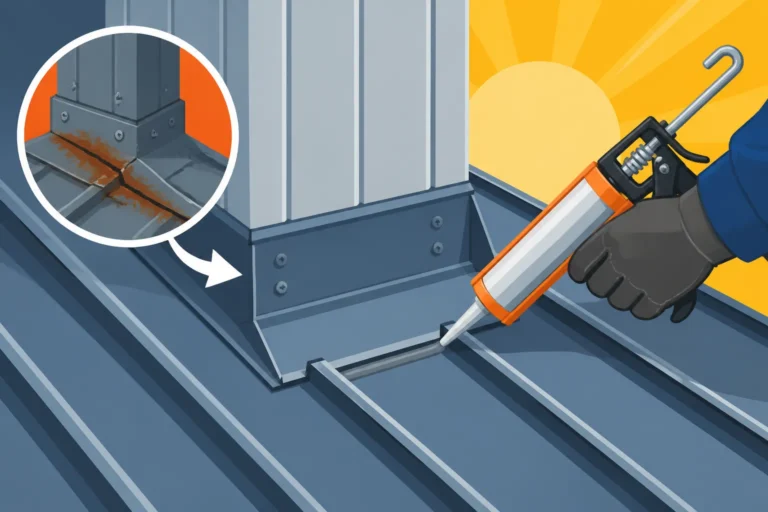
Your visual inspection should go beyond just looking for obvious indentations. While dents are the most common sign of hail damage, you also need to check for other, often more serious, issues. Look for any signs of scratching or chipping in the paint or protective coating, which can expose the underlying metal to the elements and accelerate corrosion. Pay close attention to the edges of panels, flashing, and around roof penetrations like chimneys or vents. Hail can sometimes bend or distort flashing, creating potential leak points.
Also, examine the fasteners. If you have an exposed fastener system, hail can hit the heads of screws, potentially loosening them or damaging their rubber washers, leading to leaks. Even on a standing seam roof, where fasteners are hidden, exceptionally large hail can sometimes cause localized stress or minor lifting of the seams. Don't forget to check your gutters and downspouts; they are also susceptible to hail damage and can offer clues about the severity of the storm. If your gutters are pockmarked, it's a good bet your roof took a hit.
Structural Integrity and Coating Damage
The real concern with hail damage, beyond aesthetics, is whether the structural integrity of your roof has been compromised or if the protective coatings have been breached. If the dents are deep enough to create creases or tears in the metal, this is a clear sign of significant structural damage. These areas are weak points that can lead to premature failure of the panel, especially under future stresses like heavy snow loads or strong winds. Such damage almost always requires panel replacement.
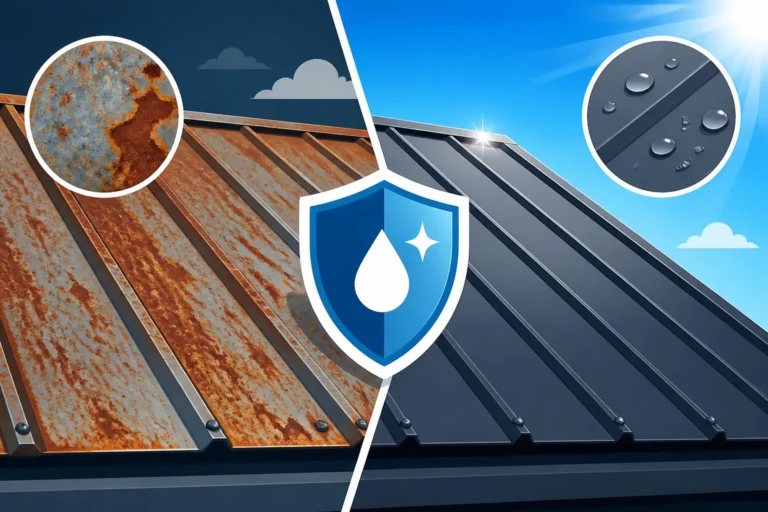
Equally important is assessing the damage to the roof's coating. High-quality metal roofs feature durable finishes like Kynar 500 (PVDF) or SMP (Siliconized Modified Polyester) that are designed to protect the metal and maintain its color. If hail has chipped, cracked, or scraped away these coatings, it exposes the bare metal underneath, making it vulnerable to rust and corrosion, particularly in humid or coastal environments. This kind of damage can dramatically shorten the lifespan of your roof, negating one of the primary benefits of metal roofing. A good rule of thumb is that if you see any exposed metal that isn't supposed to be exposed, it's a problem that needs addressing promptly. This is a situation where you might consider Metal Roof Coating and Restoration Options to protect your investment.
Repair vs. Replace: Making the Call
Deciding whether to repair or replace your metal roof after hail damage often boils down to the extent and nature of the damage. For minor, cosmetic dents that haven't compromised the coating or structural integrity, repairs can be a cost-effective solution. This might involve paintless dent repair techniques or localized panel replacement. However, if the damage is widespread, severe (deep creases, tears), or has extensively compromised the protective coating across a large area, a full roof replacement may be the more economical and durable option in the long run.
Consider the age of your roof too. If your metal roof is nearing the end of its projected lifespan and has significant hail damage, replacement might be a better investment than pouring money into extensive repairs on an aging system. You'll want to review your specific situation and refer to a guide like Metal Roof Repair vs Replacement: How to Decide] to help you weigh the pros and cons. When weighing your options, getting multiple professional opinions and detailed quotes is always a good idea.
Here's a quick comparison to help you think through the decision:
| Feature | Repair Feasible (Often DIY or Minor Pro) | Replacement Likely (Professional) |
|---|---|---|
| Dent Severity | Shallow dimples, cosmetic | Deep creases, tears, extensive panel distortion |
| Coating Damage | Minor scratches, isolated chips | Widespread chipping, peeling, exposed bare metal over large areas |
| Panel Integrity | Intact, no perforations or kinks | Compromised, warped, or split panels |
| Fasteners/Seams | Intact, minor rubber washer issues | Loose, detached fasteners; compromised standing seams |
| Overall Extent | Localized to a few panels or small area | Widespread damage across majority of roof |
| Age of Roof | Relatively new (less than 15-20 years) | Nearing end of lifespan (30+ years) |
DIY vs. Professional Repair for Hail Dents
Once you've assessed the damage, the next big question is: can I fix this myself, or do I need to call in the experts? The answer isn't always straightforward and depends heavily on your comfort level, skill set, and the severity of the damage.
When DIY is Viable and When It's Not
For the handy homeowner, very minor, purely cosmetic hail dents might be a tempting DIY project. If you're dealing with just a few small, shallow dimples that haven't broken the paint or coating, you might be able to gently push them out from underneath if you have access to the underside of the panel, or use specialized paintless dent repair (PDR) tools designed for auto body work, with extreme caution. These methods require a delicate touch and patience to avoid causing further damage or unsightly ripples. Remember, metal roofing panels are designed to be walked on carefully, but you need to know How to Walk on a Metal Roof Without Damage] to avoid creating more problems.
However, the moment you see anything more serious – deep dents that have creased the metal, extensive coating damage, bent panels, or any sign of a potential leak (even if it's not actively leaking yet, see Metal Roof Leak Repair Guide] for warning signs) – it's time to step back from the DIY approach. Attempting to fix severe damage yourself without the right tools, knowledge, and safety equipment can lead to bigger, more expensive problems, including compromising your roof's warranty. It's often safer and more effective to leave anything beyond the most superficial cosmetic fixes to professionals.
Finding a Qualified Metal Roofing Contractor
If you've determined that professional help is needed, finding the right metal roofing contractor is paramount. This isn't just about calling the first name you find in a search; it's about vetting thoroughly. Look for contractors who specialize in metal roofing, as it requires different skills and equipment than asphalt shingles. They should be licensed, insured, and bonded, and be able to provide references for similar projects. A great resource for this is a platform like Modernize, which can help connect you with pre-vetted local professionals experienced in metal roof repair. They often have a network of contractors ready to tackle everything from minor repairs to full replacements.
Don't be afraid to ask specific questions about their experience with hail damage, the materials they use for repairs, and their warranty on workmanship. A contractor who is transparent and willing to educate you on the process is usually a good sign. It's also wise to get at least three quotes to compare not just prices, but also the scope of work and proposed solutions. For more in-depth guidance, check out How to Hire a Metal Roofing Contractor] and Questions to Ask a Metal Roofing Contractor Before You Hire].
Considering Insurance Claims for Hail Damage
After significant hail damage, your homeowner's insurance policy might be your best friend. Most policies cover sudden and accidental damage, which certainly includes hail. The key is to act quickly. Document everything with photos and videos of the damage, and contact your insurance provider as soon as possible to file a claim. They will likely send an adjuster to inspect your roof and assess the damage.
It's a good idea to have your chosen metal roofing contractor also inspect the roof before the adjuster arrives, so you have a professional opinion on the extent of the damage. They can often spot subtle issues that an adjuster, who might be more accustomed to shingle roofs, could miss. Be aware of your policy's specifics regarding hail, especially if there's a "cosmetic damage exclusion," which some policies have for metal roofs, meaning they won't cover purely aesthetic dents that don't affect performance. Understanding Metal Roof Insurance Savings & Discounts] can give you an edge in these conversations. Your contractor can work with the adjuster to ensure all damage is properly identified and fairly compensated. Remember, patience is key, as insurance claims can sometimes take time.
Detailed Repair Methods for Metal Roof Dents
Once you've decided on the route to take – DIY or professional – it's time to understand the actual repair methods. The approach will depend entirely on the severity, location, and type of dents.
Minor Dent Repair Techniques
For very minor, superficial dents that haven't broken the coating or created sharp creases, some specialized techniques can be employed. The most common approach for cosmetic dents is often inspired by "paintless dent repair" (PDR) methods used in the automotive industry. This involves using specialized tools to gently massage or pull the dent out from the underside or exterior of the panel without damaging the finish. This technique requires significant skill and experience to avoid stretching the metal or creating new imperfections, so it’s usually best left to a professional who specializes in this type of work.
Another method for isolated, small dents that have compromised the coating might involve filling the dent with an appropriate metal-compatible filler, sanding it smooth, and then carefully matching and reapplying the protective paint coating. This is a meticulous process to ensure proper adhesion and color matching, and if done incorrectly, it can look worse than the original dent or lead to premature failure of the patched area. Often, a reputable roofing contractor will have experience with these techniques or recommend a panel replacement if the dent is too complex or widespread for a seamless repair.
Replacing Damaged Panels
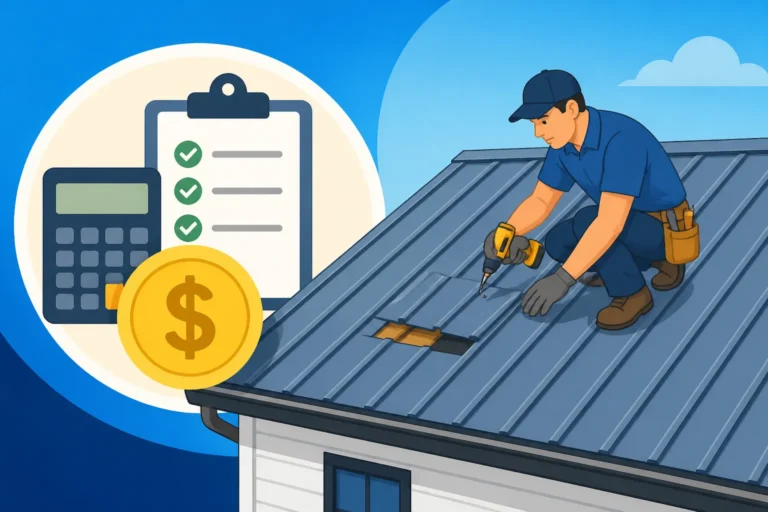
When dents are deep, widespread, or have caused structural compromise like creasing, tearing, or significant coating loss, individual panel replacement is often the most effective and durable solution. This involves carefully removing the damaged panel (or panels) and installing new ones that perfectly match the existing roof in terms of material, profile, gauge, and color. This process requires precision to ensure the new panels integrate seamlessly with the old, maintaining the roof's weatherproofing and aesthetic appeal.
Replacing panels is definitely a job for experienced professionals. It involves working at heights, safely disassembling and reassembling parts of the roof, and ensuring all flashing and seals are properly re-installed to prevent leaks. For a Standing Seam Metal Roof Cost] or Corrugated Metal Roof Cost], the cost of individual panel replacement will be a fraction of a full roof, but still requires skilled labor. A contractor will also ensure that new panels are sourced from the same manufacturer or a compatible one to ensure long-term performance and maintain warranty validity.
Recoating and Restoration Options
If your metal roof has widespread, but primarily cosmetic, hail damage that mainly affects the coating (scratches, chips, minor dimples that don't compromise structural integrity), a full recoating or restoration might be a viable alternative to panel replacement. This process involves thoroughly cleaning the existing roof, repairing any minor imperfections, and then applying a new, durable protective coating system over the entire surface. This can refresh the look of your roof, restore its protective properties, and extend its lifespan.
There are various types of coatings available, from elastomeric to silicone-based, each offering different levels of protection and lifespan. A professional roofing contractor can advise you on the best coating system for your specific metal type and climate, like those offered by companies such as Sherwin-Williams or Conklin. This option is particularly attractive for roofs where the metal itself is still in good condition but the aesthetic or protective qualities of the original finish have been compromised. You can learn more about this in Repainting and Recoating a Metal Roof]. This approach can often be more cost-effective than replacing an entire roof, breathing new life into your existing metal system.
Preventing Future Hail Damage and Maximizing Roof Life
Once you've tackled the hail damage, you'll naturally want to do everything you can to prevent it from happening again. While you can't control the weather, there are steps you can take to make your metal roof more resilient and ensure it stands strong for decades to come.
Reinforcing Your Roof Against Hail
If you're in an area prone to severe hail, considering stronger materials for your next roof or during major repairs can make a big difference. For instance, opting for a heavier gauge metal, like 24-gauge steel instead of 26-gauge, can significantly increase dent resistance. Some manufacturers offer specialty metal roofing products designed with enhanced impact resistance, often carrying a Class 4 impact rating, the highest classification for roofing materials. These roofs are built to withstand larger hail and more intense impacts.
Another aspect to consider is the roof decking and underlayment. While these don't prevent dents, a robust system underneath provides better support to the metal panels, potentially reducing the depth of dents from lighter hail. Discuss these options with your contractor, especially if you're undertaking a full roof replacement. They can guide you towards materials and installation techniques that offer superior protection against future hail events.
Regular Maintenance and Inspections
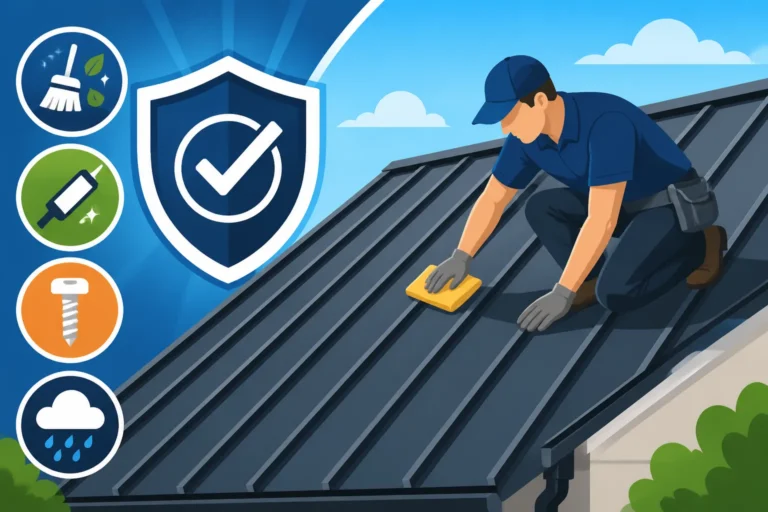
The best defense against any roofing issue, including hail damage, is consistent maintenance and regular inspections. Even if you've had repairs, developing a habit of inspecting your roof after every major storm, or at least twice a year (spring and fall), can help you catch minor issues before they become major problems. Look for loose fasteners, compromised sealants, or any signs of surface wear.
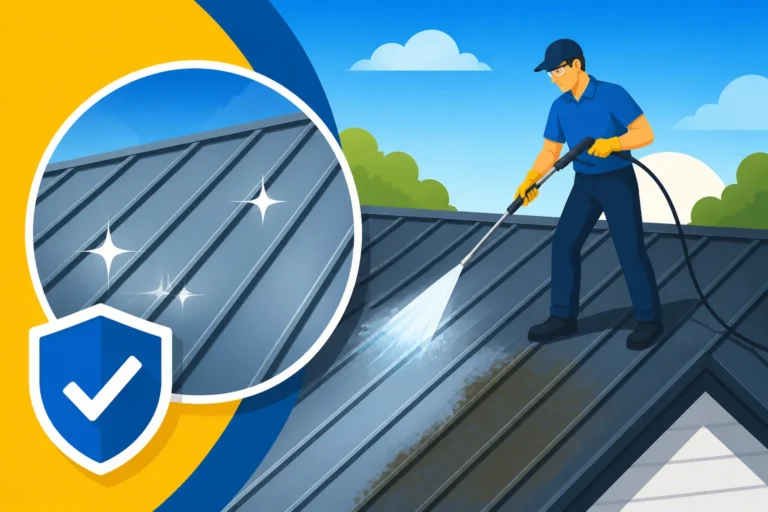
Keeping your gutters clean and ensuring proper drainage helps prevent water from pooling on your roof, which can exacerbate any small coating breaches. You can also proactively clean your roof to prevent moss or algae growth, which can trap moisture and degrade coatings. A comprehensive Metal Roof Maintenance Guide] will offer a checklist for these tasks. Remember, a well-maintained metal roof is a resilient metal roof, capable of shrugging off many of the challenges Mother Nature throws its way.
Disclaimer
Please note that the information provided in this article is intended for general guidance and informational purposes only, and does not constitute professional advice. Metal roof repair and replacement are complex processes that should ideally be undertaken by qualified and experienced roofing professionals. Always consult with a licensed contractor and your insurance provider before making any decisions regarding your metal roof. Safety should always be your top priority when working on or inspecting a roof.