What Is the Best Metal Roof for California Weather
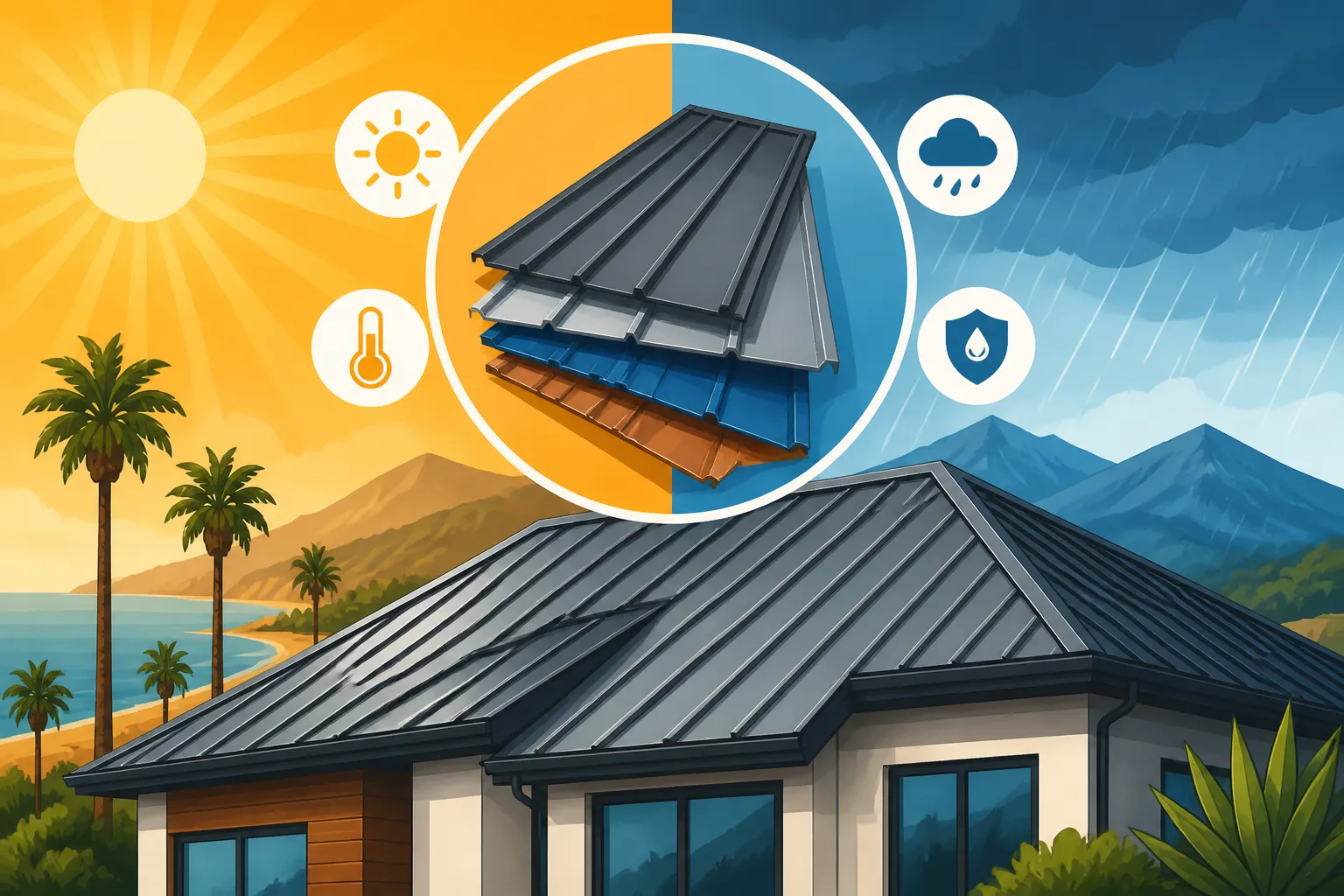
Homeowners in California face a unique array of environmental challenges, from scorching summer heat and intense UV radiation to the ever-present threat of wildfires, not to mention heavy winter rains and strong coastal winds. Choosing the right roof isn't just about aesthetics; it's about protecting your biggest investment against these specific, demanding conditions. This comprehensive guide will walk you through the best metal roofing options designed to withstand California's diverse climate, ensuring your home remains safe, efficient, and beautiful for decades to come.
Navigating California's Diverse Climate Challenges
California is a state of extremes, a beautiful but demanding landscape that puts any building material, especially your roof, to the ultimate test. Understanding these unique challenges is the first step in choosing a metal roof that will truly perform. It's not a "one size fits all" situation here; a roof perfect for San Diego might struggle in the Sierra Nevada foothills.
Wildfire Risk Zones and Non-Combustible Materials
The threat of wildfires is a grim reality for many California communities, particularly in the wildland-urban interface. Homes in areas like Santa Rosa, Paradise, or Malibu have felt the devastating impact firsthand. When embers rain down on a roof, it's often the first line of defense. Traditional roofing materials like asphalt shingles can be highly susceptible to ignition.
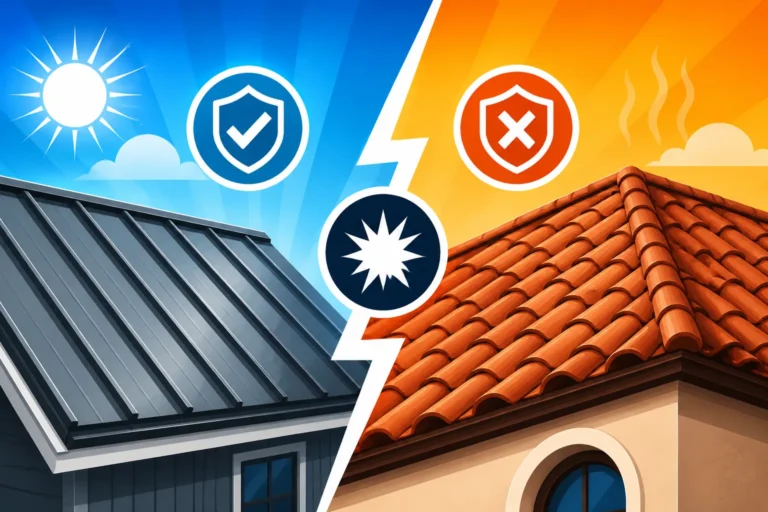
Metal roofs, on the other hand, are inherently non-combustible. This makes them a superior choice for fire-prone regions, offering a critical layer of protection that can significantly reduce the risk of your home catching fire from airborne embers. When selecting a metal roof, you'll want to ensure it meets Class A fire ratings, which is the highest classification for external fire exposure. This rating is crucial for meeting local building codes and potentially lowering your homeowners insurance premiums, especially in high-risk areas. Many regions across California, from the foothills of the Sierra Nevada to the chaparral-covered hillsides of Southern California, mandate specific fire-resistant building materials, and metal roofing fits this requirement perfectly.
Intense Heat, UV Exposure, and Energy Efficiency
California's sunshine, while beautiful, also brings intense UV radiation and prolonged periods of high temperatures, especially inland in places like the Central Valley, Palm Springs, or Redding. These conditions can degrade traditional roofing materials rapidly, leading to cracking, fading, and reduced lifespan. More importantly, they can turn your attic into an oven, driving up cooling costs dramatically.
Metal roofs excel in managing heat. Many metal roofing systems are available with "cool roof" coatings, often using Kynar 500 or Hylar 5000 paints, which are designed to reflect a significant portion of the sun's radiant heat away from your home. This high solar reflectivity and thermal emissivity means less heat is absorbed into your attic, reducing the burden on your air conditioning system. This isn't just a comfort thing; it translates directly into tangible energy savings, a significant benefit for any California homeowner battling those triple-digit summer days. These reflective properties also contribute to a longer lifespan for the roof itself, as the material isn't constantly exposed to extreme heat fluctuations. To delve deeper into how these features can save you money, check out our guide on Metal Roof Insurance Savings & Discounts.
Coastal Salt Spray, High Winds, and Seismic Considerations
From the dramatic cliffs of Big Sur to the bustling beaches of Santa Monica, California's vast coastline presents its own set of roofing challenges. Constant exposure to salt spray can accelerate corrosion in certain metals, reducing their lifespan and aesthetic appeal. Furthermore, coastal areas and mountain passes frequently experience high winds, which can lift and damage less robust roofing systems.
Metal roofs generally have excellent wind resistance. Properly installed metal panels, especially standing seam profiles with hidden fasteners, can withstand extremely high wind speeds, often rated for up to 140-160 MPH or more. However, for coastal environments, material choice becomes critical. Aluminum is highly recommended due to its natural resistance to saltwater corrosion. While steel is also popular, a high-quality Galvalume coating is essential for steel roofs in coastal regions to prevent premature rust. Additionally, California's seismic activity means that lightweight roofing materials are often preferred, as they put less stress on the home's structure during an earthquake. Metal roofs are considerably lighter than tile or slate, offering an advantage in this regard.
Essential Metal Roof Characteristics for California Homes
When looking for the "best" metal roof for California, it's less about a single material and more about a combination of properties that align with the state's environmental demands. These characteristics are what truly define a high-performing metal roof in this unique region.
Superior Fire Resistance and Ratings
As previously mentioned, fire resistance is paramount in California. A metal roof's non-combustible nature is its greatest asset here. Look for roofs with a Class A fire rating, which means they are highly resistant to catching fire from flying embers or direct flame contact. This is achieved because metal simply doesn't burn. This inherent quality gives homeowners a vital peace of mind, especially during wildfire season.
Beyond the material itself, the way a metal roof is installed contributes to its fire rating. Proper decking and underlayment, along with tight seams and secure fastening, prevent embers from penetrating the roof system and igniting combustible materials below. Many local building codes in California's high fire severity zones now mandate specific roofing assemblies to achieve these ratings, making metal roofing a natural fit. For further information on codes, consider reading Metal Roof Building Codes Explained.
Advanced Cool Roof Technology and Coatings
Given California's prevalent sunshine and high temperatures, particularly inland, "cool roof" technology is a game-changer. These aren't just a marketing gimmick; they are scientifically engineered coatings designed to keep your home cooler and reduce your energy footprint.
The magic behind cool roofs lies in their high solar reflectance and thermal emissivity. Solar reflectance measures how much solar energy is reflected away from the roof surface, rather than absorbed. Thermal emissivity measures how efficiently the roof releases any absorbed heat. Coatings like those with PVDF (Kynar 500 or Hylar 5000) are particularly effective, offering excellent reflectivity and long-lasting color retention. Even darker colored metal roofs can achieve "cool roof" status with the right pigments. This not only lowers your utility bills but also contributes to reducing the urban heat island effect, a benefit for the wider community. Many California cities and the state itself offer incentives or mandates for cool roof compliance, making them a smart and often required investment. If you want to compare different types of coatings, you can learn more about PVDF vs SMP Paint Coatings for Metal Roofs.
Durable Materials and Corrosion Resistance
The longevity of a metal roof hinges on the durability of its material and its resistance to corrosion, especially when facing coastal salt spray or persistent moisture. Not all metals are created equal in this regard, and understanding the differences is key.
- Aluminum: This is the champion for coastal California. Aluminum naturally forms an oxide layer that protects it from rust and corrosion, even in the harshest salt-laden environments. It's lightweight, highly reflective, and extremely durable. The main drawback is a higher upfront cost compared to steel.
- Galvalume Steel: A popular choice, Galvalume steel is carbon steel coated with an alloy of aluminum and zinc. This combination provides excellent corrosion resistance, superior to traditional galvanized (zinc-only) steel. It's a fantastic all-around performer for most of California, offering a balance of durability, cost, and aesthetics.
- Galvanized Steel: While more economical, standard galvanized steel is less resistant to corrosion than Galvalume, especially in coastal areas. If considering galvanized, ensure a high-quality paint finish is applied.
- Copper and Zinc: These are premium, ultra-long-lasting options known for their distinctive patinas and exceptional durability. They are naturally highly corrosion-resistant and ideal for bespoke architectural designs but come with a significantly higher price tag. They can last well over 100 years.
The choice of material will significantly impact the lifespan and performance of your roof. For a detailed breakdown of costs, refer to our article on Metal Roof Cost by Material: Steel vs Aluminum vs Copper vs Zinc.
Top Metal Roofing Options for California's Unique Demands
Considering California's diverse climate, specific metal roofing types and profiles stand out for their performance and suitability. It’s about matching the right roof to your home's location and your personal priorities.
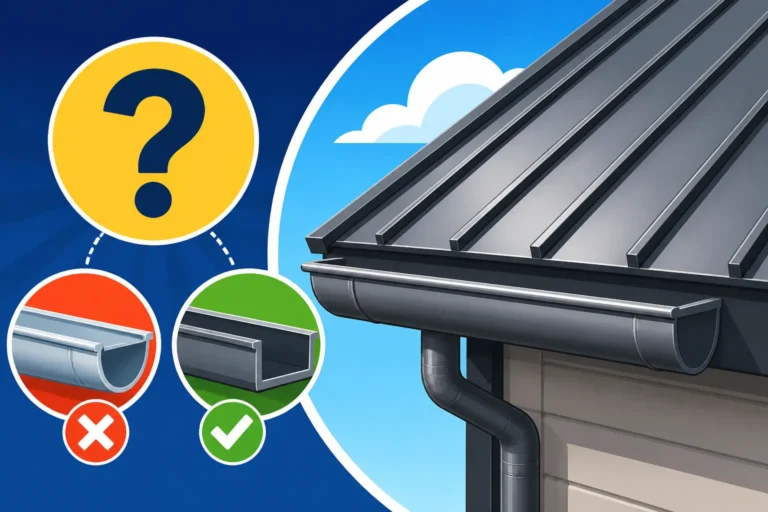
Standing Seam Metal Roofs
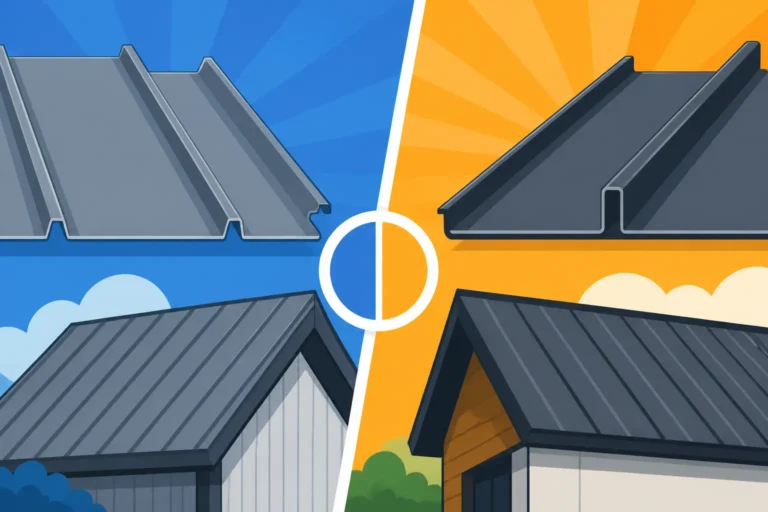
Standing seam metal roofs are arguably the gold standard for residential applications in California. These systems feature panels with raised, interlocked seams that run vertically from the eave to the ridge, effectively concealing the fasteners beneath the panels.
- Pros for California:
- Unrivaled Weather Protection: The hidden fastener system and raised seams create an incredibly robust, watertight barrier against heavy rains and high winds, common in both coastal regions and mountain areas.
- Excellent Fire Resistance: Like all metal roofs, they are non-combustible.
- Longevity: With minimal exposed fasteners, there are fewer points of failure, leading to a lifespan of 40-70 years or more.
- Aesthetics: Their clean, modern lines are popular and can enhance curb appeal, particularly for contemporary homes.
- Cool Roof Ready: Easily incorporate highly reflective coatings for superior energy efficiency.
- Considerations: Standing seam roofs typically have a higher upfront cost compared to exposed fastener systems. However, their durability and longevity often translate to a lower lifecycle cost. To understand the differences in profiles, you might find our guide on Standing Seam vs Corrugated Metal Roof useful.
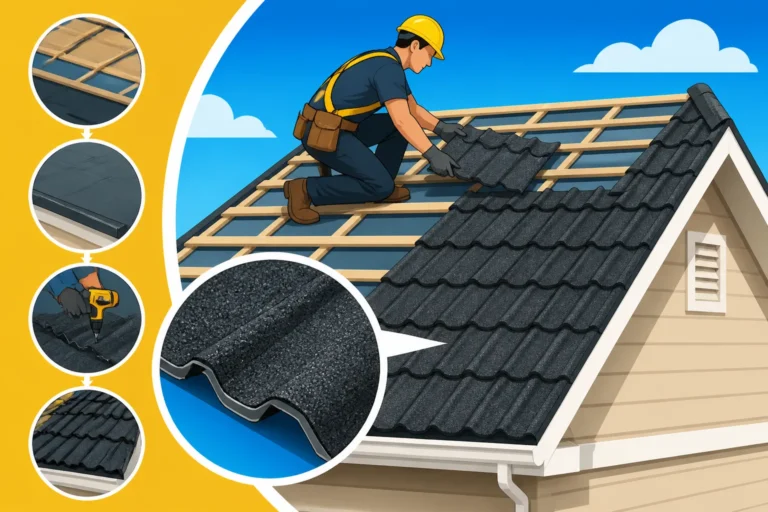
Stone-Coated Steel Roofs
If you love the look of traditional tiles, shakes, or shingles but want the benefits of metal, stone-coated steel is an excellent choice. These roofs are made from steel panels that are stamped into various profiles and then coated with acrylic and ceramic-coated stone granules.
- Pros for California:
- Exceptional Aesthetics: Mimic the look of clay tiles, wood shakes, or architectural shingles, blending seamlessly with many California architectural styles, from Spanish Colonial to Craftsman.
- Class A Fire Rating: The steel core and non-combustible granules offer excellent fire resistance.
- Durability and Impact Resistance: The stone coating provides superior resistance to hail and other impacts, and the interlocking panels are very wind-resistant.
- Lightweight: Significantly lighter than traditional clay or concrete tiles, which is beneficial for structural integrity and seismic considerations.
- Energy Efficiency: Many stone-coated steel products feature cool roof technology in their finishes.
- Considerations: While highly durable, the granules can sometimes wear over many decades, potentially requiring recoating. Installation requires specialized expertise due to the precise panel interlocking.
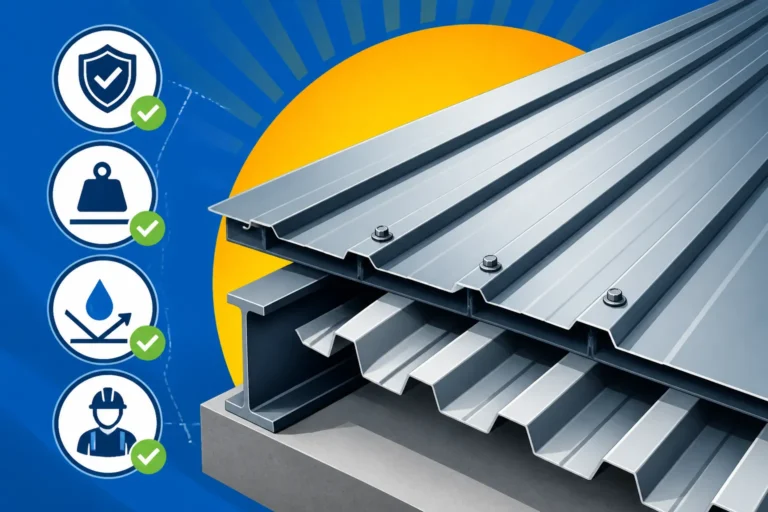
Corrugated and R-Panel Metal Roofs
Corrugated and R-panel roofs are exposed fastener systems, meaning the screws that attach the panels to the roof deck are visible. They feature ribs and valleys, offering a more industrial or classic farm aesthetic.
- Pros for California:
- Cost-Effective: Generally the most economical metal roofing option, making them attractive for homeowners on a budget or for outbuildings and workshops.
- Good Fire Resistance: Still non-combustible steel.
- Lightweight and Durable: Offers good protection against wind and rain when properly installed.
- Reflectivity: Can be ordered with cool roof coatings.
- Considerations: The exposed fasteners are points of potential vulnerability. The rubber washers beneath the screw heads can degrade over time due to UV exposure and thermal expansion, requiring periodic inspection and replacement to prevent leaks. This makes them less ideal for the absolute longest lifespan compared to standing seam, but still a vast improvement over asphalt. These systems are often made with lighter gauge steel (e.g., 29 gauge), which can be more susceptible to denting than heavier gauges. While they perform well, especially with high-quality sealants and fasteners, they typically don't offer the same long-term, worry-free performance as a standing seam roof in extreme California conditions.
Here's a quick comparison of these popular options:
| Feature | Standing Seam | Stone-Coated Steel | Corrugated/R-Panel |
|---|---|---|---|
| Aesthetics | Modern, Sleek | Tile/Shake/Shingle | Industrial, Rustic |
| Fire Resistance | Class A | Class A | Class A |
| Wind Resistance | Excellent | Excellent | Good |
| Corrosion Resistance | Excellent | Excellent | Good |
| Impact Resistance | Good | Excellent | Good |
| Energy Efficiency | Excellent | Excellent | Good |
| Fasteners | Hidden | Hidden | Exposed |
| Lifespan (Years) | 40-70+ | 30-50+ | 25-45+ |
| Cost | High | Medium-High | Low-Medium |
| Best for California | All zones | All zones | Moderate zones |
Choosing the Right Material for Your Specific California Microclimate
The most important factor often comes down to your specific location in California:
- Coastal Areas (e.g., San Diego, Santa Cruz, Eureka): Aluminum or high-quality Galvalume steel with a premium paint finish are your best bets for corrosion resistance against salt spray. Standing seam and stone-coated steel are ideal here due to their robust weather sealing.
- Inland Valleys & Deserts (e.g., Sacramento, Bakersfield, Palm Springs): Energy efficiency and UV resistance are paramount. Cool roof rated coatings are a must. Any metal type with a good cool roof finish will perform well, but aluminum and Galvalume standing seam or stone-coated steel will maximize heat reflection.
- Mountain Regions (e.g., Lake Tahoe, Big Bear, Mammoth): Snow load capacity and resistance to freeze-thaw cycles are important. Standing seam roofs perform exceptionally well, allowing snow to shed efficiently, and their robust construction handles temperature fluctuations. Consider installing How to Install Snow Guards on a Metal Roof in these areas.
- Wildfire-Prone Areas (e.g., Napa Valley, Santa Barbara hills, foothills): Class A fire-rated metal roofs are essential, often mandated. All the options discussed, when properly installed, meet this requirement.
Beyond the Roof: Installation, Regulations, and Longevity in California
Selecting the right metal roof material and profile is only part of the equation. In California, proper installation, adherence to local regulations, and understanding the long-term aspects are just as crucial for ensuring your investment performs as expected.
The Critical Role of Expert Installation
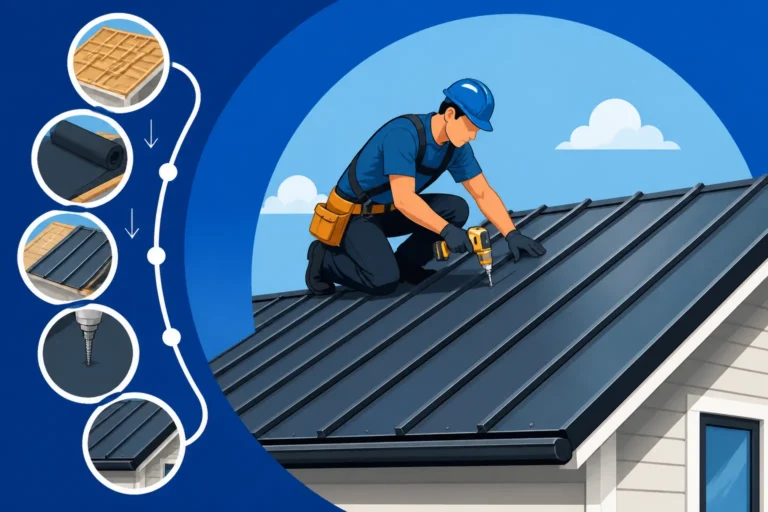
Even the highest quality metal roof can fail prematurely if it's not installed correctly. This is especially true in California, where roofs need to withstand everything from seismic tremors to intense wildfires and persistent coastal winds. Metal roofing, particularly standing seam systems, requires specialized tools, training, and experience.
A qualified, experienced installer will understand the nuances of metal expansion and contraction, proper fastening techniques, flashing around penetrations (like chimneys and skylights), and the critical role of underlayment. They'll know how to achieve the necessary wind and fire ratings that California mandates. When evaluating contractors, ask specifically about their experience with metal roofing in your area's climate challenges. Don't be shy about asking for references and looking at their past work. Resources like Modernize can help you connect with qualified local installers who understand California's specific needs and can provide accurate bids. An improperly installed roof can lead to leaks, wind damage, and even void manufacturer warranties. To ensure you’re getting the right contractor, check out our guide on How to Hire a Metal Roofing Contractor.
Navigating California's Building Codes and Permits
California has some of the most stringent building codes in the nation, and for good reason. These codes are designed to ensure safety and resilience against the state's unique environmental hazards. Before any roof replacement project begins, obtaining the necessary permits from your local city or county building department is essential.
Key areas of focus for California metal roof installations include:
- Fire Ratings: As discussed, Class A fire ratings are often mandatory, especially in high fire severity zones. Your contractor must be familiar with these requirements and ensure the entire roof assembly (panels, underlayment, decking) meets them.
- Wind Resistance: Building codes will specify minimum wind load requirements based on your location. Metal roofs generally exceed these, but proper fastening schedules and perimeter detailing are critical.
- Energy Efficiency (Cool Roofs): California has Title 24 energy efficiency standards that often require new and replacement roofs to meet specific cool roof reflectance and emissivity values. Many metal roofing products are certified to meet these standards.
- Structural Considerations: While metal roofs are lightweight, your existing roof structure still needs to be sound. A permit ensures that the installation is inspected for structural integrity and code compliance.
Working with a contractor who is intimately familiar with California's specific codes, like those in Los Angeles County or the Bay Area, is non-negotiable. They will handle the permit process, ensuring your project is compliant from the start and avoids costly delays or rework. You can get a general idea of local requirements by looking at articles like Metal Roof Permits and Codes by State.
Long-Term Value and Maintenance
Investing in a metal roof for your California home is a decision that pays dividends over many decades. Their exceptional lifespan means fewer replacements and less material going into landfills. However, "low maintenance" doesn't mean "no maintenance."
Regular inspections, typically once a year or after a major storm, are advisable. Look for any signs of loose fasteners (on exposed fastener systems), debris buildup in valleys, or damaged flashing. Keep the roof clean of leaves and branches to prevent standing water or staining. While metal roofs are highly resistant to moss and algae, a gentle cleaning can maintain their aesthetic appeal.
The longevity of a metal roof, often 40-70 years or even more, means it could be the last roof you ever need to install. This long-term value, combined with potential energy savings and insurance discounts for fire and wind resistance, often outweighs the higher upfront cost compared to traditional asphalt shingles. When considering the true cost, always look at the full lifecycle, which is where metal roofs truly shine in California. For more on how these aspects influence value, explore topics like Metal Roof Cost vs Lifespan Value.
Disclaimer
Please remember that building codes, regulations, and product availability can change. Always consult with a qualified, licensed local metal roofing contractor and your local building authority to ensure your chosen roofing system meets all current requirements for your specific California location and climate zone. This article provides general information and should not be considered professional advice for your specific project.