What Is the Difference Between R-Panel and Standing Seam?
Deciding on a new roof for your home can feel like navigating a maze, especially with all the jargon and different options out there. Many homeowners find themselves scratching their heads when confronted with terms like "R-panel" and "standing seam," wondering if they're fundamentally different or just fancy names for the same thing. This guide is here to untangle that confusion, offering a clear, empathetic breakdown of the differences between R-panel and standing seam metal roofing so you can make an informed decision for your biggest investment: your home.
Understanding R-Panel Metal Roofing
When people picture a metal roof, often what comes to mind is the distinctive look of R-panel or its close cousin, corrugated metal. It's a workhorse of a roofing system, widely used in a variety of applications due to its practicality and strength. But what exactly makes an R-panel roof an R-panel roof?
What is R-Panel Metal Roofing?
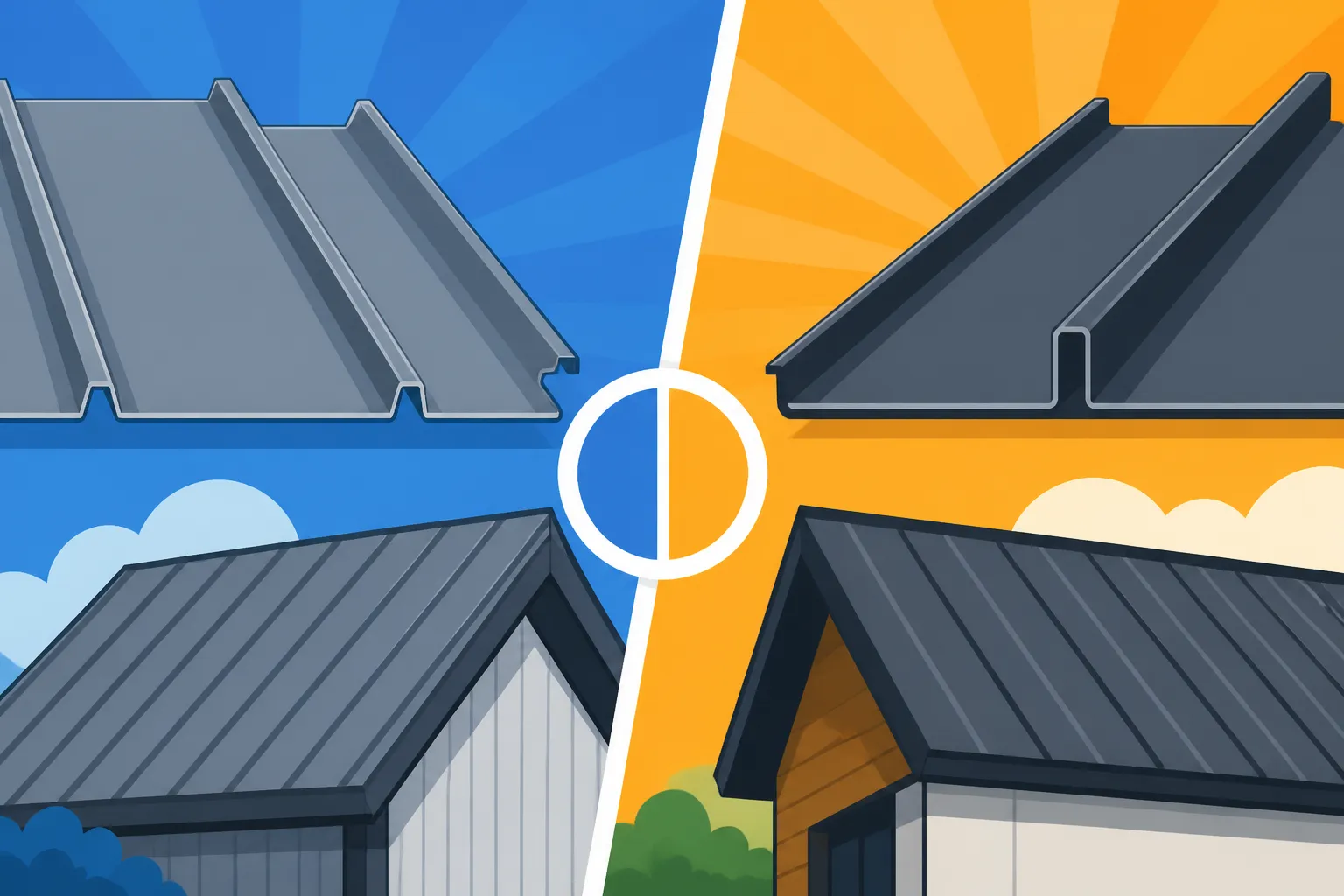
R-panel metal roofing is characterized by its prominent, exposed fasteners and its trapezoidal ribs. Unlike the wavy, rounded profile of traditional corrugated panels, R-panel features more angular, squarish ribs that give it a robust, industrial aesthetic. These panels are typically made from galvanized steel or Galvalume steel, often with a protective paint coating that adds to both their durability and their visual appeal. You'll commonly see R-panel on commercial buildings, agricultural structures like barns, and increasingly, on residential homes where homeowners are looking for a blend of resilience and a modern, slightly utilitarian look. If you're wondering, "What Is a R-Panel Metal Roof?", it's essentially a type of exposed fastener panel with a strong, distinct profile.
The panels are manufactured in long sheets, cut to size, and then fastened directly to the roof deck or purlins using screws that go straight through the face of the metal panel into the underlying structure. These screws are typically color-matched to the panel and have neoprene washers to create a waterproof seal. This direct fastening method is a defining characteristic and a key differentiator from other metal roofing types.
Key Characteristics and Benefits of R-Panel
One of the biggest draws of R-panel roofing is its incredible durability. These panels are tough, able to withstand severe weather conditions, including strong winds and hail, making them a popular choice in areas prone to such events. They’re also relatively lightweight compared to traditional roofing materials, which can be a benefit during installation and for the long-term structural integrity of your home.
The installation process for R-panel is generally quicker and less complex than other metal roofing systems, which can translate into lower labor costs. Because the fasteners are exposed, they are easy to access if any maintenance or repair is needed down the line. Many homeowners appreciate that R-panel offers a fantastic blend of performance and cost-effectiveness. It delivers the benefits of metal roofing—like longevity and energy efficiency—without the higher price point often associated with premium systems. Companies like Modernize can help you connect with contractors who specialize in efficient R-panel installations, ensuring you get quality work. The robust nature of these panels also contributes to a longer lifespan than many traditional asphalt shingles, offering excellent value over time.
Potential Drawbacks of R-Panel
While R-panel brings a lot to the table, it does have a few considerations that homeowners should be aware of. The most common point of concern is the exposed fastener system. Over many years, the neoprene washers on these screws can degrade due to constant exposure to UV rays and extreme temperatures. When these washers fail, they can lead to leaks, which means periodic maintenance (often every 10-15 years) to inspect and potentially replace or re-tighten the fasteners. This isn't a deal-breaker for many, but it is an ongoing maintenance item to consider.
From an aesthetic perspective, some homeowners find the visible screw heads less appealing than the clean lines of other metal roofing profiles. While the screws are color-matched, they are still visible, which gives R-panel a more utilitarian or industrial look that might not suit every architectural style. If you're aiming for a sleek, contemporary, or historic look, R-panel might not be your first choice. The exposed fasteners also create more potential entry points for water, although proper installation and ongoing maintenance can largely mitigate this risk.
Exploring Standing Seam Metal Roofing
On the other end of the metal roofing spectrum, we have standing seam systems. These roofs have gained immense popularity in recent years, especially in residential applications, for their sleek appearance and superior performance. But what sets them apart from their R-panel counterparts?
What is Standing Seam Metal Roofing?
"What Is a Standing Seam Metal Roof?" is a question many homeowners ask, and the answer lies in its sophisticated design. Standing seam roofing is characterized by its interlocking panels with vertical legs, or "seams," that stand up above the flat surface of the roof. Crucially, the fasteners that hold these panels to the roof deck are completely hidden beneath these seams. This hidden fastener system creates a smooth, continuous, and exceptionally clean aesthetic that many find highly desirable.
These panels are often custom-fabricated on-site or pre-cut to exact specifications, ensuring a perfect fit for your roof. The seams are mechanically seamed or snapped together, forming a robust, weather-tight connection. Materials typically include steel (Galvanized or Galvalume), aluminum, copper, or zinc, each offering different aesthetics and performance characteristics. This system is known for its ability to expand and contract with temperature changes without stressing the fasteners, which is a major advantage for durability and longevity.
Key Characteristics and Benefits of Standing Seam
The benefits of standing seam roofing are numerous and often align with what homeowners are looking for in a premium roofing product. First and foremost is its aesthetic appeal. The clean lines and lack of visible fasteners create a modern, sophisticated look that complements a wide range of architectural styles, from contemporary homes to traditional farmhouses. This can significantly enhance your home's curb appeal and even its resale value.
Beyond looks, standing seam is a powerhouse when it comes to performance. The hidden fastener system protects the screws and washers from UV degradation and exposure to the elements, drastically reducing the potential for leaks and extending the life of the roof. It’s incredibly durable, able to withstand extreme winds, heavy snow loads, and hail. The interlocking panels also allow for thermal movement, preventing buckling or warping that can occur with temperature fluctuations. Because it's a premium product, standing seam metal roofs often come with stronger warranties, both from the manufacturer and the installer, offering homeowners peace of mind. Many homeowners looking for a long-term investment consider this type of roofing. You can explore topics like "Is a Standing Seam Roof Worth the Extra Cost" to understand the return on investment.
Potential Drawbacks of Standing Seam
While standing seam offers significant advantages, it's essential to acknowledge its primary drawback: cost. A standing seam metal roof typically costs significantly more upfront than an R-panel roof, both in terms of materials and installation labor. The panels themselves are more complex to manufacture, and the installation requires specialized tools and a higher level of skill and precision from the roofing contractor. This complexity means a longer installation time, further contributing to the overall cost.
For example, when considering options like "Standing Seam Metal Roof Cost", you'll quickly see that the investment is substantial. While it offers a superior lifespan and reduced long-term maintenance, the initial sticker shock can be a barrier for some budgets. It's an investment that pays off over decades, but it requires a higher capital outlay upfront. Finding a qualified installer, perhaps through a platform like Modernize, is crucial to ensure the investment is worthwhile and the roof performs as expected.
The Core Differences: R-Panel vs. Standing Seam
Now that we've looked at each system individually, let's put them side-by-side to really highlight the fundamental differences. Understanding these distinctions is key to choosing the right metal roof for your home and budget.
Fastener Systems: Exposed vs. Hidden
This is, without a doubt, the most significant difference between R-panel and standing seam metal roofing.
-
R-Panel (Exposed Fastener): With R-panel, the screws are drilled directly through the face of the metal panel and into the roof deck or supporting structure. These screws are visible, usually color-matched to the panels, and fitted with neoprene washers to prevent water intrusion. While effective initially, these washers are exposed to the elements. Over time, UV radiation and temperature fluctuations can cause them to dry out, crack, and fail, making them potential points of entry for leaks. This design means that periodic maintenance, typically involving inspecting and possibly replacing or resealing fasteners, is necessary to maintain the roof's integrity. For more details, consider reading about "Exposed vs Hidden Fastener Metal Roofing".
-
Standing Seam (Hidden Fastener): In contrast, standing seam systems use concealed clips and fasteners that are completely hidden beneath the raised seams of the panels. The panels are mechanically seamed or snapped together over these clips, creating a continuous, unbroken surface. Because the fasteners are protected from direct exposure to sunlight, rain, and hail, they are far less prone to wear and tear. This significantly reduces the risk of leaks and extends the overall lifespan of the roof with far less maintenance required for the fasteners themselves.
Aesthetics and Architectural Impact
The visual impact of these two roofing types is dramatically different and plays a huge role in a homeowner's decision.
-
R-Panel: The bold, industrial profile and visible fasteners of R-panel give it a distinctive, rugged aesthetic. It's a look that works exceptionally well on modern homes, industrial-style residences, barns, and commercial buildings. It can also create a striking contrast on more traditional homes, offering a contemporary edge. However, if you're looking for a smooth, uninterrupted roofline, the exposed screws might detract from your desired aesthetic. Its appearance is often compared to "Corrugated Metal Roof Cost", which shares a similar utilitarian appeal.
-
Standing Seam: Standing seam offers a clean, sleek, and sophisticated appearance. The vertical lines and lack of visible interruptions create a very refined and upscale look that enhances virtually any architectural style, from classic colonial to ultra-modern. It’s particularly favored for high-end residential projects where aesthetics and curb appeal are paramount. The uninterrupted surface can also make a roof appear larger and more expansive.
Cost and Installation Considerations
The financial investment and installation process are key areas where these two systems diverge.
-
R-Panel: Generally, R-panel is the more budget-friendly option upfront. The materials themselves are typically less expensive per square foot, and the installation process is simpler and quicker because the panels are directly screwed down. This means lower labor costs and a shorter project timeline. However, it's worth noting that any long-term cost analysis should factor in the potential for fastener maintenance. Understanding the "Metal Roof Cost by Profile: Standing Seam vs Corrugated vs Stone-Coated" can help put R-panel's cost into perspective.
-
Standing Seam: Standing seam is a premium product, and its cost reflects that. Both the materials and the specialized labor required for installation are significantly higher. The panels are more complex to manufacture, and the installation demands precision, specialized tools, and often involves skilled craftsmen to ensure proper seaming and watertightness. This leads to a higher upfront investment, but one that is often justified by its longer lifespan and minimal maintenance. While the initial investment might seem steep, many homeowners view it as a long-term asset. When looking for contractors, services like Modernize can help homeowners secure competitive bids from experienced standing seam installers, ensuring a quality installation for their investment.
Here’s a simplified comparison table to visualize the key differences:
| Feature | R-Panel Metal Roofing | Standing Seam Metal Roofing |
|---|---|---|
| Fastener System | Exposed fasteners (screws through panel face) | Hidden fasteners (clips beneath seams) |
| Aesthetics | Industrial, utilitarian look; visible screws | Clean, sleek, modern look; smooth, uninterrupted surface |
| Upfront Cost | Lower | Higher |
| Installation Complexity | Simpler, quicker | More complex, specialized, longer timeline |
| Maintenance Needs | Periodic fastener inspection/replacement (10-15 yrs) | Minimal fastener maintenance |
| Lifespan | 30-50+ years | 50-70+ years |
| Leak Potential | Higher due to exposed fasteners | Very low due to hidden fasteners |
| Thermal Movement | Less accommodating, can stress screw points | Excellent, panels float and expand freely |
Longevity, Durability, and Maintenance
The choice between these two metal roofing systems also impacts how long your roof will last and how much effort you'll need to put into maintaining it.
-
R-Panel: With proper installation and diligent maintenance of its fasteners, an R-panel roof can last 30 to 50 years. Its durability against impacts, wind, and fire is excellent. The main maintenance chore will be inspecting and potentially replacing or resealing those exposed fasteners every decade or so to prevent leaks. The coating on the steel also contributes significantly to its longevity, protecting it from rust and corrosion. You can learn more about general upkeep in our "Metal Roof Maintenance Guide".
-
Standing Seam: Standing seam roofs are known for their exceptional longevity, often lasting 50 to 70 years or even more, particularly those made of copper or zinc. Because the critical components (fasteners) are protected, the system is inherently more resistant to wear and tear. This translates to very low maintenance requirements for the roof itself. While general roof maintenance like clearing debris is still necessary, you won't have the same concerns about fastener degradation as with R-panel. The robust nature and extended lifespan often make homeowners consider topics like "Metal Roof Warranties: Workmanship vs Manufacturer" more seriously.
Choosing the Right Metal Roof for Your Home
Deciding between R-panel and standing seam isn't just about comparing features; it's about aligning the roof with your specific needs, preferences, and long-term goals for your home.
Factors to Consider for Your Decision
When you're standing at this crossroads, a few key factors should guide your decision-making process. First, your budget is usually a primary driver. Are you looking for the most cost-effective metal roofing solution upfront, or are you prepared to invest more for long-term benefits? Second, consider your desired aesthetic. Do you love the rugged, industrial look of exposed fasteners, or do you prefer the sleek, uninterrupted lines of a hidden fastener system? Think about your home's architectural style and how each roof type would complement or contrast with it.
Your local climate is another critical factor. While both perform well in adverse weather, standing seam offers an extra layer of protection against heavy rains and ice dams due to its concealed fasteners and superior seam design. Also, the pitch of your roof matters. Both can be installed on a variety of pitches, but standing seam is often preferred for lower-slope applications where water shedding is paramount. Finally, the expertise of your contractor is crucial for either system, but especially so for standing seam due to its intricate installation. Don't forget about other installation components like "Metal Roof Underlayment and Ventilation Guide", which is vital for any metal roof.
When R-Panel Makes Sense
R-panel truly shines in situations where practicality, cost-effectiveness, and a specific aesthetic are top priorities.
- Budget-Conscious Projects: If you're looking for the benefits of a metal roof—durability, energy efficiency, and a long lifespan—but have a tighter budget, R-panel is an excellent choice. It provides significant upgrades over traditional asphalt shingles without the premium price tag of standing seam.
- Industrial or Modern Farmhouse Aesthetics: For homes or buildings that embrace an industrial, commercial, or modern farmhouse style, the visible ribs and fasteners of R-panel can be a deliberate and attractive design choice. It offers a no-nonsense, robust look that perfectly fits these themes.
- Outbuildings and Garages: R-panel is a perfect solution for detached garages, workshops, sheds, and barns. Its durability and lower cost make it an ideal, long-lasting roofing solution for these ancillary structures.
- Areas with Moderate Weather: While strong, if your area doesn't experience extreme weather regularly, the slightly higher risk of fastener-related leaks over time might be less of a concern, making R-panel a very viable and attractive option.
When Standing Seam is the Superior Choice
Standing seam is often chosen when long-term performance, minimal maintenance, and premium aesthetics are the ultimate goals.
- High-End Residential Homes: For custom homes or properties where aesthetics and curb appeal are paramount, standing seam's clean lines and sophisticated appearance make it the preferred choice. It adds significant value and a high-end finish.
- Long-Term Investment Focus: Homeowners who plan to stay in their home for many decades, or who want the absolute longest-lasting and lowest-maintenance roof available, will find standing seam to be the superior investment. Its extended lifespan and reduced need for repairs often justify the higher upfront cost over 50+ years. If you're pondering "How Long Do Metal Roofs Last?", standing seam generally leads the pack.
- Regions with Severe Weather: In areas prone to heavy rains, blizzards, or high winds, the hidden fastener system of standing seam provides an unparalleled level of weather resistance, significantly reducing the risk of leaks and storm damage.
- Low-Slope Roofs: While both can be used, standing seam's superior watertightness due to its sealed seams makes it an exceptional choice for roofs with a lower pitch where water might shed more slowly.
- Minimal Maintenance Preference: If you prefer a "set it and forget it" approach to your roof and want to avoid the periodic fastener checks that R-panel might require, standing seam is the way to go.
Ultimately, both R-panel and standing seam are excellent choices for metal roofing, offering superior protection and longevity compared to many traditional materials. Your decision will come down to weighing the initial investment against the aesthetic outcome and your desired level of long-term maintenance. When you're ready to get quotes, remember that platforms like Modernize can connect you with pre-vetted local roofing professionals who specialize in both R-panel and standing seam installations, helping you find the perfect fit for your home and budget. It’s always smart to get multiple bids and ask plenty of questions before making a final decision. You can also review guides like "How to Hire a Metal Roofing Contractor" to ensure you're making a sound choice.
Disclaimer
Please remember that this information is for educational purposes only and should not be considered professional advice. Always consult with a qualified and licensed roofing contractor for specific recommendations and estimates for your property. Building codes, material availability, and installation practices can vary significantly by location.