What Screws Are Used for Metal Roofing?
Choosing a metal roof for your home is a fantastic long-term investment, promising decades of protection and style. But here’s the thing many homeowners overlook: the unsung heroes holding that beautiful, durable roof in place are the screws. Skimping on these tiny, yet mighty, fasteners or choosing the wrong type can lead to frustrating leaks, premature rust, and even panels lifting in high winds. This guide will walk you through the essential details of metal roofing screws, helping you understand what to look for and ensuring your investment truly lasts.
Understanding the Two Main Categories of Metal Roofing Fasteners
When we talk about metal roofing fasteners, we're really talking about two big categories that largely depend on your chosen metal roof style: exposed fasteners and hidden fasteners. Each has its own set of requirements, benefits, and potential drawbacks when it comes to the screws that secure them. It's not just about the screw itself, but how it interacts with the panel and the elements.
Exposed Fastener Systems
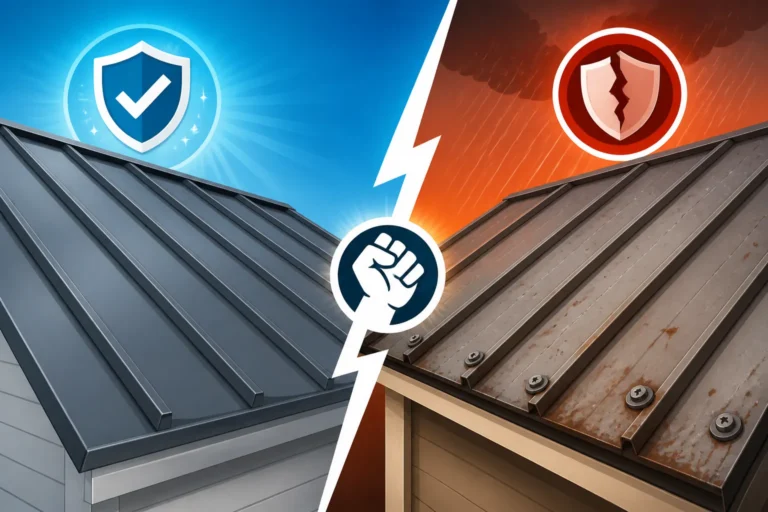
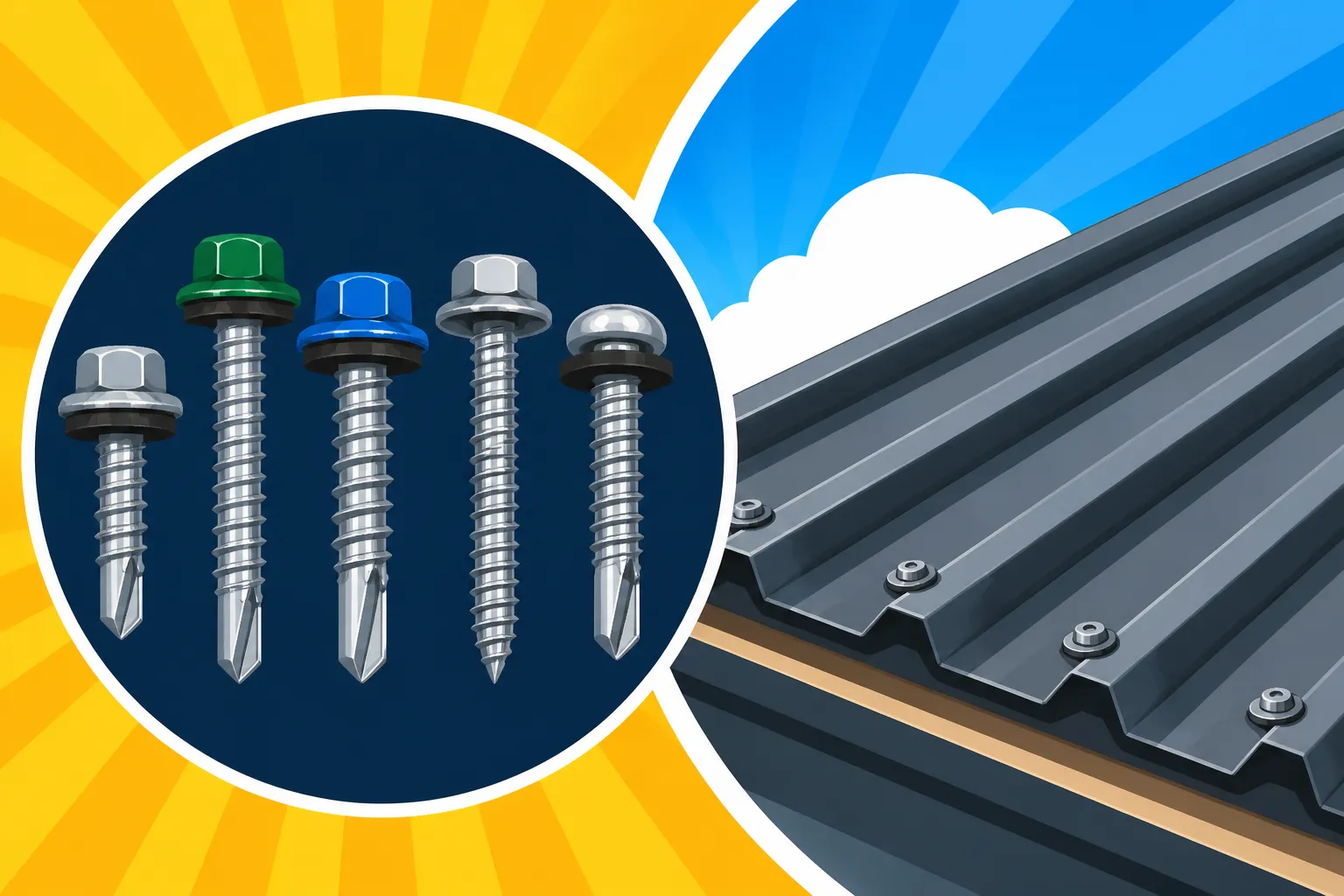
Exposed fastener metal roofs are what many people first picture when they think of metal. These systems, often seen on barns, commercial buildings, and increasingly on residential homes, feature panels that are secured directly to the roof deck or purlins with screws that pass through the metal panel itself. This means the head of every single screw is visible and, more importantly, directly exposed to the sun, rain, snow, and wind. This direct exposure is why the quality and design of these screws are absolutely paramount. You might find this style on corrugated, R-panel, or 5V Crimp roofs.
The primary concern with exposed fasteners is ensuring a watertight seal around each screw penetration. This is achieved through a specialized washer beneath the screw head, designed to compress and create a seal against the metal panel. However, these washers can degrade over time due to UV exposure and temperature fluctuations, which is a common source of leaks on older exposed fastener roofs. It's a double-edged sword: easier installation and often lower upfront material costs, but a greater reliance on each individual fastener maintaining its integrity over the roof's lifespan. When considering your overall investment, it's worth understanding the Metal Roof Installation Process: Step by Step to appreciate the role these fasteners play.
Hidden Fastener Systems
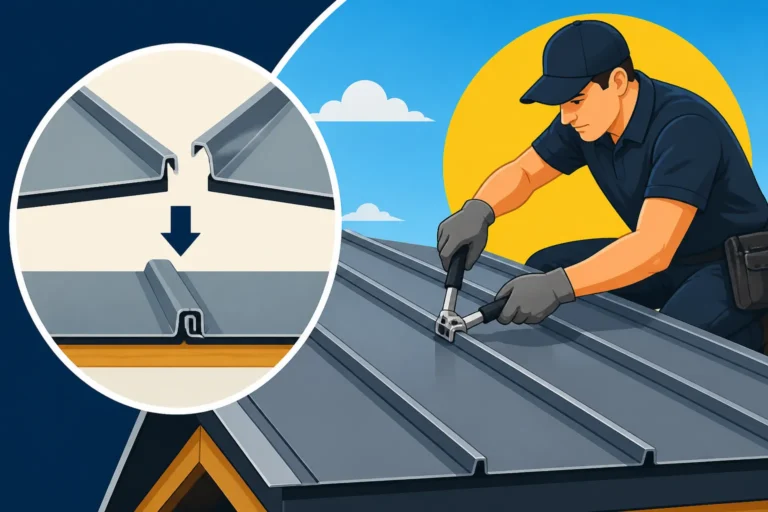
Hidden fastener metal roofs, most notably standing seam systems, offer a much cleaner aesthetic and are often considered a premium option. In these systems, the fasteners are concealed beneath the panels or within the seams, protected from direct weather exposure. This design significantly reduces the risk of leaks associated with screw penetrations because the screws aren't going through the weather-exposed surface of the panel. Instead, the panels are attached to clips, and these clips are then secured to the roof deck with screws. The next panel then snaps or is seamed over these clips, hiding the fasteners completely.
This method results in a much more durable and often longer-lasting roof, as the screws aren't battling the elements directly. It also allows the panels more room for thermal expansion and contraction, which is a big deal for metal roofing, preventing issues like oil canning or fastener fatigue. While the upfront cost for a Standing Seam Metal Roof Cost might be higher, the reduced maintenance and enhanced leak protection often make it a worthwhile investment for many homeowners. The fasteners in these systems still need to be robust and corrosion-resistant, but their protective environment gives them a distinct advantage in longevity.
Key Characteristics of Quality Metal Roofing Screws
No matter if your fasteners are exposed or hidden, the screws themselves need to be incredibly tough to withstand the rigors of a metal roof. We're talking about a lifespan that could be 50 years or more, facing everything from intense UV rays to hurricane-force winds. Understanding the different characteristics of these screws is crucial for ensuring your roof stays securely in place and watertight for decades.
Screw Material and Gauge
The backbone of any good metal roofing screw is its material. The vast majority of quality metal roofing screws are made from hardened steel, which provides the necessary strength to penetrate metal panels and hold firm against uplift forces. However, plain steel rusts easily, so it's always coated, which we'll get into next. For certain applications, especially in coastal environments or where extreme corrosion resistance is needed, stainless steel screws are an excellent, albeit more expensive, option. Stainless steel offers superior corrosion resistance throughout the entire screw, not just on the surface, making it ideal for the harshest conditions.
The gauge of the screw refers to its diameter, with lower numbers indicating a thicker, stronger screw. Common gauges for metal roofing screws include #10, #12, and #14. For most residential applications, a #10 or #12 screw is sufficient, but larger gauges like #14 might be used in high-wind zones or for heavier panel profiles. The length of the screw is also critical, needing to be long enough to penetrate the roof panel, any furring strips or existing shingles, and securely anchor into the underlying decking (usually plywood or OSB) or purlins. Typically, screws should extend at least 1 inch into solid wood. This is similar to how the Metal Roof Gauges Explained: 22, 24, 26 & 29 for the panels themselves relate to thickness and durability.
Essential Protective Coatings
Since most metal roofing screws are made of steel, they absolutely need protective coatings to prevent rust and corrosion, which would quickly compromise their integrity. There are a few primary types of coatings, each offering different levels of protection and cost.
- Galvanized: This is a basic zinc coating applied to the steel. It offers decent rust protection but can wear down over time, especially in harsh conditions. It's a cost-effective option for less demanding applications.
- Galvalume: A more advanced coating, Galvalume is an alloy of zinc and aluminum. It provides superior corrosion resistance compared to standard galvanization, particularly in acidic or saltwater environments. Many high-quality metal roof panels are also Galvalume-coated, making this a natural pairing for fasteners.
- Ceramic or Polymer Coatings: These are often proprietary coatings, like those offered by manufacturers such as Atlas or Grabber. They typically involve multiple layers, offering excellent corrosion resistance, UV stability, and often color-matching capabilities. These tend to be the premium choice for long-lasting, high-performance roofs. You might see names like "long-life" or "enhanced corrosion resistant" when looking at these.
Choosing the right coating is critical, especially for exposed fastener systems. A failed coating leads to rust, which can not only weaken the screw but also cause unsightly staining on your beautiful new metal roof.
Integrated Washers for a Watertight Seal
For exposed fastener systems, the washer is just as important as the screw itself. These aren't your typical hardware store washers. Metal roofing screws come with specialized sealing washers, usually made of EPDM rubber (ethylene propylene diene monomer). EPDM is chosen for its excellent UV resistance, flexibility, and ability to maintain its seal over a wide range of temperatures.
When the screw is driven in, the EPDM washer compresses, creating a tight, waterproof seal around the screw shaft and against the roof panel. The quality of this washer directly impacts the roof's ability to resist leaks. Inferior washers can dry out, crack, or lose their elasticity over time, leading to moisture penetration. Some advanced screws even feature a bonded washer, where the EPDM is permanently attached to a metal backing, ensuring even compression and preventing the washer from spinning independently during installation. This detail is often discussed by experienced contractors, and resources like Modernize can help you connect with professionals who prioritize such crucial components.
Self-Tapping and Self-Drilling Features
Most modern metal roofing screws are designed to be either self-tapping or self-drilling, which streamlines the installation process and ensures a precise fit.
- Self-Tapping Screws: These screws have a sharp point and threads designed to create their own mating threads as they are driven into a pilot hole. While they don't drill their own hole, their tapping action ensures a very snug and strong connection. These are generally used when fastening into existing holes or softer materials, or when a pilot hole is easily pre-drilled.
- Self-Drilling Screws: These are the most common type for metal roofing. They feature a drill bit-like tip that can bore through the metal panel and, if designed for it, even through light gauge steel purlins, all in one go. This saves significant time and effort during installation. The length of the drill point on a self-drilling screw is important; it needs to be long enough to completely penetrate the material before the threads engage, ensuring a clean, strong hold.
The choice between self-tapping and self-drilling often depends on the specific panel type, thickness, and the underlying substrate. A good contractor will know exactly which type is appropriate for your particular roofing project, ensuring both efficiency and structural integrity.
Choosing the Right Screws for Different Metal Roof Types and Conditions
Just like you wouldn't use the same type of paint for every surface in your house, you shouldn't use a one-size-fits-all approach to metal roofing screws. The best screw for your project depends heavily on the specific metal panel profile, the climate you live in, and the structural components of your roof. Getting this right is crucial for long-term performance and to avoid frustrating issues down the line.
Screws for Exposed Fastener Panels
For exposed fastener panels like corrugated, R-panel, or 5V Crimp, the screws are truly the first line of defense against the elements. You'll want screws that offer maximum durability and sealing capability.
- Hex Head with EPDM Washer: This is the standard. The hex head allows for easy driving with a nut driver, and the integrated EPDM washer is critical for sealing. Look for screws where the washer is bonded to a metal backing for better performance.
- Corrosion Resistance: For these directly exposed fasteners, a premium coating like Galvalume or a multi-layer ceramic/polymer coating is highly recommended. If you're near the coast, or in an area with high industrial pollution, opting for stainless steel screws, while more expensive, will pay dividends in preventing rust and extending the life of your roof.
- Screw Length and Threading: Ensure the screws are long enough to penetrate the metal panel, any purlins or battens, and the structural decking, typically by at least an inch. The threading should be designed for secure hold in wood or metal depending on your substrate.
- Color Matching: Many manufacturers offer screws painted to match common metal roof colors. This isn't just aesthetic; the paint also adds another layer of protection to the screw head.
If you're considering a project like a Corrugated Metal Roof Cost, you'll find that exposed fasteners are often a cost-effective choice, but the quality of these specific screws shouldn't be overlooked. Investing a little more in high-quality screws and ensuring correct installation can save you a lot of heartache (and repair costs) in the future.
Fasteners for Hidden Fastener Systems
Hidden fastener systems, primarily standing seam roofs, rely on clips and specialized screws that aren't visible once the roof is complete. This system reduces the direct exposure to UV and weather, but the fasteners still need to be robust.
- Clip Screws: These are typically smaller gauge, self-tapping or self-drilling screws designed to secure the clips to the roof deck or purlins. Because they are hidden, their primary job is strong anchorage, not necessarily advanced weather sealing at the screw head. Corrosion resistance is still important, but typically standard galvanized or coated steel screws suffice given their protected environment.
- Panel Clips: The clips themselves are often made from galvanized or stainless steel, designed to hold the panel securely while allowing for thermal movement. The screws used to fasten these clips are crucial to the overall stability of the system.
- Gauge and Length: The gauge will often be smaller (e.g., #8 or #10) than exposed fasteners, but the length is still vital to ensure adequate penetration into the decking.
When researching something like "What Is a Standing Seam Metal Roof?", you'll quickly learn that the hidden fastener design is a key part of its appeal and longevity. While the screws themselves are less visible, their role in securing the clips that hold the panels is non-negotiable for the roof's structural integrity.
Considerations for Different Climates and Substrates
Your local climate and the underlying structure of your roof will also heavily influence your screw choices.
- Coastal Areas: Salt air is a metal roof's nemesis. For any part of the screw that might be exposed or even indirectly exposed (like clip screws, which can still be subject to condensation), stainless steel is often the best choice for superior Metal Roofing Materials Compared: Steel, Aluminum, Copper & Zinc in corrosive environments. If stainless isn't in the budget, then premium multi-layer polymer coatings are a must.
- High-Wind Zones: In areas prone to hurricanes or strong storms, stronger, larger gauge screws (e.g., #12 or #14) with deeper threading are recommended to resist uplift forces. The length of engagement into the roof deck becomes even more critical. You'll also want to ensure the screws are installed with the correct torque to prevent overtightening, which can strip the threads, or undertightening, which can allow panels to loosen.
- Heavy Snow Load Areas: While the screws themselves don't directly bear the snow load, they are integral to the overall structural integrity. Ensuring proper screw spacing and sufficient length into the decking is key to keeping panels secure under heavy snow. You might also be thinking about Snow Guards and Winter Metal Roof Issues, and the screws used to attach those are equally important.
- Substrate (Wood Decking vs. Purlins): If you're fastening into plywood or OSB decking, screws designed for wood are needed. If you're attaching to steel purlins (common on commercial buildings or pole barns), then self-drilling screws specifically designed for metal-to-metal applications will be required, often with finer threads for a stronger grip in steel.
Here’s a quick overview of common screw types and their best use cases:
| Screw Type | Fastener System | Primary Material | Coating Recommendation | Best Use Case | Key Feature |
|---|---|---|---|---|---|
| Hex Head w/ EPDM Washer | Exposed | Hardened Steel | Galvalume, Polymer | Corrugated, R-Panel, 5V Crimp in most climates | Self-drilling tip, excellent seal |
| Stainless Steel Hex Head | Exposed | Stainless Steel | None (inherently resistant) | Coastal areas, high corrosion environments | Superior corrosion resistance |
| Clip Screw | Hidden | Hardened Steel | Galvanized, Polymer | Standing Seam roof clips, secure into wood/steel deck | Secure anchorage, protected environment |
| Large Gauge Hex Head | Exposed | Hardened Steel | Galvalume, Polymer | High-wind areas, heavier gauge panels | Increased shear & pull-out strength |
Installation Best Practices and Common Screw-Related Pitfalls
Even the best screws won't perform if they aren't installed correctly. Proper installation is just as critical as choosing the right fasteners. A sloppy job can lead to immediate leaks or premature roof failure, completely undermining the investment you've made in your metal roof. It's truly a craft that requires attention to detail.
Driving Screws with Precision
One of the most common pitfalls in metal roof screw installation is improper driving. This applies to both exposed and hidden fastener systems, but especially to the former where the seal is crucial.
- Correct Torque: Screws with EPDM washers need to be driven to the correct torque. Overtightening will crush and damage the washer, compromising the seal and potentially stripping the threads in the decking. Undertightening will leave the washer uncompressed, also leading to a leak. A good installer uses an impact driver or screw gun with adjustable torque settings, often specifically calibrated for roofing screws. The goal is to compress the washer until it slightly bulges out around the screw head, creating a snug seal without distortion.
- Perpendicular Angle: Screws must be driven perpendicular (at a 90-degree angle) to the roof surface. If driven at an angle, the washer won't compress evenly, creating a gap for water to enter. This seems simple, but on a sloped roof, it requires a steady hand and focus.
- Drill Point Engagement: For self-drilling screws, ensure the drill point has fully exited the panel before the threads engage. If the threads engage too early, they can bind, creating a weak hold or damaging the panel.
A professional metal roofing contractor understands these nuances. When you're working with a company, it's a good idea to ask about their installation techniques and the training their crews receive, especially regarding proper fastener application. Resources like How to Hire a Metal Roofing Contractor can provide questions to guide these discussions.
Avoiding Common Installation Mistakes
Beyond improper driving, there are other frequent errors that can compromise your metal roof's integrity.
- Incorrect Screw Spacing: Manufacturers specify precise screw spacing for each panel profile, often tied to wind uplift ratings. Deviating from these specifications can void warranties and leave your roof vulnerable in storms. This spacing is a critical part of the engineering of your roof system.
- Missing Purlins or Framing: Screws must hit solid framing or decking. Screwing into thin air or only into the sheathing without hitting a rafter or purlin will not provide sufficient holding power. This is why proper layout and marking of framing members are so important before panel installation.
- Mixing Dissimilar Metals: While not directly a screw installation error, using screws made of a different, less noble metal than the roof panels can lead to galvanic corrosion. For instance, using plain steel screws with copper panels would be a disaster. Always ensure the fasteners are compatible with the roofing material, especially with premium metals like copper or zinc. This is a crucial detail for ensuring the longevity of your roof, similar to why you'd carefully consider What Affects Metal Roof Cost: Gauge, Pitch, Complexity & Tear-Off.
- Reusing Old Screws: Never, ever reuse old metal roofing screws. The washers are typically single-use compression, and the threads may be stripped or fatigued. It's a false economy that will cost you much more in repairs down the road.
- Walking on Panels Incorrectly: While not directly screw-related, improper foot traffic can bend panels, compromising the seal around fasteners or even loosening them. Always step in the flat, reinforced areas, typically near the purlins or where the panels overlap. Understanding "Can You Walk on a Metal Roof?" is essential for both installation and future maintenance.
Post-Installation Checks and Maintenance
Once your beautiful new metal roof is installed, a final inspection is crucial. A good contractor will perform this, but it doesn't hurt for you to be aware of what to look for.
- Visual Inspection: Walk around your property (safely, of course!) and visually inspect all exposed fasteners. Look for consistent washer compression and straight screws. Any obvious misdrives should be addressed immediately.
- Leak Testing: While not always practical immediately, pay close attention during the first few heavy rains. Any drips or signs of moisture inside indicate a potential fastener issue that needs prompt attention. Learning How to Prevent Leaks on a Metal Roof is a good proactive step.
- Periodic Maintenance: Even with high-quality screws and proper installation, it's a good idea to periodically check exposed fasteners, especially after severe weather. Over decades, washers can eventually degrade. If you spot any cracking or hardening, a professional can often replace individual screws and washers, a much cheaper fix than dealing with widespread leaks. For complex roofing questions or to find local experts, considering a service like Modernize can connect you with experienced roofers who can perform these crucial checks. This type of preventative Metal Roof Maintenance Guide can significantly extend your roof's life.
Disclaimer
Please remember that this article provides general information and recommendations. Metal roofing installation is a complex process that requires specialized knowledge and skills. Always consult with a qualified and licensed metal roofing contractor for advice tailored to your specific home, local building codes, and climate conditions. Improper installation or material choices can lead to significant problems and may void manufacturer warranties.