What Is Galvalume Roofing Made Of?
Deciding on a metal roof for your home is a big step, and it's natural to feel a little overwhelmed by all the different materials and terms out there. One name you'll hear a lot is "Galvalume," and you might be wondering, "What exactly is this stuff?" It's not just a fancy name; it's a specific material designed to give your roof exceptional durability and longevity. This guide is here to break down the composition of Galvalume roofing, explaining exactly what it's made of and why that matters for your home.
Understanding Galvalume: More Than Just Metal
When you first start looking into metal roofing, you might hear about different metals like steel, aluminum, or copper. Galvalume isn't a completely different metal; it's a sophisticated coating applied to a steel base, and that coating is what makes all the difference. Think of it as an upgrade, a specialized armor for your roof that significantly boosts its performance and lifespan. It’s a solution developed to offer the best of a few worlds when it comes to protection and resilience.
A Brief History and Purpose
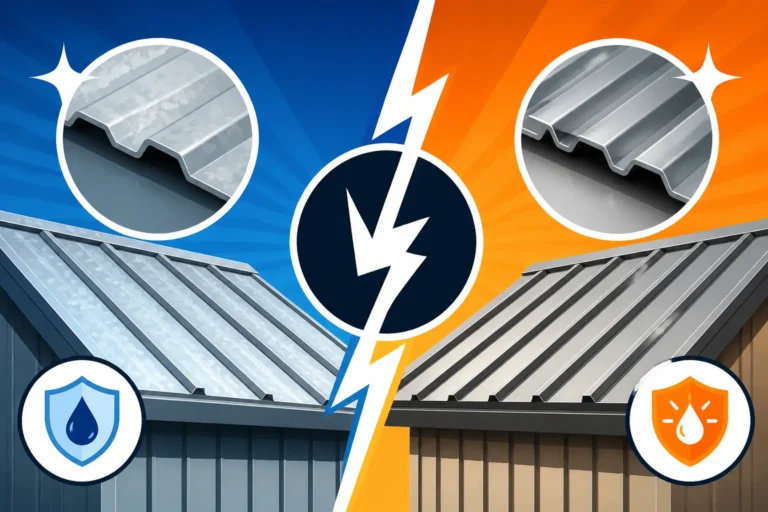
For decades, galvanized steel was the go-to for many metal applications, including some roofing. Galvanized steel is essentially steel coated with pure zinc, which provides decent corrosion resistance. However, engineers and manufacturers were always looking for something even better, especially for roofing that has to withstand constant exposure to the elements. They needed a material that could offer superior protection against rust, especially in humid or coastal environments, and stand the test of time.
This drive for improvement led to the development of Galvalume in the early 1970s by Bethlehem Steel. The goal was to combine the strength and cost-effectiveness of steel with a coating that offered enhanced corrosion protection, heat reflectivity, and overall durability. The result was a material that quickly gained popularity because it performed significantly better than traditional galvanized steel, offering a lifespan that could easily extend for decades. It solved the problem of premature corrosion and offered a more robust defense against nature's wear and tear.
The Core of Galvalume: Steel Substrate
At its heart, Galvalume roofing is still steel. This is crucial because steel provides the fundamental strength, rigidity, and structural integrity that makes metal roofing such a fantastic choice for protecting your home. It’s what allows the panels to be formed into various profiles, from sleek standing seam to more traditional corrugated designs, and maintain their shape under heavy snow loads or strong winds. Without that robust steel foundation, the entire system wouldn’t be nearly as effective or resilient.
The type of steel used can vary, but it's typically high-quality carbon steel. This steel is incredibly strong and relatively lightweight compared to some other roofing materials, which is a major benefit for your home's structure. The steel substrate is what gives your roof its ability to resist impact, such as from hail, and provide a secure envelope for your home. It’s the backbone, and the coating is the advanced protective skin, working in tandem to create a superior roofing product.
The Secret Sauce: Aluminum and Zinc Coating
The true magic of Galvalume lies in its proprietary coating. This isn't just a simple layer; it's a carefully engineered alloy that provides a dual-action defense against the elements. Understanding this blend is key to appreciating why Galvalume performs so well and why so many homeowners are choosing it over other options.
The Aluminum-Zinc Alloy: A Protective Shield
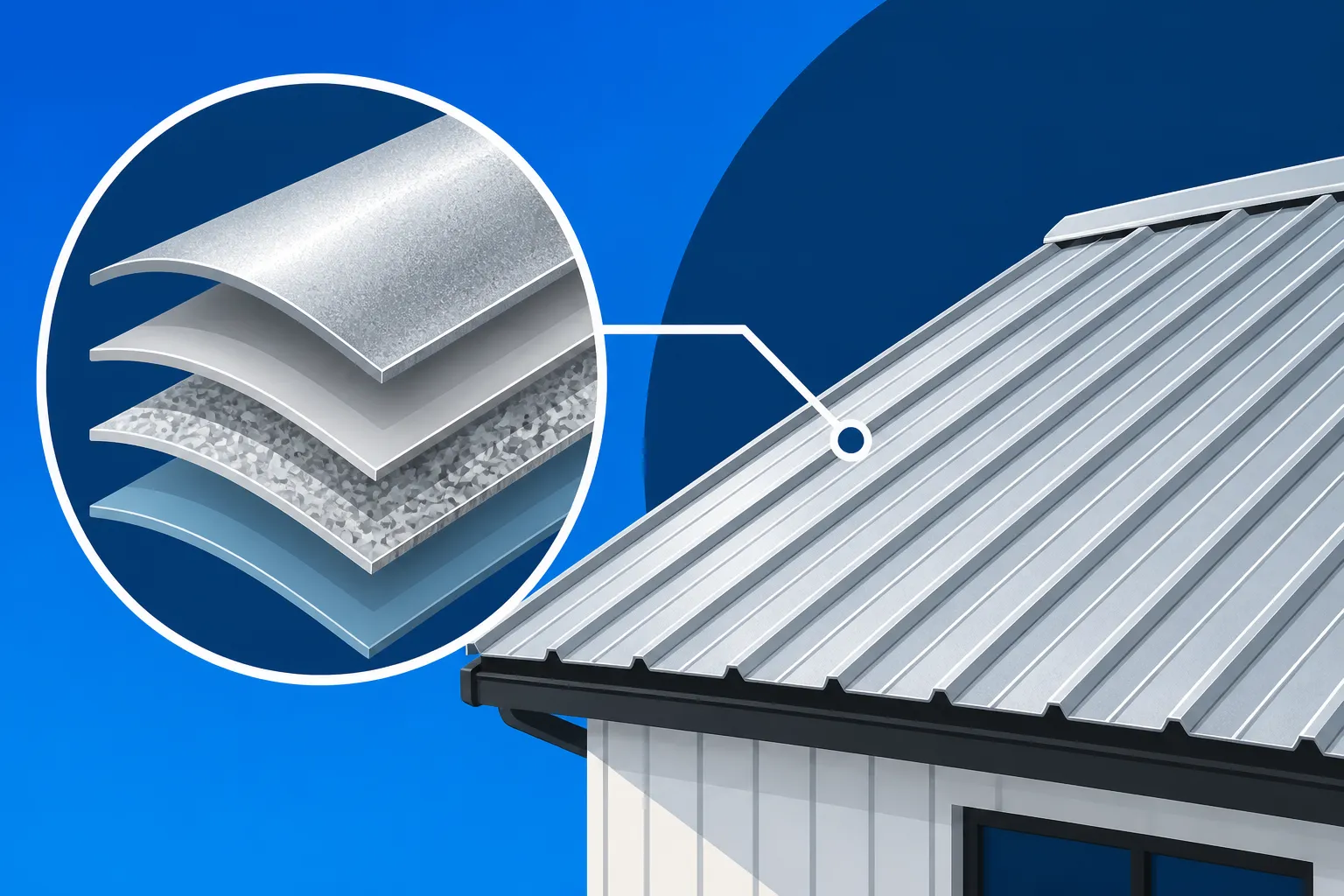
The Galvalume coating is a specific alloy composed of 55% aluminum, 43.4% zinc, and a small but important addition of 1.6% silicon. This exact ratio isn't accidental; it's been meticulously tested and refined to optimize the benefits of each metal. The aluminum primarily provides excellent barrier protection, creating an impermeable shield against moisture and corrosive agents. Think of it like a durable, non-porous skin that simply won't let water or harsh chemicals reach the steel underneath.
The zinc, on the other hand, provides galvanic protection. This means that if the coating gets scratched or chipped, exposing the steel, the zinc will sacrifice itself to protect the steel. Zinc is more reactive than steel, so it corrodes preferentially, effectively "healing" minor damage by preventing rust from forming on the steel itself. The small amount of silicon in the alloy is crucial for ensuring that the coating adheres properly to the steel during the manufacturing process, making for a smooth, uniform, and incredibly strong bond.
How the Coating Protects the Steel
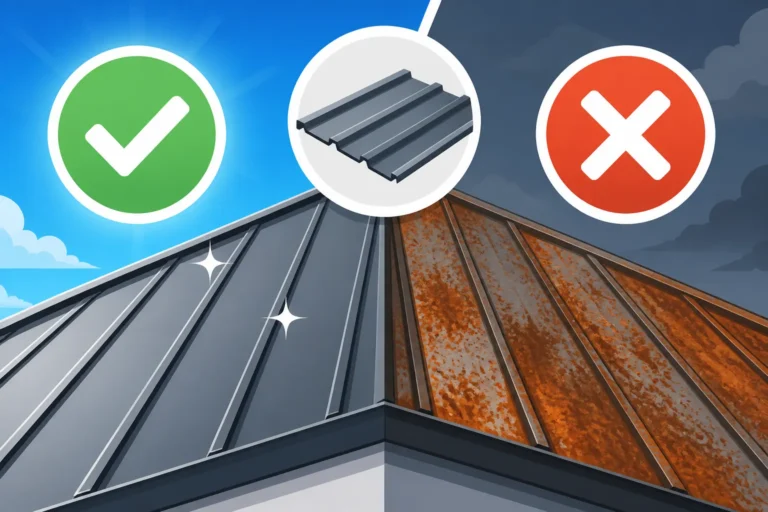
The dual protection offered by the aluminum-zinc alloy is really what sets Galvalume apart. The aluminum component forms a passive oxide layer on the surface, which is highly resistant to corrosion and reflects heat. This ceramic-like barrier is incredibly durable and slows down the oxidation process significantly, meaning your roof won't succumb to rust nearly as quickly as a plain steel roof, or even a galvanized one. This is particularly beneficial in environments with high humidity or salt exposure, where aluminum's natural resistance truly shines.
Meanwhile, the zinc steps in to offer "self-healing" properties. If a scratch penetrates the aluminum barrier and exposes the underlying steel, the surrounding zinc acts as a sacrificial anode. It corrodes instead of the steel, preventing rust from creeping under the coating. This galvanic action is a powerful defense against localized damage, ensuring the integrity of your roofing system even if it takes a minor ding or scrape. This combination of barrier and galvanic protection gives Galvalume a significant edge in terms of longevity and performance compared to older steel roofing options. It’s a prime example of advanced material science benefiting your home.
Manufacturing Process: From Coil to Roof Panel
Understanding what Galvalume is made of is one thing, but knowing how it's made gives you an even deeper appreciation for its quality. The manufacturing process is a continuous, high-tech operation that ensures the coating is perfectly applied to the steel, creating a durable and reliable roofing material. When considering a metal roof, it’s helpful to know about the rigorous processes involved in creating such a long-lasting product.
Hot-Dipping for Superior Adhesion
The application of the aluminum-zinc alloy coating to the steel substrate is done through a process called continuous hot-dipping. Imagine long coils of steel being unrolled and then passed through a molten bath of the Galvalume alloy. This isn't a quick dip; the steel is precisely heated and then carefully drawn through the bath at a controlled speed and temperature. This ensures that the molten alloy fully saturates and bonds with the surface of the steel.
The hot-dipping method is essential because it creates a metallurgical bond between the coating and the steel, not just a surface-level adhesion. This means the coating isn't going to peel or flake off easily. As the steel emerges from the molten bath, it's quickly cooled, solidifying the coating into a uniform, tightly bonded layer. This meticulous process is what gives Galvalume its consistent performance and superior durability, ensuring that every inch of the panel receives the same high level of protection.
Post-Treatment and Finishing Touches
Once the hot-dipping process is complete and the coated steel cools, it often undergoes further treatments to enhance its performance and appearance. One common step is a passivation treatment, which is a chemical wash applied to the surface. This treatment helps to prevent "white rust," a powdery zinc oxide that can form on newly coated steel, and ensures the surface is ready for subsequent steps, such as painting. It effectively stabilizes the surface, preparing it for a long life on your roof.
Many Galvalume panels are also pre-painted. These paint systems, often high-performance fluorocarbon-based (like Kynar 500 or Hylar 5000), are applied over the Galvalume coating and then baked on. This not only provides a wide array of color options to match any home aesthetic but also adds another layer of UV protection and aesthetic longevity. The combination of the Galvalume base and a high-quality paint finish, like those offered by manufacturers, results in a roofing material that is both incredibly durable and visually appealing for decades. When you look at different metal roofing types explained profiles and panels, it’s good to remember that many of them leverage this robust Galvalume base.
Why This Composition Matters for Homeowners
For you, the homeowner, understanding the composition of Galvalume isn't just an academic exercise. It translates directly into tangible benefits for your home, your wallet, and your peace of mind. Choosing a material like Galvalume means investing in a roof that’s designed to perform under pressure and last for a very long time.
Enhanced Durability and Longevity
The unique aluminum-zinc-silicon alloy coating is the primary reason Galvalume roofs boast such impressive durability and longevity. Compared to traditional galvanized steel, which typically lasts around 20-30 years, a Galvalume roof can easily last 40 to 60 years or even longer. This extended lifespan means you'll likely never have to worry about replacing your roof again in your lifetime, saving you significant hassle and expense down the road. This also speaks to why people often ask, "Is Galvalume a good roofing material?"
The aluminum component’s superior corrosion resistance means your roof will hold up better against rain, snow, and even salt spray if you live near the coast. The zinc's galvanic protection provides a built-in defense against minor damage, which can prevent small scratches from turning into widespread rust issues. This robust protection means less maintenance for you and a roof that maintains its aesthetic appeal for decades. It's truly a long-term investment that pays dividends in protection and reduced repair costs over time. If you're comparing it to other materials, check out our guide on how a metal roof lifespan compares to other options.
Performance in Various Climates
One of the most appealing aspects of Galvalume's composition is its versatility across different climate zones. The aluminum component in the coating offers excellent reflectivity, helping to bounce solar radiation away from your home. This can lead to significant energy savings, especially in hot climates, by keeping your attic and home cooler during scorching summers. This reflective property makes it a smart choice for areas like the Sun Belt, where reducing cooling costs is a top priority.
Conversely, the incredible durability and corrosion resistance make Galvalume an outstanding option for harsh environments. In coastal areas, where salt-laden air can quickly degrade other materials, the aluminum provides superior resistance to chlorides. For regions with heavy snow and ice, the material's strength and smooth surface allow snow to shed efficiently, reducing the risk of ice dams and structural stress. The robust nature of this material means it handles extreme temperature fluctuations without cracking or becoming brittle, ensuring your home is protected whether you live in sunny Florida or snowy Minnesota. You might also be interested in our Metal Roofing Materials Compared: Steel, Aluminum, Copper & Zinc for a broader look at choices.
Galvalume vs. Other Common Roofing Metals
To help put Galvalume's composition into perspective, let's look at how it stacks up against other common metal roofing options.
| Feature | Plain Steel | Galvanized Steel (Zinc Coated) | Galvalume Steel (Al-Zn Coated) | Aluminum Roofing | Copper Roofing |
|---|---|---|---|---|---|
| Primary Metal | Steel | Steel | Steel | Aluminum | Copper |
| Coating | None | 100% Zinc | 55% Aluminum, 43.4% Zinc, 1.6% Silicon | None (Solid Aluminum) | None (Solid Copper) |
| Protection Type | Inherently prone to rust | Galvanic protection from zinc | Barrier (Al) & Galvanic (Zn) protection | Natural corrosion resistance (oxide layer) | Natural corrosion resistance (patina layer) |
| Corrosion Resist. | Low | Moderate | High | Very High | Very High |
| Lifespan | Very Low (unless painted/maintained) | 20-30 years | 40-60+ years | 50-100+ years | 100+ years |
| Cost | Lowest metal option | Low-Moderate | Moderate | Moderate-High | Very High |
| Weight | Heavy | Heavy | Heavy | Lightweight | Heavy |
| Common Uses | Agricultural, temporary structures | Agricultural, light commercial, some residential | Residential, commercial, industrial | Residential (especially coastal), commercial | High-end residential, historic, accents |
As you can see, Galvalume strikes an excellent balance, offering significantly enhanced performance over galvanized steel at a more accessible price point than solid aluminum or copper. For homeowners looking for long-term value, durability, and a wide range of aesthetic options, Galvalume is a strong contender. If you’re debating between different materials, our guide on Galvalume vs Galvanized Steel Roofing provides a more in-depth comparison.
Considering the composition of Galvalume and its benefits, it's clear why it's become such a popular choice for homeowners looking for a lasting and robust roofing solution. When you're ready to explore options and get estimates, resources like Modernize can connect you with qualified roofing professionals in your area who specialize in durable metal roofing. They can help you understand how much Galvalume roofing costs installed for your specific home and project needs.
Disclaimer
Please remember that while we strive to provide accurate and up-to-date information, the roofing industry is constantly evolving. Building codes, material specifications, and installation practices can vary significantly by location and change over time. Always consult with a qualified, licensed, and insured local roofing professional for specific advice tailored to your home and region. This article is intended for informational purposes only and should not be considered professional advice.