Can a Metal Roof Be Installed in Winter?
The thought of replacing your roof when the days are shorter and the air is crisp can feel daunting, sparking worries about everything from frozen fingers to compromised materials. Many homeowners wonder if their dream of a durable, long-lasting metal roof has to wait until spring, fearing that a winter installation will lead to issues down the line. But here’s the good news: installing a metal roof during the colder months is often not just possible, but can sometimes even come with distinct advantages. This guide will walk you through the ins and outs, giving you a clear picture of what to expect and how to ensure a successful winter metal roof project.
The Realities of Winter Metal Roof Installation
When you picture roof work, you probably envision sunny skies and warm breezes, not icy conditions. However, metal roofing, unlike some other materials, is remarkably resilient and often can be installed successfully in cold weather. It's not about avoiding winter entirely, but rather about understanding the specific dynamics and ensuring the right precautions are in place.
Advantages You Might Not Consider
While instinct might tell you to hold off until spring, tackling a metal roof installation in winter can actually offer some surprising benefits. One of the biggest perks is often contractor availability. During the peak roofing seasons of spring and fall, quality contractors are usually booked solid, sometimes months in advance. In winter, especially after the holiday rush, you might find that your chosen roofing company, like those found through platforms such as Modernize, has more flexibility in their schedule. This can lead to faster project starts and more attentive service, as their crews aren't stretched thin across multiple high-priority jobs.
Another advantage can be pricing. While not always guaranteed, some contractors might offer slightly more competitive rates or incentives during their slower season to keep their crews busy. It's always worth asking about any off-season specials when you're gathering bids. Furthermore, cooler temperatures can be less physically demanding for the roofing crew than sweltering summer heat, potentially improving efficiency and focus, assuming proper cold-weather gear is utilized. For homes in colder climates, the immediate benefit of improved insulation and energy efficiency from a new metal roof can be felt right away, especially if your old roof was leaky or poorly insulated.
Challenges and Considerations for Cold Weather
Of course, it's not all sunshine and snow angels. Winter installations do come with their own set of challenges that need to be carefully managed. Safety is paramount; ice and snow on the roof or surrounding ground create significant slip hazards for workers. Shorter daylight hours mean less time for work, which can sometimes extend the project timeline. Cold temperatures can also affect the performance of certain tools and materials, particularly sealants, caulks, and adhesives, which may become brittle or fail to cure properly if not specifically designed for low-temperature application.
The actual metal panels themselves are quite robust in the cold, but working with them requires extra care. They can become very cold to the touch, requiring specialized gloves, and extreme cold can make them slightly more brittle, increasing the risk of damage if dropped or handled improperly. Moisture, whether from snow, ice, or even just condensation, needs to be diligently managed to prevent it from getting trapped under the roof during installation, which could lead to issues later on. Understanding how to prevent leaks on a metal roof is crucial in any season, but especially in winter.
Material Handling in Low Temperatures
Proper material handling is a critical, often overlooked aspect of winter metal roof installation. Metal roofing panels, particularly wider panels, can become more rigid and less flexible in extremely cold temperatures. This means they need to be handled with even greater care to prevent kinking, bending, or damage during transport and installation. Storing materials correctly on-site is also key. Panels should be kept off the ground on a level surface, away from snow and ice, and covered to keep them dry until they are ready to be installed.
Any accessory components, such as rubber washers, sealants, or specialized tapes, need to be checked for temperature ratings. Many sealants, for example, have a minimum application temperature. Using them below this threshold can compromise their adhesion and sealing capabilities, leading to potential leaks. A reputable contractor will be well-versed in these specific product requirements and ensure that all materials are stored and applied according to manufacturer guidelines for cold weather. This meticulous attention to detail is part of what makes a metal roof last, regardless of the season it's installed.
Specific Preparations for a Winter Roofing Project
Executing a successful metal roof installation in winter requires foresight and specialized planning. It’s not just about showing up with a hammer and nails; it’s about understanding the unique demands the season places on every step of the process, from selecting your team to the smallest detail of site safety.
Choosing the Right Contractor and Timing
The single most important decision for a winter metal roof installation is selecting the right contractor. You need a team with proven experience in cold-weather roofing. Don't be afraid to ask potential contractors about their specific protocols for winter projects. Do they have heated tents for materials if needed? What low-temperature sealants do they use? How do they ensure worker safety on icy surfaces? Look for a contractor who can articulate a clear plan for cold weather. Platforms like Modernize can help connect you with experienced professionals, but always follow up with direct questions about their winter capabilities.
Beyond experience, consider their crew size and scheduling. A larger, well-equipped crew might be able to complete the work more quickly, minimizing exposure to extreme weather. Discuss potential delays due to severe weather and how those will be communicated and managed. Getting multiple quotes and comparing them thoroughly, not just on price, but on their proposed winter work plan, is essential. Remember, the cheapest bid might not always account for the extra care needed in colder conditions.
Site Preparation and Safety Measures
Winter site preparation involves a heightened focus on safety and protecting your property. Before any work begins, the contractor should clear snow and ice from the roof and immediate work areas. This might involve temporary scaffolding with non-slip surfaces or specialized roof anchor systems. Protecting landscaping and driveways from falling snow, ice, and debris is also crucial, as frozen ground can sometimes make objects bounce unpredictably.
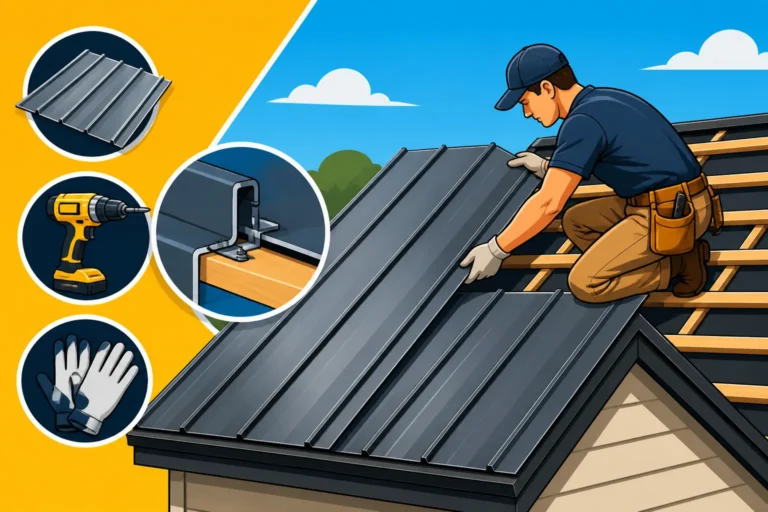
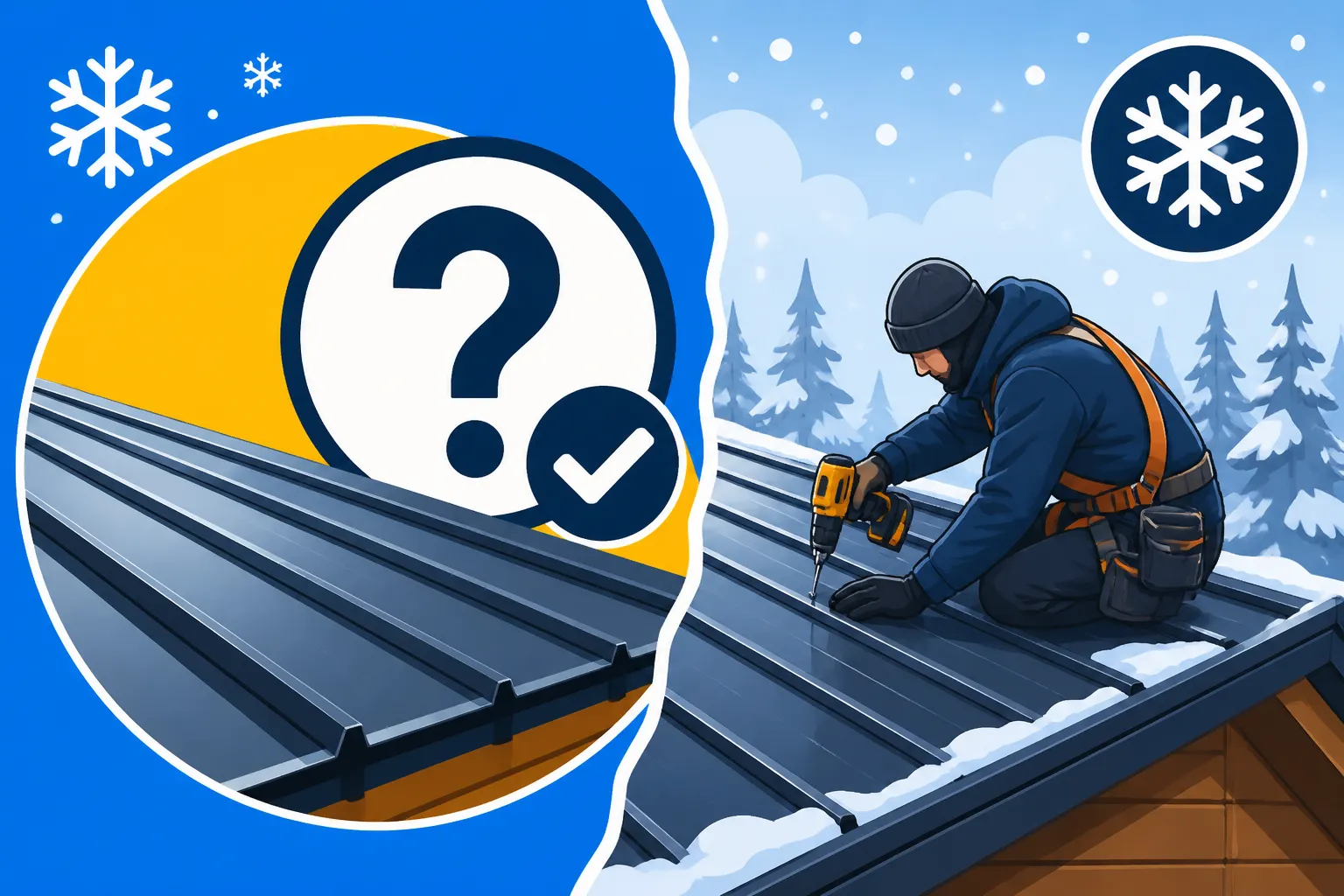
Safety protocols for the crew are non-negotiable. This includes mandatory use of fall protection, appropriate cold-weather gear (heated gloves, insulated boots, thermal clothing), and scheduled warm-up breaks. Tools need to be maintained and operated safely in the cold. For example, pneumatic tools may require special lubricants or air line heaters to prevent freezing. Ensuring everyone on site is aware of and adheres to these enhanced safety measures is paramount, not just for the workers but also for the peace of mind of you, the homeowner.
Permitting and Local Regulations
Don't let the colder weather make you forget about the bureaucratic side of things! Just like any other time of year, installing a new metal roof almost always requires a permit from your local municipality. This is critical for ensuring the work meets current building codes and standards. The process for obtaining a permit doesn't change with the seasons, but delays can sometimes occur around holidays or if inclement weather limits inspector availability.
It’s always best practice for your chosen contractor to handle the permit application process. They are typically more familiar with the specific requirements, paperwork, and inspections needed in your area. For instance, in regions prone to heavy snow, there might be specific requirements for snow guards or snow load considerations that are part of the local building codes. Your contractor should also be knowledgeable about local regulations regarding working hours during winter, especially since daylight is shorter, to avoid any issues with noise ordinances or community complaints. You can read more about Metal Roof Permits and Codes by State to understand what's required in your area.
Ensuring Quality and Longevity for Your Winter-Installed Roof
The goal of any roof installation, regardless of the season, is a durable, long-lasting product that protects your home for decades. With a winter metal roof, a few extra considerations come into play to ensure that the cold doesn't compromise the quality or the longevity you expect.
Understanding Material Expansion and Contraction
One of metal's unique properties is its thermal expansion and contraction. Metal panels will expand when warm and contract when cold. This is perfectly normal and is accounted for in the design and installation of modern metal roofing systems. In a winter installation, the panels will be installed in their most contracted state. As temperatures rise throughout the year, they will expand.
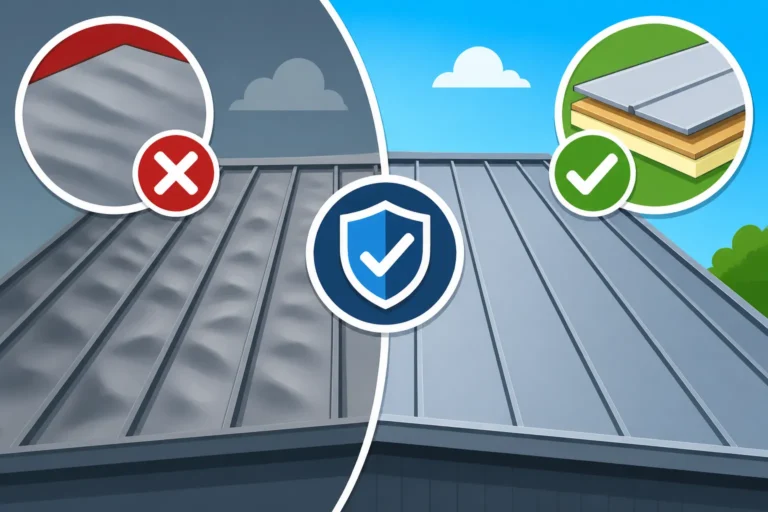
A skilled installer understands this dynamic intimately. For instance, when installing standing seam metal roofs, panels are often installed with specific clips that allow for this movement. Exposed fastener systems also utilize specialized fasteners and oversized holes to accommodate slight shifts. Problems only arise if the installation doesn't properly account for this movement, which can lead to oil canning, buckling, or fastener fatigue. A competent contractor will ensure the appropriate allowances and techniques are used, preventing issues when the roof experiences its first heat wave.
Warranty Considerations for Off-Season Installs
Many homeowners worry that a winter installation might somehow void or compromise their metal roof warranty. This is generally not the case, provided the installation is performed correctly and according to manufacturer specifications by a certified installer. Manufacturer warranties typically cover defects in the material itself and are not tied to the season of installation. However, the workmanship warranty provided by your contractor is crucial here.
It’s important to clarify with your contractor what their workmanship warranty covers, especially for winter installations. Some contractors might offer an extended warranty for their work, a good sign of their confidence. Ensure the contract clearly outlines the warranty terms, including what specific conditions (like proper sealant application in cold weather) are met to keep the warranty valid. Reputable manufacturers like Drexel Metals or McElroy Metal specify installation guidelines that account for varying temperatures, and adhering to these ensures your warranty remains intact. If you have questions, asking about Metal Roof Warranties: Workmanship vs Manufacturer can provide more clarity.
Post-Installation Care in Colder Months
Once your beautiful new metal roof is installed, the work isn't quite over, especially if it's still cold outside. Initial post-installation care can be very important. While metal roofs are famously low-maintenance, a quick check after the first major snowfall or heavy ice storm can be beneficial. Look for any unusual snow accumulation patterns, or if you have snow guards, confirm they are performing as expected. Heavy ice dams could potentially form if ventilation isn't optimal, so keep an eye out for those, although metal roofs are generally less prone to ice dams than shingle roofs.
It's also a good idea to monitor gutters and downspouts to ensure they are clear of ice and debris, allowing for proper water drainage as snow melts. If your contractor applied any specific low-temperature sealants, they might have particular curing times that need to be respected before facing severe weather challenges. A proactive approach to monitoring and maintenance during the first few weeks or months can help identify and address any minor issues quickly, ensuring your investment performs optimally for its impressive lifespan.
Pros and Cons of Winter Metal Roof Installation
Making the decision about when to install your metal roof can be tough. To help you weigh your options, here’s a quick summary of the potential benefits and drawbacks of opting for a winter installation.
| Aspect | Pros of Winter Installation | Cons of Winter Installation |
|---|---|---|
| Contractor & Cost | Greater contractor availability; potentially faster scheduling; possible off-season discounts. | Fewer daylight hours may extend project duration; some contractors might charge more for cold-weather work. |
| Materials & Work | Metal handles cold well; crew may be more efficient without intense summer heat. | Some sealants/adhesives may require specific low-temperature formulations; materials can be more rigid. |
| Safety & Access | Less demand on roads for material delivery. | Increased slip/fall hazards for crew; potential damage to property from falling ice/snow. |
| Curing & Sealing | Slower sealant curing can be managed with proper products. | Risk of improper curing/adhesion if incorrect products or techniques are used. |
| Immediate Benefit | Enjoy improved insulation and energy savings immediately in cold weather. | Potential for project delays due to severe weather (heavy snow, extreme cold). |
Final Thoughts on Timing Your Project
Ultimately, the decision to install a metal roof in winter comes down to your comfort level and, most importantly, the expertise of the contractor you choose. While there are challenges, they are entirely manageable for experienced professionals. Don't let the colder months deter you if you're ready to upgrade your home with a durable, beautiful metal roof. With the right team and proper planning, your winter installation can be just as successful and long-lasting as one completed in spring or summer. If you're wondering, "Is a Metal Roof Worth It? ROI, Resale & Payback," the answer is usually yes, regardless of the season of installation.
Disclaimer
Please remember that this article provides general information and recommendations. Metal roofing projects should always be undertaken with the guidance of qualified, licensed, and insured professionals. Building codes, regulations, and best practices can vary significantly by location and specific product. Always consult with local experts and manufacturers for advice tailored to your specific situation.