How Steep Does a Roof Need to Be for Metal?
One of the most common questions homeowners grapple with when considering a beautiful, durable metal roof is about the slope of their existing roof. You might be wondering, "Is my roof too flat for metal?" or "Do I need a really steep pitch for a metal roof to work?" It’s a completely valid concern, as the pitch of your roof plays a crucial role in how any roofing material performs, especially metal. This guide is here to unravel the mysteries of roof pitch, explain why it's so important for metal roofing, and help you understand the specific requirements for different types of metal roofs, ensuring you make the best decision for your home.
Demystifying Roof Pitch and Its Importance for Metal Roofing
Before we dive into the specifics of metal roofs, it’s essential to understand what roof pitch actually means and why it's not just a fancy architectural term, but a fundamental aspect of your roof's engineering and performance. Getting this wrong can lead to serious issues down the line, from leaks to compromised structural integrity.
The Basics of Roof Pitch Explained (Rise Over Run)
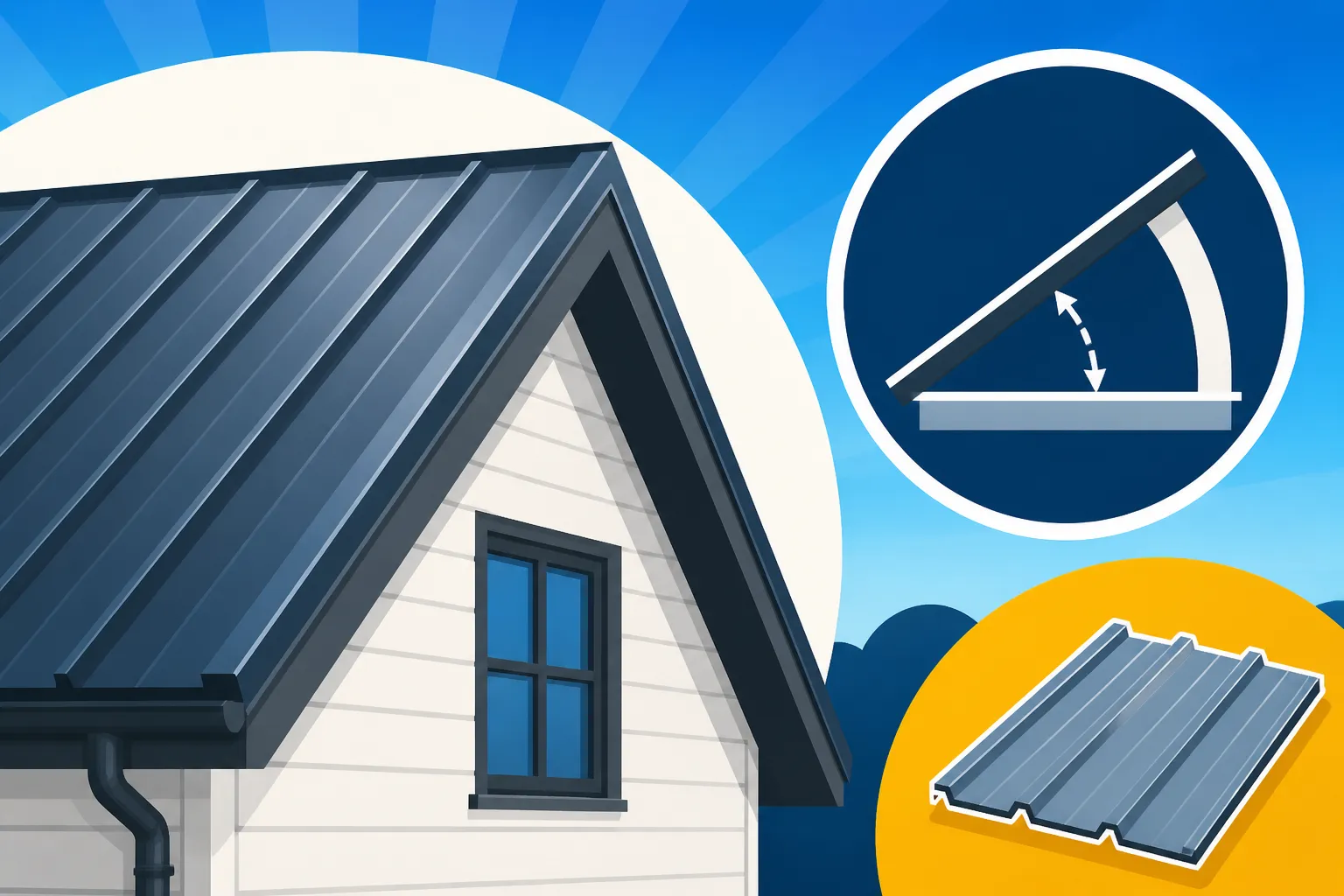
At its heart, roof pitch is a measure of a roof's steepness. It’s typically expressed as a ratio: "rise over run." Think of it like this: for every 12 inches you go horizontally across your roof (the "run"), how many inches does it go up vertically (the "rise")? So, a common pitch might be 6/12, meaning for every 12 inches of horizontal length, the roof rises 6 inches. A lower number, like 2/12, indicates a much flatter roof, while a higher number, like 12/12, signifies a very steep roof, often resembling an A-frame.
This ratio isn't just an abstract number; it dictates how quickly water and debris shed off your roof. A steeper pitch naturally encourages faster runoff, which is generally a good thing for protecting your home. It’s a fundamental design element that impacts everything from the type of roofing material you can use to how easily snow will slide off your roof in colder climates. Understanding your existing roof's pitch is the very first step in determining your metal roofing options.
Why Pitch is Paramount for Metal Roofs (Drainage, Performance, Aesthetics)
The pitch of your roof is far more than just an aesthetic choice; it’s a critical determinant of a metal roof's effectiveness and longevity. Metal roofs, while incredibly durable and long-lasting, still rely heavily on proper drainage to perform their best. If water doesn't drain effectively, it can pool, find its way into seams or fasteners, and eventually lead to leaks. This is especially true for certain types of metal panels that are not designed for very low slopes.
Beyond preventing leaks, pitch influences other key performance factors. For instance, in areas with heavy snowfall, a steeper pitch helps snow slide off, preventing excessive snow loads that can stress your home's structure. It also affects how wind interacts with your roof – very low slopes can sometimes be more susceptible to wind uplift if not installed correctly. From an aesthetic perspective, the pitch dictates the visual impact of the metal panels, influencing shadow lines, panel reflections, and the overall architectural style. Different metal roofing profiles look dramatically different on a steep Victorian gable versus a modern, low-slope ranch house.
Minimum Pitch Requirements for Different Metal Roof Systems
It’s a common misconception that all metal roofs require a super steep pitch. While some certainly benefit from it, the truth is there’s a wide variety of metal roofing systems, each with its own unique design and pitch capabilities. This means you likely have options, even if your roof isn't as steep as you thought it needed to be.
Hidden Fastener Systems (Standing Seam, Snap-Lock)
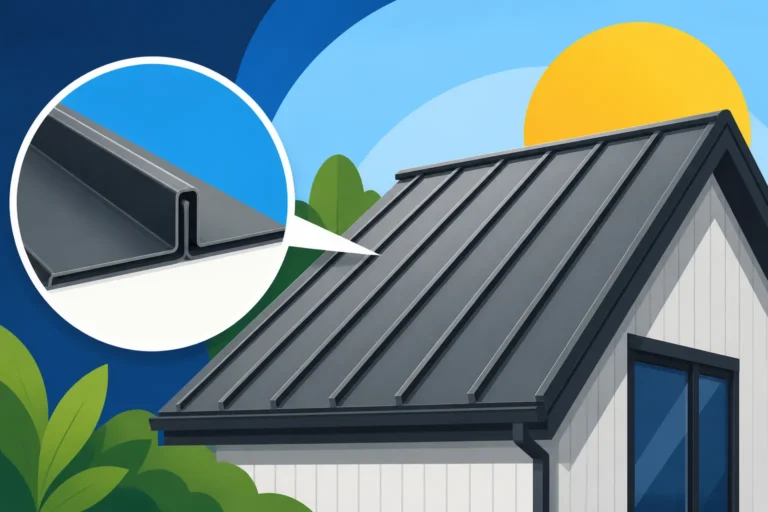
Hidden fastener systems, like standing seam metal roofs, are often the go-to choice for homeowners with lower-sloped roofs, and for good reason. These systems feature panels that interlock or are mechanically seamed together, completely concealing the fasteners beneath the metal. This design creates a continuous, raised seam that effectively sheds water and prevents it from reaching the underlying roof deck. The hidden fasteners also mean fewer points of potential water entry, which is a huge plus for roofs where water might move more slowly.
For a true standing seam system, many manufacturers will specify a minimum pitch as low as 1/4:12 or 1/2:12 (meaning a rise of 1/4 or 1/2 inch over 12 horizontal inches). Some specialized architectural standing seam systems can even go flatter. However, it's crucial to consult the specific manufacturer's guidelines, as these minimums can vary slightly. These systems excel at protecting your home even on gentle slopes, making them a premium, durable choice. Learning more about the intricacies of a Standing Seam Metal Roof Cost can help you understand the investment for these highly adaptable systems.
Exposed Fastener Systems (Corrugated, R-Panel, 5V Crimp)
On the other end of the spectrum are exposed fastener systems, which include popular profiles like corrugated, R-panel, and 5V crimp roofs. These panels are fastened directly to the roof deck or purlins using screws that go through the metal panel itself. While incredibly robust and often more budget-friendly, the nature of their installation means that each fastener creates a potential point of entry for water if not properly sealed. Over time, the rubber washers on these screws can degrade, increasing the risk.
Because of this, exposed fastener systems typically require a steeper pitch to ensure rapid water runoff, minimizing the time water has to penetrate these fastener points. Generally, the minimum pitch for these systems is around 3:12 or even 2:12, though some manufacturers might push it slightly lower with extra precautions like butyl tape or sealant at every lap and fastener. It's a balance between cost-effectiveness and performance. If you're considering a more traditional look or specific panel, understanding What Is a Corrugated Metal Roof? or What Is a R-Panel Metal Roof? will illuminate their distinct characteristics and pitch requirements.
Metal Shingles, Tiles, and Shakes (Architectural Aesthetics)
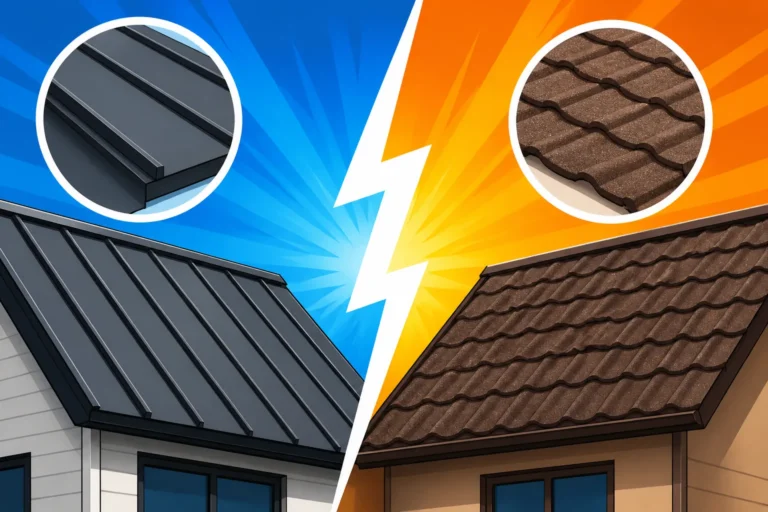
Metal shingles, tiles, and shakes are designed to mimic the aesthetic of traditional roofing materials like asphalt shingles, clay tiles, or wood shakes, but with the superior durability and longevity of metal. These systems often consist of individual panels or modular units that interlock or overlap. Their design, which often involves multiple layers and overlapping elements, is typically more forgiving on moderate pitches.
Most metal shingle, tile, or shake systems require a minimum pitch similar to their traditional counterparts, usually in the range of 3:12 to 4:12. This is because, like traditional shingles, they rely on gravity and overlapping layers to shed water effectively. While they offer excellent protection and stunning curb appeal, they aren't typically suited for the extremely low pitches that some standing seam systems can handle. When selecting these types, paying attention to the details of Metal Roofing Types Explained: Profiles & Panels will be key to finding the right match for your home's style and pitch.
Specialized Low-Slope Metal Roofing Solutions
For roofs that are truly low-slope – think pitches below 1:12 or even flat roofs – there are specialized metal roofing solutions designed for these challenging applications. These aren't your typical standing seam or exposed fastener panels, but rather highly engineered systems often referred to as "low-slope" or "architectural" metal roofing. These systems typically use wider panels, continuous runs, and often require mechanical seaming that forms a watertight barrier, almost like a bathtub.
These solutions are usually much more complex to install, requiring highly skilled technicians and specialized equipment to ensure every seam is perfectly sealed. While the material cost per square foot for these specialized systems might be higher, they are indispensable for large commercial buildings or modern residential designs with expansive, near-flat rooflines. Always prioritize contractors with specific experience in these intricate installations. When considering your options, remember that a qualified expert found through platforms like Modernize can help you navigate these specialized needs.
Here’s a quick overview of common minimum pitch requirements for various metal roof types:
| Metal Roof Type | Minimum Pitch (Rise:Run) | Typical Application | Key Feature |
|---|---|---|---|
| Standing Seam (Hidden Fastener) | 1/4:12 – 1:12 | Residential, commercial, modern designs, low slopes | Raised seams, hidden fasteners, excellent drainage |
| Exposed Fastener (Corrugated, R-Panel, 5V Crimp) | 2:12 – 3:12 | Barns, agricultural, industrial, budget-conscious residential | Fasteners visible, economical, requires steeper pitch |
| Metal Shingles, Tiles, Shakes | 3:12 – 4:12 | Residential, historical, aesthetic match to traditional roofs | Overlapping layers, mimics traditional materials |
| Specialized Low-Slope Systems | 0:12 – 1/4:12 | Commercial buildings, large flat roofs, modern architectural | Highly engineered, watertight seams, complex install |
Note: Always verify specific manufacturer requirements, as these can vary.
Critical Factors Beyond Pitch for Optimal Metal Roof Performance
While roof pitch is undeniably important, it's just one piece of the puzzle. Several other crucial factors contribute to the overall performance and longevity of your metal roof, especially on less-than-ideal slopes. Neglecting these can undermine even the best-laid plans and lead to issues down the road.
The Role of Underlayment, Sealants, and Flashing
Even with the correct pitch, the unsung heroes of a metal roof system are the underlayment, sealants, and flashing. These components provide crucial layers of defense against water infiltration, particularly where panels meet or at roof penetrations. For any metal roof, and especially those on lower pitches, a high-quality, synthetic underlayment is non-negotiable. This serves as a secondary water barrier, protecting your roof deck if any moisture manages to get past the metal panels. You can dive deeper into this topic by reading our guide on Metal Roof Underlayment and Ventilation Guide.
Sealants and flashing are equally vital. All seams, transitions, and penetrations – around chimneys, skylights, and vents – must be meticulously flashed and sealed. On lower pitches, water moves more slowly, increasing the risk of capillary action (water being drawn upwards) or pooling. Using compatible, high-grade sealants and expertly installed flashing ensures that these vulnerable areas remain watertight. Skipping on quality materials or installation in these areas is a false economy that almost always leads to expensive repairs later.
Climate, Snow Loads, and High Wind Considerations
The local climate profoundly impacts how your metal roof performs, regardless of its pitch. In regions prone to heavy snow, even a moderately pitched metal roof can benefit from a smoother surface that allows snow to shed more easily than, say, asphalt shingles. However, if your pitch is too low, snow and ice can accumulate, leading to significant snow loads that stress the roof structure or create dangerous ice dams. For detailed insights on this, refer to our article on the Best Metal Roof for Snow and Cold Climates.
Conversely, in areas with high winds, a steeper pitch can sometimes act like a sail, increasing uplift forces. However, it's the fastening system and panel design, not just the pitch, that primarily determine wind resistance. For instance, a properly installed standing seam roof is generally excellent for high-wind areas, regardless of pitch, due to its robust attachment. Always ensure your chosen system meets or exceeds local building codes for wind resistance. You might find our piece on the Best Metal Roof for High Wind Areas helpful here.
The Installer's Expertise and Manufacturer Specifications
Perhaps the single most critical factor, regardless of roof pitch or material type, is the expertise of the installer. Installing a metal roof is a precise job, far more intricate than laying asphalt shingles. This is especially true for standing seam systems and low-slope applications, where every seam, every cut, and every fastener connection must be perfect to ensure watertight integrity. An inexperienced or careless installer can compromise even the highest quality materials, leading to leaks, premature wear, and voided warranties.
Always choose a contractor with extensive, verifiable experience specifically in metal roofing. Don't be afraid to ask for references, portfolios of past metal roof installations, and proof of licensing and insurance. A reputable contractor will also be intimately familiar with the manufacturer's specifications for your chosen product, ensuring the warranty remains valid. They should also be well-versed in local building codes and permitting requirements, which can vary significantly from one jurisdiction to another. Resources like How to Hire a Metal Roofing Contractor can guide you through this vital process, and using a service like Modernize can connect you with prescreened local professionals who understand these nuances.
Disclaimer
Please remember that the information provided in this guide is intended for general informational purposes only and does not constitute professional advice. Roofing projects, especially those involving specialized materials like metal, require specific expertise. Always consult with a qualified and licensed metal roofing contractor to assess your unique roof structure, local building codes, and specific project requirements before making any decisions or undertaking any work. They can provide an accurate assessment and ensure proper installation for lasting performance and safety.