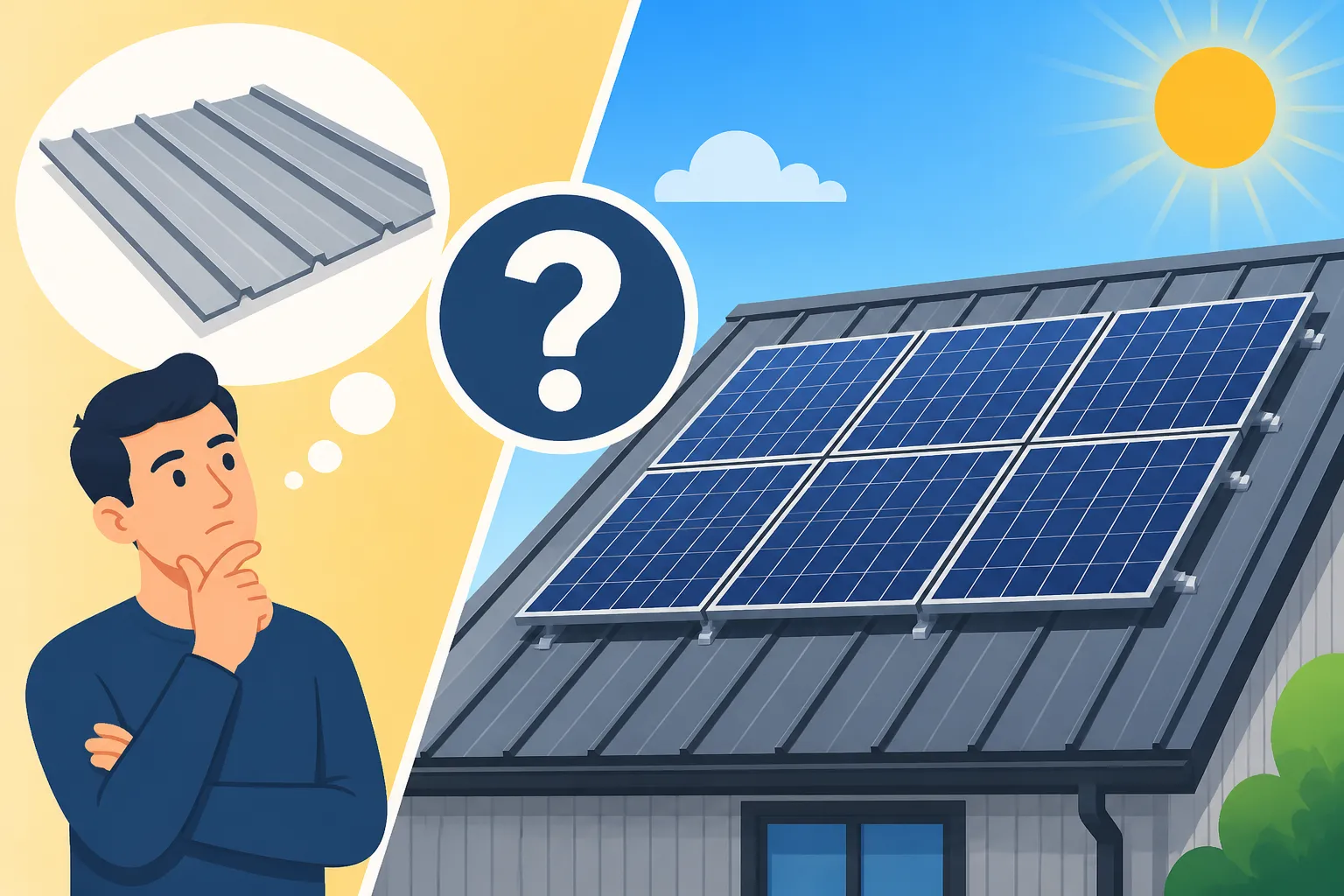
Can You Put Solar Panels on a Metal Roof?
For homeowners who've invested in the long-term durability and sleek aesthetic of a metal roof, the idea of adding solar panels can bring a mix of excitement and apprehension. You might wonder if installing solar will compromise your roof's integrity, void its warranty, or even be compatible at all. This comprehensive guide is here to alleviate those concerns, diving deep into how solar panels seamlessly integrate with metal roofing, the best practices for installation, and the incredible benefits of this powerful, sustainable combination.
The Perfect Pair: Why Solar Panels Thrive on Metal Roofs
It's a common misconception that putting solar panels on a metal roof is somehow more complicated or less effective than on traditional asphalt shingles. In reality, metal roofs and solar panels are a match made in heaven, offering a synergistic relationship that maximizes efficiency, longevity, and overall home value. The inherent design and durability of metal roofing make it an ideal foundation for a solar energy system.
Unpacking the Synergistic Benefits
Think about it: both metal roofs and solar panels are long-term investments designed to perform for decades. A quality metal roof can last 40 to 70 years, often outliving several asphalt shingle roofs. Similarly, most solar panels come with performance warranties stretching 20 to 25 years, ensuring they'll be generating clean energy for a significant portion of your roof's lifespan. This longevity is a huge benefit, as it means you won't typically need to remove and re-install your solar array for roof replacement anytime soon, saving you substantial costs down the line. To fully appreciate this long-term value, consider exploring the article on Metal Roof Lifespan: How Long Do They Last?.
Beyond shared longevity, metal roofs often boast superior structural strength compared to other roofing materials. This robustness is crucial when considering the added weight of solar panels and their racking systems. Furthermore, many metal roofs are designed with reflectivity in mind, which can contribute to lower attic temperatures and reduced cooling costs even before solar is installed. When you layer solar panels on top, you create a dynamic system that not only generates electricity but also provides an additional layer of insulation, further improving your home's energy efficiency.
Dispelling Common Misconceptions
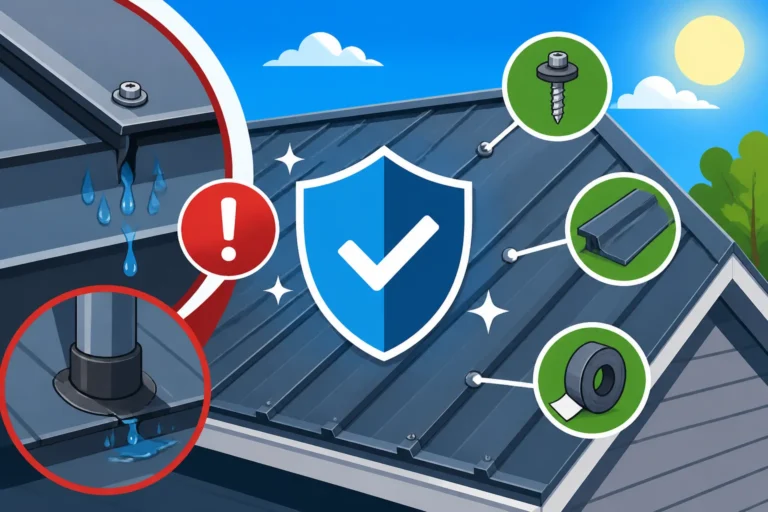
Let's tackle some common worries head-on. Many homeowners fret about drilling holes into their precious metal roof, fearing leaks or compromised warranties. While some attachment methods do involve penetrations, modern solar installation techniques for metal roofs are incredibly sophisticated, often eliminating the need for extensive drilling, especially with standing seam systems. When penetrations are necessary, they are meticulously sealed and flashed, ensuring watertight integrity. Reputable installers are experts in these techniques, safeguarding your roof's performance.
Another concern might be the "noise" or "heat" implications. Metal roofs are known for being quiet once properly insulated, and solar panels actually add another layer of sound dampening. As for heat, as mentioned, panels can act as an insulating buffer. Also, there's no inherent issue with panels and lightning strikes; metal roofs are non-combustible and often grounding, which can actually make them safer in electrical storms than other materials. Rest assured, your investment is sound, both physically and functionally.
Smart Attachment: How Solar Panels Mount on Metal Roofs
The method of attaching solar panels varies significantly depending on the type of metal roof you have. Understanding these methods is key to ensuring a secure, leak-free, and warranty-compliant installation. The industry has developed ingenious solutions that respect the integrity of your roofing system, minimizing intrusion while maximizing stability.
Standing Seam: The Non-Penetrating Champion
If you have a standing seam metal roof, you're in luck! This particular profile is considered the gold standard for solar panel attachment because it allows for a "clamp-on" system. Instead of drilling, specialized clamps are designed to grip onto the raised seams of the metal panels without penetrating the roof surface. These clamps are typically made of high-grade aluminum and feature set screws that tighten securely onto the seam. The solar racking system then attaches directly to these clamps.
This non-penetrating method offers several incredible advantages: it virtually eliminates the risk of leaks, maintains the roof's warranty, and significantly speeds up installation. Manufacturers like S-5! and AceClamp have pioneered these innovative clamp designs, offering solutions compatible with a vast array of standing seam profiles. This makes the installation process much cleaner and less invasive, preserving the long-term performance of both your roof and your solar array. It's a prime example of how modern engineering has made solar integration with specific roof types incredibly efficient.
Corrugated and Other Panel Types: Specialized Solutions
For other types of metal roofs, such as corrugated, R-panel, 5V Crimp, or even metal shingles, the attachment methods differ slightly, though they are still highly effective and secure. These roof types typically require what are known as "penetrating mounts." This involves drilling small holes through the metal panel into the underlying roof decking or rafters. Don't let the word "drilling" alarm you; these installations are performed with precision and expertise.
Each penetration point is fitted with a flashing system, which is essentially a waterproof seal. High-quality flashing components, often made of aluminum or stainless steel and featuring durable EPDM rubber gaskets, are used to create a watertight barrier around the fastener. These flashings are designed to channel water away from the penetration point, ensuring that your roof remains leak-free. Reputable solar installers have extensive experience with these systems and will ensure every attachment point is thoroughly sealed and inspected. Companies like IronRidge and EcoFasten offer robust racking and flashing solutions for these applications, ensuring compatibility and durability. Understanding your specific metal roofing types explained profiles & panels can help you better visualize the attachment points.
The Role of Roof Pitch and Structural Load
Beyond the attachment method, the pitch (slope) of your roof and its structural integrity play a crucial role in solar panel installation. Most solar panels perform optimally on roofs with a moderate pitch, allowing for efficient drainage and good sun exposure. However, metal roofs can accommodate solar on a wide range of pitches, even low-slope applications, thanks to versatile racking systems that can tilt panels to the optimal angle.
It's also essential to consider the added weight of the solar array. While panels are not excessively heavy, the combined weight of the panels, racking, and snow load in colder climates needs to be accounted for. A qualified solar installer will conduct a structural analysis of your roof and home to ensure it can safely support the system. This assessment will typically involve looking at your rafters, decking, and overall roof framing to confirm compliance with local building codes. This is a critical step in the Metal Roof Installation Process: Step by Step for any new roofing project, and it's equally important for solar additions.
Critical Steps Before Your Solar Investment
Before you dive headfirst into solar on your metal roof, there are a few foundational considerations that will ensure a smooth process and optimal long-term performance. Getting these right upfront can save you headaches and expenses down the road.
Assessing Roof Condition and Lifespan
Even though metal roofs are incredibly durable, it's vital to assess the current condition and remaining lifespan of your roof before installing solar panels. After all, you don't want to put a 25-year solar array on a metal roof that only has 5-10 years left in its service life. While metal roofs do last a long time, minor issues can develop, and it's best to address them before panels are installed, as accessing the roof underneath will be more difficult later.
An experienced roofing contractor or solar installer will perform a thorough roof inspection. They’ll look for any signs of wear, rust, loose fasteners, or sealant degradation. If your roof needs any repairs or maintenance, now is the time to do it. Think of it as preparing a perfect canvas for your solar masterpiece. This pre-assessment also ties into understanding Metal Roof Repair vs Replacement: How to Decide if significant issues are found.
Structural Integrity and Load Bearing
As mentioned earlier, the added weight of solar panels, racking, and potential snow load is a serious consideration. While metal roofs are robust, not all roof structures are created equal. Before installation, a certified professional will conduct a structural engineering review. This involves calculating the existing dead load (weight of the roof materials) and live load (potential snow, wind, and seismic forces), then adding the proposed solar array's weight.
If your home is older or has a less robust framing, it might require some minor structural reinforcement to safely support the solar system. This is a standard procedure and something a good contractor will identify and address. Don't skip this step; ensuring your roof can handle the load is paramount for safety and longevity.
Choosing the Right Contractor: Expertise is Key
This is arguably the most crucial step. Installing solar panels on a metal roof requires specialized knowledge of both roofing and solar systems. You need a contractor who understands the nuances of metal roof construction, the various panel profiles, and the specific attachment methods that maintain roof integrity and warranty. Finding the right professional is absolutely critical, and platforms like Modernize can help connect you with experienced solar and roofing contractors who understand the nuances of metal roof installations.
Look for installers with a proven track record of installing solar on metal roofs. Ask for references, check reviews, and ensure they are licensed and insured for both roofing and electrical work. A contractor who specializes in metal roofing will be familiar with different manufacturers like McElroy Metal, Metal Sales, or Sheffield Metals, and will know how to work with their specific products without voiding warranties. When you're ready to start getting quotes, consider reading our guide on How to Hire a Metal Roofing Contractor to ensure you're making the best choice.
Warranties and Insurance Considerations
Understanding your warranties is paramount. Your existing metal roof warranty might have specific clauses regarding modifications or penetrations. A reputable solar installer will ensure their attachment methods comply with your roof manufacturer's warranty guidelines. They should also provide their own workmanship warranty for the solar installation, typically covering any leaks or defects related to their work.
Additionally, it's wise to inform your homeowner's insurance provider about your new solar array. Most policies will cover solar panels, but confirming this upfront can prevent surprises. In some cases, installing a durable metal roof and then adding solar can even lead to Metal Roof Insurance Savings & Discounts due to the roof's superior performance against perils like wind and fire. Many insurance companies view Class 4 impact-resistant metal roofs and solar as assets that reduce risk.
The Long-Term Advantages of a Solar Metal Roof
Beyond the installation itself, the real magic happens over the decades as your solar-equipped metal roof provides substantial financial and environmental rewards.
Unlocking Energy Savings and Environmental Impact
The most immediate and tangible benefit of installing solar panels is the dramatic reduction in your monthly electricity bills. By generating your own power, you become less reliant on the grid and susceptible to fluctuating energy prices. Depending on your system size, energy consumption, and local utility rates, you could significantly lower or even eliminate your electricity bill. This is a consistent saving that compounds over the lifespan of your system.
On the environmental front, switching to solar energy means reducing your carbon footprint. You're harnessing a clean, renewable resource, contributing to a healthier planet. This move isn't just good for your wallet; it's a powerful statement about your commitment to sustainability. Many homeowners find immense satisfaction in knowing they are actively participating in the clean energy transition.
Boosting Home Value and Return on Investment
A metal roof combined with a solar energy system is a powerful selling point should you decide to move in the future. Homes with solar panels often command higher resale values and sell faster than comparable homes without them. Buyers are increasingly seeking energy-efficient homes, and a pre-installed, high-performing solar array on a long-lasting metal roof is a major draw. The investment in solar can significantly improve your home's Is a Metal Roof Worth It? ROI, Resale & Payback.
Furthermore, various incentives, such as federal tax credits (like the Investment Tax Credit), state rebates, and local programs, can significantly offset the initial cost of solar installation, improving your overall return on investment. You might also find that platforms like Modernize can help you explore financing options and connect you with contractors who are well-versed in helping homeowners navigate these incentives. These programs are designed to encourage renewable energy adoption, making the upfront investment more manageable and the long-term payoff even more attractive.
Ultimately, pairing solar panels with a metal roof isn't just possible; it's a strategically sound decision that offers unparalleled durability, energy independence, and financial benefits for decades to come.
Choosing Your Ideal Metal Roof for Solar Integration
When considering solar, the type of metal roof you select can significantly influence the ease and cost of installation. While most metal roof types are compatible with solar, some offer distinct advantages that streamline the process. Understanding these differences can help you make an informed decision if you're installing a new roof with solar in mind.
Standing Seam vs. Corrugated: Solar-Friendly Designs
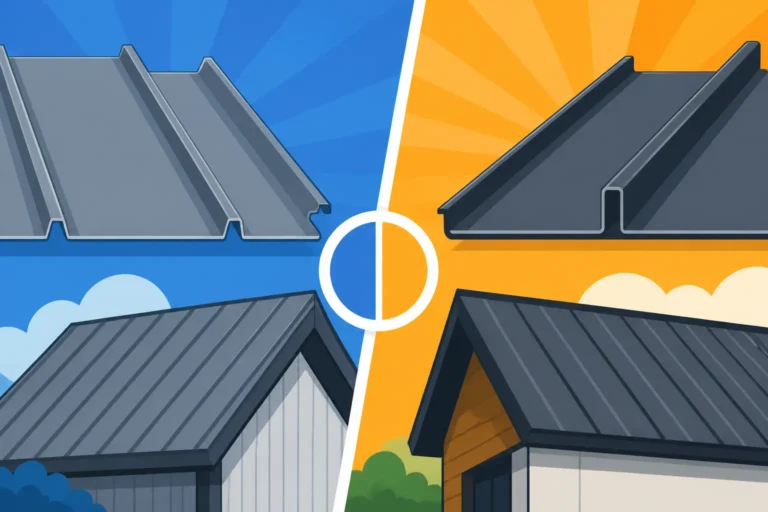
As we've discussed, standing seam metal roofs are by far the most solar-friendly option. Their raised seams provide a perfect, non-penetrating attachment point for solar racking systems. This means quicker installation, reduced labor costs, and absolute peace of mind regarding roof integrity and warranty. If you're looking for the easiest, most robust solar integration, a standing seam roof is an excellent choice. Our guide on Standing Seam Metal Roof Cost offers more insights into this premium option.
Corrugated, R-panel, and other exposed fastener metal roofs can certainly host solar panels, but they will require penetrating mounts. While these systems are designed to be watertight with proper flashing and sealants, they do involve more labor and a slightly higher risk of issues if not installed perfectly. However, they are often a more budget-friendly option for the roof itself. If you already have one of these roofs, don't despair – solar is still a fantastic option, but ensure your contractor has extensive experience with these specific attachment methods.
Material Choice and Reflectivity
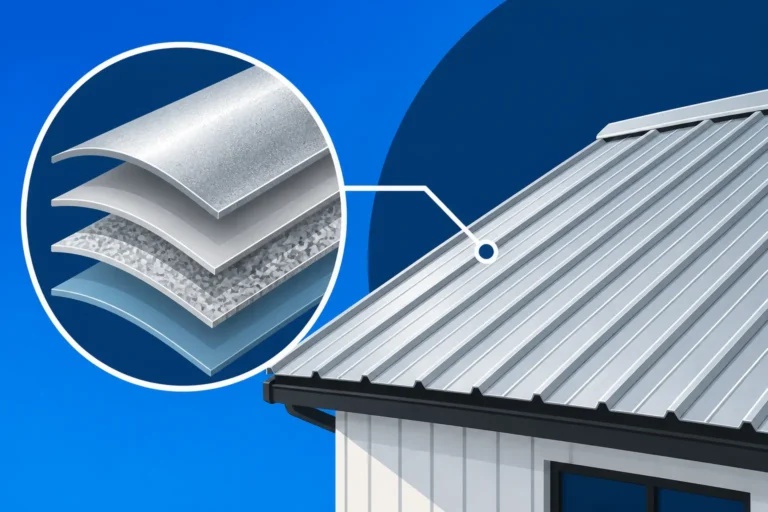
The material of your metal roof – steel, aluminum, copper, or zinc – doesn't typically impact solar panel attachment methods as much as the profile does. However, certain materials, particularly pre-painted steel and aluminum, come with highly reflective coatings like Kynar 500 (PVDF). These "cool roof" properties help reduce heat absorption, contributing to a cooler attic and lower HVAC costs, which further complements the energy-saving benefits of solar panels. When choosing your metal roof, especially if you're in a warm climate, consider the reflectivity ratings alongside the aesthetic and durability of materials discussed in our Metal Roof Cost by Material: Steel vs Aluminum vs Copper vs Zinc guide.
A light-colored, reflective metal roof, even without solar panels, can significantly reduce your home's cooling load. When solar panels are installed on top, they create an air gap that further prevents solar heat gain from reaching the roof deck, enhancing the overall thermal performance of your home. This layering effect contributes to a truly energy-efficient envelope.
Disclaimer
The information provided in this article is for general informational purposes only and does not constitute professional advice. While we strive to provide accurate and up-to-date content, metal roofing and solar installation practices, costs, and regulations can vary significantly by location, material, and specific project requirements. Always consult with qualified and licensed metal roofing and solar professionals for personalized advice, estimates, and to ensure compliance with local building codes, manufacturer warranties, and safety standards.