Is 24 Gauge Good for a Residential Metal Roof?
Deciding on a new metal roof is a huge investment, and it's easy to get overwhelmed by all the technical jargon, like "gauge." You might be wondering if a 24-gauge metal roof is truly the right choice for your home, especially when trying to balance cost, durability, and aesthetics. This guide is here to cut through the confusion and explain exactly what 24-gauge means for residential metal roofing, helping you make a confident decision for your valuable asset.
Understanding Metal Roof Gauge: What the Numbers Mean
Before we dive deep into 24-gauge specifically, let's clear up a common point of confusion: what "gauge" actually refers to when we're talking about metal roofing. It's not as intuitive as you might think, and it’s a question that trips up many homeowners. Essentially, metal gauge is a measurement of the metal's thickness, but here's the kicker: the lower the gauge number, the thicker the metal. It’s a bit counter-intuitive, like how higher grit sandpaper is finer. So, a 22-gauge panel is thicker and heavier than a 24-gauge panel, which in turn is thicker than a 26-gauge or 29-gauge panel.
This measurement system originated historically with the manufacturing process, where the number of draws or passes a metal went through to achieve a certain thickness dictated its gauge. While the specific process has evolved, the inverse numbering system stuck. The thickness directly correlates to the material's strength, rigidity, and resistance to damage. This is a critical factor because it impacts everything from how well your roof can stand up to a hailstorm to its longevity and even how much noise it might make during heavy rain. Knowing this fundamental principle is the first step to truly understanding if a particular gauge, like 24-gauge, is right for your home.
Why Thickness Matters for Your Roof
The thickness of your metal roof panels directly influences several key performance aspects. First and foremost, a thicker gauge offers superior impact resistance. Imagine a rogue tree branch falling or a significant hailstorm rolling through. A thicker panel, like a 24-gauge, is less likely to dent or deform compared to a thinner one. This enhanced durability translates to fewer repairs over the roof's long lifespan, saving you time and money down the road.
Secondly, rigidity plays a crucial role, especially with larger panels and certain roofing profiles like standing seam. Thicker metal is naturally more rigid, which helps prevent an aesthetic issue known as "oil canning." Oil canning is when flat sections of metal panels appear wavy or buckled due to stress, thermal expansion, or slight imperfections in the substrate. While it's largely an aesthetic concern and doesn't typically affect the roof's performance, it can be a significant disappointment for homeowners who invested in a sleek, modern metal roof. A thicker 24-gauge panel provides a more stable, flatter surface, reducing the likelihood of oil canning and maintaining the clean lines of your roof. For a deeper dive into the technicalities, you can explore the topic of Metal Roof Gauges Explained: 22, 24, 26 & 29 which provides comprehensive information on various gauge options.
Common Gauges for Residential Metal Roofing
When you start looking into metal roofing for your home, you'll primarily encounter a few common gauges. The most prevalent are 29-gauge, 26-gauge, 24-gauge, and sometimes 22-gauge. Each has its place, often dictating the type of application it's best suited for, and understanding these distinctions is key to making an informed choice.
- 29-gauge: This is the thinnest gauge typically seen in roofing. It's often used for agricultural buildings, sheds, or very budget-conscious projects where extreme durability isn't the primary concern. While it’s the most affordable, it’s generally not recommended for primary residential structures due to its susceptibility to dents and less robust feel.
- 26-gauge: A very popular choice, especially for exposed fastener systems like corrugated or R-panel roofs on homes. It offers a good balance of cost and durability for many homeowners. It's significantly tougher than 29-gauge but still lighter and more flexible than 24-gauge.
- 24-gauge: This is often considered the "sweet spot" for residential metal roofing, particularly for premium systems like standing seam. It provides excellent durability, rigidity, and longevity, making it a favorite among high-quality installers and discerning homeowners.
- 22-gauge: This is the thickest and most robust option you'll commonly find. While sometimes used in commercial applications or for homes in areas prone to extreme weather like very large hail, it’s often considered overkill for most residential situations due to its higher cost and weight, though it does offer superior strength. If you're wondering if Is 22 Gauge Good for a Residential Metal Roof?, you'll find that it offers maximum durability but comes with a higher price tag.
Is 24 Gauge the Sweet Spot for Residential Metal Roofs?
For many homeowners looking at a metal roof for their primary residence, 24-gauge often hits the sweet spot. It's the gauge most frequently recommended by experienced metal roofing contractors for its optimal balance of strength, longevity, and aesthetics. When you’re making such a significant investment in your home, you want to ensure the materials will last, look good, and perform under pressure for decades.
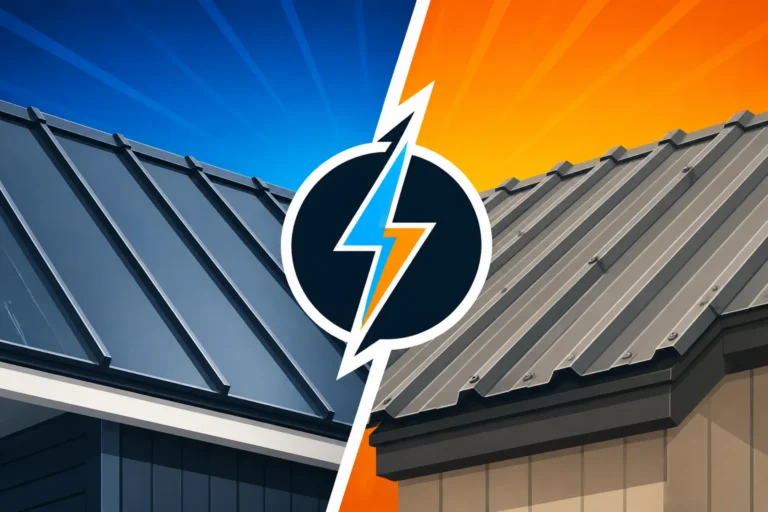
A 24-gauge metal roof is robust enough to handle the wear and tear of typical residential life, from severe weather events to occasional foot traffic for maintenance. Its increased rigidity over thinner gauges means your roof will maintain its sleek appearance, resisting the dreaded oil canning that can sometimes affect lighter panels. This is particularly important for standing seam metal roofs, where large, flat panels are highly visible. When comparing different options, it’s helpful to understand the nuances, such as what separates Standing Seam vs Corrugated Metal Roof, as these profiles interact differently with metal gauges.
Advantages of 24 Gauge for Homes
Choosing a 24-gauge metal roof comes with a host of advantages that make it a compelling option for residential properties. These benefits go beyond just initial appearance and contribute significantly to the long-term value and performance of your home.
One of the biggest advantages is superior durability and impact resistance. Living in an area prone to hailstorms, heavy snow, or high winds means your roof needs to be tough. A 24-gauge panel is significantly more resilient to dents and damage from impacts compared to its thinner counterparts like 26-gauge or 29-gauge. This reduces the likelihood of costly repairs and helps maintain your roof's pristine condition for longer. For example, if you're in a region like North Texas, where hailstorms are an annual occurrence, the added impact resistance of 24-gauge could mean the difference between minor cosmetic damage and significant structural issues.
Another key benefit is enhanced rigidity and reduced oil canning. As mentioned earlier, oil canning is an aesthetic concern where metal panels appear wavy. With its increased thickness, 24-gauge metal provides a much more stable surface, drastically minimizing the chances of this occurring. This is especially vital for standing seam systems, which feature broad, flat panels that are more susceptible to visible imperfections if the metal is too thin. Homeowners invest in standing seam for its clean, modern lines, and 24-gauge helps preserve that desired look.
Finally, better long-term performance and lifespan are significant factors. While all metal roofs are known for their longevity, a thicker gauge simply means more material to withstand the elements over time. This translates to fewer stress points, better resistance to thermal expansion and contraction cycles, and an overall more robust system. A well-installed 24-gauge metal roof can easily last 50 years or more, often outliving the homeowner. This contributes significantly to the Metal Roof Lifespan: How Long Do They Last? conversation, proving that investing in quality upfront pays dividends over decades.
When 24 Gauge Might Be Overkill or Underkill
While 24-gauge is often considered ideal, it's not a one-size-fits-all solution. There are specific scenarios where it might be more than you need, or conversely, situations where an even heavier gauge would be more appropriate. It's all about balancing your specific needs, local conditions, and budget.
When 24-gauge might be overkill: If your budget is extremely tight, and your home is a secondary structure like a detached garage, shed, or a very small cabin where extreme durability isn't the absolute top priority, a 26-gauge roof might suffice. For instance, a small storage shed in a calm suburban area with no significant weather threats likely doesn't require the robust protection of 24-gauge. The cost difference between 26-gauge and 24-gauge, while not astronomical, can be a factor on smaller projects. However, for your primary residence, compromising on durability often leads to regrets later on.
When 24-gauge might be underkill: On the other hand, if your home is located in an area with exceptionally harsh weather conditions, such as frequent, severe hailstorms (think areas of Oklahoma or Colorado), or if you anticipate unusually high foot traffic on your roof for maintenance of solar panels or HVAC systems, you might consider stepping up to 22-gauge metal. While 24-gauge offers excellent impact resistance, 22-gauge provides that extra layer of protection for the most extreme scenarios. Additionally, very large, expansive roof sections with minimal support structure might benefit from the added rigidity of 22-gauge to prevent any potential flexing or oil canning over long spans. It's crucial to discuss these specific concerns with an experienced local roofing contractor, as they can assess your unique situation and provide tailored recommendations.
Comparing 24 Gauge to Other Common Metal Roofing Gauges
Making an informed decision about your metal roof's gauge involves understanding how 24-gauge stacks up against its closest competitors: 26-gauge and 22-gauge. These three are the most common choices for residential applications, each with its own set of characteristics, benefits, and drawbacks. Let's break down the differences to help you navigate this important choice.
24 Gauge vs. 26 Gauge
The debate between 24-gauge and 26-gauge is perhaps the most common one homeowners face. The 26-gauge is thinner, lighter, and typically more affordable, making it attractive for budget-conscious projects. However, these cost savings come with some trade-offs.
- Cost: 26-gauge panels are generally less expensive per square foot than 24-gauge panels. This is due to using less raw material and potentially easier handling during manufacturing and installation. For example, if you’re looking at your overall Metal Roof Cost: Complete 2026 Guide, the material cost can significantly influence the final quote.
- Durability and Impact Resistance: Here's where 24-gauge truly shines. It's noticeably thicker and more robust than 26-gauge. This means better resistance to dents from hail, dropped tools, or even stray branches. While 26-gauge can withstand moderate impacts, a heavier hailstorm might leave more visible damage on a 26-gauge roof compared to a 24-gauge one.
- Oil Canning: 26-gauge metal, being thinner, is more prone to oil canning, especially in standing seam profiles where flat panels are prominent. If a sleek, perfectly flat aesthetic is a top priority for you, 24-gauge is almost always the preferred option.
- Applications: 26-gauge is often used for exposed fastener metal roofs like corrugated or R-panel systems, where the profile itself adds some structural rigidity and minor oil canning might be less noticeable or tolerated. 24-gauge is the standard for high-quality standing seam roofs, providing the necessary strength for their hidden fastener design and broader, flatter panels.
- Longevity: Both gauges are highly durable, but the thicker 24-gauge offers a slight edge in overall lifespan simply due to its more substantial nature. Both will far outlast traditional asphalt shingles, but 24-gauge provides an extra buffer against age and elements. This is a critical consideration when evaluating Metal Roof Cost vs Lifespan Value.
Many installers will strongly recommend 24-gauge for standing seam installations due to these factors, ensuring the roof performs and looks its best for decades.
24 Gauge vs. 22 Gauge
Moving up the thickness scale, 22-gauge is a formidable material, but it's important to understand if its added strength is truly beneficial for your residential project or if 24-gauge is sufficient.
- Cost: 22-gauge is significantly more expensive than 24-gauge. The increased material content and weight lead to higher manufacturing and shipping costs, which translate directly to your overall project budget.
- Durability and Impact Resistance: 22-gauge offers the highest level of impact resistance and rigidity among the common residential gauges. It's exceptionally tough, making it almost impervious to most residential impacts. If you live in an area notorious for golf-ball-sized hail year after year, 22-gauge might provide unparalleled peace of mind.
- Weight and Handling: The increased thickness of 22-gauge also means increased weight. This can make installation more challenging, requiring specialized equipment and potentially more labor, which can further drive up installation costs. For most homes, 24-gauge is plenty strong without the added weight and handling complexities.
- Applications: While 22-gauge is sometimes used in residential areas with extreme conditions, it's more commonly found in heavy-duty commercial or industrial applications where structural integrity under immense loads or constant heavy impacts is paramount. For residential homes, 24-gauge typically offers more than enough protection.
- Aesthetics: Both 24-gauge and 22-gauge offer excellent resistance to oil canning. From an aesthetic standpoint, you're unlikely to notice a visual difference between a 24-gauge and 22-gauge standing seam roof in terms of flatness. The choice here is purely about the underlying structural integrity and protection against extreme forces.
Ultimately, for the vast majority of homeowners, 24-gauge strikes the perfect balance. It delivers exceptional durability, a superior aesthetic, and a long lifespan without the significantly higher cost and weight of 22-gauge, and without the potential aesthetic or durability compromises of 26-gauge.
Metal Gauge Comparison Table
To give you a clearer visual, here's a quick comparison of these three common residential metal roofing gauges:
| Feature | 22 Gauge | 24 Gauge | 26 Gauge |
|---|---|---|---|
| Thickness (approx.) | 0.027 – 0.028 inches | 0.023 – 0.024 inches | 0.019 – 0.021 inches |
| Relative Cost | Highest | Medium-High | Medium-Low |
| Durability / Strength | Excellent (Extreme Duty) | Very Good (Residential Standard) | Good (Light Residential/Agricultural) |
| Impact Resistance | Superior | Excellent | Good |
| Oil Canning Risk | Very Low | Low | Moderate to High |
| Common Application | Heavy Commercial, Extreme Weather Residential | Premium Residential (Standing Seam) | Exposed Fastener Residential, Light Commercial |
| Lifespan Expectation | 50-70+ years | 50-60+ years | 40-50+ years |
Factors Beyond Gauge to Consider for Your Metal Roof
While metal gauge is undoubtedly a critical component in your roofing decision, it's just one piece of the puzzle. A truly robust and long-lasting metal roof system involves several interconnected elements. Ignoring these other factors, even if you choose the "right" gauge, could lead to unforeseen issues down the line. It's about building a complete system that works harmoniously.
Material Type and Coating
The type of metal your roof panels are made from and the protective coatings applied to them play an equally significant role in its overall performance, appearance, and lifespan. The gauge refers to the thickness, but the material dictates its inherent properties.
- Steel (Galvalume/Galvanized): This is the most common metal for residential roofing. Steel panels are treated with a metallic coating (usually zinc for galvanized or a zinc-aluminum alloy for Galvalume) to prevent rust. Galvalume is particularly popular for its excellent corrosion resistance. While steel is very strong, its long-term performance heavily relies on the quality of this metallic coating and the paint finish.
- Aluminum: Lighter than steel and naturally resistant to rust, making it an excellent choice for coastal regions where salt spray is a concern. Aluminum is softer than steel, so even in a 24-gauge, it might be more prone to denting than 24-gauge steel. However, its corrosion resistance is unparalleled.
- Copper & Zinc: These are premium metals, known for their exceptional longevity and distinctive aesthetic. They are often used in thinner gauges (e.g., 16-20 gauge for copper, 0.7mm or 0.8mm for zinc, which translates to roughly 22-20 gauge) due to their inherent durability and higher cost.
Beyond the base metal, the paint coating is crucial. High-quality coatings like Kynar 500 (PVDF) or SMP (Siliconized Modified Polyester) offer excellent UV resistance, color retention, and protection against chalking and fading. These coatings are what keep your roof looking vibrant for decades. A thicker gauge metal with a poor quality paint finish won't perform as well in the long run as a slightly thinner gauge with a premium coating. When getting quotes, always inquire about the specific type of paint finish being offered.
Panel Profile and Fastener Type
The style or profile of your metal panels, and whether they use exposed or hidden fasteners, significantly impacts aesthetics, performance, and even how well a certain gauge performs. You might recall learning about Metal Roofing Types Explained: Profiles & Panels in another article, and how each has its unique characteristics.
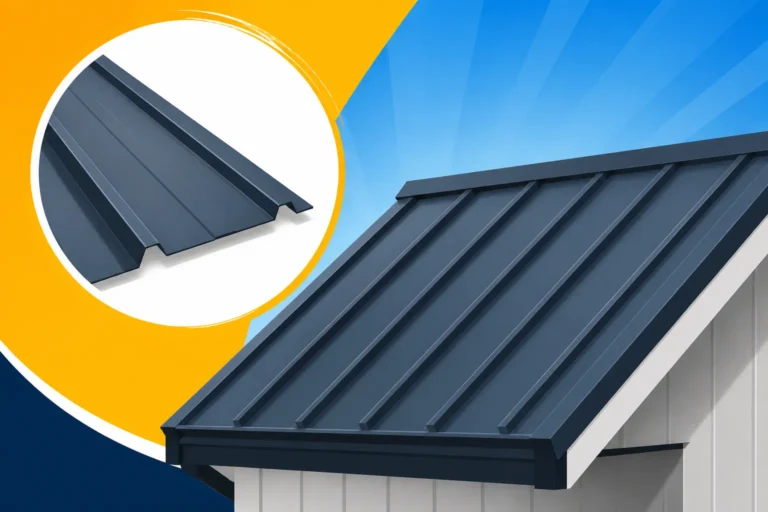
- Standing Seam: This is a premium profile characterized by vertical panels with raised interlocks (seams) that hide the fasteners underneath. This system is known for its sleek, modern appearance and superior weather resistance since there are no exposed screws that can eventually back out or fail. Because standing seam panels are often wide and flat, the rigidity provided by 24-gauge metal is highly beneficial to prevent oil canning. It's the most common combination for high-end residential projects.
- Exposed Fastener Panels (Corrugated, R-Panel, 5V Crimp): These profiles, like What Is a Corrugated Metal Roof?, have visible screws that penetrate through the metal panel into the roof deck. While often more economical, these systems require careful installation and regular inspection of the fastener screws and their washers over time. For these profiles, 26-gauge is a very common choice. While 24-gauge is certainly an upgrade and offers more robust panels, the inherent strength from the corrugations or ribs means that 26-gauge often performs adequately, and the cost savings can be attractive. However, even with exposed fastener panels, a 24-gauge will provide better dent resistance.
The choice between exposed and hidden fasteners, combined with the panel profile, should influence your gauge decision. For the premium look and performance of standing seam, 24-gauge is almost always the recommended minimum.
Installation Expertise and Warranty
Even the highest quality 24-gauge metal roof, made from the best materials, can fail prematurely if not installed correctly. This is where the expertise of your roofing contractor becomes paramount. A metal roof installation is a specialized skill, requiring precision, attention to detail, and a deep understanding of metal properties like thermal expansion.
When you're comparing bids, don't just look at the bottom line. Ask about the contractor's experience with metal roofing, specifically the gauge and profile you're considering. Inquire about their training and certifications. A reputable contractor will have factory-trained installers and stand behind their work with a strong workmanship warranty. Platforms like Modernize can be incredibly helpful in finding vetted local professionals who specialize in metal roofing, ensuring you get multiple competitive bids from qualified installers.
Also, pay close attention to the warranties offered. There are typically two types: the manufacturer's warranty (covering material defects and paint finish) and the contractor's workmanship warranty. A good manufacturer's warranty for 24-gauge steel often covers 40-50 years on paint finish and sometimes a limited lifetime for the substrate. The contractor's warranty should cover installation errors, and a solid one will typically be 5-10 years, though some offer even longer. A thicker gauge might translate to better long-term warranty coverage, as manufacturers have more confidence in its durability. You can learn more about securing your investment by reading up on Metal Roof Warranties: Workmanship vs Manufacturer.
Choosing a metal roof is a significant decision for any homeowner. While a 24-gauge roof often represents the ideal balance of cost, durability, and aesthetics for most residential applications, remember to consider the interplay of material, profile, and, most critically, the quality of installation. Don't hesitate to ask your contractor plenty of questions and get multiple quotes from qualified professionals.
Disclaimer
Please remember that this article provides general information and recommendations regarding metal roofing gauges. Specific building codes, local climate conditions, and individual project requirements can vary significantly. Always consult with a qualified, licensed, and insured local metal roofing contractor to assess your unique situation and receive professional advice before making any final decisions or starting a roofing project.