Does Metal Roofing Affect Property Taxes?
Metal roofing installation impacts property taxes based on local assessment rules and whether home upgrades increase market value.

Metal roofing installation impacts property taxes based on local assessment rules and whether home upgrades increase market value.

A wind mitigation inspection assesses home features to lower insurance costs, especially for properties with metal roofs.
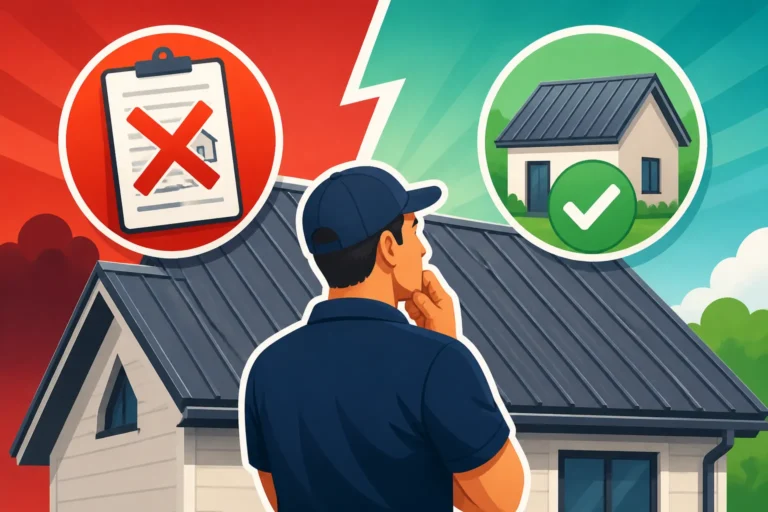
Metal roof permits protect homeowners from structural failures, severe weather risks, and costly safety liabilities during installation.
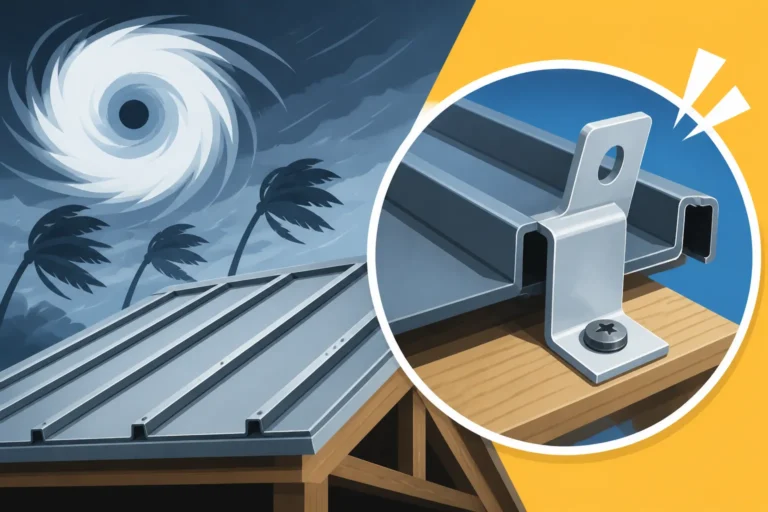
Metal roofs require hurricane clips and galvanized steel brackets to resist severe uplift and lateral forces in high wind zones.
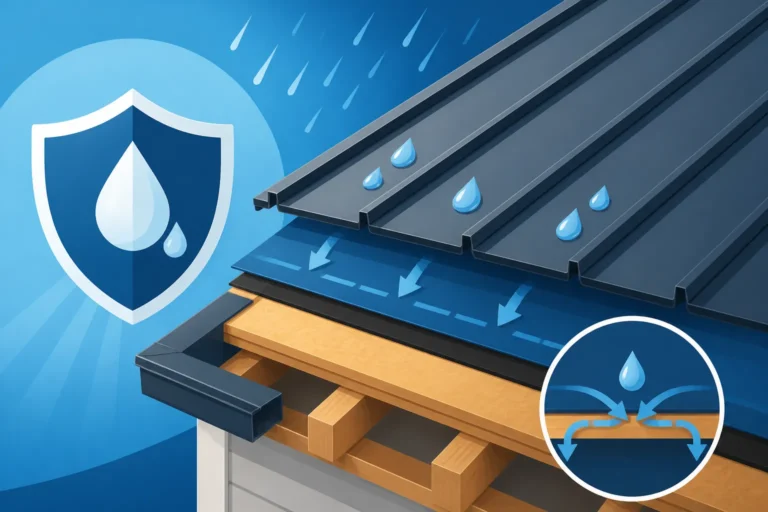
Secondary water resistance provides a backup layer installed beneath roof shingles to catch water bypassing primary materials.
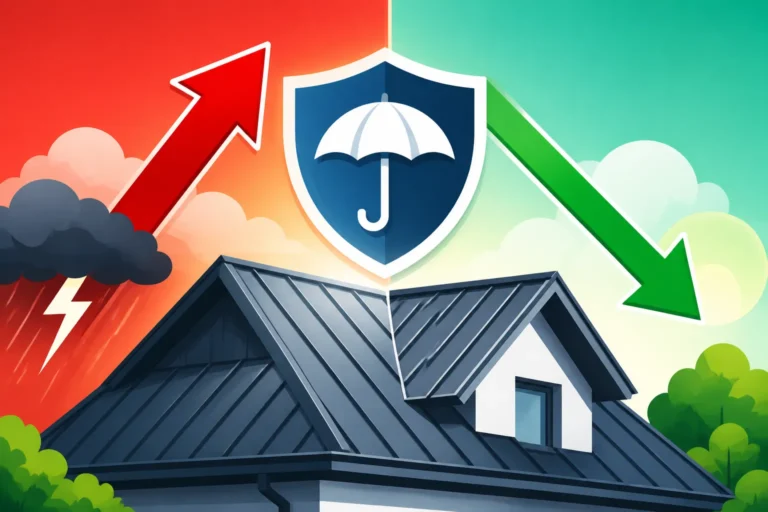
Metal roof installation typically decreases home insurance premiums because durability against severe weather lowers provider risk.
Metal roof replacements, significant repairs, and structural changes require building permits and inspections to ensure safety and code compliance.
HOA metal roof regulations, CC and Rs, and Architectural Review Board rules determine if homeowners can install metal roofing.

Metal roof wind speeds and uplift ratings depend on standards like UL 580 and ASTM E1592, fastener types, and panel gauge.
Metal roof insurance discounts require specific documentation to prove wind, hail, and fire resistance ratings to providers.