How to Find a Metal Roofing Contractor in New York
Finding a trustworthy metal roofing contractor in New York can feel like searching for a needle in a haystack, especially with so many options and varying local regulations. You're looking for someone who understands the unique challenges of New York weather, from heavy upstate snow to humid summers and coastal winds, and who can deliver a durable, beautiful metal roof. This guide is designed to cut through the confusion, helping you identify and vet the perfect metal roofing professional for your home, ensuring your investment is well-protected.
Understanding the New York Landscape for Metal Roofing Contractors
New York State is vast and diverse, and what works for a metal roof in Buffalo might be different from what’s needed in Brooklyn or on Long Island. This geographical and climatic variety means that the contractor you choose needs to have specific, localized expertise, not just general roofing knowledge. It’s not just about slapping panels on; it’s about understanding the nuances that ensure longevity and compliance.
The Unique Challenges of New York Weather
From the brutal winters that dump feet of snow in areas like Syracuse and Rochester to the sweltering, humid summers of the Hudson Valley and coastal salt spray on Long Island, a metal roof in New York faces a lot. A good contractor will know which metal types and coatings are best suited for these conditions. For instance, in areas with heavy snowfall, they might recommend a standing seam system that minimizes exposed fasteners and facilitates snow shedding, or suggest proper snow guards and winter metal roof issues to prevent dangerous snow slides. They'll also understand the importance of robust underlayment to protect against ice dams and extreme temperature fluctuations.
Consider a homeowner in the Adirondacks looking to install a metal roof. They aren't just thinking about aesthetics; they're primarily concerned with snow load capacity and insulation. A contractor unfamiliar with these specific regional demands might recommend a lighter gauge metal that isn't appropriate for sustained heavy snow, or overlook critical ventilation details. The right professional will discuss not just the roof itself, but how it interacts with your home's entire envelope in the face of these intense weather patterns.
Navigating Local Building Codes and Regulations
Here’s where it gets really tricky in New York: there isn't a statewide licensing requirement for general roofing contractors. This means that while some cities and counties, like New York City, Buffalo, and Rochester, do have stringent licensing and permitting processes, many smaller towns and rural areas might not. This patchwork system puts the onus on you, the homeowner, to do your due diligence. A contractor who works in NYC might be fully licensed and insured, but a "roofer" in an unincorporated town might operate with very little oversight.
You absolutely need to ensure your chosen contractor is aware of and adheres to all local building codes. These codes dictate everything from the type of materials allowed, especially in areas prone to high winds or wildfires, to the installation methods and even the pitch requirements. Ignoring these codes can lead to failed inspections, costly rework, and even problems with insurance down the line. For example, if you're in a historic district, there might be aesthetic restrictions on materials and colors. A knowledgeable contractor will guide you through the permitting process, ensuring that they do you need a permit for a metal roof and that all work complies with the metal roof building codes explained relevant to your specific locale.
Essential Steps to Vetting Metal Roofing Contractors in New York
With the unique New York landscape in mind, the process of vetting contractors becomes even more critical. You need to look beyond a simple quote and dig into their credentials, experience, and reputation. This is an investment in your home's future, and cutting corners here can lead to long-term headaches.
Verifying Licenses, Insurance, and Bonding
This is non-negotiable, and probably the most important first step. Even without a statewide license, reputable contractors will be registered to do business and carry the necessary insurance.
- Licensing: While New York doesn't have a statewide roofer's license, many major cities and counties do. For example, in New York City, contractors generally need a Home Improvement Contractor license from the Department of Consumer and Worker Protection (DCWP). In other areas, they might need a local permit or specific trade license. Always ask for proof of any required local licensing. If a contractor claims they don't need a license in your area, verify it with your local building department yourself.
- Insurance: A legitimate contractor will carry both General Liability Insurance and Worker's Compensation Insurance. General liability protects your property from damage caused by the contractor's work. Worker's comp protects their employees in case of injury on your property. Without it, you could be held liable if someone gets hurt. Ask for current Certificates of Insurance directly from their insurance provider, not just a copy from the contractor, to ensure it’s valid. This is a massive red flag if they can't provide this.
- Bonding: While not always mandatory, a bond offers an extra layer of financial protection for you, the homeowner. If the contractor fails to complete the job or doesn't pay their subcontractors, the bond can cover the costs. It's less common for residential work but a definite plus if offered.
A good way to start finding contractors is through reputable platforms like Modernize, which connects homeowners with pre-screened professionals in their area. They often have initial vetting processes for licenses and insurance, making your initial search a bit smoother.
Assessing Experience and Specialization in Metal Roofing
Metal roofing isn't just another roofing material; it requires specialized skills and equipment. Installing a metal roof is different from asphalt shingles, especially for intricate systems like standing seam.
- Years in Business: While not the only factor, a company that has been around for several years demonstrates stability and a track record. Look for contractors who have been operating specifically in New York for a decent period, as they will be familiar with local conditions and regulations.
- Metal Roofing Focus: Ask what percentage of their work is dedicated to metal roofing. A contractor who does 90% asphalt shingles and only occasionally installs metal might not have the specialized crews, tools, or expertise. Ideally, you want someone for whom metal roofing is a significant portion, if not all, of their business. They will understand the intricacies of metal roofing types explained: profiles and panels and the specific requirements for different metal roofing materials compared: steel, aluminum, copper & zinc.
- Portfolio and References: Request a portfolio of their completed metal roofing projects, ideally in your area. Ask for references from recent customers and call them. Ask about their experience with the contractor: timeliness, communication, quality of work, and how they handled any unexpected issues. Did the contractor understand their needs, especially concerning local weather challenges? Did they address specific concerns like do metal roofs make noise when it rains effectively?
Local Reputation and Reviews
In today's digital age, reputation is easily researched. Don't just rely on what the contractor tells you.
- Online Reviews: Check platforms like Google, Yelp, and the Better Business Bureau. Look for consistent patterns in reviews, both positive and negative. How does the contractor respond to criticism? Do they address issues professionally? Be wary of companies with only five-star reviews, as this can sometimes indicate manipulation. Also, consider local community groups on social media for unvarnished opinions.
- Better Business Bureau (BBB): Check their rating and any complaints filed. A strong BBB rating with few complaints, or professional responses to any complaints, is a good sign.
- Word-of-Mouth: Ask neighbors, friends, and family in New York if they have recommendations for metal roofing contractors. Personal referrals are often the most reliable. A contractor who has built a solid local reputation over years is often a safer bet than one with flashy ads but no community roots.
Decoding Metal Roof Quotes and Contracts in New York
Once you've narrowed down your list to a few promising contractors, it's time to get detailed quotes. This isn't just about the bottom line; it's about understanding what you're paying for and ensuring everything is clearly defined to avoid surprises. You'll want to get at least three detailed bids to properly compare apples to apples. If you are struggling to get multiple detailed quotes, services like Modernize can help facilitate this process.
What Should Be Included in a Detailed Quote
A transparent and thorough quote should break down all costs, leaving no room for ambiguity.
- Material Breakdown: This should specify the type of metal (steel, aluminum, copper, etc.), the gauge (e.g., 24 gauge vs 26 gauge metal roof: which is best), the coating (e.g., Kynar 500/PVDF or SMP), and the profile (e.g., standing seam, corrugated, metal shingle). It should also include all accessories like flashing, fasteners, and sealant. The more detail, the better. You want to know exactly what is going on your roof.
- Labor Costs: This should be clearly separated from material costs. It might be presented as a lump sum or broken down by crew size and estimated hours. Be aware that labor costs in New York, especially in metropolitan areas, can be higher than in other parts of the country. For example, metal roof labor cost per square can vary significantly.
- Permit Fees: The contractor should include the cost of obtaining all necessary local permits and confirm who will be responsible for pulling them. Generally, a reputable contractor will handle this process.
- Tear-Off and Disposal: If your old roof needs to be removed, the quote should clearly state the cost for "tear-off vs metal over shingles: cost difference" and proper disposal of the old materials. This can be a significant cost, especially for multiple layers of old roofing.
- Underlayment and Ventilation: Detail the type of underlayment to be used (e.g., synthetic, ice and water shield), and any necessary ventilation improvements, such as ridge vents or soffit vents. Proper ventilation is critical for extending the life of your roof and preventing issues like condensation.
- Project Timeline: An estimated start and completion date. While weather can impact this, a realistic timeline should be provided.
- Warranty Information: Both the manufacturer's warranty for the materials and the contractor's workmanship warranty should be detailed. Understand what each covers and for how long. For a deep dive, check out metal roof warranties: workmanship vs manufacturer.
Understanding the Contract Agreement
The quote might get you in the door, but the contract is the legally binding document that protects both parties. Never sign a contract you don't fully understand.
- Scope of Work: The contract should precisely match the detailed quote. Every item to be installed, every service to be performed (like tear-off), and any specific agreements (like protecting landscaping) should be explicitly written out. Don’t rely on verbal promises.
- Payment Schedule: A clear payment schedule should be outlined. A typical arrangement might involve an upfront deposit (often 10-30% in New York, but check local regulations), followed by progress payments, and a final payment upon satisfactory completion. Be wary of contractors demanding a large percentage upfront. For more details on payment, you can read about normal deposit and payment schedule for a roof.
- Change Order Process: What happens if unforeseen issues arise or you decide to change something mid-project? The contract should detail a clear process for "change orders," requiring written approval for any adjustments to the scope of work or cost.
- Lien Waivers: Upon final payment, ensure you receive a lien waiver from the contractor and all subcontractors. This protects you from future claims if the contractor doesn't pay their suppliers or laborers. Lien waivers and roofing: what to know can provide more in-depth information.
- Dispute Resolution: The contract should include provisions for how disputes will be handled, such as mediation or arbitration. This can save a lot of headaches if issues arise.
Avoiding Common Pitfalls When Hiring in New York
The unfortunate reality is that every industry has its bad apples, and roofing is no exception. In New York, with its diverse regulatory landscape and occasional severe weather events, homeowners can be particularly vulnerable to scams or subpar work. Knowing what to watch out for can save you a lot of grief and money.
Identifying Roofing Scams and Red Flags
Being vigilant can help you steer clear of unscrupulous operators.
- Door-to-Door Sales Pressure: Be extremely wary of "storm chasers" who appear after a major storm, knocking on doors and offering immediate repairs. They often pressure you into signing contracts on the spot, promise incredible deals, or claim to handle insurance claims entirely. While not all door-knockers are bad, this is a common tactic for storm-chaser and door-knocker roofing scams. Always get multiple quotes and take your time.
- Unsolicited Offers and Too-Good-To-Be-True Prices: If a price seems unbelievably low compared to other quotes, it probably is. This could mean they're using substandard materials, cutting corners on labor, or adding hidden fees later. Remember, a quality metal roof is a significant investment; cheap usually means trouble down the line.
- Cash-Only Demands: While some smaller, legitimate contractors might prefer cash for certain payments, a contractor who only accepts cash, especially for large deposits, is a major red flag. This can be a tactic to avoid taxes, dodge insurance requirements, or simply disappear with your money. Always get a paper trail for all transactions.
- Lack of Paperwork: If a contractor can't provide written estimates, detailed contracts, or proof of insurance, walk away immediately. Professional contractors operate with clear documentation.
- High-Pressure Tactics: Any contractor who tries to rush your decision, demands immediate payment, or says the "deal is only good today" is trying to prevent you from doing your due diligence. A reputable contractor will give you time to consider your options.
The Importance of Manufacturer Certifications
Beyond general experience, some metal roofing manufacturers offer specific certifications to contractors who demonstrate expertise in installing their products.
- Certified Installers: Many leading metal roofing manufacturers, such as McElroy Metal, Metal Sales, or Sheffield Metals, offer training and certification programs for installers. A contractor who is "manufacturer-certified metal roof installers explained" means they have undergone specific training directly from the manufacturer on how to properly install their particular roofing systems. This often ensures the validity of your material warranty.
- Warranty Protection: Often, manufacturer warranties for metal roofing materials are contingent upon the roof being installed by a certified professional. If an uncertified contractor installs the roof incorrectly, you could void your warranty, leaving you unprotected if the materials fail prematurely. Always ask if the crew installing your roof holds manufacturer certifications for the specific metal roofing product you've chosen. This is especially true for complex systems like standing seam, where precision is paramount. Check out do you need a certified installer for warranty coverage for more info.
By understanding these nuances and remaining diligent throughout the hiring process, you can significantly increase your chances of finding a skilled, honest, and reliable metal roofing contractor in New York who will deliver a durable and long-lasting roof for your home.
Contractor Comparison Checklist for New York Metal Roofing
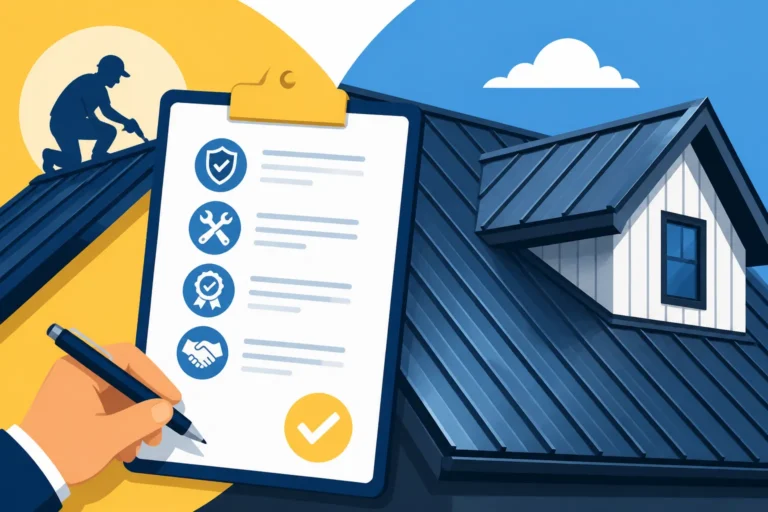
To help you keep track of all the important details when evaluating contractors in New York, here’s a handy checklist you can use:
| Feature/Question | Contractor A | Contractor B | Contractor C | Notes/Things to Verify |
|---|---|---|---|---|
| Local Licensing | Check with your city/county | |||
| General Liability Ins. | Ask for Certificate from Insurer | |||
| Worker's Comp Ins. | Ask for Certificate from Insurer | |||
| Years in Business (NY) | Confirm local experience | |||
| % Metal Roofing Focus | Aim for high percentage | |||
| Manufacturer Certs | For your chosen material type | |||
| References Provided | Call at least 3 recent clients | |||
| Online Reviews (Avg.) | Check BBB, Google, Yelp, etc. | |||
| Detailed Quote | Line-item breakdown, clear | |||
| Permit Fees Included | Who pulls the permit? | |||
| Tear-Off/Disposal Costs | Clearly specified if needed | |||
| Underlayment Type | Specified in detail | |||
| Project Timeline | Realistic start/end dates | |||
| Material Warranty | Length & coverage | |||
| Workmanship Warranty | Length & coverage | |||
| Payment Schedule | Reasonable deposit, progress payments | |||
| Lien Waivers Offered | For final payment protection |
Conclusion
Embarking on a metal roofing project in New York is a smart decision for its longevity, durability, and aesthetic appeal, but the success of that project hinges entirely on choosing the right contractor. Don't let the varying regulations, harsh weather, or the sheer number of options overwhelm you. By following the vetting steps outlined above—from meticulously checking licenses and insurance to scrutinizing quotes and understanding warranties—you'll be well-equipped to make an informed decision. Finding a skilled, experienced, and reputable metal roofing contractor in New York is absolutely achievable. Take your time, ask the tough questions, and trust your gut. Your home deserves nothing less than the best.
Disclaimer
This article is intended for informational purposes only and does not constitute professional advice. Always consult with a qualified and licensed metal roofing contractor, local building authorities, and insurance providers for specific guidance tailored to your individual circumstances and location. Building codes, regulations, and licensing requirements can vary significantly by municipality and may change over time.