How to Find a Metal Roofing Contractor in Oklahoma
Trying to find a reliable metal roofing contractor in Oklahoma can feel like navigating a complex maze, especially when you’re looking for someone who truly understands the unique challenges our state’s weather throws at us. You want a team that not only knows their craft but also respects your home and your investment. This guide is here to cut through the confusion, offering clear, actionable steps to help you pinpoint the best metal roofing professionals right here in Oklahoma.
Understanding Oklahoma's Metal Roofing Landscape
Oklahoma's climate is famously dynamic, swinging from scorching summers to icy winters, often punctuated by severe thunderstorms, hail, and tornadoes. This isn't just a casual weather pattern; it's a critical factor in how a roof performs and how long it lasts. Because of this, choosing the right metal roofing material and, more importantly, the right contractor, is paramount. They need to understand how these extreme conditions impact materials and installation techniques to ensure your roof stands the test of time.
Unique Challenges of Oklahoma Weather
When you live in Oklahoma, you quickly learn that your home needs to be built to withstand a lot. For your roof, this means considering a few key things. First off, hail is a major player here. A metal roof's ability to resist hail damage, often measured by its Class 4 impact resistance rating, can save you a huge headache down the line and potentially even lower your insurance premiums. High winds, especially during tornado season, are another significant concern. A properly installed metal roof, particularly a standing seam system, offers superior wind resistance compared to traditional asphalt shingles.
Then there's the intense sun exposure during our long summers. This can cause lesser quality roof materials to fade, warp, or degrade prematurely. Metal roofs with advanced coatings, like Kynar 500 or Hylar 5000, are designed to resist UV radiation and retain their color and integrity for decades. Finally, the freeze-thaw cycles of winter, coupled with potential snow and ice, demand a roofing system that can handle expansion and contraction without developing leaks. An experienced Oklahoma metal roofing contractor will be acutely aware of these factors and recommend solutions tailored to our specific environment.
Common Metal Roofing Types in the State
While metal roofs are growing in popularity across the board, certain types have really gained traction in Oklahoma due to their durability and aesthetic appeal. When you start talking to contractors, you'll likely hear about a few main options.
- Standing Seam Metal Roofs: These are perhaps the most popular choice for residential metal roofing, and for good reason. They feature raised seams that lock together, concealing the fasteners underneath. This hidden fastener system makes them incredibly resistant to leaks, as there are fewer points of vulnerability for water to penetrate. They offer a sleek, modern look and are excellent for shedding snow and resisting high winds. Many homeowners find that exploring the details of a Standing Seam Metal Roof Cost helps them understand the initial investment for this premium option.
- Corrugated Metal Roofs: A more traditional and often more budget-friendly option, corrugated panels feature a wavy, ribbed design. They use exposed fasteners, meaning the screws are visible on the surface. While highly durable, especially in their modern Galvalume or coated steel forms, the exposed fasteners can be a maintenance point over time, as the washers can degrade. However, for barns, outbuildings, or homes where a rustic look is desired, they are a fantastic choice. You might also want to look into How Much Does a Corrugated Metal Roof Cost for a clearer picture.
- Stone-Coated Steel Roofs: If you love the look of traditional shingles, tile, or shake but want the longevity and benefits of metal, stone-coated steel is a superb compromise. These panels are pressed into various profiles and coated with a granular stone finish, giving them the appearance of conventional roofing materials while retaining the strength and fire resistance of steel. They are often chosen for their aesthetic versatility and exceptional impact resistance, which is a huge plus in hail-prone areas.
- Metal Shingles, Tiles, and Shakes: These are individual metal panels designed to mimic the appearance of traditional roofing materials, providing a highly customizable and aesthetically pleasing option. They offer similar benefits to standing seam in terms of longevity and resistance to elements but with a more textured, traditional look.
Understanding these different types and their pros and cons will empower you to have more informed conversations with potential contractors about what makes the most sense for your home and budget. For a broader overview, take a look at our guide on Metal Roofing Types Explained: Profiles & Panels.
Key Qualities of a Top-Notch Oklahoma Metal Roofing Contractor
Choosing a contractor isn't just about who gives you the lowest bid. It's about finding a professional who prioritizes quality, safety, and customer satisfaction, especially when dealing with a significant investment like a metal roof. In Oklahoma, where weather can be unforgiving, these qualities become even more critical.
Licensing, Insurance, and Bonding Requirements
This is non-negotiable. Any contractor you consider should be fully licensed, insured, and bonded. In Oklahoma, while there isn't a statewide roofing license requirement for residential properties, many cities and counties do have their own licensing requirements. For instance, contractors working in Oklahoma City or Tulsa will need to meet specific local licensing criteria. A reputable contractor will be able to provide proof of all necessary local licenses without hesitation.
Equally important is insurance. A contractor should carry both workers' compensation insurance and general liability insurance. Workers' comp protects you from being liable if one of their crew members gets injured on your property. General liability insurance covers potential damage to your home or property during the installation process. Finally, bonding offers an extra layer of protection, guaranteeing that the contractor will complete the job according to the contract. If they fail to do so, you can make a claim against the bond. Don't be afraid to ask for copies of these documents and verify them. It's a crucial step that many homeowners overlook, and it could save you from a major financial headache. You can learn more about this by reading our detailed article on Metal Roof Contractor Licensing, Bonding & Insurance.
Specialization in Metal Roofing
While many roofing companies install various types of roofs, a true metal roofing specialist brings an entirely different level of expertise to the table. Metal roofing isn't just a different material; it involves different installation techniques, specific tools, and a deep understanding of metal properties like expansion and contraction.
A contractor who specializes in metal roofing will:
- Have crews specifically trained and experienced with metal panel systems, including complex flashing details, proper fastening, and seam sealing.
- Be knowledgeable about the best manufacturers and material types for different applications and climates. For instance, they'll know which panels are best suited for areas prone to large hail or high winds, common concerns in Oklahoma.
- Understand local building codes and best practices for metal roof installation, ensuring your roof meets or exceeds all requirements.
- Be able to troubleshoot potential issues before they arise, such as oil canning or specific thermal movement challenges, ensuring a smooth, long-lasting installation.
Look for a company that can articulate why they recommend a particular metal system for your home and demonstrate their crew's experience with that specific type. Ask about their training and certifications with specific metal roofing manufacturers, if applicable. A general roofer might be able to put a metal roof on, but a specialist will install it to perfection. You might find it helpful to read about the Metal Roof Installation Process: Step by Step to understand the complexities involved.
Reputation and References
In today's digital age, checking a contractor's reputation is easier than ever, but it still requires diligence. Start by looking at online reviews on platforms like Google, Yelp, and the Better Business Bureau. Pay attention not just to the star rating, but to the content of the reviews. Are there recurring themes? How does the contractor respond to negative feedback? A few negative reviews aren't necessarily a dealbreaker, but consistent complaints about communication, missed deadlines, or shoddy workmanship are major red flags.
Beyond online reviews, always ask for local references. A reputable contractor should be happy to provide contact information for several recent clients who had metal roofs installed. When you call these references, ask specific questions:
- Was the project completed on time and within budget?
- How was the communication throughout the process?
- Were there any unexpected issues, and how were they handled?
- Would they hire the contractor again?
- Did the contractor clean up thoroughly after the job?
These real-world insights from past customers can give you an invaluable perspective that online reviews alone might miss. Trustworthy contractors in Oklahoma understand the importance of word-of-mouth and strive to earn positive recommendations.
Step-by-Step Guide to Finding and Vetting Contractors
Finding the right metal roofing contractor can seem daunting, but by following a structured approach, you can narrow down your options and make an informed decision. This process involves a mix of online research, direct communication, and careful evaluation.
Starting Your Search: Online Resources and Local Networks
The first step is casting a wide net to gather potential candidates. You've got several avenues at your disposal:
- Online Search Engines: A simple search for "metal roofing contractors Oklahoma" or "metal roof installation Tulsa" will yield a list of local companies. This is where many people start, and it's a good way to get an initial feel for who's out there.
- Online Contractor Platforms: Websites like Modernize, HomeAdvisor, and Angi (formerly Angie's List) are designed to connect homeowners with local contractors. You input your project details, and they match you with professionals in your area. These platforms can be a convenient way to get a few quotes quickly, but always remember to do your own independent vetting of any contractor they recommend. Many homeowners find these platforms helpful for getting initial bids and comparing options.
- Manufacturer Websites: Many metal roofing manufacturers maintain lists of certified or preferred installers on their websites. This can be a goldmine, as these contractors have often undergone specialized training from the manufacturer, which can be a huge plus for warranty purposes.
- Local Referrals: Don't underestimate the power of word-of-mouth. Ask friends, family, neighbors, or colleagues in Oklahoma who have metal roofs for their recommendations. A personal referral often comes with a level of trust and insight that you won't get from an online listing.
- Local Building Material Suppliers: These businesses often work closely with local contractors and can recommend reputable ones in your area. They know which contractors consistently purchase quality materials and handle their projects professionally.
Aim to gather at least three to five potential contractors to ensure you have enough options for comparison. Remember, the goal here is quantity and quality, as you'll be narrowing down the list in subsequent steps.
What to Look for in Quotes and Contracts
Once you've identified a few potential contractors, the next crucial step is to get detailed quotes and scrutinize their proposed contracts. This is where the details matter, and a comprehensive quote will tell you a lot about the contractor's professionalism.
The Quote: A good quote should be specific, itemized, and leave no room for ambiguity.
- Detailed Breakdown: It should clearly list all materials, including the type of metal (steel, aluminum, copper, etc.), gauge (e.g., 24 vs 26 Gauge Metal Roof: Cost Difference), profile (standing seam, corrugated, shingle), color, and manufacturer. It should also specify underlayment, fasteners, flashing, trim, and any other accessories.
- Labor Costs: While often combined, an understanding of labor charges (either per square foot or as a total project cost) is helpful.
- Scope of Work: The quote should outline exactly what the project entails, from tear-off of old materials (if applicable) to final cleanup. Will they remove and dispose of the old roof, or is that extra? For a comprehensive understanding of what goes into a bid, refer to How to Read and Compare Metal Roof Quotes.
- Timeline: A realistic start and completion date.
- Payment Schedule: This should be clearly defined, typically with a reasonable down payment (often 10-30%), progress payments, and a final payment upon completion and your satisfaction.
- Warranty Information: Both material warranties from the manufacturer and a workmanship warranty from the contractor should be included.
The Contract: This is a legally binding document, so read it carefully.
- All agreements in writing: Never rely on verbal promises. Everything discussed and agreed upon should be in the contract.
- Permits: Who is responsible for pulling the necessary permits? In most cases, it should be the contractor. Our guide on Do You Need a Permit for a Metal Roof? can offer more insights here.
- Change Order Process: What happens if unforeseen issues arise or you decide to make a change during the project? The contract should outline how changes are documented and approved.
- Lien Waivers: Ensure the contract includes provisions for lien waivers, protecting you from subcontractors or suppliers placing a lien on your property if the main contractor fails to pay them.
When comparing quotes, be wary of bids that are significantly lower than the others. While everyone loves a deal, an abnormally low price can sometimes indicate shortcuts in materials, labor, or a lack of proper insurance. Always ask questions about anything you don't understand, and don't feel pressured to sign until you are completely comfortable.
Red Flags and How to Avoid Them
Even with the best intentions, it's easy to fall prey to less-than-reputable contractors. Knowing the common red flags can help you steer clear of trouble and protect your investment.
Common Red Flags to Watch Out For:
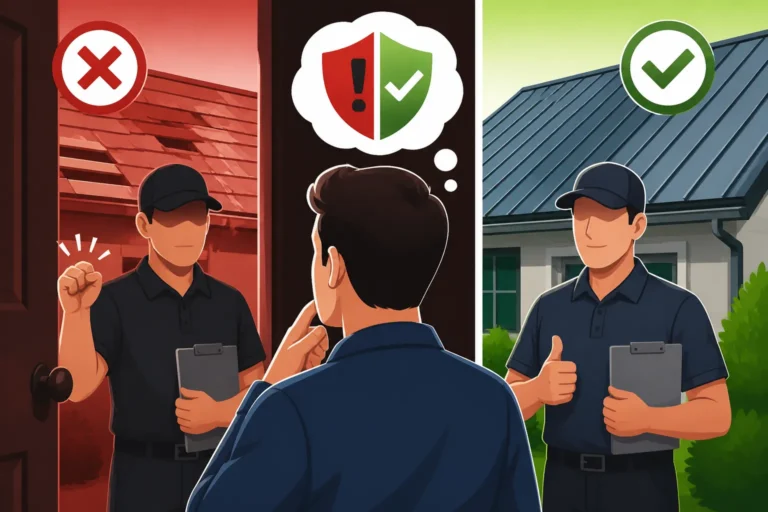
- Unsolicited Door-to-Door Offers: Be extremely wary of contractors who show up unannounced, especially after a major storm, claiming they were "just in the neighborhood." These "storm chasers" often pressure homeowners into quick decisions, may do subpar work, and then disappear. Read our guide on Metal Roofing Scams and Red Flags to Avoid for more information.
- High-Pressure Sales Tactics: A reputable contractor will give you time to consider your options and won't demand an immediate decision. If you feel pressured, it's a sign to walk away.
- Cash-Only Deals: While some legitimate contractors might offer a small discount for cash, an insistence on cash-only payments, especially for the entire sum, is a major warning sign. This can be a tactic to avoid taxes, bypass insurance, or operate without proper licensing.
- No Contract or Vague Agreements: As mentioned earlier, a detailed, written contract is essential. If a contractor tries to work without one, or presents a contract that is sparse on details, refuse.
- Asking for Full Payment Upfront: A reasonable down payment is standard, but no reputable contractor will ask for 100% of the project cost before any work has begun. Payment schedules should align with project milestones.
- Lack of References or Proof of Insurance: If a contractor can't or won't provide valid proof of licensing, insurance, bonding, or recent references, consider it a huge red flag. They might be uninsured, unlicensed, or have a poor track record.
- Materials Purchased by Homeowner: While some DIY enthusiasts might source their own materials, a professional contractor should handle all material procurement. If they ask you to buy the materials, it could indicate they lack proper trade accounts or are trying to avoid responsibility for material quality.
- Unprofessional Behavior: This includes poor communication, showing up late or not at all for appointments, or exhibiting rude or aggressive behavior. Trust your gut; if something feels off, it probably is.
By staying vigilant and knowing what to look for, you can significantly reduce your risk of a negative experience. Remember, a major investment like a metal roof deserves careful consideration and a professional partner. You're not just buying a roof; you're buying peace of mind.
Comparing Your Options and Making the Final Choice
After gathering quotes and vetting contractors, you'll likely have a few strong contenders. Now comes the time to weigh all the factors and make your final decision. This isn't just about price; it's about value, trust, and the assurance of a job well done.
Asking the Right Questions Before You Commit
Before you sign on the dotted line, engage your top candidates in a final round of questioning. This is your chance to clarify any remaining doubts and ensure everyone is on the same page.
Here are some critical questions to ask:
- Can I see your proof of insurance and licensing again? (Always verify these independently, as well, by contacting the insurance provider and relevant licensing bodies.)
- What specific metal roofing system are you proposing, and why is it the best fit for my home in Oklahoma? (Listen for their understanding of local climate challenges.)
- What is the expected timeline for this project, from start to finish? How will delays be communicated and handled?
- Who will be the primary point of contact during the project, and how often will we communicate? Clear communication channels are vital for a smooth project.
- What is your cleanup process like? Will debris be removed daily, and will my landscaping be protected?
- Can you explain your warranty in detail – both for materials and workmanship? Understand what is covered, for how long, and what might void it. This is directly related to Metal Roof Warranties: Workmanship vs Manufacturer.
- How do you handle unforeseen issues or challenges that might arise during installation?
- Do you offer any financing options, or can you recommend lenders? For those considering financing, our article on Metal Roof Financing Options could be a good resource.
- What safety precautions does your crew take on the job site? Safety is paramount for everyone involved.
A good contractor will welcome these questions and answer them thoroughly and confidently. If they seem evasive or annoyed, that's another red flag.
Contractor Vetting Checklist
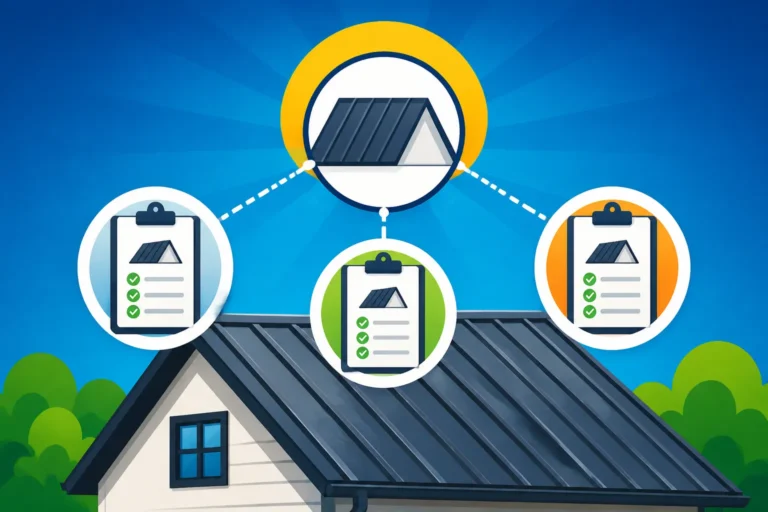
To help you keep track of all the details when evaluating multiple contractors, consider using a checklist like this:
| Feature/Question | Contractor 1 | Contractor 2 | Contractor 3 | Notes |
|---|---|---|---|---|
| Licenses & Insurance | Verified independently? | |||
| Valid General Liability | Yes/No | Yes/No | Yes/No | Policy limits adequate? |
| Valid Workers' Comp | Yes/No | Yes/No | Yes/No | Covers all crew members? |
| City/County Licensing (if req.) | Yes/No | Yes/No | Yes/No | Specific to Oklahoma City, Tulsa, etc. |
| Experience & Specialization | ||||
| Years in Business | Longer is generally better. | |||
| Metal Roofing Specialist? | Yes/No | Yes/No | Yes/No | Dedicated metal roofing crews? |
| Manufacturer Certifications | Yes/No | Yes/No | Yes/No | Which manufacturers? |
| Reputation & References | ||||
| Online Reviews (Average Rating) | Check Google, BBB, etc. | |||
| Local References Provided | Yes/No | Yes/No | Yes/No | Did you call them? What did they say? |
| Quote & Contract Details | ||||
| Detailed, Itemized Quote | Yes/No | Yes/No | Yes/No | No vague line items? |
| Comprehensive Contract | Yes/No | Yes/No | Yes/No | Includes all terms, payment, warranties. |
| Clear Payment Schedule | Yes/No | Yes/No | Yes/No | No excessive upfront payment? |
| Material & Workmanship Warranties | Yes/No | Yes/No | Yes/No | Clearly defined? |
| Communication & Professionalism | ||||
| Responsive & Timely | Yes/No | Yes/No | Yes/No | Answered calls/emails promptly? |
| Clear Explanations | Yes/No | Yes/No | Yes/No | Understood their recommendations? |
| Overall Impression | Good/Fair/Poor | Good/Fair/Poor | Good/Fair/Poor | Did you feel comfortable and respected? |
This checklist empowers you to make an objective comparison, focusing on the most important aspects of contractor selection. It ensures you're not just comparing the bottom line, but the overall quality, reliability, and peace of mind each contractor offers.
Trusting Your Gut and Making a Confident Decision
Ultimately, while all the checks and balances are essential, there's also an element of trusting your instinct. You'll be working closely with this contractor for a significant period, and they'll be on your property. Do you feel comfortable with them? Do they seem honest and transparent? Do they listen to your concerns and answer your questions respectfully?
The cheapest quote isn't always the best value, especially when it comes to a long-term investment like a metal roof. A few extra dollars upfront for a reputable, experienced, and well-insured contractor can save you thousands in potential repairs, headaches, and stress down the road. Consider the long-term benefits outlined in articles like Metal Roof Cost vs Lifespan Value or Is a Metal Roof Worth It? ROI, Resale & Payback.
By diligently following these steps, doing your research, and asking the right questions, you'll be well-equipped to find a fantastic metal roofing contractor in Oklahoma who will deliver a high-quality, durable roof for your home.
Disclaimer
Please note that the information provided in this guide is intended for general informational purposes only and does not constitute professional advice. Always consult with licensed and qualified metal roofing contractors, legal professionals, and insurance providers for specific advice related to your project and local regulations. Building codes, licensing requirements, and best practices can vary by location and may change over time.