How to Find a Metal Roofing Contractor in Georgia
Finding a reliable metal roofing contractor in Georgia can feel like a daunting task, especially with the state's unique weather patterns and the sheer number of options out there. You want someone who understands the local climate, adheres to strict building codes, and truly knows their way around a metal roof installation. This guide will walk you through exactly how to pinpoint the best metal roofing professionals in the Peach State, ensuring your investment is well-placed and your home is protected for decades to come.
Understanding the Importance of a Georgia-Specific Metal Roofing Expert
Georgia's climate is a beautiful mix of warm summers, mild winters, and often, intense spring and fall storms. This means your roof takes a beating from various elements – from scorching sun to heavy downpours, and even occasional hail. Choosing just any roofer, especially one not specialized in metal, can lead to costly mistakes down the line. You need a contractor who understands these nuances and how they impact a metal roof specifically.
The Unique Challenges of Georgia's Climate
Think about those long, humid Georgia summers. The intense UV exposure can degrade lesser roofing materials quickly, but a quality metal roof, properly installed, is built to reflect heat and withstand the sun's harsh rays. Then there are the thunderstorms, which often bring high winds and torrential rain, sometimes even hail. A metal roof's durability against these elements is one of its biggest selling points, but only if the installation techniques are adapted for such conditions. A contractor experienced in Georgia will know exactly how to secure panels, flash penetrations, and ensure proper drainage to prevent issues unique to our climate, like potential condensation in high humidity areas or fasteners backing out due to thermal expansion and contraction.
The Specialized Skill a Metal Roof Requires
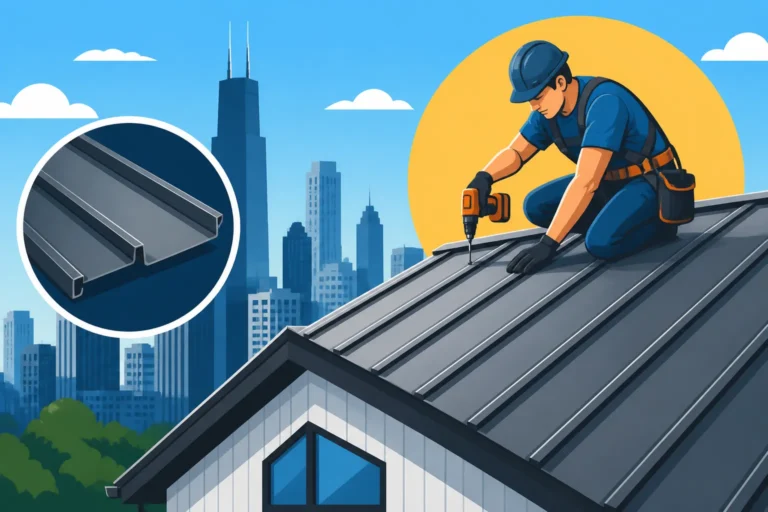
Installing a metal roof isn't like laying down shingles. It requires precision, specialized tools, and a deep understanding of metal properties. We're talking about intricate seaming, panel alignment, proper fastening schedules, and ensuring watertight seals around vents, chimneys, and skylights. A reputable metal roofing contractor will have crews specifically trained in these techniques, not just general roofers who dabble in metal occasionally. They understand the different types of metal roofing, from standing seam to corrugated or even stone-coated steel, and can advise you on which is best suited for your home's style and your budget. For example, a Standing Seam Metal Roof Cost might be higher upfront, but its hidden fasteners offer superior protection against leaks and a cleaner aesthetic, which can be a big plus in many Georgia neighborhoods.
Where to Start Your Search for Georgia Metal Roofing Specialists
When you're ready to dive into the search, you've got several avenues to explore. Don't limit yourself to just one; cast a wide net to get a comprehensive view of your options.
Leveraging Online Directories and Specialized Platforms
The internet is your friend here. Websites dedicated to connecting homeowners with contractors are invaluable resources. Platforms like Modernize can be a great starting point, allowing you to input your project details and get matched with local professionals who specialize in metal roofing. This can save you a lot of time sifting through general roofing companies.
Beyond referral services, look at general contractor directories like Angie's List, HomeAdvisor, or even the Better Business Bureau. Pay close attention to reviews and ratings. Are people consistently praising the quality of their metal roof installations? Do they mention professionalism, timely completion, and adherence to budget? Specific keywords in reviews, like "metal roof installation," "standing seam," or "leak-free," are what you're really looking for. Don't be shy about asking if a contractor you find through a general listing specifically focuses on metal roofing, as not all general roofers have the expertise.
Local Recommendations and Word-of-Mouth
Sometimes, the best recommendations come from your neighbors, friends, or family. If someone in your community has a metal roof you admire, ask them who installed it. They can provide firsthand insights into the contractor's work ethic, communication, and post-installation support. Drive around your neighborhood – especially in areas prone to storms – and look for homes with metal roofs. If you see a particularly well-done job, don't hesitate to politely ask the homeowner about their experience and who they hired.
Local building supply centers that sell metal roofing materials can also be a goldmine. They often work directly with contractors and can recommend those with a proven track record of successful metal roof installations. Similarly, your local hardware store or even a general contractor you trust for other home improvements might have a few trusted metal roofing specialists they can refer. Word-of-mouth is powerful because it often comes with an implicit endorsement of quality and reliability, which is exactly what you need when making such a significant investment in your home.
Key Qualities and Questions to Vet Georgia Contractors
Once you've compiled a list of potential contractors, the real work begins: vetting them thoroughly. This isn't just about getting a good price; it's about ensuring peace of mind and a high-quality, long-lasting roof.
Licensing, Insurance, and Bonding in Georgia
This is non-negotiable. In Georgia, roofing contractors typically fall under general contracting licenses, though specific roofing licenses can vary by municipality. You absolutely need to verify that any contractor you consider is properly licensed by the state or relevant local authority. You can typically do this through the Georgia Secretary of State's professional licensing division or by checking with your county or city's building department. For instance, knowing How to Verify a Roofing License by State is critical, as an unlicensed contractor could leave you liable for accidents or shoddy work.
Equally important is ensuring they carry adequate insurance:
- Worker's Compensation: This protects you from liability if a worker gets injured on your property. Without it, you could be on the hook for medical bills and lost wages.
- General Liability Insurance: This covers any damage to your property or a neighbor's property that might occur during the roofing process. A good contractor will have coverage well beyond the minimum requirements.
Bonding, while not always required by law for residential work, offers an extra layer of protection. A bonded contractor means a third-party surety company has guaranteed their work. If they fail to complete the job or perform it incorrectly, the bond can compensate you. Always ask for proof of these documents and verify them directly with the issuing agencies. A trustworthy contractor will be happy to provide this information. You can learn more about the specifics in our guide on Metal Roof Contractor Licensing, Bonding & Insurance.
Experience with Specific Metal Roofing Types
Not all metal roofs are created equal, and not all roofers have experience with every type. If you're set on a standing seam metal roof, for example, you need a contractor with a proven track record of installing that specific profile. Don't settle for someone who primarily installs corrugated metal if standing seam is your preference.
Here are some questions to ask:
- How many metal roofs, specifically of the type I'm interested in, have you installed in the last year?
- Can you provide references for recent metal roofing projects, particularly in my area of Georgia?
- Do your crews receive specialized training in metal roof installation, or is it a general roofing crew?
- Are you familiar with specific brands of metal roofing materials, such as those from Modernize partner manufacturers, or popular options like Sheffield Metals or McElroy Metal?
- What steps do you take to prevent common metal roofing issues like oil canning or fastener leaks?
A truly experienced contractor will be able to speak confidently about the nuances of different materials (steel vs. aluminum vs. copper) and profiles, detailing their installation process and troubleshooting common challenges.
Understanding Local Codes and Permits
Georgia's building codes can vary significantly from one county to another, especially concerning wind resistance and hurricane preparedness in coastal regions. A good metal roofing contractor will be intimately familiar with the specific codes in your city or county. They should also handle all necessary permits. The question of Do You Need a Permit for a Metal Roof? is almost always "yes," and the contractor should manage that process for you.
Ask them directly:
- Are you familiar with the specific building codes for metal roofs in [Your City/County], Georgia?
- Who will pull the permit for my roofing project? (It should be the contractor.)
- What inspections are typically required for a metal roof installation in this area, and how do you ensure they pass?
Understanding these local requirements is crucial not just for compliance, but for ensuring your roof is built to withstand local conditions and for safeguarding your home's resale value and insurance coverage. Disregarding permits can lead to fines, difficulties with home insurance claims, or even having to tear off and redo work. Our article on Metal Roof Building Codes Explained offers more detail on this critical aspect.
Navigating Quotes and Making Your Final Decision
Once you've narrowed down your choices to a few highly qualified candidates, it's time to get down to the nitty-gritty of proposals and contracts. This stage is where you compare apples to apples and ensure you're getting the best value.
Comparing Bids Fairly
It's tempting to just pick the cheapest bid, but that's a common mistake that can lead to regret later. Instead, aim for at least three detailed quotes. When you're comparing them, don't just look at the bottom line. Pay close attention to what's included in each estimate.
A comprehensive quote should detail:
- Material Specifications: What type of metal (steel, aluminum, copper, zinc), gauge (e.g., 24-gauge vs. 26-gauge), finish, and panel profile (standing seam, corrugated, metal shingles) are they proposing? This directly impacts Metal Roof Cost by Material: Steel vs Aluminum vs Copper vs Zinc and overall durability.
- Underlayment: What kind of underlayment are they using? A high-quality synthetic underlayment or ice and water shield is crucial for Georgia's climate.
- Labor Costs: How are labor costs broken down? Are they including tear-off of old materials?
- Accessories: Does the quote include flashing, trim, fasteners, and any necessary ventilation components? These are often where "hidden costs" can pop up.
- Warranty Information: Does the quote clearly state the manufacturer's warranty on materials and the contractor's warranty on workmanship?
Use a table to organize and compare each contractor's offerings side-by-side. This helps you spot discrepancies and ensures you're truly comparing equivalent proposals. Our guide on How to Read and Compare Metal Roof Quotes can walk you through this process in detail. Remember, a significantly lower bid might indicate corners are being cut on materials, labor, or even proper permitting.
Contracts and Warranties
Before signing anything, thoroughly review the contract. It should be detailed, clear, and include everything that was discussed and agreed upon. A solid contract will cover:
- Scope of Work: A detailed description of what will be done, materials used, and the timeline.
- Payment Schedule: Clear milestones for payments, usually with an initial deposit (often 10-30%), and subsequent payments tied to project completion phases. Be wary of contractors demanding a large upfront payment.
- Cleanup: What steps will they take to clean up debris during and after the project?
- Permit Responsibility: A clear statement that the contractor is responsible for pulling all necessary permits.
- Proof of Insurance: Reiteration that they are licensed, insured, and bonded.
Pay particular attention to the warranties offered. There are typically two types:
- Manufacturer's Warranty: Covers the materials themselves (e.g., against defects, rust, fading). These can often last 30-50 years or more.
- Workmanship Warranty: Provided by the contractor, covering the quality of their installation. This is incredibly important for metal roofs, as even the best materials can fail if installed incorrectly. A good workmanship warranty should be at least 5-10 years, if not longer.
Understanding Metal Roof Warranties: Workmanship vs Manufacturer is key to protecting your investment. Ask about transferability if you plan to sell your home down the road, as a transferable warranty can be a significant selling point. Never hesitate to ask for clarification on any part of the contract or warranty that you don't fully understand.
Cost Considerations and Getting Value in Georgia
Let's be real, metal roofs are an investment. You're not just buying a roof; you're buying decades of protection, energy efficiency, and curb appeal. While the initial Metal Roof Cost: Complete 2026 Guide might seem higher than traditional asphalt shingles, the long-term value often far outweighs it.
Average Costs and What Influences Them
The cost of a metal roof in Georgia will vary based on several factors, including the type of metal, the profile (e.g., standing seam is generally more expensive than corrugated), the complexity of your roof (pitch, valleys, dormers), and the contractor's labor rates. On average, you might expect to pay anywhere from $8.00 to $18.00 per square foot installed for a residential metal roof in Georgia, but this is a very broad range. For a more precise figure for your specific home size, you might look into articles like Metal Roof Cost for a 2,000 Sq Ft House or even use a Metal Roof Cost Calculator: How to Estimate.
Factors that will drive the cost up or down include:
- Material Choice: Copper and zinc are significantly more expensive than steel or aluminum.
- Gauge: Thicker metal (lower gauge numbers like 24-gauge) is more durable and costs more than thinner metal (higher gauge numbers like 29-gauge).
- Roof Complexity: A roof with multiple angles, chimneys, skylights, or steep pitches requires more labor and specialized flashing, increasing costs.
- Tear-off: If your existing roof needs to be removed, that adds to the labor and disposal costs. Installing a metal roof over shingles can sometimes be an option, but it has its own considerations.
- Location: While Georgia is a single state, labor and material costs can differ between, say, a metro area like Atlanta and a more rural community.
Long-Term Value and ROI
One of the biggest advantages of a metal roof is its incredible lifespan. While asphalt shingles typically last 15-30 years, a metal roof can easily last 50-70 years, often outliving the home itself. This means fewer roof replacements over your homeownership, saving you significant money in the long run.
Beyond longevity, metal roofs offer several benefits that contribute to their return on investment (ROI):
- Energy Efficiency: Metal roofs reflect solar radiant heat, which can reduce cooling costs in Georgia's hot summers by up to 25%. This isn't just a comfort perk; it's a real financial saving.
- Durability: They are highly resistant to fire, rot, mildew, insects, and extreme weather, including high winds and hail. This reduces maintenance and repair costs.
- Insurance Savings: Many insurance companies offer discounts for homes with metal roofs due to their superior resistance to fire and severe weather. This can significantly reduce your homeowners insurance premiums in Georgia.
- Increased Home Value: A metal roof is a premium upgrade that can significantly boost your home's resale value and curb appeal. Buyers appreciate the low maintenance and long-term benefits.
When you weigh the initial investment against these long-term savings and benefits, the value proposition of a metal roof becomes incredibly clear. For a deep dive into whether a metal roof is truly worth it, explore our article Is a Metal Roof Worth It? ROI, Resale & Payback.
Choosing the right metal roofing contractor in Georgia is a crucial step in ensuring your home is protected with a durable, beautiful, and energy-efficient roof. By taking the time to research, ask the right questions, and carefully compare bids, you'll be well on your way to enjoying the many benefits a metal roof provides for decades to come.
Disclaimer
This guide is intended for informational purposes only and should not be considered professional advice. Always consult with licensed and insured metal roofing contractors and local building authorities in Georgia for specific project requirements, codes, and professional recommendations.