How to Verify a Contractor’s Past Metal Roof Jobs
Let's be real: choosing a contractor for a major home improvement like a metal roof can feel like navigating a minefield. You're putting a significant investment, not to mention your home's integrity, in someone else's hands, and the thought of getting stuck with shoddy work or an unreliable crew is enough to keep anyone up at night. That's why being able to truly verify a contractor's past metal roof jobs isn't just a good idea; it's absolutely critical for your peace of mind and the long-term success of your project. This guide is all about empowering you with the tools and knowledge to do just that.
Understanding Why Past Project Verification is Essential
When you're looking at something as durable and long-lasting as a metal roof, the quality of installation is paramount. Unlike asphalt shingles, which are more forgiving, metal roofing demands precision and specific expertise. You need to know that the team you hire has a proven track record, not just a slick sales pitch.
The Risks of Unvetted Contractors
Imagine this scenario: you hire a contractor based purely on a low bid and a friendly chat. They promise the moon, but you don't dig deeper into their history. Fast forward a year, and your beautiful new metal roof is leaking at the seams, panels are lifting in a gentle breeze, and the flashing around your chimney looks like it was installed by a squirrel. This isn't just a minor annoyance; it's a structural nightmare that can lead to costly water damage, mold, and even necessitate a premature roof replacement.
Unfortunately, stories like this aren't uncommon. Unvetted contractors might cut corners on materials, lack the specialized skills for proper metal roof installation, or simply disappear when problems arise. They might use inexperienced labor, skip crucial steps like proper underlayment or flashing, or even install the wrong gauge metal for your climate. The long-term costs of dealing with a bad installation far outweigh any initial savings you might have gotten from a cheap bid. It's truly a case where penny-wise can be pound-foolish. Knowing What to Do If a Roofer Does Bad Work beforehand can help, but preventing it is always better.
Peace of Mind and Investment Protection
Ultimately, verifying a contractor's past work isn't about being overly skeptical; it's about protecting your home and your wallet. A metal roof is a significant investment, often lasting 40-70 years or more. You want to ensure that investment starts off on the right foot with a flawless installation. When you thoroughly check a contractor's references and inspect their previous projects, you're doing more than just due diligence—you're securing peace of mind.
You're ensuring that the contractor understands the nuances of different metal roofing types, whether it's a sleek standing seam system, a robust corrugated panel, or a decorative metal shingle. You're confirming they know how to handle complex rooflines, proper ventilation, and expansion and contraction unique to metal. This diligent approach helps guarantee that your new roof will perform as expected, provide the longevity you're paying for, and stand up to the elements for decades to come.
Practical Steps to Research a Contractor's History
So, how do you actually go about digging into a contractor's past performance? It takes a bit of legwork, but it's absolutely worth the effort. Think of it as detective work for your home's future.
Leveraging Online Resources and Reviews
In today's digital age, one of your first stops should always be online. Websites like Google, Yelp, and the Better Business Bureau (BBB) are goldmines for homeowner reviews. Look for patterns in feedback: do multiple people complain about communication, missed deadlines, or recurring leak issues? Conversely, consistent praise for professionalism, quality, and responsiveness is a good sign. Don't just skim the star ratings; read the actual comments. A few negative reviews aren't necessarily a dealbreaker, as even the best businesses can't please everyone, but a consistent stream of similar complaints should raise a red flag.
Beyond general review sites, check industry-specific platforms. Some manufacturers list certified installers, and roofing associations might have directories. Social media can also offer insights—look for the contractor's business pages and see how they interact with customers, or if they showcase their completed projects. You might even find local community groups on Facebook where people discuss their experiences with various contractors. When you start your search, services like Modernize can connect you with pre-vetted local professionals, which is a great way to kick off the process with a degree of confidence. These platforms often incorporate customer reviews and ratings directly into their profiles, streamlining your initial research. Don't forget to look at the contractor's own website. Does it look professional? Do they have a portfolio of past metal roof jobs they're proud to display?
Direct Engagement: Asking for References and Proof
While online reviews offer a broad overview, nothing beats direct interaction. Once you've narrowed down your list of potential contractors, it's time to ask for specific references. Any reputable metal roofing contractor should be happy to provide you with a list of recent clients—ideally, clients whose metal roof projects are similar in scope or material to your own. Aim for at least three references, and make sure they are recent, within the last year or two.
When you contact these references, don't be shy about asking specific questions:
- Project Details: "What kind of metal roof did they install for you? What was the approximate size of your home?"
- Timeline & Budget: "Did they stick to the agreed-upon timeline and budget?" (Be prepared for minor variations, but significant overruns are a concern.)
- Communication: "How was their communication throughout the project? Were they responsive to your questions or concerns?"
- Workmanship: "Are you happy with the quality of the installation? Have you had any issues (leaks, damage) since the roof was installed?"
- Professionalism: "How was the crew? Were they professional, clean, and respectful of your property?"
- Follow-Up: "Did they perform any necessary follow-up or address punch-list items promptly?"
- Would you hire them again? This is the ultimate question.
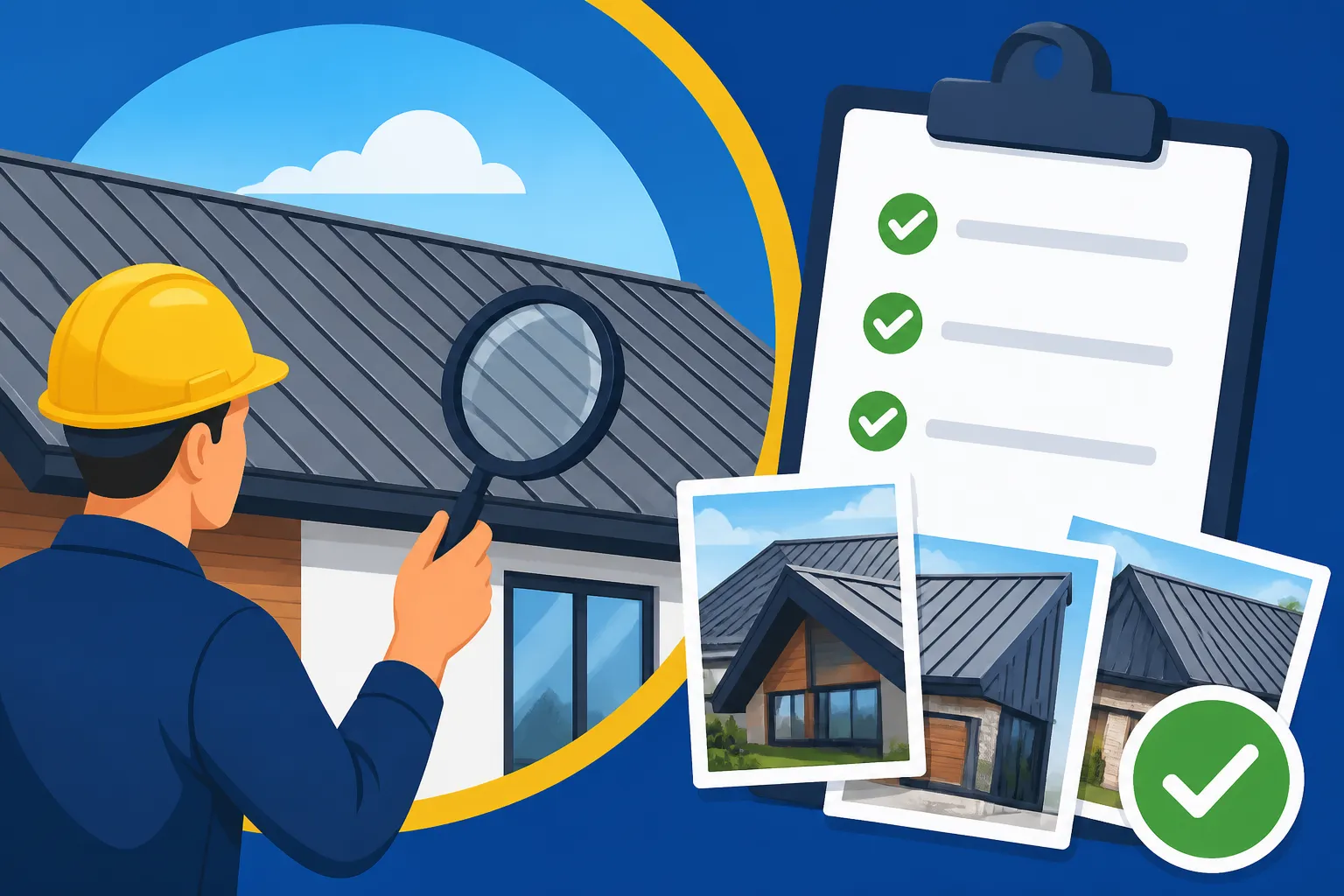
Beyond just phone calls, ask the contractor if you can drive by some of their completed projects. This is crucial for metal roofs, as you can often see the quality of seams, flashing, and overall panel alignment from the ground. If a contractor hesitates to provide references or discourages you from seeing past jobs, consider it a significant red flag. A truly confident contractor will be proud to show off their work. This is a critical step, similar to the advice in How to Check Roofing Contractor References.
What to Look For When Assessing Past Metal Roof Jobs
When you're driving by or, if permission is granted, looking more closely at a previous job site, what exactly should you be scrutinizing? There are distinct indicators of quality work, especially with metal roofing.
Quality of Workmanship and Materials Used
This is where your inner perfectionist needs to come out. Look closely at the details. Are the metal panels straight and uniformly aligned? Are the seams (especially on a standing seam roof) crisp, clean, and consistently folded or crimped? Jagged edges, inconsistent panel spacing, or visible distortions can indicate poor installation. Pay attention to the flashing around chimneys, skylights, and valleys. This is where many leaks originate if not installed correctly. Flashing should be neat, watertight, and properly integrated with the roof panels.
Consider the fasteners, particularly on exposed fastener systems like corrugated or R-panels. Are they straight, uniformly spaced, and properly seated? Over-tightened screws can dimple the panel and compromise the washer seal, while loose screws can lead to leaks and panel uplift. Also, inquire about the specific materials they used. Did they opt for quality metal (e.g., Galvalume or aluminum with a durable Kynar 500/PVDF coating) or a cheaper alternative? The gauge of the metal matters significantly for durability and wind resistance; a good contractor will use the appropriate gauge for your climate and roof type. A deeper understanding of Metal Roofing Types Explained: Profiles & Panels and Metal Roofing Materials Compared: Steel, Aluminum, Copper & Zinc will help you ask informed questions.
Professionalism and Project Management
Beyond the aesthetics of the roof itself, observe the overall condition of the property where the past job was done. Is it tidy? Are there any signs of debris left behind? A professional contractor takes pride in their work from start to finish, which includes respecting the homeowner's property and cleaning up thoroughly. When talking to references, ask about their experience with the project timeline. Did the contractor start and finish when they said they would? Were there unexpected delays, and if so, how were they communicated and managed?
A good contractor also maintains open lines of communication. They should provide clear updates, address concerns promptly, and have a designated point of contact for the project. Ask references if they felt informed and involved throughout the process. Did the contractor provide a clear, detailed contract outlining the scope of work, materials, payment schedule, and warranty information? A comprehensive contract is a hallmark of a professional operation, as discussed in What a Metal Roof Contract Should Include. Remember, even the most skilled installers can falter if the project isn't well-managed. Modernize aims to connect homeowners with professionals who adhere to high standards of project management, further ensuring a smooth process.
Red Flags and What to Do If You Can't Verify
Even with all your best efforts, sometimes you'll encounter situations where verification is difficult or impossible. It's crucial to recognize these warning signs and know when to step back.
Common Warning Signs of a Shady Contractor
If a contractor displays any of the following behaviors, it should trigger a serious re-evaluation:
- No References or Reluctance to Provide Them: This is a huge red flag. A good contractor will have a list ready and be eager for you to speak to past clients.
- Refusal to Let You See Past Jobs: Similarly, if they don't want you driving by completed projects, they might have something to hide.
- Demanding Full Payment Upfront: While a deposit is common, asking for a very large percentage or the entire cost before any work begins is a major warning sign. A typical deposit for roofing is around 10-30%, as outlined in Normal Deposit and Payment Schedule for a Roof.
- Cash-Only Deals or Pushy Sales Tactics: Be wary of contractors who insist on cash payments, especially if they offer steep discounts for it. This can be a way to avoid taxes and leave you with no recourse if issues arise. High-pressure sales tactics or contractors who show up uninvited after a storm (known as "storm chasers") are also red flags, as discussed in Metal Roofing Scams and Red Flags to Avoid.
- Lack of Proper Licensing, Insurance, or Bonding: Always verify their credentials. Unlicensed or uninsured contractors put you at extreme risk if there's an accident or property damage during the project.
- Vague Contracts or No Written Agreement: Everything should be in writing, with clear details on materials, scope, schedule, and warranties. If they offer a handshake deal or a minimal, unspecific contract, run!
- Extremely Low Bids: While a good deal is tempting, bids that are significantly lower than others often indicate cut corners, cheap materials, or hidden costs that will surface later. Getting How Many Metal Roof Quotes Should You Get helps establish a realistic price range.
When to Walk Away and Find a New Pro
If you encounter any of these red flags, or if your attempts to verify past jobs hit a dead end, it's always best to walk away. It might be inconvenient to start your search over, but it's far less painful and expensive than dealing with a botched roof installation. Trust your gut. If something feels off, it probably is.
Remember, you are in control. You're hiring a service, and you have every right to expect transparency and proof of competence. Don't let a contractor pressure you into making a decision you're not comfortable with. Take your time, do your homework, and choose a contractor who is truly transparent and has a verifiable history of excellent metal roofing work. Platforms like Modernize can be a valuable resource in this regard, as they pre-screen contractors and provide a baseline level of confidence, helping you connect with reputable options. By taking these steps, you'll be well on your way to a beautiful, long-lasting metal roof installed by a professional you can trust.
Disclaimer
Please remember that the information provided in this article is intended for general guidance and informational purposes only. While we strive to offer accurate and up-to-date content, metal roofing installations and contractor vetting can be complex and are subject to local regulations, building codes, and individual project specifics. Always consult with qualified and licensed metal roofing professionals and legal experts for advice tailored to your particular situation. We do not endorse any specific products, services, or contractors, and recommend independent verification of any company or professional before engaging their services.