Is It Normal to Pay 50% Upfront for a Roof
The idea of needing a brand-new roof can be daunting enough, but then comes the shock of the upfront payment. Many homeowners find themselves staring at a quote that demands 50% or more of the total cost before a single shingle or metal panel is even delivered, leaving them wondering if this is a legitimate request or a sign of trouble. This guide is here to demystify what's considered normal for metal roofing deposits, empowering you to navigate the process with confidence and protect your investment.
The Initial Sticker Shock: Why Upfront Payments Exist
Let's be honest, asking for a significant chunk of money upfront feels a bit uncomfortable, especially when you're talking about a major home improvement like a metal roof. But from a contractor's perspective, there are very real, practical reasons why these deposits are necessary. It's not always about trying to get one over on you; often, it's about covering immediate project expenses and managing business risk.
Covering Material Costs
Think about it: a metal roof isn't just a few sheets of tin. We're talking about high-quality steel, aluminum, copper, or zinc panels, specialized fasteners, underlayment, flashing, trim, and potentially a whole host of other accessories. These materials aren't cheap, and they often need to be custom-ordered or purchased in bulk.
A reputable metal roofing contractor needs to secure these materials well in advance to ensure they have everything on hand when the project starts. For a company like Modernize, or any other contractor, these aren't small purchases. They often deal with suppliers who require payment before shipment, especially for large orders. Your deposit helps the contractor cover these substantial initial outlays, reducing their immediate cash flow strain. Without a deposit, contractors would essentially be self-financing every project, which isn't sustainable for most small to medium-sized businesses. It ensures that when work begins, all necessary components are ready, preventing delays and keeping the project on track.
Mobilization and Early Labor
Beyond just materials, there's a lot of groundwork that happens before the first nail is driven. Mobilization costs include getting the necessary equipment to your property – scaffolding, dumpsters for the old roof tear-off, specialized tools for cutting and shaping metal panels, and safety gear for the crew. Then there's the initial labor, even before visible work begins. This could involve project planning, logistics coordination, administrative tasks like pulling permits, and preparing the site.
The deposit helps cover these immediate operational expenses. It ensures the contractor can pay their initial crew members, fuel their trucks, and secure any necessary rentals without dipping entirely into their own reserves. This early funding is crucial for maintaining momentum and allowing the contractor to allocate resources efficiently to your project. It’s the cost of getting the ball rolling and ensuring that once the team is on-site, they have everything they need to work safely and effectively.
Contractor's Cash Flow and Risk Mitigation
Running a contracting business, particularly in a specialized field like metal roofing, involves significant overhead. There are wages, insurance, vehicle maintenance, office expenses, and marketing, all of which require a consistent cash flow. Upfront payments contribute to this flow, preventing contractors from having to front all costs themselves for extended periods.
Moreover, deposits serve as a vital risk mitigation tool. Unfortunately, there are instances where homeowners might cancel a project at the last minute or even default on payments. A deposit offers the contractor some protection against these scenarios, covering at least a portion of the costs incurred before the project fully commences. It also demonstrates the homeowner's commitment to the project, fostering a more secure working relationship. For contractors, especially those working with specialized materials or on particularly large jobs, having a reliable upfront payment can make all the difference in their ability to take on and successfully complete projects without putting their business in a precarious financial position.
What's Considered "Normal" in Metal Roofing Deposits?
The "normal" amount for a roofing deposit isn't a one-size-fits-all number. It can swing quite a bit depending on where you live, the complexity of your project, and even the type of contractor you're working with. While 50% might feel high, there are scenarios where it falls within an acceptable range, and others where it should definitely raise a red flag.
Industry Standards and Regional Variations
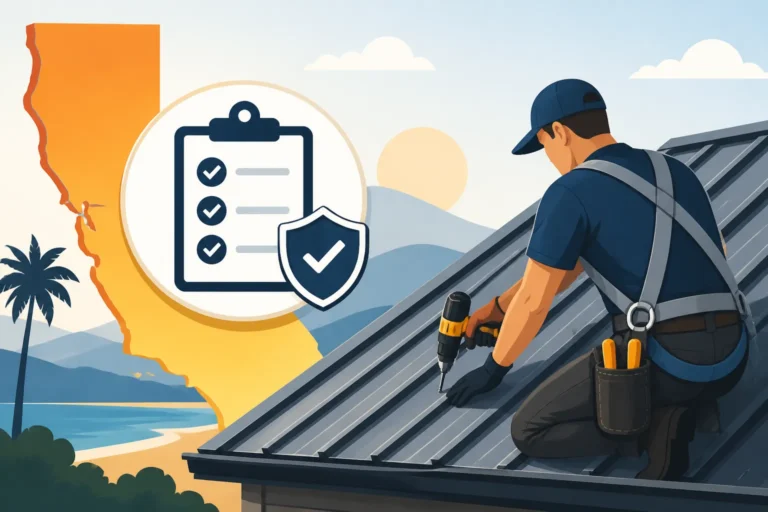
Generally, in the home improvement industry, a deposit of 10% to 30% of the total project cost is often considered standard. This covers the contractor's initial material and mobilization costs without placing an undue burden on the homeowner. However, specific state laws and regional practices can heavily influence these numbers. For instance, in California, contractors are legally limited to requesting a deposit of no more than 10% of the total contract price or $1,000, whichever is less, for home improvement projects. Other states might not have such strict caps, allowing for more flexibility.
In areas with highly competitive markets or where material supply chains are particularly stable, contractors might be more inclined to ask for a lower deposit. Conversely, in regions prone to severe weather events, where demand for roofing can surge, or where specialized materials are harder to source, a slightly higher deposit might become more common. This is why it's so important to not only understand general industry norms but also to research local regulations and typical practices in your specific area.
Factors Justifying a Higher Deposit
While 50% might initially seem steep, there are legitimate reasons why a contractor might request such a substantial deposit. Understanding these can help you evaluate if the request is reasonable for your specific situation.
- Specialized or Custom Materials: If you're opting for a premium metal roof material like copper or zinc, or if your chosen Standing Seam Metal Roof Cost involves custom-fabricated panels that can't be easily returned or repurposed, the material costs will be significantly higher. These materials often require a substantial upfront investment from the contractor, making a larger deposit more justifiable. Imagine ordering custom-cut architectural panels; the contractor needs to be sure you're committed before they place that non-refundable order.
- Large, Complex Projects: A particularly large roof, a roof with multiple valleys, dormers, or a very steep pitch, or one that requires extensive structural preparation will naturally involve higher material and labor costs. More intricate installations, like those for a Metal Roof Cost for a 2-Story House compared to a simple ranch, mean more upfront planning and potentially more specialized components. The larger the scale and complexity, the greater the contractor's initial financial outlay, and thus, a larger deposit can be reasonable to help cover these expanded costs.
- Contractor's Business Model: Smaller or newer contractors might rely more heavily on client deposits to manage their cash flow, as they may not have large credit lines or established relationships with suppliers that allow for extended payment terms. Conversely, larger, more established companies might have the financial stability to request lower deposits. It’s not necessarily a red flag, but it's something to consider when you're comparing bids and evaluating a contractor.
- High-Cost Areas or Volatile Material Markets: In regions where the cost of living and labor are high, or during periods of significant material price fluctuations (like we've seen with steel and aluminum recently), contractors face higher operating costs. A larger deposit helps buffer them against sudden price increases in materials that might occur between the time of the quote and actual purchase.
Red Flags and Protecting Yourself from Overpaying Upfront
While a significant deposit can sometimes be justified, it's crucial to differentiate between a reasonable request and a potential warning sign. Your goal is to protect your hard-earned money and ensure your project is in capable hands. Being informed and proactive is your best defense against potential issues.
When to Be Wary of a 50% Deposit Request
A 50% upfront payment isn't always a deal-breaker, but it should definitely prompt a deeper investigation. Here are some scenarios where a high deposit, especially 50%, might be a cause for concern:
- Insistence Without Justification: If a contractor demands 50% or more upfront and can't clearly articulate why they need such a large sum – specifically, what materials it covers and when those materials will be purchased and delivered – that’s a red flag. A transparent contractor should be able to break down their costs and explain their payment schedule. If they're vague or aggressive about it, proceed with caution.
- Lack of a Clear Payment Schedule: A reputable contractor will provide a detailed contract outlining not just the total cost, but also a clear payment schedule tied to project milestones. If they just want 50% upfront and then "the rest when it's done," without any intermediate progress payments, that's a sign of potential trouble. You want your payments to align with tangible progress on your roof.
- Unestablished or Unverified Contractors: Be extremely cautious if a lesser-known contractor, or one with minimal online presence or references, asks for a large deposit. This could indicate a lack of financial stability or, worse, a "storm-chaser" type who takes deposits and disappears. Always verify their credentials and track record. Learning How to Hire a Metal Roofing Contractor involves due diligence on this front.
- High-Pressure Sales Tactics: If you feel rushed, pressured, or threatened with price increases if you don't sign and pay immediately, step back. Reputable contractors provide clear quotes and allow you time to make an informed decision. High-pressure tactics, especially combined with a demand for a large upfront payment, are classic indicators of Metal Roofing Scams and Red Flags to Avoid.
Essential Steps Before Paying Any Deposit
Before you hand over any money, even a small deposit, there are critical steps you must take to safeguard your investment and ensure you're working with a legitimate and capable professional.
- Verify Licensing, Insurance, and Bonding: This is non-negotiable. Always confirm that your contractor is properly licensed for roofing work in your state or locality. You can often check this through your state's contractor licensing board or consumer protection agency. For example, learning How to Verify a Roofing License by State is a crucial step. They should also carry adequate liability insurance and workers' compensation insurance to protect you from financial responsibility if there's an accident on your property. Ask for certificates of insurance directly from the insurer, not just a copy from the contractor. While not always legally required, bonding provides an extra layer of protection, guaranteeing that if the contractor fails to complete the work or defaults on payments, you have recourse.
- Check References and Reviews: A good contractor will have a track record of satisfied customers. Ask for a list of recent clients you can contact, and actually call them. Inquire about their experience with the contractor, the quality of the work, adherence to timelines, and how any issues were handled. Complement this by checking online review sites like Google, Yelp, and industry-specific platforms. Look for consistent positive feedback and how the contractor responds to negative reviews.
- Get Multiple Bids: Don't settle for the first quote you receive. Always get at least three detailed bids from different contractors. This helps you understand the average cost for your project in your area and ensures you're getting a fair price. It also provides a baseline for comparing payment terms. When you receive quotes, make sure you know How Many Metal Roof Quotes Should You Get to make an informed decision.
- Review the Contract Thoroughly: Never sign a contract you don't fully understand. The contract should clearly outline the scope of work, specific materials to be used (including brand, color, gauge), the total cost, the complete payment schedule with specific milestones, start and completion dates, and warranty information. Look for clauses related to change orders, dispute resolution, and lien waivers. If anything is unclear, ask questions. The guide on What a Metal Roof Contract Should Include is an excellent resource for this step. Consider having an attorney review significant contracts. For contractors on platforms like Modernize, their network typically pre-vets professionals, but independent verification is still your best practice.
- Discuss Payment Schedules and Milestones: Openly discuss the payment schedule with your chosen contractor. If they're asking for 50% upfront and you're uncomfortable, propose an alternative that ties payments to tangible progress. For example, 10-20% upfront to order materials, another 30% when materials are delivered and tear-off is complete, another 30% when the metal panels are installed, and the final 20% upon satisfactory completion and final inspection. A fair contractor should be willing to negotiate a reasonable payment plan.
Negotiating Payment Terms and Alternatives
Feeling uncomfortable with a 50% upfront payment is perfectly valid. The good news is that payment terms are often negotiable, and there are ways to structure a deal that provides security for both you and your contractor. Don't be afraid to advocate for a payment plan that makes you feel secure and comfortable with your investment.
Strategies for a More Favorable Payment Schedule
When discussing payment with your contractor, think of it as a partnership. They need to cover their costs, but you also need assurance that the work will be completed as promised.
- Propose Smaller Initial Deposits with Progress Payments: Instead of a large lump sum upfront, suggest a smaller initial deposit, perhaps 10-25%, specifically to cover material ordering. This is a common and reasonable request. Then, break down the remaining payments into stages tied to specific project milestones. For instance, a payment could be due when:
- All materials are delivered to your property.
- The old roof has been completely torn off and debris removed.
- Underlayment and flashing are installed.
- A significant portion of the metal panels are installed.
- The project is substantially complete and ready for final inspection.
This method ensures that your payments are directly linked to tangible progress on your roof, giving you greater control and reducing your risk.
- Tie Payments to Project Milestones (Example):
- 10-25% Initial Deposit: To secure the contractor's services, schedule the project, and begin ordering primary materials (e.g., Aluminum Roof Cost panels or Galvalume Roof Cost panels).
- 25-35% Material Delivery/Phase 1 Completion: Upon verification that all significant materials have arrived on-site and initial preparatory work, like tear-off, is complete.
- 25-35% Mid-Project Completion: When a major portion of the new metal roofing system is installed and watertight.
- 10-20% Final Payment: Only when the entire project is completed to your satisfaction, all inspections have passed, and you’ve confirmed that all contractual obligations, including cleanup, have been met. This final payment holds the contractor accountable for finishing strong.
The Role of Escrow Accounts and Project Financing
For those who want an extra layer of financial security, or need assistance funding the project, there are other options to explore.
- Escrow Accounts: An escrow account involves a neutral third party holding the funds for your roofing project. You deposit the payment into this account, and the escrow agent releases funds to the contractor based on agreed-upon milestones and your approval. This means the contractor doesn't receive the money until they've delivered on their promises, providing excellent protection for the homeowner. While more common for very large projects or new home construction, some homeowners choose this for significant roofing investments. Be aware that escrow services come with fees.
- Project Financing: Many contractors, including those within networks like Modernize, offer financing options directly or through third-party lenders. This allows you to pay for your roof over time, often with competitive interest rates. Exploring Metal Roof Financing Options can alleviate the burden of a large upfront payment entirely. Alternatively, you might consider a home equity loan, line of credit, or personal loan from your bank. Just be sure to compare interest rates and terms carefully to find the best fit for your financial situation.
Don't Compromise on the Contract
No matter what payment schedule you agree upon, it is absolutely paramount that every detail is explicitly written into a comprehensive contract.
- Ensure All Payment Terms Are in Writing: The contract must clearly state the total cost, the exact amount and due dates for each payment, and the specific milestones that trigger those payments. Vague language like "payment due upon completion of work" for a large chunk of money is not acceptable. Every single detail should be clearly articulated, just as you would expect when you How to Read and Compare Metal Roof Quotes.
- Scope of Work, Materials, and Timelines: Beyond payments, ensure the contract details the exact scope of work, including specific brands and gauges of metal panels (e.g., 24 gauge steel versus 26 gauge), underlayment, flashing, and trim. It should also include a projected start date, completion date, and a plan for handling delays or unforeseen issues.
- Discuss the Implications of Paying Cash: While paying cash might seem like a way to save money, it can also come with risks. Always get a detailed, itemized receipt for any cash payments. Some contractors might offer a discount for cash, but if they insist on cash only and are unwilling to provide proper documentation or a formal contract, this is a major red flag. For more on this, check out Should You Pay a Roofer in Cash?. A proper paper trail is your best defense if a dispute arises.
Understanding Your Rights and State Regulations
Navigating roofing contracts and payments can feel overwhelming, but understanding your rights and the legal landscape is a powerful tool. Many states have regulations in place specifically designed to protect consumers in home improvement projects, including limits on upfront deposits.
State-Specific Deposit Laws
It's a common misconception that contractors can demand any upfront payment they want. In reality, many states have laws dictating the maximum deposit a home improvement contractor can request. These laws are put in place to protect homeowners from unscrupulous contractors who might take large deposits and then fail to perform the work.
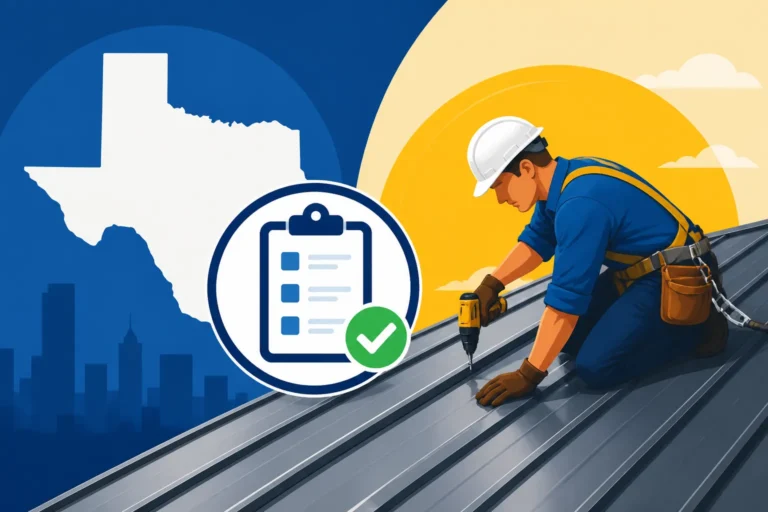
For example, as mentioned earlier, California Business and Professions Code Section 7159 specifies that a contractor cannot demand or receive a down payment of more than 10% of the contract price or $1,000, whichever is less, for home improvement projects. This is a very strict limit. Other states, while not always as stringent, often have some form of regulation. Texas, for instance, does not have a statewide cap on residential construction deposits but relies on contract law and common consumer protection statutes. Florida's regulations can be complex, often depending on the project type and the contractor's licensing.
Before signing any contract or handing over a deposit, it is highly advisable to research your specific state and local consumer protection laws regarding contractor deposits. A quick search of "[Your State] contractor deposit limits" should give you the information you need. If a contractor asks for more than the legal limit, they are operating outside the law, and you should immediately consider it a significant red flag.
The Importance of a Detailed Contract
We've touched on this before, but it bears repeating: your contract is your most critical document. It's not just a formality; it's a legally binding agreement that defines the entire scope of your metal roofing project and your financial obligations.
- Clear Scope of Work: A robust contract will explicitly detail every aspect of the metal roof installation. This includes the exact type of metal (e.g., Galvalume Roof Cost Per Square Foot or Steel Roof Cost Per Square Foot), the gauge (e.g., 24 gauge vs 26 gauge), the color, the profile (e.g., standing seam, corrugated, metal shingles), and all accessory components like underlayment, flashing, and fasteners. It should also cover the tear-off of the old roof, debris removal, and any necessary decking repairs or modifications. Ambiguous language here can lead to costly misunderstandings or quality compromises.
- Start and End Dates: The contract should provide realistic start and estimated completion dates. While weather and unforeseen circumstances can cause delays, the contract should ideally include provisions for how delays will be communicated and managed. This protects you from projects that drag on indefinitely.
- Warranties: Clearly defined warranties are paramount for a metal roof. The contract should specify both the manufacturer's warranty on the materials (which can often be 30-50 years or even lifetime) and the contractor's workmanship warranty (typically 5-25 years). Understand what each warranty covers, for how long, and what steps you need to take to keep them valid. Check out Metal Roof Warranties: Workmanship vs Manufacturer for a deeper dive into this.
- Lien Waivers: This is a crucial protection. A lien waiver is a document from the contractor, subcontractors, or material suppliers stating that they have been paid for their services and materials and therefore waive their right to place a mechanic's lien on your property. Requesting lien waivers, especially for progress payments, ensures that you won't be held responsible if your contractor fails to pay their subs or suppliers. Understanding Lien Waivers and Roofing: What to Know is vital for any homeowner undertaking a major renovation.
Here’s a table summarizing typical payment scenarios and what they might imply:
| Deposit Percentage | Common Justification | Potential Red Flags (if unjustified) | Homeowner Risk Level |
|---|---|---|---|
| 10-25% | Standard for material ordering, scheduling, initial costs. Good faith payment. | None, if contract is solid and contractor is vetted. | Low |
| 25-40% | Covers significant material costs for specialized or custom orders. Moderate project complexity. | Lack of transparency on what the extra percentage covers. | Medium |
| 50% | Highly specialized materials (e.g., copper), very large/complex project, custom fabrication. Volatile material market. | Contractor is new/unestablished, lacks funds, high-pressure tactics, vague contract, no clear milestones. | High |
| >50% | Almost never justified for residential roofing. | Major red flag. Contractor likely financially unstable or disreputable. | Very High |
| 100% Upfront | Absolutely never acceptable for residential roofing. | Definite scam. Avoid at all costs. | Extreme |
Ultimately, your goal is to find a balance where the contractor feels secure enough to start the work, and you feel protected from financial risk. Don't hesitate to ask questions, negotiate, and walk away if a contractor's demands feel unreasonable or if they're unwilling to provide transparency and security. Your metal roof is a long-term investment, and the process of getting it installed should feel secure every step of the way.
Disclaimer
This article is intended for informational purposes only and does not constitute professional financial or legal advice. Always consult with a qualified legal or financial professional for advice tailored to your specific situation. State and local laws regarding contractor deposits and contracts can vary significantly, and it is the homeowner's responsibility to verify all applicable regulations.