Metal Roofing Contractors Near Me: How to Find & Vet
Finding the right professional to handle a metal roof installation is often the difference between a lifetime of security and a decade of frustrating leaks and repairs. Many homeowners realize their current roof is failing during a heavy rainstorm in cities like Seattle or after a brutal hailstorm in Dallas, leading to a frantic search for a reliable local expert. This guide breaks down the complex process of finding and vetting metal roofing contractors to ensure your investment is protected by high-quality craftsmanship.
Why Specialized Expertise Matters for Metal Roofing
A common mistake many homeowners make is assuming that any reputable roofing company can handle a metal installation. While asphalt shingles are relatively forgiving and follow a standard installation pattern, metal is an entirely different beast. It requires a specific set of tools, a deep understanding of thermal expansion, and precision that only comes with years of experience in this specific niche. If you hire someone who primarily does shingles, you might find yourself dealing with "oil canning" or improperly tightened fasteners within the first year.
The Technical Precision of Metal Systems
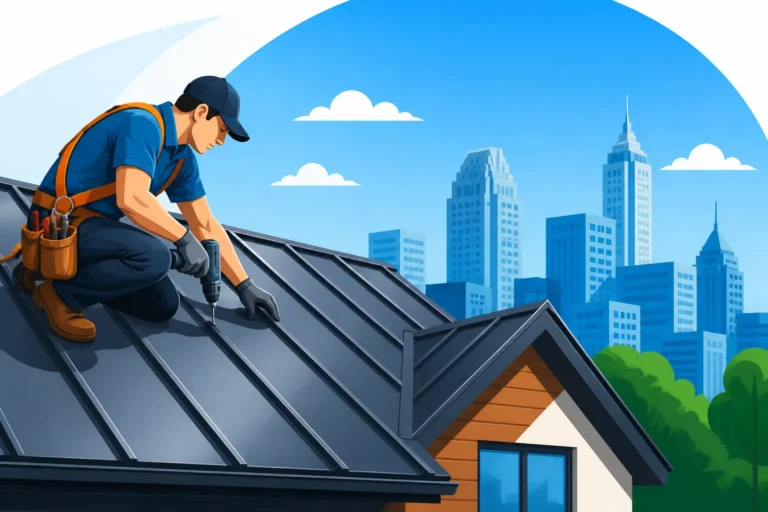
Metal panels are not just nailed down; they are engineered systems. Whether you are looking at a standing seam profile or corrugated panels, the contractor must account for the way metal expands and contracts as the sun hits it. In places like Phoenix or Las Vegas, where the temperature swings between day and night are extreme, an inexperienced roofer might pin the panels too tightly, causing them to buckle or pull the screws out over time. A specialist knows how to use floating clips and specialized folding tools to allow the roof to "breathe" without losing its structural integrity.
Furthermore, the cutting of the metal itself requires specialized equipment. You never want to see a contractor using a high-speed circular saw with a standard blade, as the heat can melt the protective Galvalume or paint coating, leading to premature rust along the edges. A true professional will use shears or nibblers. When you begin your search, understanding these technical requirements helps you identify who actually knows what they are doing. This is why learning How to Hire a Metal Roofing Contractor involves looking for these specific technical cues during the initial consultation.
Avoiding the Pitfalls of Generalist Roofers
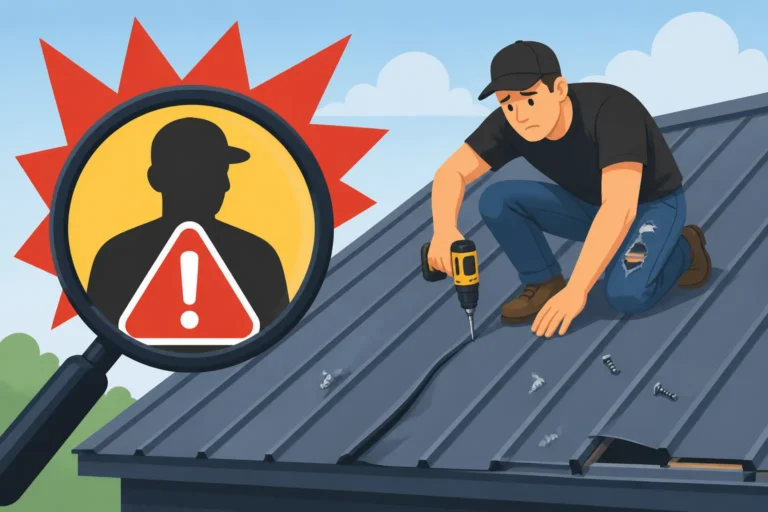
General contractors or shingle-focused roofers often try to "dabble" in metal because of the higher profit margins. However, their lack of specialized training can lead to catastrophic failures at the roof's most vulnerable points, such as the valleys, hips, and chimney flashings. Metal roofing requires custom-bent flashing that matches the specific profile of the panel. A generalist might try to use "universal" flashing or, worse, rely on excessive amounts of sealant and caulk to bridge gaps.
Over time, that caulk will dry out and crack under the intense UV rays of the sun, especially in high-heat states like Florida or Arizona. A specialist, on the other hand, relies on mechanical seals and proper overlapping techniques that don't depend on temporary adhesives. When vetting, you should ask how they handle complex transitions. If their answer involves "a lot of high-grade silicone," it is usually a sign to keep looking. You want someone whose primary business is metal, not someone who does it "on the side."
Long-Term Performance and Warranty Protection
The longevity of a metal roof is its biggest selling point, but that lifespan is directly tied to the quality of the install. Many manufacturers of high-end metal panels will only honor their material warranties if the roof was installed by a certified professional. If a local "handyman" installs your expensive standing seam system and a leak develops five years later, you might find your warranty claim denied because the installation didn't meet the manufacturer’s strict specifications.
Hiring a specialist ensures that the underlayment, the ventilation system, and the fasteners all work in harmony to meet the requirements of the warranty. This long-term thinking is essential. You aren't just paying for a roof for the next ten years; you are paying for a 50-year solution. Choosing a contractor who understands the intricacies of Metal Roof Warranties: Workmanship vs Manufacturer is a critical step in the vetting process that protects your financial interest for decades to come.
Where to Start Your Search for Local Metal Experts
The journey to a new roof usually begins with a search engine, but you have to know how to filter the noise. Simply typing "roofers near me" into Google will provide a list of the companies with the biggest marketing budgets, not necessarily the best metal installers. You need to look for businesses that specifically highlight metal in their portfolios and have a long-standing physical presence in your community.
Navigating Online Reviews and Local Directories
While sites like Yelp and Google Reviews are helpful, you have to read between the lines. Look for reviews specifically mentioning metal projects. A company might have five stars for a hundred shingle jobs but have zero experience with a 24-gauge standing seam install. Pay attention to how the company responds to negative feedback. If a homeowner in a nearby town like Marietta or Naperville complained about a leak and the company was out the next day to fix it, that’s actually a green flag. It shows they stand behind their work.
Check the Better Business Bureau (BBB) as well, but don't stop there. Look at local Facebook community groups. Ask your neighbors in the "Nextdoor" app if they have a metal roof and who they used. People are usually very vocal about their roofing experiences because it is such a high-ticket item. You want to find names that come up repeatedly for their professionalism and honesty, rather than just the cheapest price.
Utilizing Manufacturer Certification Programs
One of the most effective ways to find a top-tier installer is to work backward from the manufacturers. Major brands like Metal Sales, Drexel Metals, and Englert have "certified" or "preferred" installer programs. These contractors have gone through factory training and have been vetted by the manufacturer to ensure they are using the correct techniques. You can often go to the manufacturer's website, enter your zip code, and get a list of high-quality pros in your area.
Using these lists significantly narrows your search to people who are already qualified. This is a huge time-saver and adds a layer of security to your project. When you realize that Manufacturer-Certified Metal Roof Installers Explained means the company has been trained on specific profiles, you gain confidence that your roof won't be a "trial and error" project for a new crew. These installers are often given access to better warranties, which they can then pass on to you.
Scouting Local Job Sites and Physical Portfolios
If you see a metal roof being installed in your neighborhood, don't be afraid to pull over and look at the sign in the yard. Seeing a crew in action tells you a lot about their professionalism. Is the job site clean? Are the workers wearing safety harnesses? Are they using the proper tools, or do you see them manhandling the panels? A tidy job site usually reflects a tidy and precise installation.
When you call a contractor, ask if they have a local job they recently finished that you can drive by. Most proud contractors will be happy to give you an address of a satisfied customer. Driving by a house in a nearby suburb allows you to see how the roof looks after it has settled. Look for straight lines, clean edges at the gutters, and how they handled the ridge caps. This real-world inspection is worth more than a thousand glossy photos on a website.
Vetting Licenses, Bonding, and Insurance
Once you have a shortlist of three to five contractors, it’s time to get into the "unsexy" but vital paperwork. Roofing is a dangerous and expensive business, and if your contractor isn't properly covered, the liability could fall directly on you. Never take a contractor’s word that they are "fully insured"—always ask to see the certificates and verify them with the issuing agency.
Verifying State and Local Licensing
Licensing requirements for roofing vary wildly from state to state. For example, in Florida, roofing contractors must be licensed by the state and meet strict requirements for insurance and experience. In other states, like Texas, there is no state-mandated license for roofing, which means anyone with a truck and a ladder can call themselves a roofer. This makes the vetting process even more critical depending on where you live.
Check with your local building department to see what the requirements are for your specific city or county. Even in states without a state license, many cities require a local registration or a "master roofer" designation. A reputable contractor will be proud to show you their credentials. Understanding the nuances of Metal Roof Contractor Licensing, Bonding & Insurance is your first line of defense against "storm chasers" who disappear as soon as the check clears.
The Importance of Workers' Compensation and Liability
Roofing carries one of the highest injury rates in the construction industry. If a worker falls off your roof and the contractor doesn't have Workers' Compensation insurance, that worker could potentially sue you for their medical bills and lost wages. This is a nightmare scenario that happens more often than people think. Ensure the policy is active and covers the specific number of employees on your job site.
General Liability insurance is equally important. This protects your property. If a sudden rainstorm occurs while your roof is open and the contractor didn't properly tarp it, resulting in $20,000 of interior water damage, their liability insurance should cover the repairs. If they don't have it, you’ll be fighting them in court or paying out of pocket. Always verify that their policy limit is high enough to cover the total value of your home.
Understanding the Role of Bonding
While insurance protects against accidents, a bond protects against the contractor’s failure to complete the job or pay their bills. A "performance bond" ensures that if the contractor goes out of business halfway through your project, the bonding company will provide funds to get the job finished. A "payment bond" ensures that the contractor pays their suppliers and subcontractors.
Without a payment bond (or lien waivers), a supplier could place a "mechanic’s lien" on your house if the contractor took your money but never paid for the metal panels. This means you could effectively end up paying for your roof twice to clear the title of your home. When you are looking at How to Check Roofing Contractor References, ask previous clients if they received lien waivers upon final payment. It is a sign of a high-functioning, honest business.
| Insurance Type | What it Protects | Why You Need It |
|---|---|---|
| General Liability | Your home and property | Covers damage caused by the contractor's mistakes. |
| Workers' Comp | The workers on your roof | Prevents you from being sued for on-site injuries. |
| Surety Bond | The completion of the project | Financial guarantee that the work will be finished. |
| State License | Your legal standing | Proves the contractor has met minimum state standards. |
Assessing Experience and Portfolio Work
Experience in metal roofing is measured in years and "squares" (a 10×10 foot area of roofing). You want a contractor who has installed hundreds of metal roofs, not just a handful. When you sit down with a potential hire, ask for a portfolio that includes photos of the specific type of metal roof you want. If you want a copper roof, but their portfolio is 100% steel panels, they might not be the right fit for the unique soldering skills copper requires.
Requesting a Detailed Portfolio of Past Jobs
A professional portfolio should show more than just the finished "beauty shot" from the curb. It should include progress photos that show what is happening underneath the metal. You want to see the underlayment, the flashing around the chimneys, and the way they handled tricky corners. This shows that they are proud of the "hidden" parts of the roof that actually keep the water out.
Look for consistency in their work. If one roof looks great but another has wavy panels (oil canning) or messy trim, it indicates an inconsistent crew. In places with high architectural standards, like Charleston or San Francisco, you want to see that the contractor can handle the aesthetic demands of the neighborhood as well as the structural ones.
The Art of Interviewing Previous Clients
Don't just ask for a list of references; actually call them. When you get a previous customer on the phone, ask specific questions. Was the project finished on time? Did the price change halfway through? How did the crew treat their property? Did they find nails in the driveway for months afterward? Most importantly, ask: "If you had to do it again, would you hire them?"
The best references are those from three to five years ago. This gives the roof enough time to have faced a few seasons of weather. A roof that looks good on day one might start leaking at the ridge vent after three winters. Taking the time for How to Check Roofing Contractor References allows you to see the "long-term" version of the contractor's work, which is much more valuable than a "honeymoon phase" testimonial.
Looking for Specific Metal Profiles
There is a massive difference between installing an exposed-fastener "tuff rib" panel on a barn and a concealed-fastener standing seam system on a luxury home. Ensure your contractor has experience with the specific profile you have chosen. Standing seam requires specialized seamers—either manual or electric—and a high degree of skill in detailing the eaves and gables.
If you are interested in stone-coated steel or metal shingles, ask about their experience with those specific brands (like DECRA or Boral). These products often require a batten system for installation, which is a completely different workflow than flat-panel metal. Your contractor should be able to explain the pros and cons of each system as it relates to your specific roof pitch and local climate.
The Consultation and Quoting Process
The first meeting with a contractor is like a first date; you are looking for compatibility, honesty, and clear communication. A good contractor will spend a significant amount of time on your roof (or using high-tech drone/satellite imagery) before giving you a price. They should be looking at your attic ventilation, the condition of your decking, and any potential problem areas like "dead valleys" where water might collect.
What to Expect During an On-Site Inspection
During the inspection, the contractor should be checking the "bones" of your house. Metal is lighter than shingles, but it requires a very flat surface. If your roof deck is warped or rotting, the metal panels will show those imperfections, a phenomenon known as "telegraphing." A thorough pro will explain that they might need to replace some plywood sheets once the old roof is torn off.
They should also discuss your attic’s "breathability." Metal roofs can lead to condensation issues if the attic isn't properly vented. If a contractor doesn't mention intake and exhaust vents, that is a major red flag. They should be looking at your soffits and your ridge line to ensure that air will flow freely. This level of detail is a hallmark of someone who understands the science of roofing, not just the assembly.
Comparing Quotes Apples-to-Apples
When the quotes start coming in, don't just look at the bottom number. You need to see a line-item breakdown. One contractor might be $5,000 cheaper because they are using a lower-grade underlayment or reusing your old, rusty flashing. A high-quality quote will specify the gauge of the metal (24 gauge is thicker and better for residential than 29 gauge), the type of paint coating (PVDF/Kynar 500 is the industry gold standard), and the specific brand of accessories.
Compare the scope of work. Does it include the "tear-off" and disposal of your old shingles? Does it include a new drip edge? Is there a provision for "hidden damage" like rotten wood? If you don't see these details, you are opening yourself up to "change orders" later that will balloon your budget. Learning How to Read and Compare Metal Roof Quotes will help you spot the difference between a "bargain" and a "rip-off."
Red Flags During the Initial Meeting
Trust your gut. If a contractor is pushy, uses high-pressure sales tactics (like "this price is only good for today"), or asks for a massive cash deposit upfront, walk away. A reputable company should have enough liquid capital to order your materials without needing 50% of the money the day you sign the contract.
Another red flag is a contractor who discourages you from getting permits. Permits are there for your protection; they ensure a city inspector checks the work to make sure it meets the local building code. If they want to "save you money" by skipping the permit, they are likely trying to hide something or aren't properly licensed. Be sure to familiarize yourself with Metal Roofing Scams and Red Flags to Avoid so you can recognize these warning signs before you lose any money.
Understanding Warranties and Contracts
The contract is the most important document in your roofing journey. If it isn't in writing, it doesn't exist. Never rely on verbal promises made by a salesperson. Your contract should be a comprehensive roadmap of the project, including the start date, the estimated completion date, and a detailed list of materials.
Workmanship vs. Manufacturer Warranties
It is vital to understand that you are dealing with two separate warranties. The manufacturer’s warranty covers the "stuff"—the metal, the paint, and the fasteners. This usually protects against things like the paint peeling or the metal rusting through for 30 to 50 years. However, this warranty does not cover leaks caused by poor installation.
The Workmanship Warranty is provided by the contractor and covers the "labor." This is usually much shorter—anywhere from two to ten years. If a leak develops because a worker forgot to flash a vent pipe correctly, this is the warranty you will use. When interviewing, ask: "If my roof leaks in five years, who do I call, and how fast will you be here?" A company that has been in business for 20 years is more likely to be around to honor that warranty than a "newbie" who just started last year. Check our guide on Metal Roof Warranties: Workmanship vs Manufacturer for more details.
Key Clauses Every Metal Roofing Contract Needs
Your contract should include a "right to rescind," which gives you a few days to change your mind after signing. It should also include a "clean-up clause," stating that the contractor is responsible for removing all debris and using a magnetic sweep to pick up stray nails. This is especially important with metal roofing, as metal off-cuts can be incredibly sharp and dangerous for pets and children.
Additionally, ensure there is a "termination clause" that explains how you can end the relationship if the contractor fails to perform. You should also see a "specification of materials" section. Instead of just saying "metal panels," it should say "24-gauge standing seam panels with Kynar 500 finish in Forest Green." This prevents the contractor from swapping in a cheaper product once the job starts. Review What a Metal Roof Contract Should Include before you sign anything.
Payment Schedules and Deposit Norms
The payment schedule should be tied to milestones. A common and fair structure is 10% to 33% upon signing (to cover the cost of ordering custom-cut materials), a second payment when the materials are delivered to your driveway, and the final payment only after the job is 100% complete and you have signed off on the work.
Never pay the full amount upfront. A reputable contractor will have the credit lines necessary to handle the labor costs until the job is finished. If they are desperate for the final check before the ridge cap is even on, it's a sign of financial instability. Knowing How Many Metal Roof Quotes Should You Get helps you establish what a "normal" payment schedule looks like in your specific region.
Specialized Considerations for Local Climates
The "best" metal roof is often determined by where you live. A contractor in a coastal town like Mobile, Alabama, needs to have a completely different strategy than a contractor in a mountain town like Vail, Colorado. When vetting local pros, ask how they adapt their installation techniques to the local weather patterns.
Metal Roofing in High-Wind and Hurricane Zones
If you live in a hurricane-prone area, your contractor must be well-versed in "wind uplift" ratings. In Florida, for example, the building code is incredibly strict regarding how many clips are used per linear foot and how those clips are fastened to the deck. A specialist will know exactly what the local inspectors are looking for.
They should also be talking to you about "impact resistance." Metal roofs are usually Class 4 rated, meaning they can withstand large hailstones without puncturing. However, in places like Oklahoma City, you want to make sure the contractor is installing a gauge that can handle the local storm intensity. Ask if they have experience with the FORTIFIED Roof Program, which provides insurance discounts for extra-strong installations.
Snow Loads and Ice Dams in Cold Climates
In northern states like Minnesota or Maine, the biggest threat to a roof is snow and ice. A metal roof is excellent for these areas because it allows snow to slide off easily, preventing the heavy weight of "snow loading." However, this creates a secondary danger: a "roof avalanche" that can crush gutters, shrubs, or even people below.
A knowledgeable contractor in these regions will automatically suggest snow guards—small brackets that hold the snow in place so it melts slowly rather than sliding off all at once. They should also be experts in preventing ice dams through proper attic insulation and ventilation. If your contractor doesn't mention snow guards in a snowy climate, they aren't looking out for your safety or the long-term health of your home.
Finalizing Your Decision and Preparing for Work
After checking the references, reading the contracts, and comparing the quotes, the choice usually becomes clear. The best contractor is rarely the cheapest one; they are the one who communicated most clearly and demonstrated the deepest technical knowledge. Once you've made your choice, there are a few final steps to ensure the installation goes smoothly.
Timeline and Project Management
Ask for a realistic timeline. A metal roof installation usually takes longer than a shingle roof. A standard 2,000-square-foot house might take three to five days depending on the complexity. If the weather is bad, it could take longer. Ask how they protect the house overnight if the roof is partially removed.
You should also have a designated point of contact. Is it the owner of the company, or a project manager? You don't want to be playing phone tag with a salesperson who has already moved on to the next lead. Having a clear line of communication ensures that if you have a question about where they are parking their trailer or where they are storing the panels, you can get an answer immediately.
Post-Installation Cleanup and Inspection
The job isn't over when the last panel is clicked into place. The contractor should perform a final walkthrough with you. They should show you how the flashing looks around the chimney and ensure all the gutters are clear of metal shavings. Small metal "swarf" (shavings from drilling) can rust quickly and stain your new roof if not swept off.
Ensure they use a high-powered magnet to sweep your lawn and driveway. Metal roofing involves thousands of tiny screws and sharp off-cuts that can easily hide in the grass. Only after you are satisfied with the cleanup and the visual inspection should you hand over the final check. This final step is the culmination of all your hard work in Questions to Ask a Metal Roofing Contractor Before You Hire and ensures you walk away with a roof that will protect your home for the next half-century.
Disclaimer
The information provided in this guide is for informational purposes only and does not constitute professional legal, financial, or construction advice. Always verify contractor licenses and insurance with your local and state authorities before signing any contracts or issuing payments. Roofing involves significant safety risks; always hire qualified professionals for on-site inspections and labor.