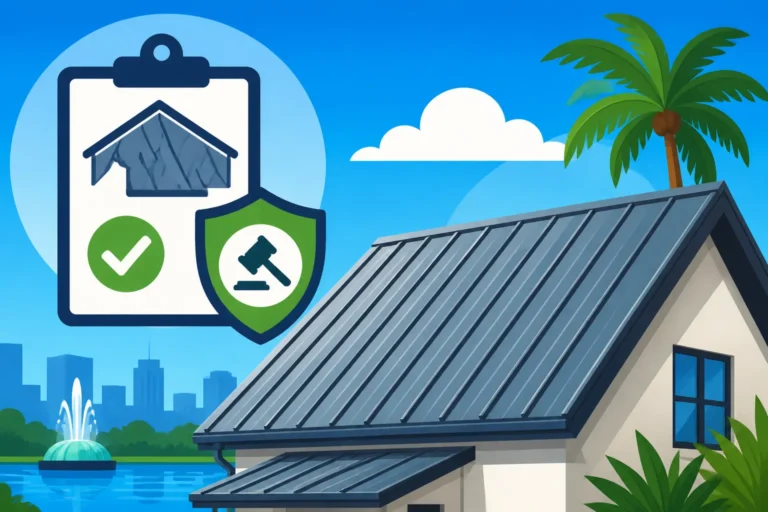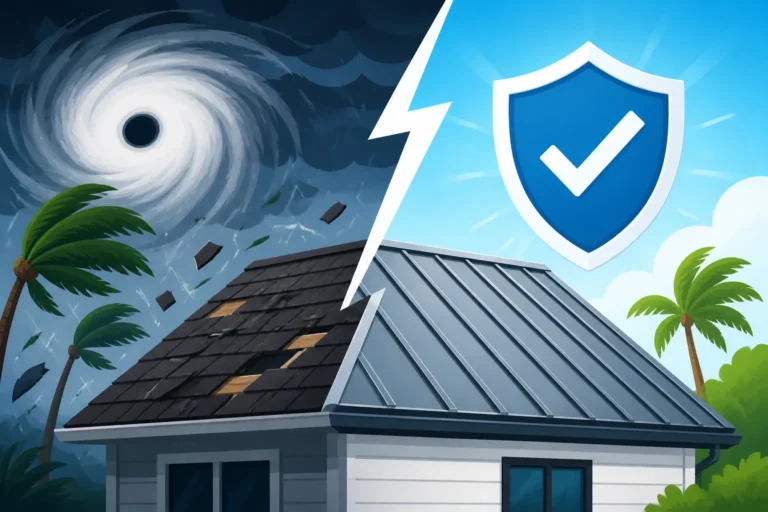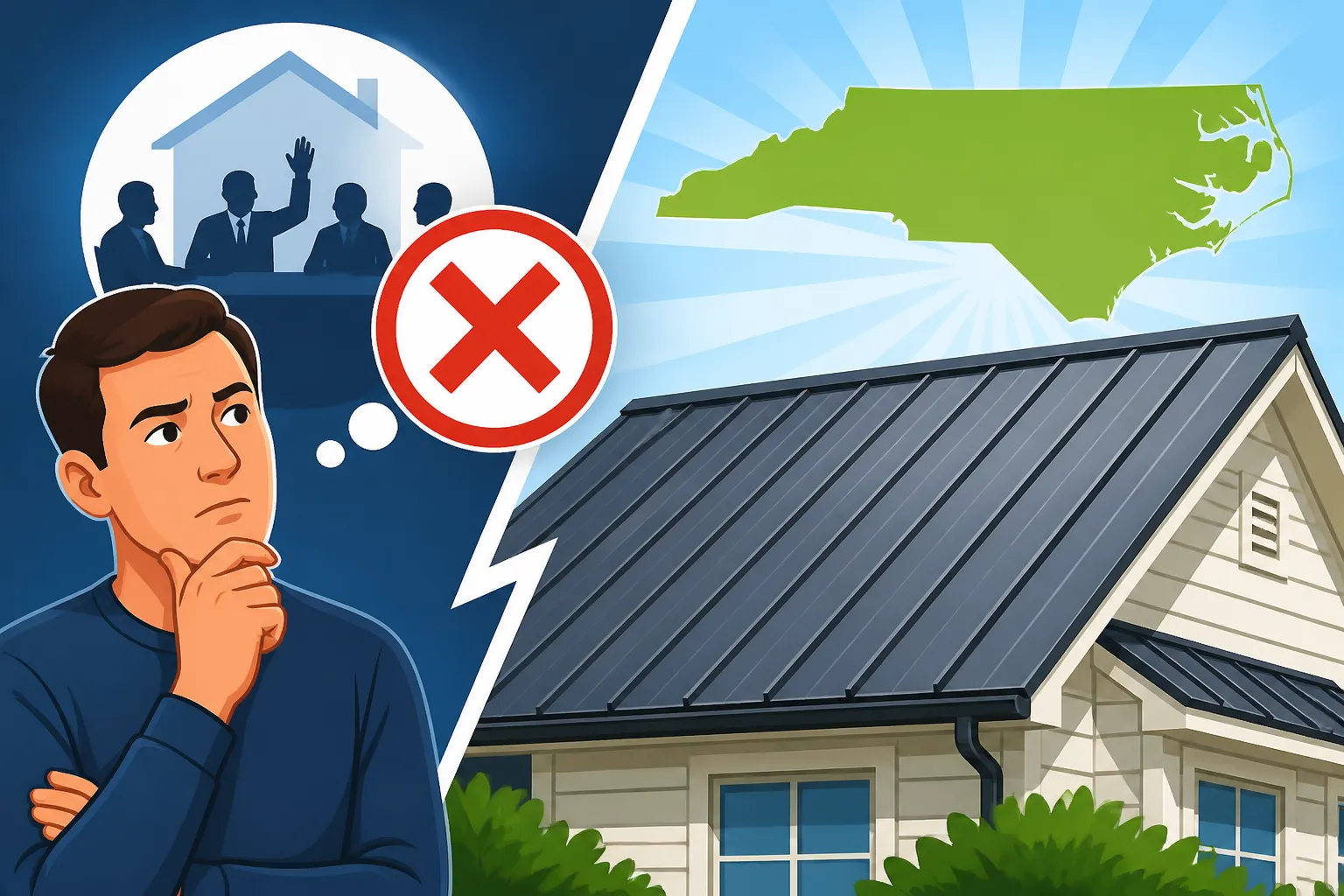
Can My HOA Stop Me From Getting a Metal Roof in North Carolina?
Dealing with your Homeowners Association (HOA) can feel like navigating a labyrinth, especially when you have a big home improvement project in mind like installing a metal roof. Many homeowners in North Carolina dream of the durability, energy efficiency, and modern aesthetic a metal roof provides, only to hit a wall of restrictive HOA covenants. This comprehensive guide is here to walk you through the specifics of North Carolina HOA regulations and your rights when it comes to getting that metal roof you desire.
Understanding North Carolina HOA Powers and Metal Roofs
It's a common misconception that HOAs have absolute power. While they do have significant authority to maintain community aesthetics and property values, their powers are not boundless. They are governed by state laws and their own meticulously crafted documents, which lay out exactly what they can and cannot regulate. When it comes to something as substantial as your roof, understanding these foundational principles is key.
The Legal Framework: North Carolina Planned Community Act
In North Carolina, the primary legal framework that governs planned communities and their HOAs is the North Carolina Planned Community Act (N.C. Gen. Stat. § 47F). This act outlines the rights and responsibilities of both homeowners and HOAs. It dictates how HOAs are formed, how they operate, and what powers they can legally exercise. For example, the Act generally requires HOAs to adopt architectural guidelines that are reasonable and uniformly applied. This "reasonableness" clause is often where homeowners find leverage when challenging overly restrictive rules.
The Act also specifies procedures for amending declarations, enforcing covenants, and resolving disputes. It’s not just a collection of rules; it’s a legal document that carries weight. If your HOA tries to enforce a rule that directly contradicts the Planned Community Act, you have a strong legal standing to challenge it. However, it's worth noting that the Act doesn't explicitly mandate that HOAs must allow metal roofs. Instead, it provides the framework within which existing rules are enforced and new rules can be created or challenged. You might find that some older HOAs in areas like Raleigh or Charlotte, established before metal roofing became widely popular for residential use, have covenants that don't specifically mention or accommodate modern metal roofing materials.
Typical HOA Restrictions on Roofing Materials
Most HOAs have specific architectural guidelines that dictate the types of roofing materials, colors, and styles allowed within the community. These restrictions are typically put in place to ensure a cohesive aesthetic, maintain property values, and sometimes to meet specific design requirements. For instance, a historic district community in Wilmington might insist on materials that blend with the architectural heritage, while a new suburban development outside Asheville might prioritize a consistent, modern look.
Common restrictions you might encounter include:
- Material Specificity: Some covenants might explicitly list approved materials, such as asphalt shingles, cedar shakes, or clay tiles, and omit metal entirely. Conversely, some might explicitly prohibit metal roofs, or certain types of metal roofs like exposed fastener corrugated panels, citing concerns about glare, noise, or an industrial appearance.
- Color Palettes: Even if metal roofs are permitted, there are almost always restrictions on color. You might be limited to a specific range of muted tones (grays, browns, greens) to maintain community harmony. Bold, vibrant colors are rarely approved in most HOAs.
- Profile and Style: The profile of the metal roof can also be a point of contention. While a sleek, low-profile standing seam metal roof might be more readily accepted, a corrugated metal roof could be deemed too "agricultural" or informal for a residential community, despite its growing popularity and durability.
- Reflectivity and Glare: HOAs may raise concerns about the reflectivity of certain metal finishes, especially in sunny North Carolina locales. They might have rules against highly reflective materials to prevent glare that could impact neighbors or drivers.
- Noise Concerns: Although modern metal roofs are often installed with proper underlayment and decking that significantly reduce noise, some HOAs might still cling to the outdated perception that metal roofs are inherently loud during rain or hail.
It's absolutely essential to remember that these restrictions are binding. Ignoring them can lead to fines, forced removal of the unapproved roof, or even legal action from the HOA. Before you even think about getting a quote for your dream metal roof, you need to understand precisely what your HOA’s governing documents say.
How to Navigate HOA Approval for Your Metal Roof
Approaching your HOA about a metal roof can be a bit like presenting a case in court. You need to be prepared, knowledgeable, and ready to articulate your position effectively. Simply installing the roof and asking for forgiveness later is a recipe for disaster.
Reviewing Your HOA's Governing Documents
This is your absolute first step, and it cannot be stressed enough. Before you contact anyone or get too deep into planning, you need to lay your hands on every relevant document. This includes:
- Covenants, Conditions, and Restrictions (CC&Rs): These are the foundational rules of your community. They often contain the most detailed architectural guidelines. Look for sections related to exterior alterations, roofing materials, and aesthetic standards.
- Bylaws: These documents govern the internal operations of the HOA, including how the board functions, how decisions are made, and the process for architectural review.
- Architectural Guidelines/Review Board Handbook: Many HOAs have separate, more detailed documents specifically outlining architectural standards, approval processes, and acceptable materials. This is where you’ll likely find specifics about roofing.
- Recent Board Meeting Minutes: Sometimes, board meeting minutes can reveal discussions or past decisions regarding specific materials or requests, which can provide insight into the board's current stance.
Once you have these documents, read them thoroughly, specifically looking for any language pertaining to roofing materials, styles, and colors. Pay close attention to any clauses that prohibit metal roofs, or those that define "approved materials" in a way that might exclude metal. Also, look for any provisions that allow for exceptions or require special approval for materials not explicitly listed. If the documents are silent on metal roofs, that doesn't automatically mean they're allowed; it usually means you'll need to seek explicit approval. For homeowners in North Carolina, checking documents for amendments is crucial, as roofing technology and preferences evolve. You might find that while the original documents didn't allow metal roofs, a later amendment might have opened the door for specific types, or perhaps even allowed for more modern materials generally. This is also a good time to understand the process for submitting an architectural request, as outlined in documents like "How to Get HOA Approval for a Metal Roof".
The Application and Approval Process
Once you’ve done your homework, it's time to follow the official HOA process. This usually involves submitting an application to the architectural review committee or the HOA board.
-
Prepare Your Application: Don't just submit a simple request. Provide a comprehensive package that makes a compelling case for your metal roof. This should include:
- Detailed Plans: Include drawings, specifications, and dimensions of the proposed roof.
- Material Samples: Provide physical samples of the metal panels, detailing the material (e.g., steel, aluminum, copper), gauge, profile (e.g., standing seam, metal shingle), and color. Many reputable metal roofing manufacturers like McElroy Metal or Sheffield Metals can provide samples.
- Product Brochures and Specifications: Include manufacturer literature that highlights the benefits of metal roofing, such as its long lifespan, energy efficiency, wind resistance, and fire rating. Emphasize how these benefits align with community values (e.g., fire safety, durability against North Carolina's seasonal storms).
- Photographs: Include photos of your current roof, your home, and perhaps even examples of other homes (if permitted) in other communities with similar metal roofs that demonstrate the aesthetic you're aiming for.
- Contractor Information: Include details about your chosen metal roofing contractor, emphasizing their experience with metal roofs and their licensing, bonding, and insurance. This reassures the HOA that the work will be done professionally. You might even include information from a reputable guide on How to Hire a Metal Roofing Contractor.
- Addressing Potential Concerns: Proactively address common HOA objections. For example, explain how the chosen color and finish will minimize glare, how modern underlayment will mitigate noise, and how the roof's aesthetic will complement your home and the neighborhood.
-
Submit and Follow Up: Submit your application according to the HOA's specified method (e.g., online portal, mail, email). Keep copies of everything you submit and get confirmation of receipt. Be prepared for questions and requests for additional information. Timelines for review can vary, so understand the typical response time. If you don't hear back, follow up politely and persistently.
-
Be Prepared to Compromise (if necessary): If your initial request is denied or met with hesitation, be open to adjusting your plan. Maybe a different color or a less visible profile (like a metal shingle instead of standing seam) would be more acceptable. Perhaps choosing a low-gloss finish would alleviate glare concerns. Demonstrating flexibility can often turn a "no" into a "yes."
Challenging an HOA Denial or Seeking Resolution
It's disheartening to receive a denial, especially after all your diligent preparation. But a denial doesn't always mean the end of the road. There are avenues for appealing and resolving disputes, though they often require patience and persistence.
Grounds for Appealing a Denial
If your HOA denies your metal roof application, they are typically required to provide a reason for the denial. This reason is crucial because it forms the basis of your appeal. Common grounds for appeal include:
- Arbitrary or Capricious Enforcement: If the HOA has approved similar metal roofs for other homes in the community, or if their reason for denial seems illogical and without proper justification, you might argue that their decision is arbitrary or capricious. This is a strong argument under the North Carolina Planned Community Act, which expects uniform and reasonable enforcement of rules.
- Discrimination: While less common for roofing materials, if you believe the denial is based on discriminatory factors, you have legal recourse.
- Outdated Covenants: If your HOA's documents are very old and don't reflect modern building practices or materials, you could argue that the denial is based on outdated and no longer relevant covenants. Highlight the benefits of metal roofing, such as its superior
Metal Roof Lifespan, energy efficiency, and low maintenance, which actually enhance property values. - Misinterpretation of Rules: Sometimes, the HOA board or architectural committee might simply misinterpret their own rules. A clear, well-reasoned appeal can correct this misunderstanding. For instance, they might be unaware of the diverse Metal Roofing Types Explained: Profiles & Panels available today that mimic traditional roofing aesthetics.
- Compliance with Public Policy: While less direct, you could argue that promoting energy-efficient materials like metal roofing aligns with broader public policy goals, especially if you plan to incorporate solar panels, which are increasingly common on metal roofs. Some states even have "solar access laws" that limit HOA's ability to restrict solar panel installation, and a metal roof can be an excellent platform for solar.
When appealing, present your case clearly, respectfully, and with all supporting documentation. Focus on how your proposed metal roof meets or even exceeds the spirit of the community's architectural standards, rather than simply demanding your right to install it. You may also want to reference Metal Roof Insurance Discounts: How to Save as another benefit to homeowners.
Mediation and Legal Recourse
If your appeal is denied or you feel the HOA is simply unwilling to budge on reasonable grounds, you might consider mediation or, as a last resort, legal action.
- Mediation: Many HOAs in North Carolina, especially larger ones, offer or require mediation for disputes before litigation. Mediation involves a neutral third party who helps both sides communicate and find a mutually agreeable solution. This is often a less expensive and less adversarial option than going to court. It allows for creative solutions that might satisfy both your desire for a metal roof and the HOA's concerns.
- Legal Action: If all other avenues fail, consulting with an attorney specializing in HOA law in North Carolina might be necessary. An attorney can review your HOA's documents, the North Carolina Planned Community Act, and your specific situation to determine if you have a strong legal case. They can help you understand the potential costs, risks, and benefits of litigation. This is a serious step, often reserved for situations where significant financial investment or perceived unfairness is at stake. An attorney can also help you understand What a Metal Roof Contract Should Include if you move forward with installation.
It's crucial to exhaust all internal HOA dispute resolution processes before pursuing legal action. Courts generally prefer that parties attempt to resolve disputes internally first.
Specific Considerations for North Carolina Homeowners
North Carolina's diverse climate, from the humid coast to the snowy mountains, means homeowners have unique needs from their roofs. These environmental factors can actually strengthen your argument for a metal roof.
Local Building Codes vs. HOA Rules
It's vital to understand that local building codes and HOA rules operate on different, though sometimes overlapping, levels. Local building codes, enforced by your city or county building department (such as in Asheville, Greensboro, or Charlotte), focus on safety, structural integrity, and minimum performance standards. They dictate things like Metal Roof Gauges Explained: 22, 24, 26 & 29, proper fastening, and wind resistance. Your metal roof must comply with these codes, regardless of what your HOA says. In fact, metal roofs often exceed typical building code requirements for durability and wind resistance, especially in hurricane-prone coastal areas.
HOA rules, on the other hand, typically focus on aesthetics, community harmony, and property values. They can be more restrictive than building codes, but they cannot contradict them. If a local building code explicitly permits a certain type of metal roof, an HOA generally cannot prohibit it based on an arbitrary aesthetic preference if that preference is not clearly defined in their governing documents. However, an HOA can still impose stricter aesthetic requirements, such as restricting colors or profiles, as long as those restrictions are clearly defined, reasonable, and uniformly enforced. It's a nuanced distinction, and understanding Metal Roof Building Codes Explained can give you an edge.
Energy Efficiency and Durability Arguments
When making your case to your HOA, highlighting the practical benefits of a metal roof can be a powerful strategy, especially in North Carolina's varied climate.
- Energy Efficiency: North Carolina summers can be brutal, with high temperatures and humidity. Metal roofs are highly reflective, especially those with lighter colors or cool-pigment coatings. They can reflect solar radiant heat, significantly reducing attic temperatures and subsequently lowering your cooling costs. This "cool roof" effect can be a major selling point, aligning with environmental responsibility and cost savings for homeowners. Many metal roof products are ENERGY STAR® certified, a detail that can add credibility to your application.
- Durability and Longevity: Metal roofs are renowned for their exceptional durability. They can last 50-70 years or even longer, far outperforming traditional asphalt shingles that might need replacing every 15-20 years. This longevity means fewer roof replacements over time, which reduces waste and ongoing maintenance issues that might otherwise impact the community. In areas susceptible to severe weather, like the coastal plains where hurricanes can hit, or the mountains with heavy snow loads, a metal roof's superior resistance to wind, hail, and fire makes it a safer, more resilient choice. These are all benefits that protect and enhance property values in the long run.
- Low Maintenance: Compared to other roofing materials, metal roofs require very little maintenance beyond occasional cleaning. This can be an attractive feature for an HOA concerned about the overall upkeep and appearance of homes in the community.
- Sustainability: Metal roofs are often made from recycled content and are 100% recyclable at the end of their long life, making them a sustainable and environmentally friendly choice, a factor that resonates with many modern communities. You might even find it useful to compare different Metal Roofing Materials Compared: Steel, Aluminum, Copper & Zinc to bolster your case for durability.
By framing your metal roof as an investment in energy efficiency, long-term durability, and sustainable living, you can appeal to an HOA's practical sensibilities and demonstrate that your choice is not just personal preference but a responsible decision that benefits everyone. Consider showcasing a diverse palette of Best Metal Roof Colors and How to Choose to show how aesthetics and performance can align.
Common HOA Roofing Rules vs. Metal Roof Attributes
Here's a quick look at how common HOA rules often stack up against the realities of modern metal roofing:
| HOA Rule Concern | Typical Rationale | Metal Roof Reality (for modern systems) |
|---|---|---|
| Material Exclusions | Aesthetic consistency, traditional appearance | Diverse Metal Roofing Types Explained: Profiles & Panels can mimic shingles, slate, or tile; often exceed durability of traditional materials. |
| Color Restrictions | Community harmony, curb appeal | Wide range of colors available, including muted, earth tones that blend seamlessly; specialized "cool roof" pigments improve energy efficiency. |
| Glare/Reflectivity | Neighbor comfort, safety | Low-gloss finishes, textured panels, and specialized coatings minimize glare; often less reflective than a wet asphalt shingle roof. |
| Noise Levels | Peace and quiet | Proper Metal Roof Underlayment and Ventilation Guide and solid decking significantly deaden sound; often quieter than rain on shingles. |
| Industrial Appearance | Maintaining residential feel | Standing Seam Metal Roof Cost is popular for sleek, modern look; metal shingles and tiles offer traditional aesthetic with metal benefits. |
| Durability/Longevity | Property value, reduced maintenance | Superior Metal Roof Lifespan (50+ years), excellent resistance to wind, hail, fire, and rot; lower long-term Metal Roof Cost: Complete 2026 Guide. |
Disclaimer
The information provided in this article is for general informational purposes only and does not constitute legal advice. Homeowners should consult their specific HOA's governing documents, local building codes, and, if necessary, a qualified legal professional specializing in HOA law in North Carolina for advice tailored to their individual situation. Local regulations and HOA rules can change, and it is the homeowner's responsibility to verify current requirements.